


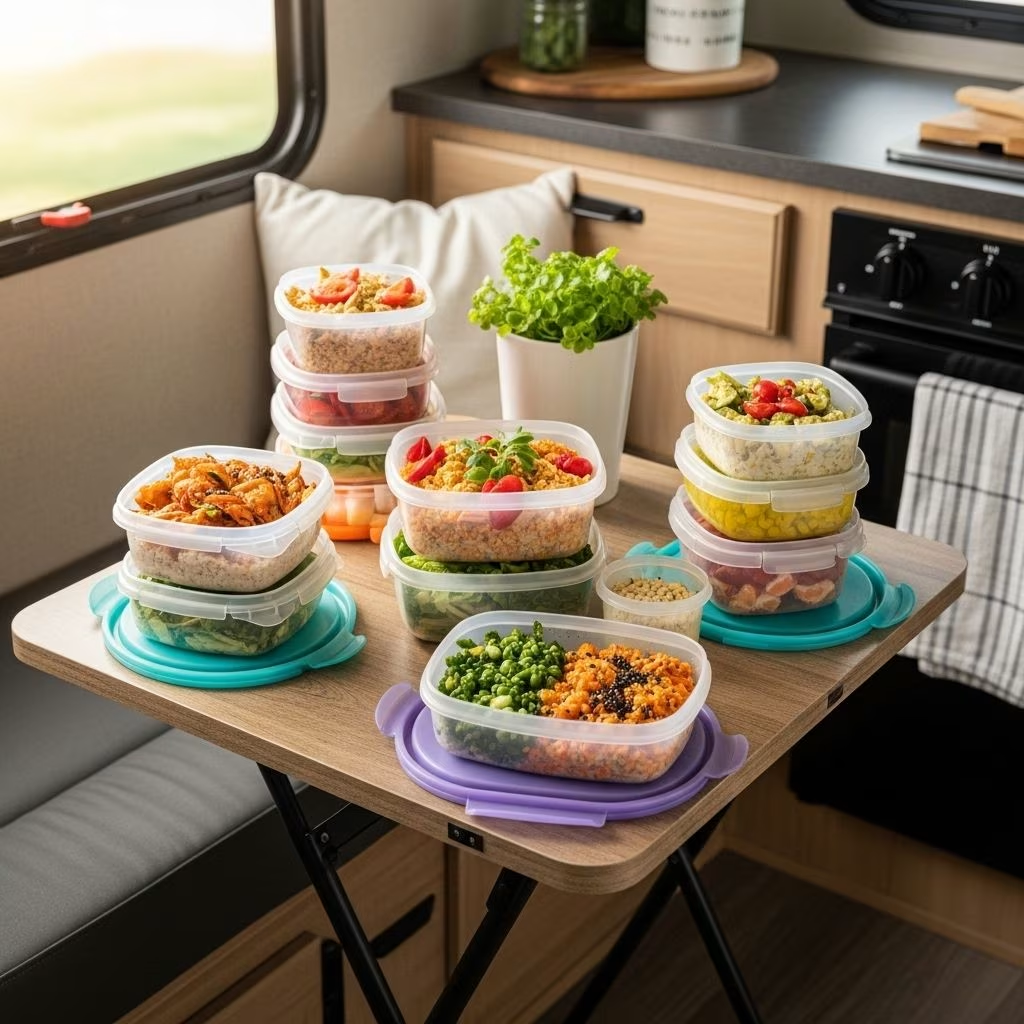
RV life is all about freedom: rolling to new horizons, exploring wild places, and making lasting memories with your loved ones. But when it comes to eating well in a tiny kitchen, many families wonder: how do you prepare healthy meals in such a small space? The answer is a mix of smart planning, creative recipes, and a few organizational tricks. This guide covers everything you need to know about healthy meal prep for RV families, featuring delicious recipes, storage ideas, and actionable advice for thriving on the road while keeping meals nutritious and stress-free.
Understanding the Challenges of RV Meal Prep
Preparing healthy meals in an RV presents unique challenges. The main issues families face include:
- Limited space for cooking, prep, and storage
- Small refrigerators and pantries with minimal capacity
- Reduced water and power supplies (especially when boondocking)
- Lack of specialty appliances—most kitchens have just basic stovetop or microwave
The good news? With a little planning and creativity, these constraints can actually make your meal prep routine easier and more efficient.
Essential Tools and Appliances
Having the right equipment makes RV meal prep much smoother. Instead of a cluttered kitchen, choose versatile, space-saving tools:
- Stackable pots and pans with removable handles—save tons of space
- Collapsible mixing bowls and measuring cups
- Mini chopping board and sharp chef’s knife
- Electric skillet or portable induction cooktop for quick cooking
- Slow cooker or Instant Pot (if you have power hook-up)
- Small food storage containers—look for square or rectangular shapes for the best storage efficiency
Avoid single-use gadgets or large specialty appliances that eat up your precious storage space.
Menu Planning and Grocery Shopping Tips
Smart menu planning and shopping will help avoid food waste, save money, and ensure you stay energized and nourished:
- Make a weekly meal plan focused on simple, one-pot or one-pan dishes
- Choose recipes with overlapping ingredients (e.g., bell peppers used for breakfast, lunch, and dinner)
- Shop in small batches—buy fresh ingredients every few days if possible
- Prioritize shelf-stable and multi-use ingredients (e.g., canned beans, rice, oats, nut butters)
- Utilize local farmer’s markets and produce stands to keep meals vibrant and seasonally fresh
Consider keeping a standard grocery list for staple items, but build flexibility into your plan to allow for local finds and last-minute cravings.
Smart Storage Solutions for Small Spaces
Organization is critical in an RV kitchen. Every inch counts, so implement these space-saving tips:
- Use clear, stackable bins for pantry items—label for quick access
- Magnetic spice racks on walls or fridge doors
- Store bulkier items (like pots) under benches or beds if possible
- Prep vegetables ahead and store in portioned containers to save time and space
- Vacuum-seal or use reusable zipper bags for bulk ingredients—reduce air and pack tighter
Smaller refrigerators mean you need to rotate and eat perishable foods quickly. Pre-chop and pre-cook items that could otherwise go bad.
Healthy Recipes for RV Families
Quick, wholesome, and family-friendly meals don’t require a gourmet kitchen. Here are some top choices perfectly suited for RV life:
Breakfast
- Overnight Oats: Mix up rolled oats, milk of choice, chia seeds, and fruit in a small mason jar; soak overnight for an easy grab-and-go meal.
- Southwest Vegan Breakfast Skillet: Sauté potatoes, black beans, onion, bell pepper, and spices in a skillet; top with avocado and salsa for a hearty, plant-based start.
- Egg Muffins: Whisk eggs with chopped veggies and cheese; pour into silicone molds and bake. Store extras in the fridge for a protein-rich breakfast all week.
- Fruit Salad: Chop seasonal fruit and toss with nuts, seeds, and a drizzle of honey or plain yogurt.
Lunch
- Wraps and Sandwiches: Use whole-grain wraps or bread, stuff with lean protein, veggies, and healthy spreads like hummus or Greek yogurt.
- Charcuterie Lunch Box: Assemble deli meats, cheese, fresh veggies, boiled eggs, and crackers for an easy picnic-style lunch.
- Asian Rice Paper Rolls: Fill rice paper wrappers with cooked noodles, fresh greens, and grilled shrimp or chicken. Dip in homemade sweet chili or peanut sauce for flavor.
- Quinoa or Grain Bowls: Combine pre-cooked quinoa or rice with beans, roasted veggies, avocado, and your favorite dressing.
Dinner
- One-Pan Stir Fry: Sauté any protein (chicken, tofu, beef) with assorted vegetables and Asian-style sauces; serve over instant brown rice or noodles for a quick meal.
- Make-Ahead Shepherd’s Pie: Prepare meat or lentil filling with carrots, peas, and onions, top with mashed potatoes, and bake when ready to eat.
- Grill Bags or Foil Packs: Toss chopped veggies, potatoes, and marinated protein into foil, seal, and cook on a grill or campfire—little cleanup and tons of flavor.
- Casserole-Style Dishes: Prepare a chicken, pasta, or bean casserole; portion and refrigerate or freeze extras for another night.
Snacks and Sides
- DIY Trail Mix: Mix nuts, seeds, dried fruit, and dark chocolate chips in bulk; portion into small containers or bags for easy snacking.
- Veggie Sticks and Hummus: Pre-slice carrots, celery, and cucumber for grab-and-go crunch.
- Rice Cakes with Nut Butter: Top with a smear of almond or peanut butter and banana slices for an energizing snack.
Dessert
- Fruit Parfaits: Layer yogurt, fresh fruit, and low-sugar granola in a cup or jar.
- Rice Pudding: Use leftover cooked rice, simmered gently with milk, cinnamon, and a bit of honey.
Make-Ahead and Freezer-Friendly Meals
Batch prepping meals in advance saves time and keeps eating healthy stress-free. Make these freezer-friendly dishes ahead at home (or in your RV) and enjoy later:
- BBQ Chicken Foil Packs—combine veggies and chicken in foil for easy grilling
- Egg Muffins and Frittatas—bake and cool, then freeze in zip bags
- Chili or Stew—prepare a large batch, portion, and freeze for quick reheating
- Veggie Burgers or Meatballs—grill or bake, then freeze for a protein-rich dinner anytime
- Pre-chopped vegetables—portion into small freezer bags for easy stir fries and omelets
Defrost these meals as needed and adjust cooking times based on your RV kitchen setup.
Meal Prep with Kids: Involving the Whole Family
Healthy meal prep can be a fun way to get your children interested in cooking and nutrition. Encourage kids to:
- Choose recipes for the weekly menu
- Help wash and chop vegetables (age-appropriate tasks)
- Assemble wraps, sandwiches, or fruit salads—give them creative freedom
- Pack lunchboxes or snack containers for hiking or travel days
- Discuss healthy choices (and why variety matters)
This not only teaches essential life skills but may even reduce picky eating habits.
Frequently Asked Questions (FAQs)
Q: What are the best protein sources for simple RV meals?
Lean deli meats, canned tuna or salmon, eggs, beans, Greek yogurt, rotisserie chicken, tofu, and pre-cooked grilled chicken strips are all excellent, space-saving protein sources for small-space cooking.
Q: How do I avoid food waste in a tiny fridge?
Meal plan around overlapping ingredients, shop more frequently but buy less per trip, and prep perishable items (like lettuce, berries, or herbs) as soon as you bring them on board. Freezer-friendly recipes also help use up extra veggies or leftovers.
Q: What’s an easy way to cook outdoors without a grill?
Electric or propane skillets and a stovetop are very effective for one-pan meals. Foil packs cook well over open flames, and some RVs accommodate small portable barbecues. Cast iron pans work on almost any heat source, including butane camp stoves.
Q: How can I fit healthy eating into a busy travel schedule?
Prep ahead by chopping veggies, portioning snacks, and batching meals when you have time. Overnight oats or wraps are quick and require minimal cooking. Keep a “go bag” with nuts, fruit, and a refillable water bottle so you always have a healthy option on hand.
Q: Are there healthy meal ideas that don’t require refrigeration?
Absolutely. Peanut butter or nut butter sandwiches, canned tuna salads, oatmeal, trail mix, instant soups with lentil or bean bases, and whole fruit (like apples or oranges) all pack well without refrigeration for 12–24 hours.
Conclusion
Eating healthy in an RV doesn’t have to be complicated or time-consuming. With simple meal planning, clever organization, and tasty space-saving recipes, your family can enjoy delicious, nutritious food no matter where the road takes you. Choose versatile ingredients, streamline your cooking tools, and get everyone involved in the process. Happy travels and happy eating!
References
- https://www.harvesthosts.com/blog/50-simple-and-easy-rv-camping-recipes
- https://www.rvezy.com/blog/20-healthy-meal-ideas-for-rv-cooking
- https://thefamilyfreezer.com/2019/07/02/18-healthy-make-ahead-camping-meals/
- https://www.youtube.com/watch?v=ad9bZad0fm0
- https://thetouringcamper.com/the-no-fail-rv-menu-planning-guide/
- https://www.thorindustries.com/stories/meal-prepping-rv-trip-kids


