


Introduction
A backyard playground isn’t just a place for kids to burn off energy—it’s a hub for creativity, exploration, and family memories. However, commercial play structures can strain your budget, often costing thousands of dollars. The good news? With a little ingenuity and some DIY spirit, you can create an engaging, safe playground for your kids without breaking the bank.
This guide walks you through every step, from planning and sourcing materials to building and maintaining a budget-friendly backyard playground. We’ll cover both natural playscapes and classic structures, offering ideas to fit any budget or backyard size.
Benefits of a DIY Backyard Playground
- Saves Money: DIY playgrounds can cost a fraction of store-bought kits, especially when using recycled or natural materials.
- Customizable: Tailor the playground to your child’s interests, age, and your yard’s layout.
- Educational: Building together teaches kids valuable skills and encourages creativity.
- Encourages Outdoor Play: A dedicated play area in your backyard keeps kids active and connected with nature.
Step 1: Planning Your DIY Playground
Before picking up a hammer, sketch out your ideas. Consider your child’s age, interests, and how much space you have. A small yard might focus on a sandbox and balance beam, while larger spaces can accommodate a play deck, swing set, and even a splash pad. Set a budget and make a list of must-have features. Prioritize safety and accessibility for all children who will use the space.
Step 2: Choosing a Location
Select a flat, well-draining area of your yard, preferably with some shade. Avoid low-lying spots that collect water. Ensure there’s enough clearance around play structures—at least 5 feet—to prevent accidents. Keep the playground visible from your house for easy supervision.
Step 3: Budget-Friendly Materials
You don’t need expensive materials to build a fun playground. Here’s how to save money:
- Shop Your Backyard: Fallen branches, logs, and rocks can be transformed into balance beams, stepping stones, and pretend kitchens.
- Yard Sales and Thrift Stores: Look for secondhand swings, tires, slides, and even small boats for unique sandboxes.
- DIY Kits: Home improvement stores sell affordable kits with plans, hardware, and accessory lists. These kits often allow you to build only what you need, reducing costs further.
- Free Plans: Many websites offer free, detailed playground construction plans for structures ranging from simple to elaborate.
Sample Material Cost Comparison
| Project | DIY Cost (Approximate) | Store-Bought Equivalent |
|---|---|---|
| Basic Swing Set with Slide | $300–$700 | $1,500–$2,500+ |
| Sandbox (Upcycled Materials) | $0–$50 | $100–$300+ |
| Balance Beam (Natural Logs) | $0–$20 | $50–$150 |
Step 4: Natural Playground Ideas
Natural playgrounds use organic materials and encourage imaginative, open-ended play. Here are some budget-friendly ideas:
- Log Balance Beams: Lay sturdy logs end-to-end for a rustic balance course.
- Branch Teepees: Collect fallen branches to build a teepee hideout—cover with fabric or plastic for shelter.
- Rock and Stick Art: Use natural materials for large-scale art projects in the yard.
- Mud Kitchen: Set up old pots, pans, and utensils for messy, creative fun.
- Water Play Area: Mount a gutter on the fence for floating boats, or use recycled bottles to create a water wall.
Step 5: Upcycled Garden Playground Elements
Turn everyday items into playground features:
- Old Tire Swing: Hang a sturdy tire from a tree branch with strong rope—classic and cost-free.
- Salad Bowl Toadstools: Paint old bowls and attach to logs for fairy-tale seating.
- Boat Sandbox: Use a retired rowboat filled with sand for nautical-themed fun.
- Outdoor Music Garden: Dismantle a xylophone or drums and mount pieces outdoors for a musical play area.
Step 6: DIY Playground Structures You Can Build
Simple Structures
- DIY Wooden Balance Beam: Use a long, treated 4×4 beam secured to the ground for a simple agility course.
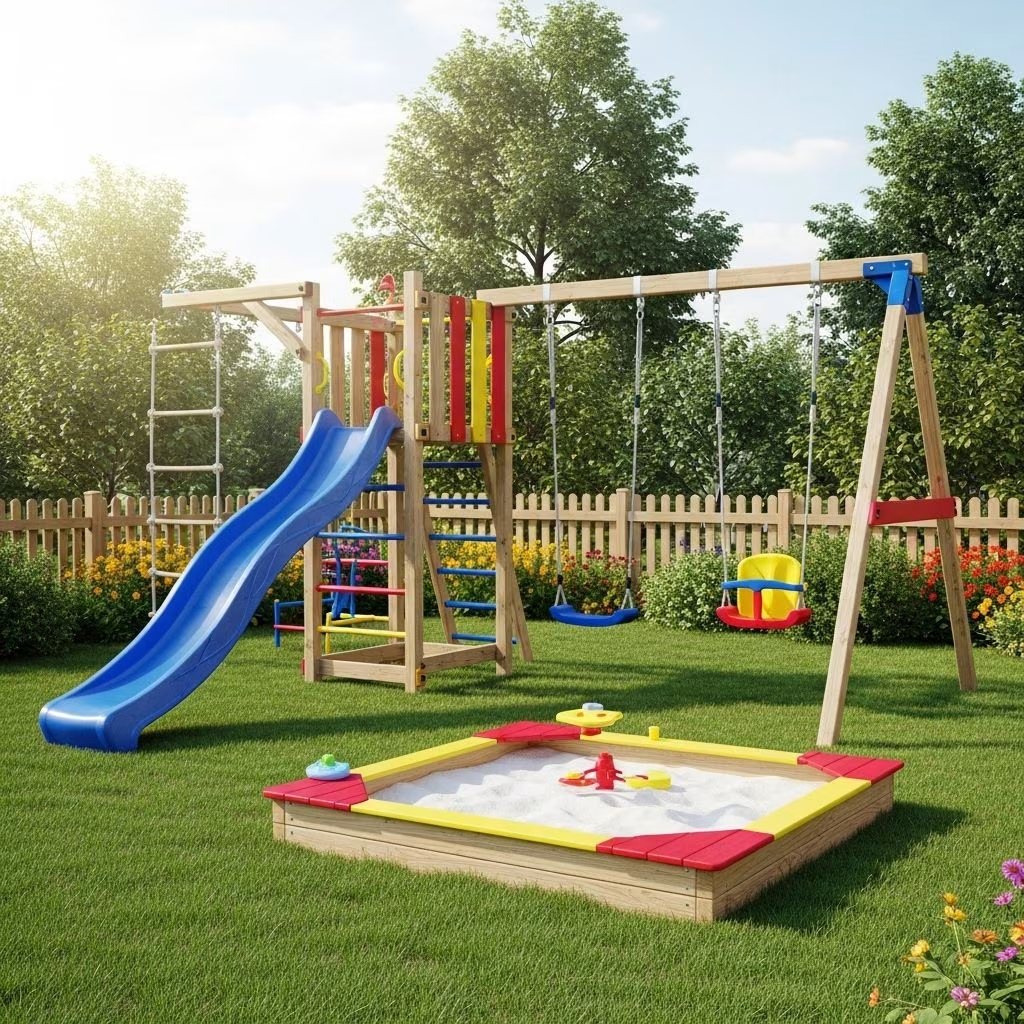
- Sandbox: Build a square frame using 2×6 lumber, line with landscape fabric, and fill with sand.
- Play Tent: Use a $25 tent from Amazon as a base for an imaginative play world.
Intermediate Projects
- Swing Set: Build a basic A-frame using pressure-treated lumber, add swings and a slide for classic fun.
- Playground Deck: Construct a raised platform with a ladder, slide, and monkey bars for a multi-feature play area.
- Climbing Dome: Use PVC pipes or metal rods to create a dome for climbing—great for older kids.
Advanced Projects
- Treehouse Fort: Build a simple treehouse or platform fort for imaginative play—add a slide or rope ladder for extra fun.
- Trampoline/Swing Set Combo: Combine safe trampolines (like Springfree) with swing sets and climbing domes for a full backyard adventure.
Step 7: Safety First
Safety is paramount in any playground. Follow these guidelines:
- Use Safe Materials: Avoid treated wood with toxic chemicals; opt for cedar, redwood, or pressure-treated lumber rated for ground contact.
- Secure Structures: Bury posts in concrete or use heavy-duty ground anchors to prevent tipping.
- Surfacing: Use soft materials like wood chips, sand, or rubber mulch under play equipment to cushion falls.
- Regular Inspections: Check for loose bolts, splinters, and wear regularly.
- Supervision: Always supervise young children during playtime.
Step 8: Maintenance Tips
- Clean Play Surfaces: Sweep sandboxes, wash slides, and hose down muddy areas regularly.
- Check for Damage: Inspect wood for rot, metal for rust, and ropes for fraying.
- Refresh Mulch: Top up wood chips or rubber mulch annually to maintain safe cushioning.
- Repaint and Re-seal: Protect wooden structures with non-toxic sealant or paint.
Frequently Asked Questions
-
Q: How much does it cost to build a DIY backyard playground?
A: Costs vary widely. Simple projects using natural or upcycled materials can be nearly free, while larger structures with kits range from $300–$700, compared to $1,500–$2,500+ for similar commercial sets.
-
Q: What are the safest materials for a DIY playground?
A: Use pressure-treated, cedar, or redwood lumber for wooden structures. For cushions, use engineered wood fiber, sand, or rubber mulch. Avoid toxic paints or sealants.
-
Q: How much space do I need for a small backyard playground?
A: Even a small yard can fit a sandbox, balance beam, or play tent. Allow at least 5 feet of clearance on all sides of play equipment for safety.
-
Q: What’s the easiest DIY playground project for beginners?
A: A sandbox, DIY balance beam, or branch teepee are simple, beginner-friendly projects.
-
Q: How do I maintain a DIY playground?
A: Regularly inspect for damage, keep play surfaces clean, and refresh surfacing materials. Seal or repaint wood annually.
Conclusion
Creating a backyard playground on a budget is a rewarding project that provides endless hours of fun and encourages outdoor play. By using natural materials, upcycling, and following free plans, you can build a safe, engaging, and affordable play space tailored to your family’s needs. Whether you opt for a simple sandbox or a multi-feature playset, your DIY playground will become a cherished part of your home for years to come.
References
- https://www.springfreetrampoline.com/blogs/beyond-the-bounce/backyard-playground-ideas
- https://thedollarstretcher.com/family-finances/diy-outdoor-play-structures/
- https://yogaloreandmore.com/natural-playground-ideas/
- https://ifonlyapril.com/fantastic-diy-backyard-playground-with-free-plans/
- https://ourstoriedhome.com/create-an-outdoor-playscape-on-a-budget/
- https://www.youtube.com/watch?v=YfGtLdwy8Ic


