


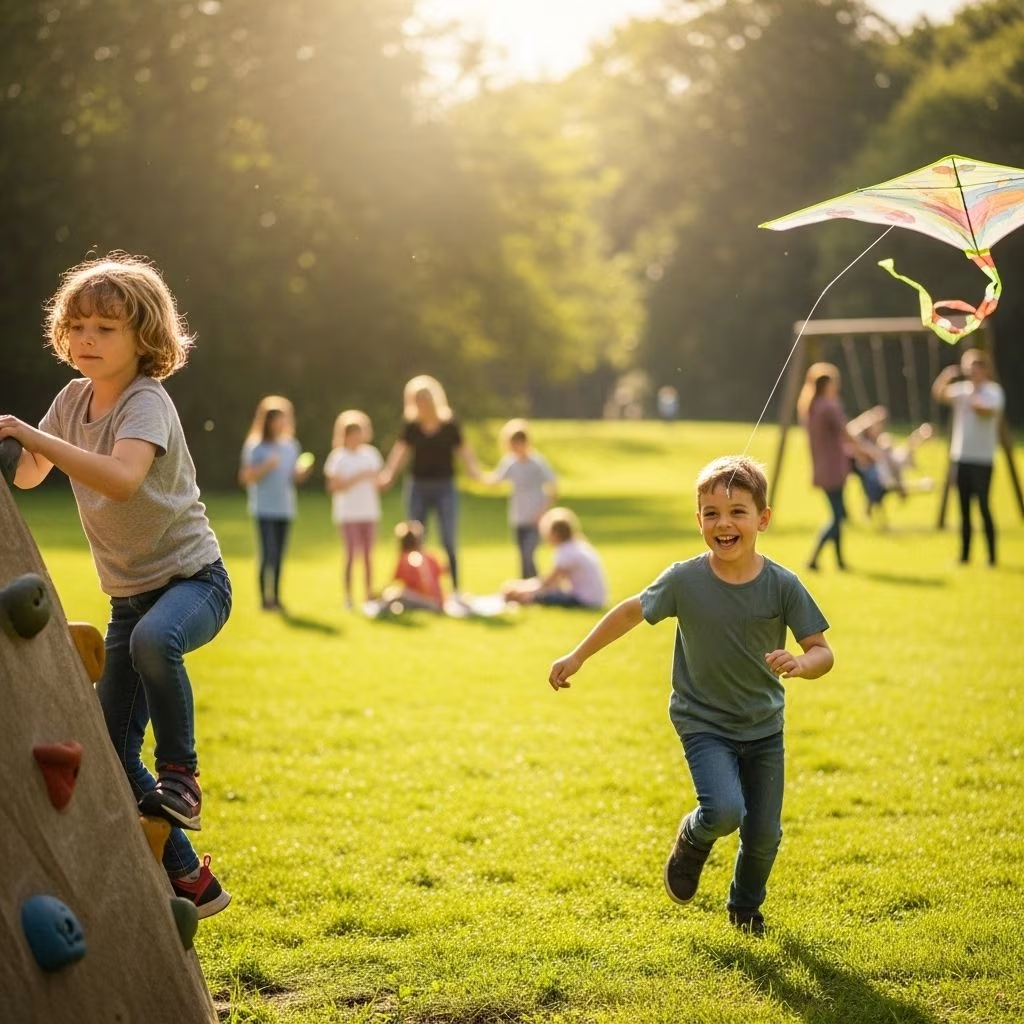
Raising a child with high energy and anxiety presents unique challenges and opportunities. Many parents and caregivers find themselves searching for safe, engaging, and therapeutic ways to help their children harness their energy, calm their minds, and learn valuable skills. This article explores outdoor activities specifically designed for kids with anxiety and high energy, offering practical strategies, activity ideas, and guidance backed by research and expert insights.
Why Outdoor Activities Matter for Anxious & High-Energy Kids
Outdoor activities offer a natural, therapeutic outlet for kids whose emotional and physical states often feel “on high alert.” Modern research reveals that outdoor play reduces anxiety through physical activity, connection with nature, social interaction, sensory experiences, and increased autonomy. For high-energy children, outdoor play channels restless energy into creative or cooperative movement, builds focus, and nurtures confidence.
- Physical activity releases endorphins, which are the body’s natural stress relievers.
- Natural surroundings lower stress hormones like cortisol, and promote mindfulness by engaging the senses.
- Risk-appropriate play allows children to test limits safely, fostering decision-making and resilience.
- Social opportunities in unstructured outdoor play can decrease social anxiety and support emotional development.
The Proven Benefits of Nature and Movement
1. Emotional Regulation
Immersion in outdoor environments “resets” the nervous system. Physical exploration and play help children release tension and regulate emotions more effectively. Sunshine also stimulates serotonin, enhancing mood naturally.
2. Improved Focus and Attention
Children—especially those with ADHD or high activity levels—gain the ability to focus better after time outdoors. Nature offers a gentle sensory environment that reduces overwhelm and helps attention recover from daily mental fatigue.
3. Enhanced Social Skills and Confidence
Outdoor group activities foster natural opportunities for friendship, cooperation, and negotiation. Success in physical, skill-based challenges can also build self-confidence and a sense of mastery.
4. Mindfulness and Sensory Integration
Activities that involve touch, sound, sight, and movement (such as listening to birds, feeling tree bark, or navigating trails) promote grounding and calm. Sensory-rich play is beneficial for children with anxiety and those who struggle with sensory processing.
| Benefit | How It Helps |
|---|---|
| Emotional Regulation | Burns off excess energy, soothes anxiety, improves mood |
| Focus & Attention | Restores cognitive reserves, improves attention span |
| Social Development | Builds friendships, teaches negotiation & cooperation |
| Confidence/Resilience | Instills mastery, encourages healthy risk-taking |
| Sensory Integration | Calms the mind/body, reduces sensory overload |
Selecting Outdoor Activities: Key Considerations
Each child is unique. When selecting outdoor activities for kids with anxiety and high energy, consider the following:
- Interest and Enjoyment: Let the child’s interests guide activity selection to foster intrinsic motivation.
- Level of Structure Needed: Some children thrive on open-ended play; others benefit from clear, step-by-step instructions or games with rules.
- Group vs. Solo Play: Anxious children may need to start with 1:1 or solo activities before joining groups. High-energy children may enjoy group sports or adventure challenges.
- Physical Safety: Supervision is essential, especially for high-energy kids who may push physical boundaries.
- Sensory Preferences: Some children are calmed by water play or quiet walks; others need vigorous movement or hands-on exploration.
Top Outdoor Activity Ideas for Anxious & High-Energy Children
Imaginative and Sensory Activities
- Nature Walk & Talk: Walking in a park or along a trail, talking about what you see, hear, and feel helps anxious kids stay grounded, and channels excess energy into movement.
- Sensory Scavenger Hunt: Create a list of things to find, smell, touch, or hear (e.g., soft leaf, smooth rock, bird song) to promote mindfulness and engagement.
- Water Play: Water tables, sprinklers, shallow streams, or even puddle jumping provide tactile stimulation and are calming for many anxious children.
- Gardening: Digging, planting, or caring for a plant encourages responsibility, fine motor skills, and focus.
Active Movement and Adventure
- Biking or Scootering: Excellent for burning off energy, improving spatial awareness, and enabling independent exploration in a safe area.
- Obstacle Course Challenge: Set up simple obstacle courses in the yard or park; encourage jumping, crawling, and balancing to engage both body and mind.
- Group Games: Games like relay races, hide and seek, duck-duck-goose, animal races, and tag are perfect for high-energy output and practicing turn-taking.
- Rock Hunt & Sort: Find and sort rocks by color, size, or shape for a calming and attention-nurturing activity.
Mindfulness & Relaxation
- Quiet Listening Game: Sit together and count how many natural sounds you can hear—birds, leaves, wind. This soothes anxious minds and heightens sensory awareness.
- Squeeze & Dangle or Spiderman Folds: Movement-based relaxation techniques that combine stretching and pressure, which can calm high-energy children and build mindfulness.
- Yoga in the Park: Outdoor yoga or simple balancing poses can promote focus and body awareness—even for young children.
Therapeutic Play Activities
- Team Sports & Cooperative Games: Soccer, capture the flag, and relay races teach teamwork, provide cardiovascular benefits, and help kids feel connected.
- Nature Photography or Sketching: Encourage careful observation and creative expression through taking pictures or drawing what they see in nature.
- Animal Observation Safari: Whether watching ants or chasing butterflies, this encourages curiosity and mindful focus.
Unstructured Exploration
- Free Play in Safe Spaces: Allowing time for unstructured outdoor play—running, climbing, inventing games—gives kids control and fosters autonomy.
- Stargazing or Birdwatching: Encourages stillness, reflection, and a sense of wonder—ideal for winding down.
Sample Weekly Outdoor Activity Plan
| Day | Activity | Focus Area |
|---|---|---|
| Monday | Nature Walk & Sensory Scavenger Hunt | Mindfulness, Exploration |
| Tuesday | Obstacle Course Challenge | Movement, Coordination |
| Wednesday | Water Play (Sprinklers/Creek) | Sensory Soothing |
| Thursday | Group Game: Tag or Hide & Seek | Social Skills, Energy Burn |
| Friday | Gardening Project | Focus, Responsibility |
| Saturday | Biking/Scootering at Local Park | Cardiovascular, Independence |
| Sunday | Stargazing/Bird Watching | Calm, Connection |
Supporting Tips for Success
- Consistency over duration: Short, regular bursts of outdoor time are often more effective than occasional, lengthy outings.
- Celebrate effort, not outcome: Recognize participation, curiosity, or kindness, rather than perfection or immediate success.
- Start with comfort: For children highly sensitive to new environments, begin with short excursions to familiar places.
- Prepare for transitions: Let kids know when activities will end and what’s happening next—aids anxious children especially.
- Encourage (not force) participation: Model enjoyment yourself; over time, most children will want to join in.
- Practice safety and boundaries: Set clear limits and supervise appropriately, but remember that some risk is healthy and empowering.
- Praise social and emotional skills: Highlight sharing, teamwork, creative problem-solving, and efforts to try new things.
Frequently Asked Questions (FAQs)
Q: What if my child resists outdoor activities?
A: Start small with activities that relate to their interests or comfort items, offer choices, and model enthusiasm. Over time, even reluctant children often become more open.
Q: How can I tell which activities are best for my high-energy or anxious child?
A: Observe your child’s responses to different types of play (sensory-rich vs. active movement, solo vs. group). Solicit their feedback and adapt activities to suit their unique preferences.
Q: Can outdoor play help with symptoms of ADHD?
A: Yes. Research shows that outdoor activities assist with attention, impulse control, and emotional regulation for children with ADHD, providing both a mental and physical outlet.
Q: How much outdoor time should my child get?
A: Ideally, aim for at least 30–60 minutes of outdoor activity daily. Even briefer sessions can offer significant benefits if done with regularity and intention.
Q: What are some equipment-free outdoor activities?
A: Try animal races, hide and seek, duck-duck-goose, charades, listening games, or scavenger hunts—none require special tools.
Supporting kids with anxiety and high energy through nature and movement doesn’t require special expertise—just patience, creativity, an open mind, and a willingness to get outdoors. Daily fresh air, varied sensory experiences, and the freedom of unstructured play are essential ingredients in building calm, resilience, focus, and joy in children.
References
- https://camptekoa.org/blog/item/37-how-outside-play-reduces-anxiety-in-kids
- https://explorepediatrictherapy.net/outdoor-play-is-a-positive-outlet-for-high-energy-kids/
- https://www.societyofcare.org/spring-into-regulation-outdoor-activities-that-build-resilience-in-children
- https://behavedbrain.com/outdoor-activities-that-are-actually-therapeutic-for-kids/
- https://mentalhealthcenterkids.com/blogs/articles/anxiety-activities-for-kids
- https://kidmatterscounseling.com/blog/3-fun-relaxation-activities-for-high-energy-kids/
- https://www.plt.org/educator-tips/outdoor-activities-teens-mental-health/
- https://positivepsychology.com/mindfulness-for-children-kids-activities/
- https://www.gardenbenches.com/blog/outdoor-games-for-kids-no-equipment/


