


Introduction to Sensory Processing Disorder
Sensory Processing Disorder (SPD) affects how children perceive and process sensory information from their environment, which can lead to challenges in daily activities and outdoor experiences. While nature is beneficial for children’s mental and physical health, those with SPD may find it overwhelming due to sensitivities to sounds, textures, and light. This article explores how outdoor gear can help children with sensory processing needs enjoy nature more comfortably.
Understanding Sensory Needs in Outdoor Settings
Children with SPD may exhibit hypersensitivity or hyposensitivity to various stimuli. For instance, some may be extremely sensitive to sunlight, while others may seek out intense sensory experiences like playing in sand or water. Understanding these specific needs is crucial for selecting the right outdoor gear and activities.
Common Challenges in Outdoor Settings
- Sensitivity to Light and Sound: Bright sunlight and loud noises from nature or man-made sources can be overwhelming.
- Texture and Tactile Sensitivities: Sand, grass, or water textures may cause discomfort.
- Temperature and Weather Sensitivities: Some children may be sensitive to changes in temperature or weather conditions.
Essential Outdoor Gear for Sensory Integration
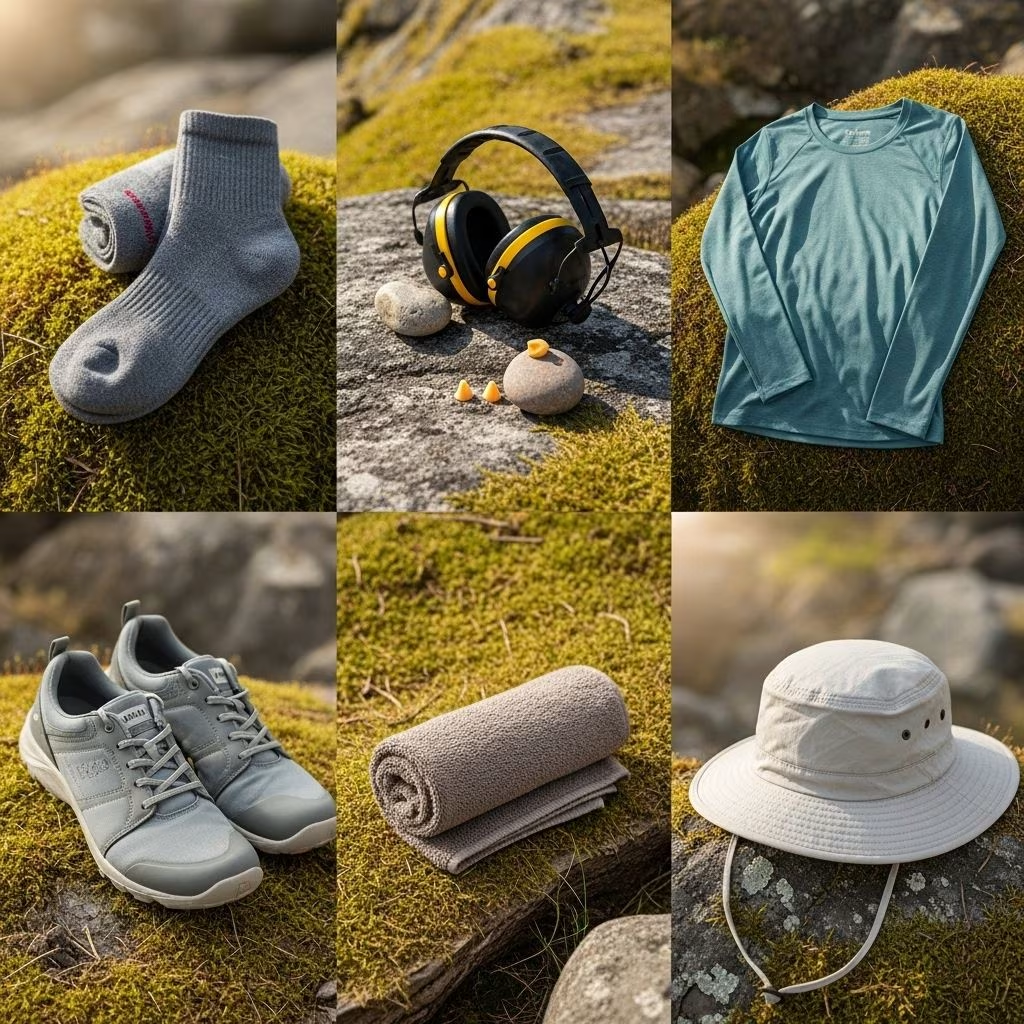
To make outdoor experiences more enjoyable for children with SPD, it’s important to equip them with the right gear. Here are some essentials:
Protective Wear
- Sunglasses: High-quality, comfortable sunglasses can help protect sensitive eyes from bright light.
- Sun-Protective Hats: Wide-brimmed hats can shield the face and neck from the sun.
- Comfortable Clothing: Choose clothing that is gentle on the skin and doesn’t cause irritation.
Sensory Management Tools
- Earmuffs: Noise-cancelling earmuffs can reduce sensory overload from loud noises.
- Fidget Toys: These can help children manage anxiety and focus during outdoor activities.
- Portable Shelter: Umbrellas or beach tents provide a safe space for children to retreat if needed.
Incorporating Nature into Sensory Integration Therapy
Nature can be an excellent setting for sensory integration therapy. Activities like walking in the woods, playing in a sandbox, or simply exploring textures can be therapeutic. By incorporating these experiences into therapy, children can develop better coping mechanisms for processing sensory information.
Preparing Children for Outdoor Experiences
Preparation is key to ensuring that children with SPD have a positive outdoor experience. This can involve previewing the sensory experiences they might encounter, such as filling a tray with sand at home before a beach trip, or discussing the sounds and smells they might encounter on a hike.
Sensory-Friendly Outdoor Activities
Choosing activities that cater to a child’s sensory preferences can make a significant difference. For example, if a child is sensory-seeking, activities like hiking or playing in a mud pit might be ideal. For those who are hypersensitive, quieter environments like a peaceful garden walk might be more suitable.
Examples of Sensory-Friendly Activities
- Walking in Nature: A peaceful walk in the woods can provide a calming sensory experience.
- Playing at the Beach: While some children might find the sand overwhelming, others might enjoy the tactile experience of playing in the sand.
- Gardening: Planting and tending to a garden can be a calming and sensory-rich activity.
Addressing Sensory Issues with Clothing
Clothing can play a significant role in how children with SPD feel during outdoor activities. Avoiding irritating fabrics, ensuring comfortable fits, and using layers can help manage sensory discomfort.
Strategies for Choosing Sensory-Friendly Clothing
- Soft Fabrics: Opt for soft, breathable fabrics that won’t irritate the skin.
- Comfortable Fits: Ensure clothing fits well and doesn’t cause constriction.
- Layering: Layering can help children adjust to changing environmental conditions.
Sensory Toys and Exercises for Outdoor Use
In addition to outdoor gear, sensory toys can be invaluable in helping children manage their sensory experiences. These can include items like fidget spinners, sensory balls, or even homemade sensory toys like rice-filled containers.
Examples of Sensory Toys for Outdoor Use
| Sensory Toy | Use in Outdoor Settings |
|---|---|
| Fidget Spinners | Helps manage anxiety and focus during outdoor activities. |
| Sensory Balls | Provides tactile stimulation and can be used during outdoor play. |
| Rice-Filled Containers | Offers a calming sensory experience through exploration of textures. |
Frequently Asked Questions (FAQs)
Q: How can I help my child with SPD enjoy outdoor activities?
A: By understanding their specific sensory needs, preparing them for the experiences, and using appropriate outdoor gear and sensory integration techniques.
Q: What are some essential items to include in a sensory kit for outdoor activities?
A: Essential items include earmuffs, sunglasses, comfortable clothing, and fidget toys. A portable shelter and sensory-friendly food can also be helpful.
Q: How can nature be used in sensory integration therapy?
A: Nature provides a rich sensory environment that can be tailored to meet individual needs. Activities like walking, playing in sand, or exploring textures can be therapeutic.
Conclusion
Empowering children with sensory processing needs to enjoy outdoor activities requires careful planning and the right gear. By understanding their unique sensory profiles and using sensory-friendly outdoor gear and activities, parents can help their children develop a deeper connection with nature while managing their sensory integration challenges.
References
- https://runwildmychild.com/nature-therapy-for-sensory-processing-disorder/
- https://childmind.org/article/summer-and-sensory-processing-issues/
- https://www.additudemag.com/sensory-toys-spd-exercises-child/
- https://rainorshinemamma.com/2022/03/03/supporting-your-childs-sensory-differences-outdoors/
- https://urbangreendesign.org/the-decline-of-outdoor-play-and-the-rise-of-sensory-issues-in-children/
- https://funandfunction.com/diagnosis/sensory-processing-disorder.html
- https://childmind.org/article/sensory-processing-issues-explained/
- https://www.theottoolbox.com/how-to-help-kids-with-sensory-issues-with-clothes/
- https://www.stlouischildrens.org/health-resources/pulse/understanding-sensory-processing-disorders


