


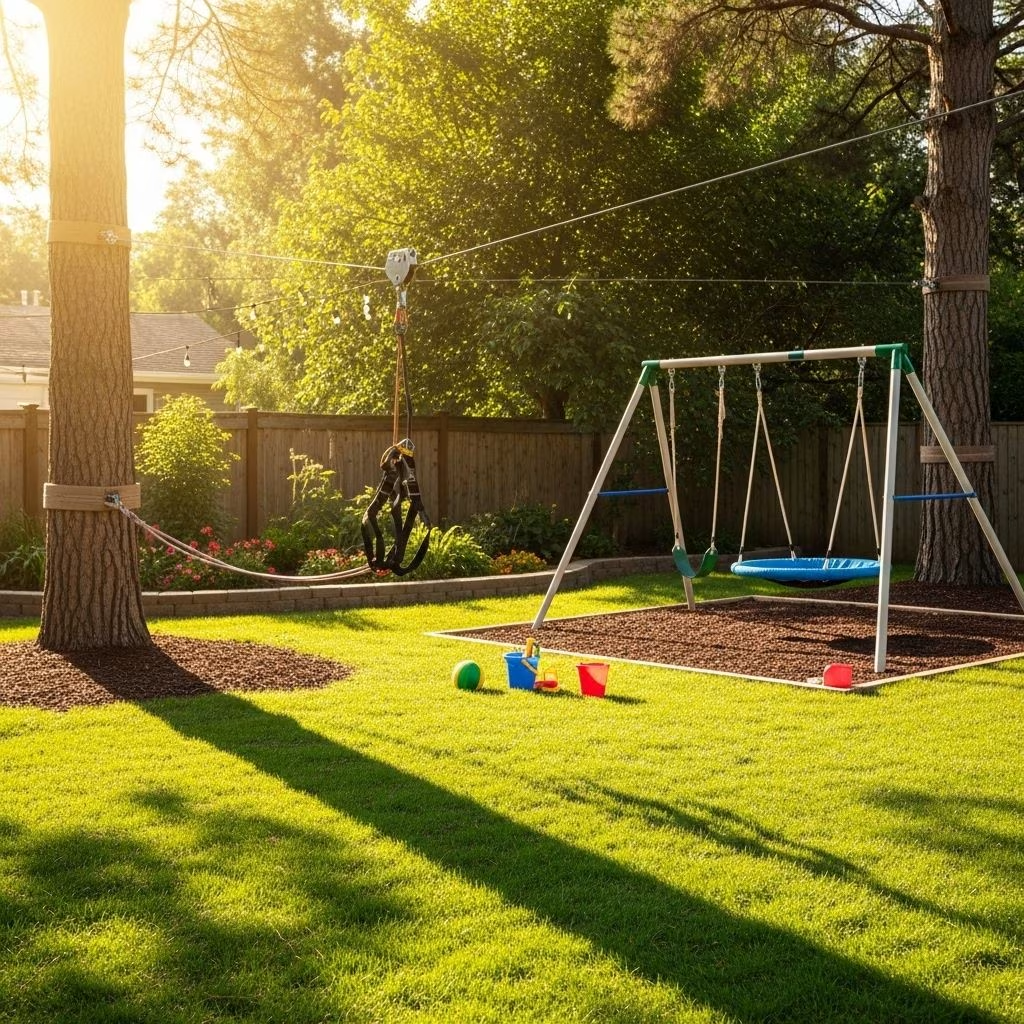
Introduction
Outdoor play structures like DIY ziplines and swing sets are an exciting way for families to enjoy recreational activities at home. However, their installation and use come with significant safety responsibilities. This guide is your comprehensive resource for understanding design choices, installation procedures, inspection routines, and everyday practices to promote safety for both children and adults.
Backyard Zipline Overview
A backyard zipline consists of a strong cable, anchored between two secure points (usually trees or engineered posts), and a trolley device that rides along the cable to carry a rider from start to finish. While offering thrilling fun, ziplines must be installed and operated with strict attention to safety to avoid serious injuries.
- Standard Zipline Components: Cable, trolley or pulley, anchors/supports, handlebar or seat, braking system.
- Typical Installation Length: Ranges from 50–200 feet depending on available space and terrain.
Swing Set Overview
Swing sets are classic backyard features that can include swings, slides, climbing structures, and monkey bars. Whether purchased as kits or constructed from raw materials, safe installation and maintenance are vital for preventing falls and injuries.
- Standard Swing Set Components: Frame/supports, seat(s), chains or ropes, ground anchors, protective ground cover.
Design & Planning for Safety
Proper planning is crucial for both ziplines and swing sets. Consider your backyard’s terrain, available space, and natural features when designing your play area.
- Select Safe Anchor Points: Use only healthy, mature trees with trunks at least 12 inches in diameter, or purpose-built posts rated for horizontal loading.
- Clear Surroundings: Remove any obstacles, branches, rocks, or brush from the zipline and swing set path to reduce risk of collision.
- Determine Slope and Height: For ziplines, the grade should never exceed 6% (6 ft drop per 100 ft of distance). Keep installations close to the ground where possible and avoid excessive speed.
- Space for Swing Sets: Allow enough clearance around and beneath swings to prevent accidental impact with nearby objects.
- Ground Surface: Use impact-absorbing materials such as sand, mulch, shredded rubber, or sawdust—especially beneath landing zones and swings.
Installation Best Practices
Correct installation reduces the chance of catastrophic failure and injury. Adhere to these principles for both structures:
- Follow Manufacturer Instructions: Use installation guidelines provided with any swing set or zipline kit. Deviations can compromise safety.
- Anchor and Support: Fasten cables and swings with heavy-duty galvanized hardware and review anchor strength regularly.
- Test with Various Weights: Verify safe operation for users of different sizes by conducting gradual load tests before regular use.
- Limit Speed and Force: Adjust zipline sag and swing height to reduce excess momentum that can cause hard landings or collisions.
- Check for Obstructions: Ensure all ride paths and landing areas are clear and visible.
- Provide Shock Absorption: Install bumpers made from pool noodles or wrapped mats at zipline endpoints, and soft-landing surfaces under swings.
Zipline-Specific Safety Guidelines
Ziplines require unique safety measures compared to other play structures due to their moving parts and potential for high speeds.
- Double or Triple Pulley Systems: Use dual or triple pulleys to minimize risk of single axle failure causing falls.
- Braking Systems:
- Spring Stop Brake: Appropriate for short ziplines (<100 ft) and shallow slopes (<3%) only. For steeper slopes, employ bungee brakes.
- Gravity Brake: Use cable sag or uphill cable at the end to naturally slow riders before they reach the stop. Fine-tuning is essential for safe deceleration.
- Physical Bumpers: Pool noodles, mats, or purpose-built cushions at endpoints help absorb impact for fast riders.
- Safety Locks and Restricted Access: Install a locking mechanism to prevent unsupervised use, especially by young children.
- Harnesses and Grips: Use properly fitted harnesses and ensure sturdy handles for riders. Do not rely on handheld braking (such as leather gloves), which is unsafe for children and can cause injury.
- Stay Clear of the Path: Instruct all bystanders to remain outside the ride zone during operation.
- User Capacity: Allow only one rider at a time on the cable and platform. Never overload trolleys or anchors beyond their rated weights.
| Method | Recommended For | Risks/Warnings |
|---|---|---|
| Spring Stop Brake | <100ft length, <3% slope | Unsafe at higher speeds or steep grades |
| Bungee Brake | >100ft, >3% slope | Requires proper installation and testing |
| Gravity Brake | Any length with tuned sag | Must verify all weights stop safely before endpoints |
| Physical Bumper | All setups | Absorbs excess force, supplement only—not primary brake |
Swing Set-Specific Safety Guidelines
Whether manufactured or DIY, every swing set must follow established safety practices:
- Anchor Stability: Confirm all swing legs and braces are fully embedded or bolted to resist tipping.
- Seat Securement: Frequently check swing seats, ropes, and chains for fraying, corrosion, or cracks.
- Safe Heights: Swings should be low enough for easy access yet high enough to avoid ground impact during use.
- Spacing: Set swings at least 24 inches apart, and keep frame posts clear of swinging range.
- Proper Ground Cover: Place deep, soft surfacing under and around swings to cushion falls (minimum 6–12 inches of mulch, sand, or rubber). Never use hard surfaces like concrete.
- Weight Ratings: Adhere to recommended user weight for seats and hardware. Avoid overloading.
Inspection & Maintenance Checklist
Regular inspection and maintenance are vital for long-term play structure safety. Many injuries result from component wear or unnoticed damage.
- Inspect cables for fraying, rust, or slipping at anchor points.
- Check trolley pulleys and axle wear. Replace if excess play or misalignment occurs.
- Examine brake systems and bumpers for wear, compression, or loss of cushioning.
- Review tree health and anchor integrity every season. Dead trees or shifting posts must be replaced.
- Periodically fluff or replace landing material (sawdust, mulch, sand) to maintain adequate cushioning.
- Look for signs of rust, corrosion, or weather damage—especially after winter or rain.
- Tighten all hardware and bolts; apply threadlock if necessary.
- Test each structure at least twice yearly with weighted loads and observe for abnormal sounds, movement, or loose parts.
- Log all inspections and repairs. Schedule major safety reviews before the first use of each season.
Supervision and Safe Usage Rules
The most advanced design cannot replace the need for active supervision and clear rules:
- Adult Supervision: Never allow children to use ziplines or swings unsupervised. Adults should be present and alert at all times.
- Limit Users: Permit only one person per swing or zipline cable at a time. Restrict platform occupancy to a safe maximum—usually three family members.
- Clothing: Require close-toed shoes and recommend protective gloves to prevent burns or rope/chain injuries.
- Secure Hair and Loose Items: Tie back long hair, remove scarves or drawstrings, and ensure jewelry cannot catch in equipment.
- Usage Training: Teach children proper mounting, riding, and dismounting procedures; for ziplines, require practice on a training bar before first use.
- Emergency Instructions: Provide clear guidance on what to do if a rider gets stuck mid-line (e.g., turn around and pull themselves in).
- Respect and Patience: Encourage courtesy among users and establish ‘Wait Until Safe’ protocols for entry onto platforms or swings.
Liability Considerations
Backyard play structures bring added legal risks. Address liability before opening your play zone to friends and visitors:
- Restricted Use: Install locks or barriers if you do not wish the zipline or swing set to be used without your direct permission or supervision.
- Informed Consent: Require parents of visiting children to acknowledge and accept the risks involved.
- Insurance: Review your homeowner’s policy. Some providers may not cover incidents related to play structures, especially ziplines or trampolines.
Frequently Asked Questions
Q: Is it safe to install a zipline in my backyard if I follow all the guidelines?
A: While strict adherence to safety guidelines greatly reduces risks, no recreational activity is completely without danger. Ensure every part of your system meets recommended codes, test regularly, and supervise all use.
Q: What is the ideal slope (grade) for a residential zipline?
A: The riding slope should never exceed 6%, and shallower slopes (3% or less) are safer for children and minimize excessive speed.
Q: How do I know if my support trees are strong enough?
A: Use healthy, mature trees with trunk diameters at least 12 inches, showing no signs of rot, insect damage, or dry limbs.
Q: What should I do if my zipline trolley gets stuck mid-ride?
A: Riders can turn around and use a rope or handle to pull themselves to the platform. Do not allow others to send another trolley while the cable is occupied.
Q: Are homemade swing sets as safe as commercial kits?
A: Homemade sets can be very safe if built with proper materials, correct installation, and routine inspections. Manufacturer specifications for commercial sets add an extra layer of assurance.
Conclusion
DIY backyard ziplines and swing sets are an outstanding way to create lasting family memories—when designed and operated with safety as the top priority. Following this guide, you’ll confidently plan, install, inspect, and supervise your outdoor playground, making playtime both exhilarating and secure. Always stay mindful of new best practices, changing equipment states, and the essential role of adult oversight. Happy—and safe—zipping and swinging!
References
- https://outdoors.codidact.com/posts/41012/44595
- https://ziplinescanada.ca/wp-content/uploads/2021/09/Guidelines-to-Installing-A-Zip-Line-1.pdf
- https://myadventurepark.com/all-you-need-to-know-about-zipline-safety/
- https://www.instructables.com/how-to-make-a-awesome-safe-zipline/
- https://www.ziplinegear.com/pages/how-to-build-a-zip-line-section-one-concepts
- https://www.healthychildren.org/English/safety-prevention/at-play/Pages/Zip-Line-Safety-Tips.aspx
- https://www.ziplinegear.com/blogs/engineering-and-design/zip-line-kit-buyer-s-guide-what-to-look-for-and-what-to-avoid
- https://www.iziplineinc.com/Zip-Line-Blog/post/how-to-care-for-your-backyard-zipline-and-make-it-safe.html


