


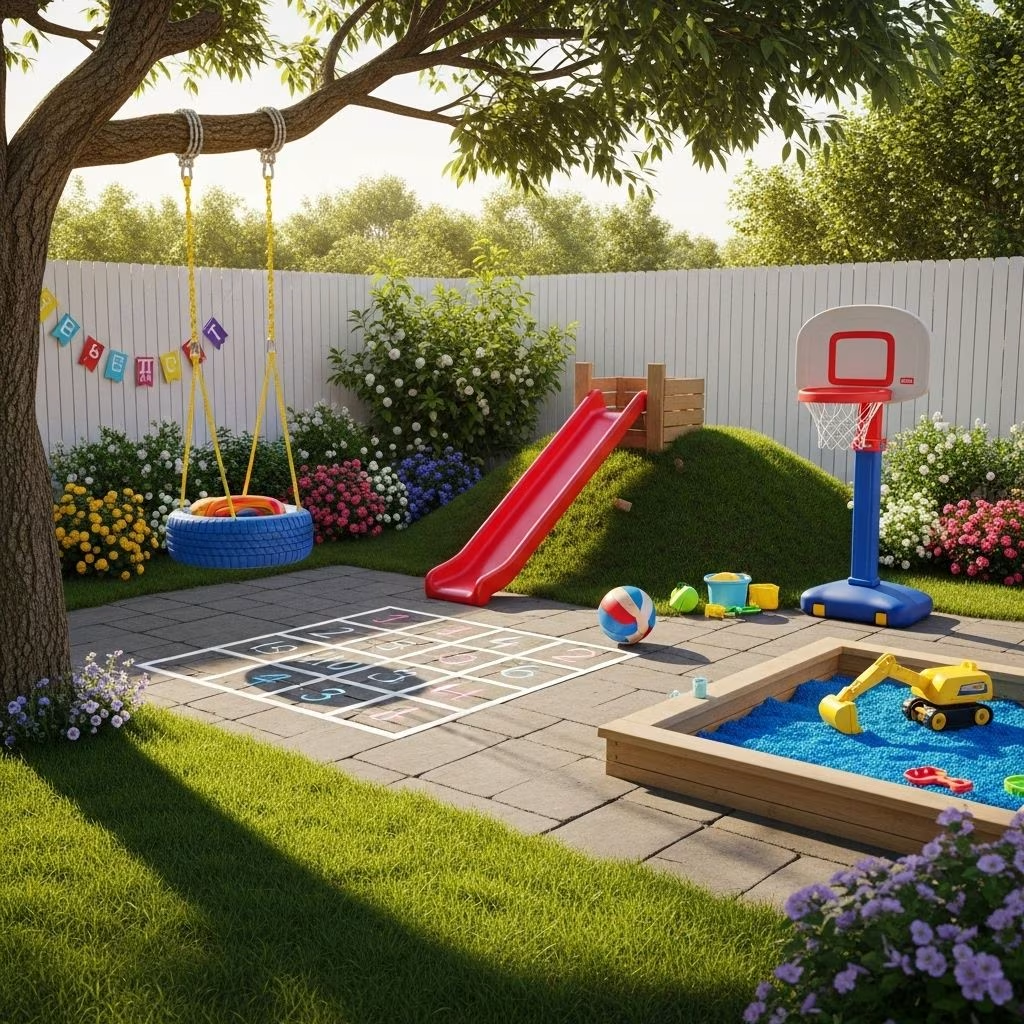
Many families dream of providing their children with exciting outdoor play experiences but feel constrained by limited backyard space. The good news is that small yards can become thriving play environments with the right adaptations. Traditional playground games can be modified to fit compact spaces while maintaining their educational value, physical benefits, and entertainment appeal. This comprehensive guide explores creative strategies for transforming your small backyard into an engaging play area where children can develop physically, socially, and cognitively.
Table of Contents
Understanding the Benefits of Adapted Outdoor Play
Essential Principles for Small Space Play Adaptation
Classic Playground Games Reimagined for Small Yards
Equipment-Free Games Perfect for Compact Spaces
Creating Multi-Functional Play Zones
Inclusive Adaptations for Children of All Abilities
Safety Considerations in Small Play Areas
Seasonal Variations and Weather Adaptations
Frequently Asked Questions
Understanding the Benefits of Adapted Outdoor Play
Outdoor play remains crucial for childhood development regardless of space limitations. When playground games are thoughtfully adapted for small backyards, children continue receiving the developmental benefits associated with outdoor activity. Physical movement strengthens muscles, improves coordination, and builds cardiovascular health. The mental engagement required by games enhances problem-solving abilities, strategic thinking, and creativity.
Social development flourishes during adapted playground games as children learn cooperation, communication, and conflict resolution. Even in small spaces, games teach important lessons about taking turns, following rules, and respecting boundaries. The imaginative element of play transforms limited physical space into boundless adventure landscapes where a compact yard becomes a jungle, ocean, or mountain range.
Small backyard play offers unique advantages over traditional playgrounds. Parents can provide closer supervision, creating safer environments for younger children. The familiar setting reduces anxiety for children who might feel overwhelmed by large public playgrounds. Additionally, backyard play encourages spontaneous activity rather than requiring special trips, making outdoor time more frequent and accessible.
Essential Principles for Small Space Play Adaptation
Vertical Thinking
When horizontal space is limited, thinking vertically opens new possibilities. Games traditionally played across wide areas can be modified to incorporate climbing, jumping, and reaching activities. This approach maximizes the available space while providing excellent physical challenges that develop strength and coordination.
Flexibility and Multi-Purpose Design
Small yards benefit from flexible arrangements that serve multiple purposes. A single area might function as a racing track in the morning, a treasure hunt location in the afternoon, and a dance floor in the evening. This versatility ensures children never feel bored despite space constraints.
Boundary Management
Clear boundaries become especially important in small spaces. Using visual markers like chalk lines, rope, or natural features helps children understand play areas and creates structure for games. Well-defined boundaries also teach spatial awareness and respect for limits.
Equipment Minimization
Reducing equipment needs prevents clutter and maintains open space for movement. Many traditional playground games require no equipment at all, making them ideal for small yard adaptation. When equipment is necessary, choosing compact, multi-functional items maximizes utility while minimizing storage requirements.
Classic Playground Games Reimagined for Small Yards
Modified Tag Variations
Tag remains one of the most beloved playground games and adapts beautifully to small spaces. In compact yards, traditional tag can be modified by adding safe zones, changing movement requirements, or introducing creative variations. Freeze Tag works particularly well in limited spaces, as frozen players become stationary obstacles that add complexity to the game. Shadow Tag eliminates physical contact entirely, making it perfect for very small areas where collision risks increase.
Stuck in the Mud offers another excellent variation where tagged players freeze with arms outstretched until teammates unfreeze them by crawling underneath. This version promotes teamwork and strategic thinking as children must balance offensive and defensive play. The stationary frozen players create natural obstacles that make the small space feel more dynamic and challenging.
Condensed Chase Games
What Time Is It, Mr. Fox? translates beautifully to small backyards. This narrative game requires minimal space as players move incrementally rather than running full speed. The game master controls pacing, making it easy to adjust for available space. When Mr. Fox calls out different times, players take corresponding steps forward, creating suspense and excitement without requiring extensive running room.
Red Light, Green Light similarly adapts well to compact areas. The stop-and-go nature prevents constant running while maintaining physical activity and engagement. In small yards, the distance to the finish line can be shortened, or the game can be played in a circular pattern rather than a straight line, maximizing use of available space.
Circle-Based Activities
Duck, Duck, Goose requires only enough space for children to sit in a circle with room for one person to run around the outside. This minimal space requirement makes it ideal for small yards. The game develops quick reaction skills and provides bursts of physical activity interspersed with rest periods, making it suitable for various energy levels and abilities.
Equipment-Free Games Perfect for Compact Spaces
Imaginative Movement Games
The Floor is Lava transforms any space into an adventure landscape using only imagination. In small backyards, this game becomes even more challenging and exciting as children must creatively identify safe spots like tree stumps, garden furniture, or designated ground markers. The game encourages problem-solving, physical agility, and creative thinking while requiring zero equipment and minimal space.
Follow the Leader adapts perfectly to any yard size. The leader performs various movements that followers must mimic, from jumping jacks to crawling to spinning. In small spaces, the leader can emphasize stationary movements, stretches, or small-range motions rather than long-distance running. This game develops coordination, attention skills, and body awareness while allowing easy adjustment for different ability levels.
Rhythmic and Coordination Games
Miss Mary Mack represents traditional hand-clapping games that require virtually no space while developing hand-eye coordination and rhythm. These games can be taught to children of various ages and provide cognitive benefits through pattern recognition and memory development. The social interaction inherent in partner games builds communication skills and emotional connections.
Dance Switch creates high-energy fun in minimal space. Players dance freely until someone calls out a new style, prompting everyone to switch movements. This game burns energy, develops creativity, and provides cardiovascular exercise without requiring any special equipment or large areas. The unpredictable nature keeps children engaged and entertained for extended periods.
Observation and Strategy Games
I Spy works wonderfully in small backyards where children can focus on details in their immediate environment. This game develops observational skills, vocabulary, and deductive reasoning while requiring no movement or equipment. It offers a calm alternative when children need quieter play while still engaging their minds outdoors.
Leapfrog can be adapted for small spaces by having fewer participants or creating a circular pattern rather than a long line. This classic game develops physical strength, coordination, and timing while fostering cooperation and turn-taking skills. In compact yards, players can leapfrog over stationary objects or use varied heights to add challenge.
Creating Multi-Functional Play Zones
Designated Activity Areas
Even small backyards benefit from intentional zoning. Creating distinct areas for different play types maximizes functionality without requiring extensive space. A small corner might serve as a quiet observation area for nature watching, while another section becomes the active play zone. These divisions help children transition between activity types and prevent conflicts over space use.
Using temporary markers like chalk, rope, or fabric allows flexible reconfiguration. Morning activities might require an open running area, while afternoon play could benefit from a divided space for multiple simultaneous games. This adaptability ensures the small yard meets changing needs throughout the day and across different developmental stages.
Nature Integration
Incorporating natural elements transforms small yards into educational environments. Scavenger hunts can be organized around finding specific leaves, rocks, or natural colors. Children develop observational skills and nature appreciation while exploring their compact outdoor space. Using visual cards makes these hunts accessible to non-readers and children with different learning styles.
Nature watch activities turn backyard time into science lessons. Even small yards attract birds, insects, and other wildlife that children can observe and learn about. Setting up a simple observation station with a chair and nature journal encourages patient watching and documentation skills. This quiet activity balances high-energy games and provides educational value.
Creative Play Stations
Small outdoor playsets with slides and monkey bars offer multiple activity options in compact footprints. These structures support various games and physical challenges while occupying minimal ground space. Monkey bars develop upper body strength and coordination, while slides provide thrilling descents that children never tire of experiencing.
Transforming playset features into adventure elements sparks imagination. A slide becomes a escape route from a dragon’s lair, while monkey bars transform into dangerous river crossings. This imaginative play costs nothing but provides immense developmental benefits, teaching creative thinking and narrative construction.
Inclusive Adaptations for Children of All Abilities
Modifying Physical Requirements
Adapting playground games for various physical abilities ensures all children can participate meaningfully. Animal movement relays can be modified to offer choices, allowing each child to select movements that feel comfortable and achievable. Some children might hop like frogs while others crawl like bears, ensuring everyone participates at their own level.
Water relay games can be adapted by using smaller, lighter containers or allowing seated participation for children with mobility or balance challenges. Creating buddy teams provides support for those needing extra guidance while fostering cooperation and empathy among all participants. These modifications maintain game enjoyment while removing barriers to participation.
Sensory Considerations
Some children benefit from sensory-friendly game adaptations. Reducing noise levels, providing clear visual cues, and offering predictable structures helps anxious or sensory-sensitive children feel comfortable participating. Using picture prompts for game instructions accommodates different communication styles and learning preferences.
Pre-placing items in scavenger hunts reduces anxiety for children who might feel overwhelmed by competition or time pressure. Setting flexible time limits allows children to participate at their own pace without feeling rushed or stressed. These thoughtful adaptations create truly inclusive play environments where every child can succeed and enjoy outdoor time.
Encouraging Participation Choices
Recognizing that participation takes many forms prevents exclusion and builds confidence. Children who prefer observing, cheering, or helping organize materials are still meaningfully engaged in play. Offering multiple ways to contribute ensures that all children feel valued regardless of their participation style or comfort level.
Safety Considerations in Small Play Areas
Boundary Awareness
Small spaces require heightened attention to boundaries and collision prevention. Teaching children spatial awareness becomes crucial when multiple players occupy limited areas. Games that emphasize controlled movements and awareness of surroundings help develop these important safety skills while maintaining fun and engagement.
Establishing clear ground rules before starting games prevents injuries and conflicts. Children should understand boundaries, safe zones, and appropriate contact levels for different games. Regular reminders and consistent enforcement help children internalize safety practices that protect everyone during play.
Surface and Environment Checks
Regular inspection of play surfaces prevents injuries in small yards where children use every available inch. Removing tripping hazards, checking for sharp objects, and maintaining level ground creates safer play environments. In compact spaces, these checks become even more critical as children have less room to avoid unexpected obstacles.
Weather considerations affect small yard safety differently than larger spaces. Wet conditions can make compact areas slippery and dangerous, requiring temporary activity modifications or indoor transitions. Sun exposure in small yards might be more intense if shade is limited, necessitating sun protection strategies and hydration breaks.
Appropriate Supervision
Small backyard play offers supervision advantages, allowing parents to maintain visual contact while children play. This proximity enables quick intervention if safety concerns arise while still allowing children independence and autonomy. Finding the balance between protective oversight and freedom helps children develop confidence and judgment skills.
Seasonal Variations and Weather Adaptations
Hot Weather Modifications
Summer play in small yards requires special considerations for heat and sun exposure. Water-based games like water relay races provide cooling elements while maintaining physical activity. Using smaller containers and allowing seated play reduces exertion during extreme heat while keeping children engaged outdoors.
Scheduling outdoor play during cooler morning or evening hours maximizes comfort and safety. Creating shaded zones with umbrellas, canopies, or natural tree cover provides relief from direct sunlight. Frequent hydration breaks and shorter game durations prevent overheating while maintaining outdoor play benefits.
Cold Weather Strategies
Winter months require different adaptations to keep children active outdoors. High-energy games like modified tag variations help children stay warm through movement. Layered clothing allows temperature regulation as children warm up during play, preventing both overheating and chilling.
Snow transforms small yards into new play landscapes. Traditional games can be adapted to snowy conditions, with boundaries marked in snow or games played in cleared areas. The changing seasons provide opportunities to teach children about weather awareness and appropriate preparation for different conditions.
Rainy Day Alternatives
Light rain need not end outdoor play entirely. Many games can continue in gentle precipitation with appropriate rain gear, providing sensory experiences and teaching resilience. However, establishing clear criteria for when weather becomes unsafe ensures children learn judgment skills and safety awareness.
Frequently Asked Questions
Q: What is the minimum backyard size needed for adapted playground games?
A: There is no strict minimum size requirement. Even very small yards measuring 10×10 feet can accommodate games like I Spy, Duck Duck Goose, Simon Says, and hand-clapping games. The key is selecting and adapting games appropriately for your available space rather than feeling limited by size constraints.
Q: How can I prevent my children from getting bored with limited space?
A: Rotate games regularly, introduce new variations on familiar activities, and encourage creative adaptations that children develop themselves. Themed play days, treasure hunts with different challenges, and incorporating learning elements keep small spaces feeling fresh and exciting. The variety of no-equipment games means you have dozens of options even in compact yards.
Q: Are playground games in small yards suitable for multiple age groups?
A: Yes, most adapted playground games work well for mixed age groups with minor modifications. Older children can take leadership roles, adjust rules for younger players, or add complexity for their own challenge level. Games like Follow the Leader, treasure hunts, and tag variations naturally accommodate different developmental stages and abilities.
Q: What safety measures are most important in small backyard play?
A: Clear boundary establishment, regular surface inspections, appropriate supervision, and teaching spatial awareness are crucial. In small spaces, children must learn to be more aware of their surroundings and other players. Establishing ground rules before games begin and maintaining consistent enforcement prevents most safety issues.
Q: How do I make small backyard games inclusive for children with different abilities?
A: Offer movement choices in physical games, use visual supports for instructions, create buddy systems for support, and recognize that participation takes many forms including observing and organizing. Modify equipment size and weight when needed, allow seated play options, and set flexible time limits. The goal is ensuring every child can participate meaningfully at their comfort level.
Q: Can educational elements be incorporated into small yard games?
A: Absolutely. Treasure hunts can include riddles and math problems, nature scavenger hunts teach observation and classification skills, and many games develop coordination, problem-solving, and social-emotional learning. The key is integrating learning naturally so children perceive the activity as play rather than instruction, maintaining engagement and enjoyment.
Q: What are the best equipment-free games for very small spaces?
A: I Spy, Duck Duck Goose, Miss Mary Mack, Simon Says, Dance Switch, and stationary variations of Follow the Leader work excellently without equipment. These games develop various skills including observation, coordination, rhythm, and attention while requiring minimal space and zero special materials.
Q: How can weather limitations be addressed in small backyard play?
A: Adapt games for different weather conditions by adding water elements for hot days, choosing high-energy activities for cold weather, and establishing clear safety criteria for when conditions become unsuitable. Creating covered areas extends play possibilities during light rain, while teaching children to recognize when weather requires moving indoors develops important judgment skills.
Small backyards present opportunities rather than limitations when approached with creativity and intentionality. By adapting traditional playground games thoughtfully, parents transform compact outdoor spaces into dynamic play environments that support physical development, cognitive growth, social learning, and imaginative exploration. The strategies outlined in this guide demonstrate that space constraints need not diminish play quality or childhood development. With no-equipment games, flexible zoning, inclusive adaptations, and safety awareness, even the smallest yard becomes a gateway to outdoor adventure, learning, and joyful childhood memories that last a lifetime.
References
- https://www.gardenbenches.com/blog/outdoor-games-for-kids-no-equipment/
- https://www.easternjunglegym.com/5-ways-to-integrate-educational-play-into-outdoor-playsets
- https://www.theautismclinic.org/inclusive-outdoor-games/
- https://www.parknplaydesign.com/post/21-fun-playground-games-for-kids
- https://blog.gophersport.com/infusing-yard-games-with-quality-pe/
- https://designsandlines.co.uk/blog/51-best-school-playground-games-for-kids/
- https://www.pentagonplay.co.uk/news-and-info/top-7-inclusive-playground-activities
- https://willygoat.com/collections/playground-games


