


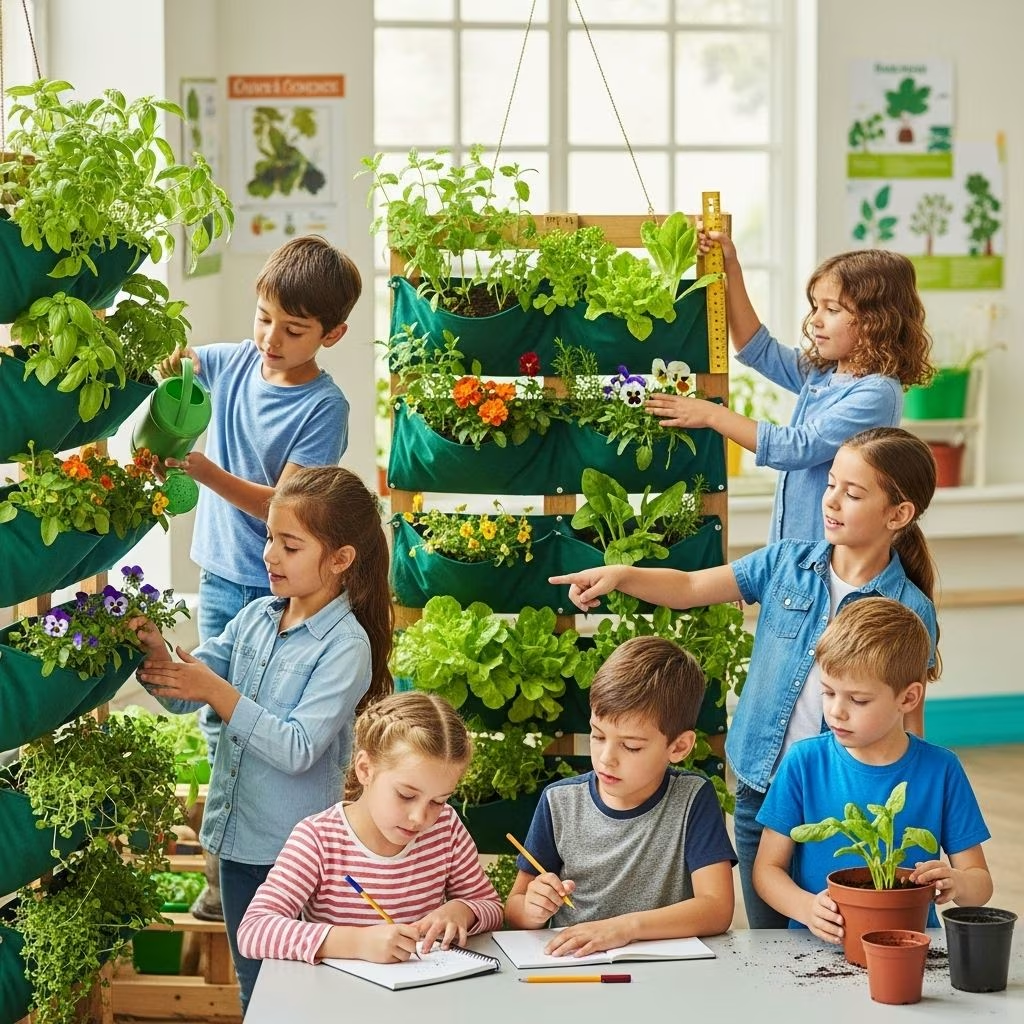
Vertical Garden Project for Kids: Long-Term Activity
Vertical gardens, also known as green walls, are innovative gardening solutions that transform unused vertical spaces into living art and productive food-growing areas. Recently, these gardens have been introduced in educational environments, not just for beautification, but as hands-on, long-term projects for kids. This approach combines experiential learning, sustainability, STEM skills, nutrition education, and creative expression, making it an exceptional activity for students of all ages.
Introduction to Vertical Gardens for Kids
Vertical gardening is the practice of growing plants upward on structures such as walls, fences, or custom frames, using soil, hydroponics, or even aeroponics. This method is especially valuable in schools, community centers, or homes with limited horizontal garden space. For children, vertical gardens offer an accessible, enduring project, enabling them to participate year-round in every step—planning, planting, maintaining, harvesting, and innovating new designs.
- Combats limited space in urban environments, turning walls into green learning zones.
- Makes gardening possible indoors and outdoors, in classrooms, corridors, or schoolyards.
Benefits of Vertical Garden Projects in Educational Settings
Implementing vertical gardens as a long-term activity brings myriad benefits, impacting not only environmental awareness but academic achievement, personal development, and school culture.
| Benefit | Description |
|---|---|
| Hands-on Learning | Kids learn by doing—planting, watering, observing, and problem-solving. |
| Interdisciplinary Education | Connects biology, math, art, social studies, technology, and environmental science seamlessly. |
| Environmental Stewardship | Promotes sustainable practices, resource conservation, and ecological responsibility. |
| Healthy Eating Habits | Encourages trying new vegetables and herbs grown in the garden, often incorporated into school meals. |
| Reduced Carbon Footprint | Cutting “food miles” by producing fresh food on site. |
| Beautification & Wellbeing | Improves air quality and creates tranquil, inviting environments supporting student mental health. |
| Inclusivity & Teamwork | Fosters social skills and collaboration, including students of all abilities and ages. |
- Schools with vertical gardens report increased student attendance—students are motivated by interactive projects.
- Gardening builds patience, responsibility, and pride in accomplishment.
- Integrates sustainability and climate change discussions into everyday lessons.
Planning a Vertical Garden Project: Steps & Considerations
Effective vertical garden projects begin with thoughtful planning. Here are the key steps for educators, parents, or community group leaders to consider:
- Site Selection: Identify suitable walls, fences, or frames with sufficient sunlight or provision for grow lights.
- Space Optimization: Use available space efficiently to maximize plant quantity and diversity. For smaller classrooms, consider modular vertical kits.
- Budget & Resources: Decide between DIY solutions (repurposed materials) and purchasing kits. Factor in initial costs, maintenance supplies, and irrigation needs.
- Safety: Ensure structures are securely mounted and materials are safe for children’s use—no sharp edges or hazardous chemicals.
- Accessibility: Make sure all children, including those with mobility challenges, can reach and work with the garden. Place lower plant rows for smaller kids.
- Scheduling: Plan regular tasks—watering, pruning, harvesting—into weekly routines. Assign rotating teams or responsibilities.
Design Considerations Table
| Consideration | Practical Tip |
|---|---|
| Light | South-facing exposure preferred; supplement with grow lights for indoor walls |
| Irrigation | Drip systems automate watering; self-watering pots for smaller projects |
| Structure | Repurpose pallets, bottles, or use commercial planters for stability |
| Materials | Prioritize recycled, non-toxic materials for sustainability and safety |
Integrating Vertical Gardens into the Curriculum
Vertical garden projects thrive when woven into diverse lesson plans, promoting active learning and real-world connections.
- Science/Biology: Plant life cycles, photosynthesis, water/nutrient cycles, assessment of biodiversity.
- Mathematics: Measuring growth rates, tracking watering schedules, designing optimal garden layout.
- Art: Sketching plant arrangements, garden diaries, creating labels and decorative containers.
- Social Studies: Investigating food systems, sustainability challenges, historical uses of vertical gardening.
- Technology: Building irrigation controls, experimenting with lighting or monitoring systems for growth.
- Nutrition & Health: Connecting harvests to healthy eating, understanding food origins, and building lifelong habits.
Linking garden activities to academic goals sparks curiosity, initiates problem-solving, and empowers children to take ownership of their education and environment.
Long-Term Care and Student Involvement
A vertical garden project is most successful when planned for sustainability over months or years. It provides children with evolving responsibilities and continuous learning opportunities.
- Schedule regular tasks: watering, fertilization, pest observation, pruning, and harvesting.
- Rotate leadership among students—builds teamwork and accountability.
- Document growth and seasonal changes; analyze what works and what to improve for future cycles.
- Encourage students to set goals for yield, aesthetics, or environmental impact.
Long-term projects ensure enduring engagement. As plants change with the seasons, new students can inherit the project, fostering a culture of stewardship and continuity.
Choosing Plants for Vertical Gardens
The right plant choices depend on location, learning objectives, and climate. For educational and ease-of-care benefits, consider these recommended varieties:
- Edible Plants: Cherry tomatoes, lettuce, spinach, herbs (basil, mint, parsley), strawberries.
- Ornamental Plants: Pansies, nasturtiums, marigolds, succulents.
- Native Plants: Local pollinator-friendly species encourage ecological lessons and sustainability.
For indoor settings, select plants adapted to lower light: pothos, ferns, spider plants. For outdoor, consider hardier vegetables and flowers. Always incorporate a mix for visual interest and diversified learning experiences.
Creative Extensions and Collaborative Opportunities
Vertical garden projects foster creative expression and inter-class or community collaboration.
- Design contests for garden layout, planter decoration, or signage.
- Art projects tied to the garden: botanical illustration, photography, or mural painting adjacent to the garden.
- Building DIY irrigation systems or monitoring setups as technology challenges.
- Cooking projects with harvested produce—healthy snacks and meals prepared in class or after-school programs.
Whole-school involvement deepens the impact: older students can mentor younger ones, families can help during weekends, and community volunteers may support annual maintenance or expansion.
The Impact on Health, Wellbeing, and School Community
Vertical gardens create transformative effects on the physical and emotional health of students.
- Improved Air Quality: Plants absorb CO2 and release oxygen, creating a healthier classroom environment, especially vital in urban schools.
- Mental Wellbeing: Studies show green spaces reduce stress, improve focus, and contribute to calmer, more supportive learning.
- Nutrition Awareness: Direct exposure to growing fruits and vegetables encourages healthier dietary choices and lifelong habits.
- Community Engagement: Vertical gardens can bring together students, teachers, parents, and local organizations around a shared goal of sustainability.
Case Studies: Success Stories from Schools
- Discovery High School (New York): Student attendance increased dramatically when vertical gardening became part of the curriculum. Kids were motivated by growing edible plants and participating in the garden’s design and care.
- Urban Elementary School: A simple vertical herb wall provided fresh produce for teaching nutrition and cooking, fostering new healthy habits and pride in student-grown food.
- STEM Lab Integration: Students constructed automated watering systems, learned about the environmental benefits of reduced food miles, and presented results at science fairs.
Frequently Asked Questions (FAQs)
Q: What is the minimum age for kids to join the vertical garden project?
Most children, starting from preschool age, can participate with age-appropriate tasks like watering or planting seedlings. Older children can take on planning, measuring, and maintenance roles.
Q: Can vertical gardens grow vegetables as efficiently as traditional gardens?
Yes, vertical gardens can be highly productive with the right plant selections and care. They also use less space and water, especially when hydroponics or drip irrigation are included.
Q: What happens during school holidays or breaks?
Maintenance can be scheduled with teacher or parent rotation, or holiday programs can use volunteers to care for the garden. Plant choices can be focused on varieties with flexible harvest times to minimize loss.
Q: Are vertical gardens expensive to start?
Costs vary: DIY recycled material designs are budget-friendly, while ready-made kits offer convenience. Many schools source materials through donations, grants, or community partnerships.
Q: How do you address pests or plant disease in a classroom garden?
Regular observation, integrated pest management (using beneficial insects or natural remedies), and classroom lessons on ecosystems keep problems manageable and educational.
Q: What skills do kids gain from vertical gardening long-term?
Children learn teamwork, responsibility, scientific inquiry, technology use, patience, and creative thinking—all valued life and academic skills.
Conclusion: Cultivating Lifelong Learners and Sustainability Advocates
The vertical garden project for kids is more than an innovative solution to space constraints—it is a vibrant, enduring activity that connects science, art, health, and stewardship. Whether at school or home, vertical gardens create a living classroom where children can observe, nurture, and transform their environment year after year. Through thoughtful planning, interdisciplinary integration, and ongoing student engagement, vertical garden projects cultivate not just plants, but responsible, empowered young citizens for a greener future.
References
- https://www.plantseads.com/blogs/all/greening-the-classroom-the-benefits-of-vertical-gardens-in-schools
- https://green.org/2024/01/30/vertical-gardens-in-educational-settings-cultivating-young-minds/
- https://designerplants.com.au/blog/vertical-gardens-schools-beginners/
- https://www.winssolutions.org/vertical-farming-in-schools-can-revolutionize-education-and-sustainability/
- https://www.freightfarms.com/blog/vertical-farm-on-campus
- https://www.ywcanwil.org/gardening-with-children-a-fun-way-to-grow/
- https://www.nacaa.com/file.ashx?id=de22b5ad-4975-4936-8d52-0e2fa14390bf
- http://www.greeneducationfoundation.org/greenthumbchallengesub/395-start-up-kit/get-set-build-your-garden/1087-vertical-gardening.html
- https://www.actionforhealthykids.org/school-gardens-here-we-grow/


