


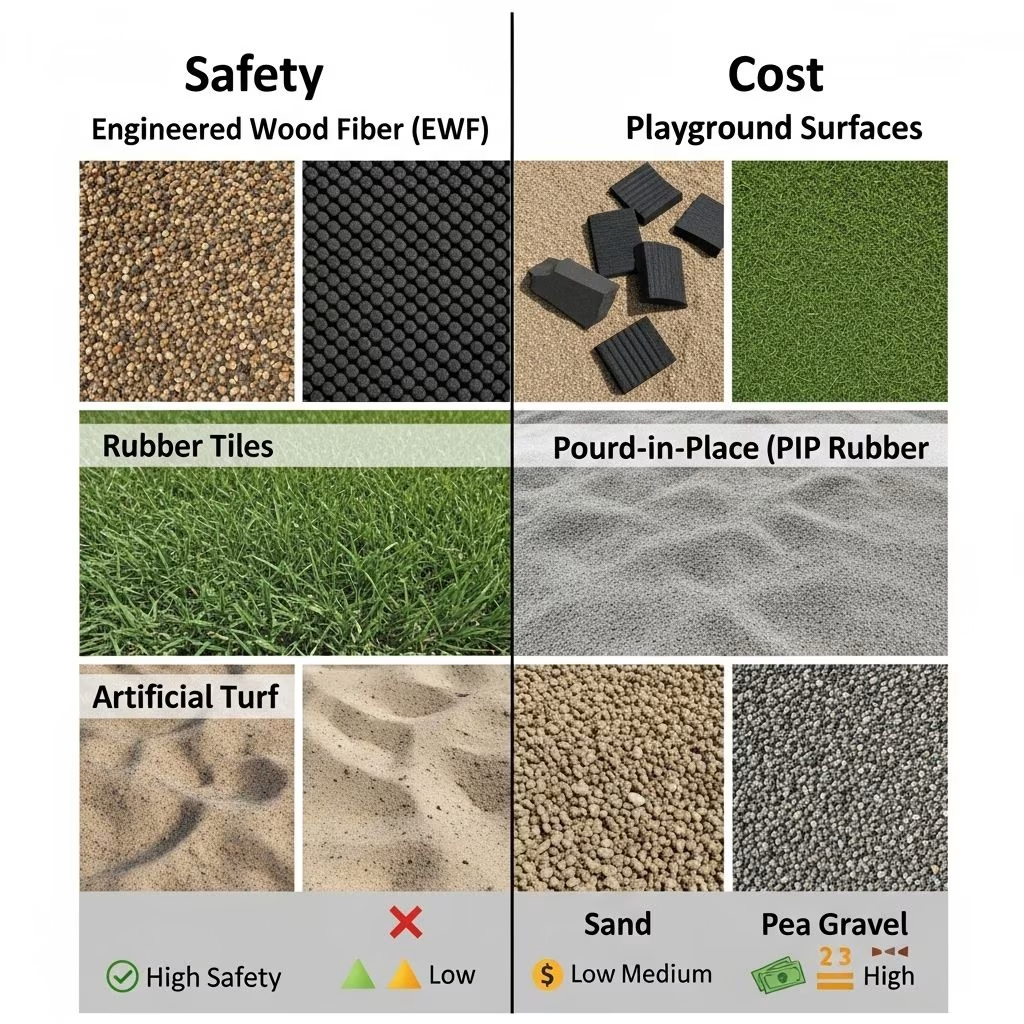
Choosing the right playground surface is a critical decision that impacts safety, accessibility, aesthetics, and long-term budgets. As playgrounds are vital community assets, the surfacing material beneath and around play equipment must cushion falls, accommodate diverse users, comply with regulations, and withstand environmental exposure — all within budgetary constraints. This comprehensive guide compares the most common playground surface materials, analyzing their safety performance, initial and lifecycle costs, accessibility, durability, and maintenance needs.
Why Playground Surface Matters
The surface beneath playground equipment is the first line of defense against falls and injuries. The U.S. Consumer Product Safety Commission reports that as many as 70% of playground injuries are due to falls. Proper surfacing cushions these falls, reducing the risk of serious harm, and must meet regulatory safety standards. In addition to impact attenuation, the right surface supports accessibility for all children, including those using wheelchairs or mobility devices, and plays a role in creating a welcoming, functional space.
Key Factors in Playground Surface Selection
- Safety (Impact Attenuation): Ability to absorb shock and cushion falls, rated for critical fall heights.
- Cost: Both initial installation costs and long-term maintenance expenses.
- Maintenance: Regularity and type of upkeep required (e.g., raking, replenishing, repairs).
- Lifespan and Durability: How long the surface stays safe and useable before replacement is needed.
- Accessibility: Compliance with regulations like the Americans with Disabilities Act (ADA).
- Aesthetics and Environment: Blending with the environment, sustainability, and user appeal.
Comparing Playground Surface Types
There are two primary categories: loose-fill surfaces and unitary (solid) surfaces. Each material offers distinct advantages and challenges in safety, cost, and maintenance.
Loose-Fill Playground Surfaces
- Engineered Wood Fiber (EWF)
- One of the safest and most widely used playground surfaces.
- Affordable and effective at absorbing impacts up to 12 feet if maintained at the correct depth (usually 12 inches).
- Meets ADA accessibility standards if properly installed and maintained.
- Needs regular raking, topping-up, and bi-weekly inspection to remain effective and ADA compliant.
- Initial cost: $1.50–$3.00 per square foot (materials only).
- Lifespan: Typically 3–5 years before significant replenishing or replacement is needed.
- Rubber Mulch
- Made from shredded, recycled rubber tires; provides good impact absorption.
- Decent accessibility and a smoother, more stable surface than wood chips.
- Initial cost: $5–$6 per square foot.
- Requires occasional topping-off; loose particles may scatter.
- Lifespan: 5–10 years.
- Sand and Pea Gravel
- Low upfront cost, but provides less impact absorption and is not ADA compliant.
- Prone to scattering and can conceal harmful debris.
- Require frequent raking and replenishing.
Unitary Playground Surfaces
- Poured-in-Place (PIP) Rubber
- Continuous, seamless rubber surface with high shock absorption and excellent ADA accessibility.
- Very low maintenance compared to loose-fill.
- Initial cost: High, but varies widely based on site and thickness (often $10–$24 per square foot installed).
- Lifespan: 10–15 years.
- Rubber Tiles
- Interlocking rubber tiles, often made with recycled crumb rubber, provide stable, safe, and ADA-accessible surfaces.
- Excellent durability; tiles may cost $20–$45 each depending on thickness and quantity.
- Lifespan: 10–20 years.
- Minimal maintenance; damaged sections can be easily replaced.
- Higher initial cost but often lower lifecycle cost due to longevity and less intensive upkeep.
- Synthetic Turf (Artificial Grass)
- Popular for its natural look; provides good cushioning if installed over shock-absorbing pads.
- ADA accessible; moderate maintenance (infill management, cleaning).
- Initial cost: $15–$23 per square foot.
- Lifespan: 8–12 years.
Playground Surface Comparison Table
| Surface Type | Safety (Impact Absorption) | Maintenance | Initial Cost (per sq ft) | Lifecycle Cost | Accessibility (ADA) | Lifespan |
|---|---|---|---|---|---|---|
| Engineered Wood Fiber | Good | High | $1.5–$3 | Medium–High | Fair (if maintained) | 3–5 years |
| Rubber Mulch | Good | Moderate | $5–$6 | Medium | Good | 5–10 years |
| Poured-in-Place Rubber | Excellent | Low | $10–$24 | Low (with long life) | Excellent | 10–15 years |
| Rubber Tiles | Excellent | Low | $20–$45 per tile | Low (with long life) | Excellent | 10–20 years |
| Synthetic Turf | Good | Moderate | $15–$23 | Medium–High | Good | 8–12 years |
| Sand/Pea Gravel | Low–Medium | High | Low ($1–$2) | High (with frequent topping-up) | Poor | 2–4 years |
Safety Standards and Accessibility
All playground surfaces should comply with established safety standards, such as ASTM F1292 for impact attenuation (“fall protection”) and ADA guidelines for accessibility. Surfaces like EWF and rubber mats can meet both when maintained appropriately. Loose-fill materials often face challenges in meeting ADA requirements, while unitary surfaces (poured rubber, rubber tiles, synthetic turf over pads) offer more reliable accessibility and consistent fall protection.
Initial Cost vs. Lifecycle Cost
Upfront costs often drive playground surface choices, but it’s essential to consider total cost over the life of the play area. Loose-fill materials like engineered wood fiber or sand have low initial cost, but their need for frequent raking, topping-up, and compliance inspections can become labor intensive and costly over time. Unitary surfaces—although far pricier to install—excel in lifespan, durability, and negligible ongoing expenses, meaning their lifecycle cost may ultimately be lower, especially for larger or heavily-used playgrounds.
- Engineered Wood Fiber: Lowest upfront cost, higher recurring maintenance and replenishment costs.
- Poured Rubber, Rubber Tiles: High initial outlay, minimal maintenance; excellent return on investment for high-traffic areas.
- Synthetic Turf: High initial and moderate maintenance costs; may require infill replacement and cleaning.
Maintenance Demands and Longevity
Maintenance is essential to keep surfaces safe and compliant:
- Loose-fill (EWF, sand, gravel, rubber mulch): Requires regular raking, debris removal, and topping-off. Depth must be monitored to ensure ongoing fall protection. May conceal foreign objects and pose hygiene concerns.
- Unitary (tiles, poured-in-place, turf): Requires far less frequent maintenance, mainly cleaning and spot repairs. Durable in all weather conditions and offers a consistently safe, accessible surface.
Lifespan is a pivotal factor. While EWF may need replacement in as few as 3–5 years, rubber tiles and poured surfaces can last a decade or more before significant repairs are necessary.
Environmental and Aesthetic Considerations
Material choice also affects environmental sustainability, local aesthetics, and user comfort:
- Recycled Rubber: Uses post-consumer materials such as tires, diverting waste from landfills; can become quite hot in full sun.
- Engineered Wood Fiber: All-natural and biodegradable; must be sourced responsibly to avoid deforestation concerns.
- Synthetic Turf: Offers a realistic grass-like effect; can provide a cooler play surface than some rubber options but may heat up in direct sunlight and sometimes uses plastic infills.
Frequently Asked Questions
Q: What is the safest playground surface for fall protection?
A: Engineered wood fiber, poured-in-place rubber, and rubber tiles all provide excellent impact attenuation when installed and maintained correctly. Unitary surfaces are more consistent for safety over time than loose-fill surfaces.
Q: Which playground surface is best for accessibility?
A: Unitary surfaces like poured-in-place rubber, interlocking rubber tiles, and some synthetic turf systems offer the best ADA-compliant options, ensuring children with mobility devices can safely use the space.
Q: Are cheaper playground surfaces more cost-effective?
A: Although loose-fill surfacing materials like wood fiber, sand, or pea gravel have lower upfront costs, their higher maintenance and shorter lifespan often make them more expensive over the long term, especially for busy playgrounds.
Q: How often must loose-fill playground surfaces be maintained?
A: Loose-fill surfaces require bi-weekly inspection, raking, debris removal, and periodic top-ups to maintain the required depth and compliance with safety standards.
Q: What about environmental impacts?
A: Many rubber surfaces use recycled tires, helping reduce landfill waste, while engineered wood fiber is biodegradable and generally considered environmentally friendly if sustainably harvested.
Conclusion
There is no singular ‘perfect’ playground surfacing option. Engineered wood fiber is highly effective and economical for many public playgrounds, as long as regular maintenance is feasible. Poured-in-place rubber and rubber tiles provide superior safety, accessibility, and the lowest maintenance demands, often justifying their higher initial cost with outstanding durability. Synthetic turf offers aesthetic appeal and good performance but at a premium price. Ultimately, the best choice considers all key factors: safety, cost over time, community needs, accessibility, and environmental impact. Selecting the ideal surface is an investment in health, safety, and inclusive play for every child.
References
- https://zeager.com/safest-playground-surfaces/
- https://rubbercal.com/playground-surfacing-cost
- https://www.robertsonsurfaces.com/blog/playground-surface-price-comparison
- https://www.playlsi.com/en/commercial-playground-equipment/play-surfacing/playground-surfacing-costs/
- https://replaysurfacing.com/non-toxic-playground-tiles/
- https://adventureturf.com/article/comparison-of-common-playgroundsurfaces/
- https://www.lmc.org/news-publications/publications/city-spot/playground-safety/
- https://playquest.ca/playgrounds/safety-surface-comparison/
- https://www.xgrass.com/material-comparison.html
- https://www.greatmats.com/playground-surface.php


