


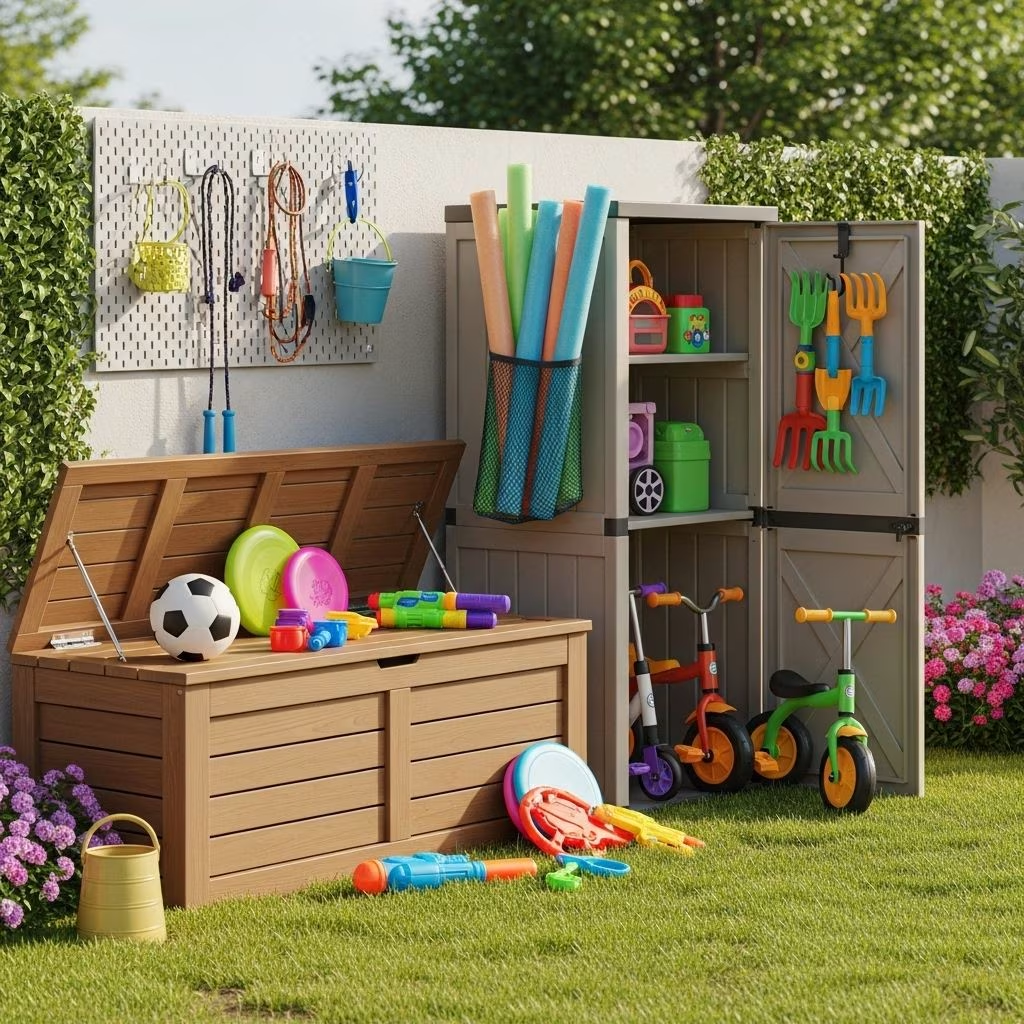
Whether you have energetic toddlers, budding athletes, or creative explorers, outdoor toys can easily overwhelm your backyard if not properly organized. From sports balls and gardening tools to bubble wands and pool inflatables, the right storage strategy brings order, safety, and renewed enjoyment to your outdoor spaces. This guide provides extensive tips, DIY solutions, product recommendations, and essential maintenance advice to help you achieve a tidy backyard tailored for play, relaxation, and fun.
Why Organize Outdoor Toys?
Organizing outdoor toys isn’t just about aesthetics; it directly impacts the usability, longevity, and safety of everything in your outdoor play area. When toys are left scattered, they can cause unnecessary clutter, tripping hazards, and weather-related damage. Proper storage keeps toys accessible, ensures they last longer, and makes clean-up quick and easy for both adults and children.
- Reduces Clutter: Creates a calm, inviting space for play and relaxation.
- Ensures Safety: Prevents accidents and avoids mishaps such as stepping on small toys or sports equipment.
- Prolongs Toy Lifespan: Protects toys from the elements, wear, and tear.
- Promotes Independence: Helps children learn responsibility and participate in clean-up routines.
Getting Started: Assess and Declutter
Before diving into storage solutions, start by evaluating what you have. It’s easy for outdoor toys to accumulate, especially as children grow and interests shift. Dedicate time to a seasonal review of all backyard toys and equipment.
- Sort and Categorize:
- Group toys by type—sports, water, digging, creative, etc.
- Identify damaged, broken, or outgrown items to discard or donate.
- Declutter Regularly:
- Remove unused or duplicate items.
- Assess seasonal usage—store off-season toys elsewhere.
- Clean Before Storing:
- Wipe down plastic toys; wash and dry stuffed or fabric items.
- Allow toys to dry thoroughly to prevent mold and mildew.
Top Storage Solutions and Strategies
Discover storage methods that suit your space, budget, and needs—from repurposed containers to tailored systems. The goal is to keep toys accessible, organized, clean, and safe.
Milk Crates on the Fence
Mounting milk crates on your backyard fence creates an elevated, visible storage system that separates toys by category (pipes, buckets, tools, etc.). This approach keeps items off the ground, reduces dirt, and makes toys easy to grab and put away. Use sturdy hooks for secure attachment.
Materials Needed: Milk crates, hooks, a 2 x 4 board, drill.
- Designate a crate per toy type for easy sorting.
- Install at kid-friendly heights for independent use and cleanup.
Rolling Carts
A rolling cart stored in your garage or shed can be stocked with favorites for playtime and easily moved outdoors. The open design lets kids see everything inside—eliminating ‘search and dig’ frustration.
Use small bins inside the cart for organizing loose items such as bubbles, chalk, and reusable water balloons.
Extra hooks hold bats or jump ropes.
- Choose carts with durable wheels suitable for outdoor terrain.
- Label compartments for different categories of toys.
Outdoor Shelves
An outdoor shelving unit keeps toys visible and neatly contained. Plastic bins on shelves help divide squirt bottles, paints, water toys, and more. Open shelving fosters quick cleanup and easy access for kids.
- Opt for weatherproof shelves to withstand sunlight and rain.
- Place shelves in a shaded area or under a canopy for extra protection.
Laundry Baskets
Affordable, see-through laundry baskets make excellent toy containers—especially for bulkier items like balls, ‘mud kitchen’ tools, and various small accessories. The open sides allow toys to air out and dry between uses.
- Use multiple baskets to separate types of toys.
- Stack easily when not in use; lightweight for kids to carry.
Storage Benches and Deck Boxes
| Storage Solution | Advantages | Best Use |
|---|---|---|
| Deck Box (Plastic/Wood) | Weatherproof, lockable, high capacity | Storing large toys, sports gear, pool items |
| Storage Bench (with lid) | Doubles as seating, hinged top, attractive | Small toys, balls, safety gear |
| Wire Bin | Easy to see contents, good airflow | Chalks, balls, gardening tools |
| Hanging Basket | Accessible for kids, portable | Darts, Nerf bullets, bubbles |
- Choose storage benches with weather-resistant materials and easy-open lids.
- Deck boxes provide ample space for bulkier outdoor items and protect toys during off-seasons.
Slat Wall Systems
A slat wall installed in your garage or shed maximizes vertical space, using hooks, baskets, and bins for tailored storage. Ideal for bikes, sports equipment, gardening tools, and seasonal gear. As your child’s interests grow, simply reconfigure hooks and containers.
- Label attachments for clarity.
- Use varied hook sizes for balls, helmets, rackets, and scooters.
Cabinet Storage
Closed cabinets with labeled bins keep outdoor toys organized and out of sight, reducing visual clutter. Functional for garages, sheds, or covered patios. Use door hangers or bins inside cabinet doors to maximize space for flatter items like Frisbees or kites.
- Label shelves and bins for quick clean-up.
- Use stackable containers inside cabinets.
Creative DIY Projects for Toy Storage
Optimize your backyard with inventive, budget-friendly storage projects that you can tailor to your space.
- DIY Outdoor Toy Box: Build a custom toy box with weatherproof wood and a hinged lid for large toys and sports equipment. Paint in bright colors for added appeal.
- Kid’s Garage: Designate a small shed or section of your garage as a ‘kid’s garage’ with low shelves, hooks, and bins sized for kids to use independently.
- Nerf Gun Rack: Assemble a wall-mounted rack with hooks and baskets for Nerf guns, darts, and accessories. Make clean-up simpler with open baskets for loose parts.
- Pallet Rack: Repurpose a sturdy pallet with added hooks and shelves for storing balls, garden tools, and buckets.
Category-Based Toy Organization
Assign dedicated zones for each type of outdoor toy. Storing by category not only keeps things tidy, but also encourages kids to play more intentionally and clean up responsibly.
- Sports Equipment: Use wire balls bins, wall racks for bats and rackets, and helmet hooks.
- Water Toys & Pool Inflatables: Store in mesh bins or waterproof deck boxes, ensuring toys are dry before packing away.
- Mud Kitchen & Sensory Play: Laundry baskets for bowls, funnels, and cups, plus separate bins for seasonal supplies (e.g., sand toys in summer).
- Creative Play & Crafts: Plastic bins for chalk, paint, and water guns, stored on open shelves or in a rolling cart.
- Ride-On Toys and Bikes: Hang on dedicated hooks or store in a low ‘kid’s garage’ shelf for easy access.
Seasonal Storage and Maintenance Tips
Outdoor toys are exposed to the elements. Plan for ongoing care and seasonal storage swaps to keep toys safe, clean, and ready for play all year round.
- Spring/Summer:
- Regularly inspect toys for damage and mold.
- Wash plastic toys and dry thoroughly before returning to bins.
- Rotate water toys frequently and air out containers to prevent mildew.
- Fall/Winter:
- Store summer toys inside the garage/shed or in weatherproof deck boxes.
- Check for cracks caused by cold temperatures; discard damaged items.
- Bring fabric-based toys indoors to prevent moisture damage.
Label all bins and racks to make seasonal swaps easier for both parents and children.
Encouraging Kids to Stay Tidy
Sustainable tidiness starts with habits and routines. Make it easy and fun for kids to participate in organizing their toys:
- Use picture labels or color-coding for bins—ideal for younger children.
- Assign specific zones for each child’s toys for easier accountability.
- Set daily or weekly cleanup times and turn it into a game or challenge.
- Praise and reward consistent clean-up participation.
Storage solutions at child height encourage independence, allowing kids to easily put away and retrieve toys.
Safety Tips for Outdoor Toy Storage
Ensuring toy safety doesn’t end with purchase; ongoing storage and inspection are essential. Follow these guidelines for safe play environments:
- Secure heavy deck boxes and shelves to prevent tipping.
- Store sharp or electrical toys out of reach or in locked cabinets.
- Check bins and boxes for standing water to avoid mosquitoes and mold.
- Inspect outdoor storage regularly for signs of pests or damage.
- Use weatherproof containers to protect toys and prevent injuries from broken/worn materials.
Frequently Asked Questions (FAQs)
Q: What is the best storage solution for small backyards?
A: Wall-mounted options and vertical shelving maximize limited space, keeping toys off the ground. Rolling carts and stackable bins are also excellent for compact areas, allowing you to move toys as needed, and store them efficiently.
Q: How do I make outdoor toy storage kid-friendly?
A: Prioritize open bins, clear containers, and storage solutions at child height. Picture labels or color-coded bins help children identify where each toy belongs, fostering independence.
Q: What can I do about mold and mildew in outdoor toys?
A: Choose storage containers with airflow, such as wire benches or laundry baskets, and dry toys thoroughly before storing. Frequently clean and inspect for moisture, especially after rain or water play.
Q: How do I keep outdoor toys safe from weather?
A: Use weatherproof deck boxes, cabinets, and covered shelves. Store soft and electrical toys indoors during harsh seasons, and protect all items with tarps or canopies if needed.
Q: How often should I declutter outdoor toys?
A: Perform a quick check every few months, with deep decluttering at the end of each season. Donate, discard, or rotate outgrown or unused toys to keep storage manageable.
Conclusion
Organizing and storing outdoor toys is a transformative step toward a safer, tidier, and more enjoyable backyard. The best storage systems cater to your family’s needs, foster independence in children, and adapt easily as interests evolve. Start with decluttering, then implement a mix of DIY projects and ready-made solutions to keep your play space ready for every adventure. With these practical tips, your backyard can become an inviting, well-managed zone for fun and creativity year-round.


