


Introduction
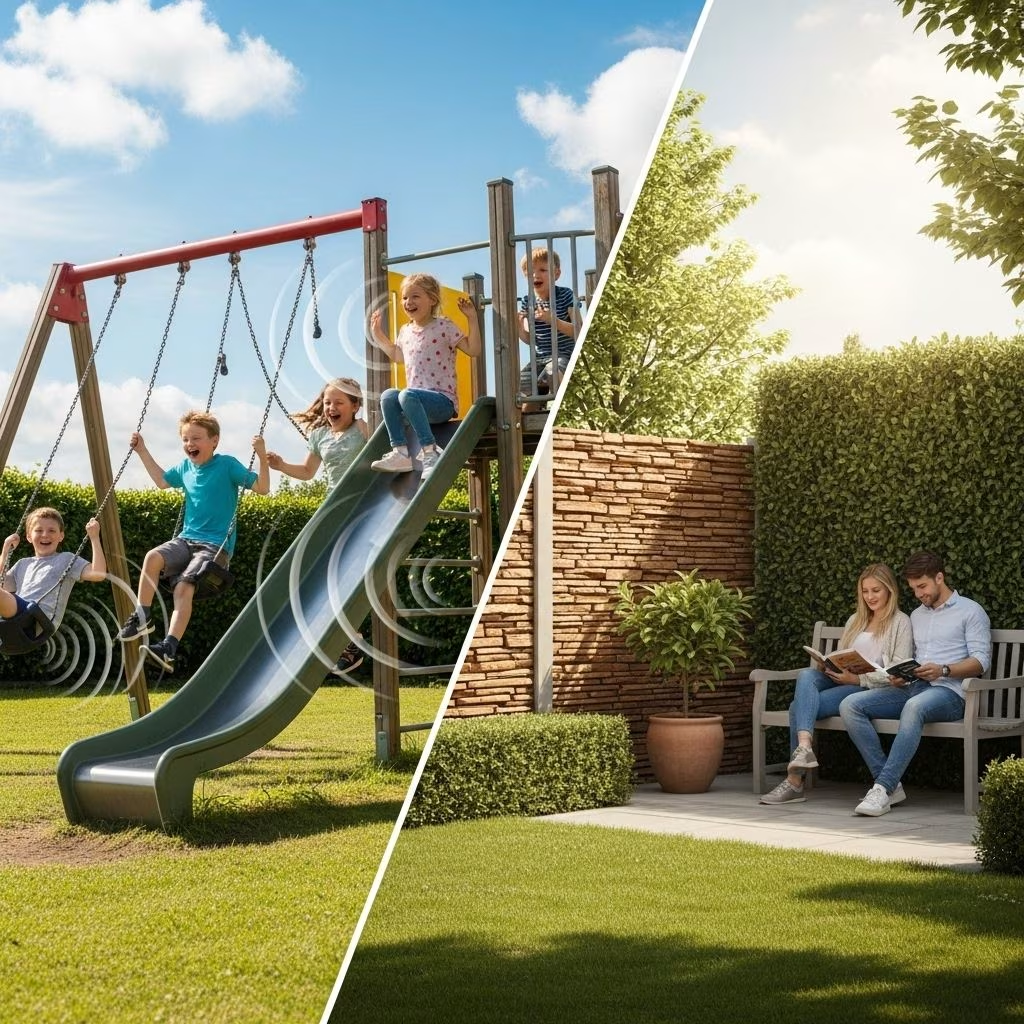
Children’s outdoor play is essential for their physical, emotional, and social development. Yet, in densely populated residential neighborhoods, the enthusiastic sounds of play sometimes lead to tension between families, neighbors, and the broader community. Loud play, laughter, yelling, and bouncing balls are common, especially during warm months, prompting some residents to seek solutions for peace and quiet during their working hours or leisure time. This article explores the complexities of loud outdoor kids play complaints, offering practical strategies for all parties involved to address, troubleshoot, and resolve these concerns respectfully and effectively.
Understanding the Issue
Outdoor play naturally involves noise. Children express excitement vocally and physically, and group activities like soccer, basketball, or tag can amplify the sound levels. While many residents appreciate the vibrancy children bring to a neighborhood, excessive or relentless noise—especially at certain times—can become disruptive to others, particularly those working from home, vulnerable populations such as shift workers, or individuals sensitive to environmental sounds. The challenge lies in distinguishing between normal play and problematic noise, and in finding solutions that uphold the rights and wellbeing of both children and other residents.
Key Insights
- Normal play noise is expected, but sustained screaming or loud shouting can be viewed as excessive.
- Noise sensitivity varies—what one person finds disruptive, another sees as background ambiance or a sign of a thriving community.
- Seasonal changes, such as summer holidays, can see a marked increase in outdoor play and associated noise.
Legal and Social Framework
Most municipalities have noise ordinances regulating sound levels by time of day and type of activity. These ordinances often include exceptions for children’s daytime play, reflecting the social value placed on children’s recreation. However, complaints may still be filed if the noise is deemed to exceed reasonable community standards.
Local policies generally aim to mediate rather than penalize, balancing the rights of children to play and the rights of neighbors to quiet enjoyment. Knowing local regulations and understanding their application is vital for both concerned residents and parents.
Sample Noise Ordinances Table
| Area | Daytime Permitted Noise | Children’s Play Exceptions | Complaint Procedures |
|---|---|---|---|
| City/Suburban | 7am – 10pm: 55–65 dB | Generally permitted (exceptions for extreme cases) | Contact city office, mediation encouraged |
| Rural | Anytime: 40–55 dB | Varies, usually tolerant | Direct neighborly discussion first |
| Condo/HOA | 8am – 9pm: 50–60 dB | Subject to condo board discretion | Submit written complaint, possible hearing |
Common Reasons for Complaints
- Consistent, high-volume yelling, screaming, or loud games over extended periods
- Bouncing balls, banging objects, and use of musical toys
- Large groups of children gathering at one property or in shared areas
- Play during early morning or late evening hours
- Noise interfering with remote work, sleep schedules, or relaxation time
- Inadequate parental supervision for noisy behavior
Recognizing these patterns can help parents, neighbors, and communities identify when negotiations or interventions are necessary, and promote understanding of each party’s perspective.
Communication Strategies for Peaceful Resolution
Effective, respectful communication is the cornerstone of problem-solving around loud outdoor kids play complaints. Misunderstandings and tension often arise from unspoken frustrations or abrupt confrontations. The following strategies facilitate constructive dialogue:
- Address the issue early and directly, before frustration escalates
- Use “I” statements to express personal impact (e.g., “I struggle to concentrate during loud games”)
- Avoid accusatory language; emphasize shared community interests
- Offer solutions, such as scheduled quiet times, without demanding silence
- Be open to compromise and acknowledge the importance of children’s play
- If nerves are raw, consider written communication or mediation through a neutral third party
For example, one resident wrote: “Could we arrange an hour of daily calm outdoor play and keep it scheduled?” Others suggested parents coordinate with neighbors before hosting large group games or noisy activities.
Practical Coping Methods for Neighbors
When direct intervention is not feasible or appropriate, neighbors can employ personal coping strategies to manage noise:
- Use noise-cancelling headphones or ear plugs while working or resting
- Play music, white noise, or ambient sound through speakers or headphones
- Adjust daily routines around prime children’s play hours, working remotely from libraries or coffee shops
- Install sound-dampening measures such as thicker curtains, rugs, or window treatments
- Practice mindful acceptance—reframing noise as signs of life and community vitality
These approaches can significantly reduce stress and annoyance, especially during limited periods of high activity.
Guidance for Parents of Playing Children
Parents play a crucial role in fostering respectful play and neighborhood harmony. While it is natural for children to make noise, teaching them boundaries and awareness can make a significant difference.
- Remind children to avoid screaming or excessive shouting during play
- Supervise outdoor activities, particularly when large groups gather
- Encourage the use of designated playgrounds or parks for high-energy games
- Compensate with quiet indoor activities during times neighbors need quiet (e.g., work calls, nap times)
- Model empathy by discussing noise sensitivity and being considerate of others
- Respond positively to complaints, avoiding defensiveness or confrontation
A balanced approach ensures children enjoy healthy play while neighbors feel respected and included in solutions.
Balancing Rights: Kids, Neighbors, and Community Well-being
Neighborhoods thrive on mutual respect and understanding. While children have the right to play and develop, neighbors are entitled to peace and relaxation. The challenge is balancing these rights in ways that foster community and minimize conflict.
- Recognize the long-term value of outdoor play for children’s development
- Build community consensus around acceptable noise zones and times
- Encourage shared responsibility, with parents, children, and residents actively participating in solutions
- Promote positive social engagement rather than punitive measures
By cultivating empathy and open dialogue, communities can avoid escalation and foster neighborly bonds.
Mitigation Techniques: Combining Efforts
- Schedule quiet hours, typically during early mornings, late evenings, or stated work-from-home times
- Encourage use of community spaces (parks, playgrounds) for noisy group play
- Limit the number of children gathering in small private yards at once
- Rotate play locations among different homes to soften the impact on any one neighbor
- Invest in soft-surface landscaping and fencing to absorb sound
- Parents and neighbors jointly plan seasonal activities, flagging potential noise concerns ahead of time
While not every method will suit all neighborhoods, the principle of shared responsibility underpins successful mitigation.
Noise Reducing Solutions for Homes
- Install soundproof windows or add layers to existing window panes
- Hang heavy drapes or use acoustic panels
- Plant thick shrubbery along property lines to absorb sound
- Use white noise machines indoors; websites like simplynoise.com can help
- Construct privacy fences or living walls for both sound and privacy
Investing in physical modifications to the home environment can bring long-term relief from outside noise without requiring direct confrontation.
The Role of Local Authorities and Mediation
If negotiations stall or noise continues despite repeated, reasonable requests, residents may seek support from local authorities. This typically involves:
- Obtaining a copy of local noise ordinances
- Documenting instances of excessive noise, detailing time, duration, and impact
- Filing formal complaints only after direct communication and mediation attempts
- Participating in community mediation, where neutral parties facilitate solutions
It is important to recognize that authorities may be reluctant to penalize daytime children’s play unless it is truly extreme. Legal avenues should be a last resort after all reasonable dialogue and coping methods have been attempted.
Frequently Asked Questions (FAQs)
Q: Is it legal for kids to play loudly outdoors during the day?
A: In most localities, daytime children’s play is considered socially acceptable and legally permitted. Exceptions may exist for extreme, persistent noise disrupting neighborhood peace. Always consult local noise ordinances for specifics.
Q: How should I approach my neighbors about loud play?
A: Communicate calmly and respectfully. Express your concerns thoughtfully, suggest possible solutions, and be open to compromise. Avoid accusations, and focus on community-wide interests.
Q: What if talking to parents doesn’t help?
A: Consider soundproofing your home, adjusting your routines, or using personal coping strategies. If necessary, escalate to mediation or seek help from local authorities, but only after all personal approaches have failed.
Q: Shouldn’t children be encouraged to play outside?
A: Yes. Outdoor play supports healthy development. Solutions should seek to balance children’s rights with community comfort, prioritizing socially constructive compromise over punitive measures.
Q: Are there physical changes I can make to my property to help?
A: Yes. Soundproofing, dense shrubbery, heavy drapes, and privacy fencing can substantially reduce noise intrusion.
Conclusion
Addressing loud outdoor kids play complaints requires consideration, empathy, and active participation by all parties. Rather than striving for perfect silence, neighborhoods benefit most from negotiated solutions that respect both children’s need for joyful, active engagement and neighbors’ desire for peace. By communicating clearly, employing practical coping strategies, consulting local authorities only as needed, and making modest modifications to home environments, communities can thrive with mutual understanding and minimal conflict.


