


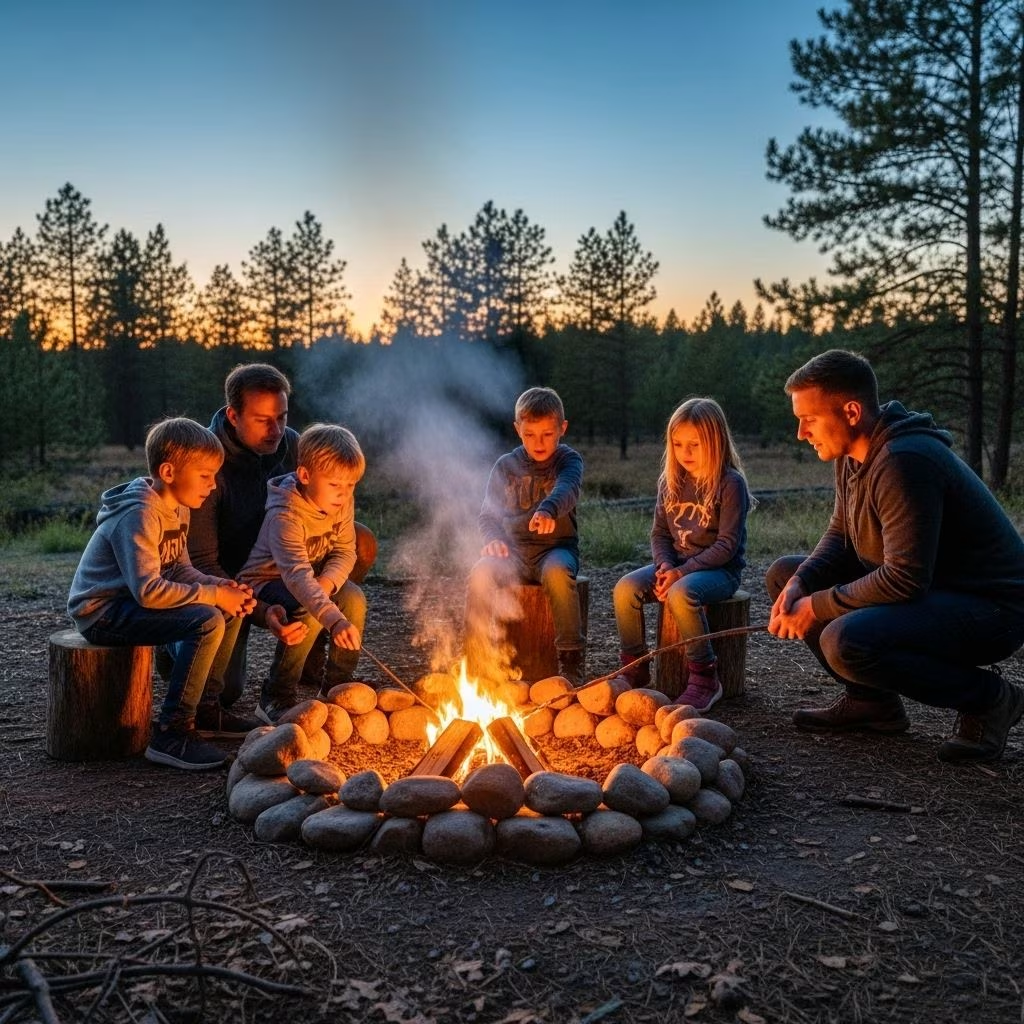
Creating memories around a crackling campfire is a highlight of outdoor family adventures. Introducing children to fire-building not only teaches them essential safety and outdoor skills but also instills respect, responsibility, and teamwork. To foster this experience positively and safely, it is crucial to carefully design and build a campfire pit that protects children while offering meaningful learning opportunities.
Why Campfire Safety for Kids Matters
Fires, even when attentive adults are present, carry inherent risks. Young children may not comprehend the dangers of heat, flames, or smoke. An ill-placed or poorly supervised campfire can lead to burns, property damage, or worse. By constructing a campfire pit specifically designed with children’s safety in mind—and by involving them in the process under close supervision—you reduce risks while empowering children with valuable life skills.
The process can also open up teaching moments about nature, responsibility, and teamwork, enriching outdoor play and learning experiences.
Planning and Preparation
Building a safe campfire pit for kids is not just about digging a hole and stacking some wood. Preparation ensures that the fire remains controlled and that children are kept at a safe distance from flames and hot surfaces. Here are the essential planning steps:
- Check local fire restrictions: Always confirm with local authorities or the park you’re visiting whether open flames or campfires are permitted. Fire bans are especially common during dry seasons.
- Choose a suitable area: An open, flat space away from flammable structures, trees, or overhanging branches is ideal.
- Gather all necessary tools and materials before starting. This reduces the risk of leaving children or the fire unattended.
- Discuss rules and responsibilities with kids prior to any fire-related activity.
Choosing the Right Location
Location selection is one of the most important safety decisions you’ll make. A well-chosen site minimizes fire spread risk and accidental burns. Use the following checklist to help:
- At least 10 feet away from tents, shrubs, trees, fences, buildings, or any flammable materials.
- Free of overhead limbs where sparks could ignite leaves.
- On flat, stable ground—never on a slope.
- Clear a safety perimeter of bare earth at least three to six feet around your fire location.
- Choose a spot sheltered from the wind if possible.
Gathering Materials and Tools
A child-friendly, small campfire pit requires the right combination of durable materials, safety equipment, and fire-building supplies. Organize everything before you start:
- Pit Structure Materials:
- Fireproof bricks or large, dry rocks (make a ring to contain embers)
- Coarse sand or gravel (optional base for drainage and tamping down sparks)
- Tools:
- Shovel (for digging and extinguishing fire)
- Bucket of water (for emergency and dousing fire)
- Work gloves for adults (for handling rocks and tools)
- Fire poker or stick (for fire tending, handled only by adults or under close supervision)
- Fire-building Supplies:
- Tinder (dry grass, pine needles, shredded bark, newspaper)
- Kindling (small twigs or pencil-width sticks)
- Fuel logs (larger pieces of dry wood, no wider than a child’s forearm for ease of handling)
- Matches or a long-handled lighter (kept by adults until ready to ignite)
- Safety and Comfort:
- Safety perimeter (stones, logs, or landscape blocks at least three feet from the pit)
- Kid-sized chairs, benches, or logs for a seating ring set at a safe distance
- First-aid kit on hand
Step-by-Step Guide: Building a Safe Campfire Pit for Kids
Follow this methodical guide to ensure a strong, safe foundation and reliable fire containment:
- Plan and Check Restrictions
- Verify that campfires are permitted, and obtain any necessary permits.
- Explain fire safety and rules to children before building begins.
- Clear the Area
- Remove all leaves, twigs, and flammable debris in a radius of at least 10 feet.
- Dig down several inches to reach bare soil if the ground is grassy or leaf-covered.
- Mark a Fire Ring
- Create a visible circle with rocks or fireproof bricks—3 to 4 feet in diameter. Insert safety barrier stones beyond this ring (3-6 feet out), if desired.
- Press sand or gravel into the inside base for extra safety and spark reduction.
- Set Up Seating and Tools
- Arrange chairs or stumps well back from the ring.
- Place your water bucket and shovel nearby—never further than arm’s reach.
- Assign roles to children: gathering tinder, kindling, or observing safely at a distance.
- Demonstrate and Supervise Fire Building
- With children observing at a safe distance, construct the fire bed:
- Lay a small bundle of tinder in the center.
- Stack kindling over the tinder in a teepee or log cabin formation.
- Place a few small fuel logs on top or to the side, ready to be added once the fire grows.
- Ignite and Manage the Fire
- Only adults or closely supervised older children should light the fire using a match or long-handled lighter.
- Keep kids seated and at least three feet away from the fire ring at all times.
- Once the fire is established, keep it small and manageable—no higher than knee level for kids.
- Maintain a calm, quiet environment around the fire area. Running and horseplay are strictly prohibited.
- Extinguishing the Fire
- When finished, pour water over the embers while stirring with a shovel until everything is cold to the touch.
- Never walk away from hot embers—verify with the back of your hand that all heat has dissipated before leaving the area.
Teaching Fire Safety and Responsibility
Building a campfire is an opportunity to instill lifelong safety habits and a sense of outdoor ethics. Key topics to teach include:
- Fire needs supervision: An adult must be present any time the fire is burning. No exceptions.
- Personal boundaries: Establish a clear ‘no-entry’ line around the fire (ideally three feet or more).
- No running or rough play near the campfire.
- Stop, Drop, and Roll: Review basic burn first-aid with all kids.
- Respect for nature: Teach children to use only designated firewood—never cut live trees or shrubs.
- Leave No Trace: Always clean up the site, and re-cover unused fire pits with soil if in a natural area.
Illustrative Table: Types of Firewood and Their Uses
| Firewood Type | Description | Best Use |
|---|---|---|
| Tinder | Dry grass, leaves, pine needles, shredded paper | Easy ignition; used to start the fire |
| Kindling | Small sticks, pencil-thick twigs | Catches fire from tinder and helps ignite larger logs |
| Fuel Wood | Larger branches, dry split logs | Keeps fire burning steadily once established |
Educational and Fun Campfire Activities for Kids
Making the fire-building process fun and engaging, while emphasizing safety, will help kids remember what they learn and look forward to their next trip outdoors. Here are a few family-friendly activities:
- Assign campfire jobs—Tinder Collector, Kindling Finder, Fire Lookout, Water Carrier (rotate roles so each child learns every step).
- Practice firebuilding patterns: Build a teepee, log cabin, or star-shaped fire structure with no ignition, allowing children to practice safely.
- Storytelling time: Encourage children to share stories, facts about fire safety, or sing songs while sitting around the fire.
- Cooking lessons: Toast marshmallows or make ‘campfire cones’ with direct involvement only after reviewing safe roasting stick handling and fire proximity rules.
- Environmental talks: Connect fire use to outdoor stewardship, discussing how fires can help and harm natural spaces.
Common Hazards to Avoid
Even a small campfire can become dangerous if basic precautions are ignored. Avoid these common hazards:
- Building fires in windy weather, which can cause embers to spread.
- Using treated or painted wood—releases toxic fumes.
- Burning plastics, wrappers, or food waste—produces unhealthy smoke and can cause explosive pops.
- Leaving fire or embers unattended.
- Allowing loose clothing or hair near the fire.
- Using accelerants (like lighter fluid or gasoline)—these should always be avoided, as they can lead to uncontrollable flare-ups.
Frequently Asked Questions (FAQs)
Q: What’s the safest type of fire pit to build around children?
A: A small, shallow pit surrounded by large rocks or bricks is safest. Avoid raised metal fire rings, as kids can stumble and burn themselves. Always establish a safety perimeter and use a ring of non-combustible material.
Q: At what age can kids help build a campfire?
A: Children as young as four or five can assist with tasks like gathering tinder and kindling under close supervision. Only older children (8+) should handle matches, and even then, only under direct adult oversight.
Q: How do I keep my campfire pit safe year-round?
A: Regularly inspect and clean the fire pit area, removing debris, weeds, or accumulated ash. Never leave flammable materials within the fire’s safety perimeter—even when not in use.
Q: What should I do if someone gets burned?
A: Immediately move the person away from the fire. Cool the burn under running water for at least 10 minutes. Never use butter or ointments. Cover the burn with a clean, non-fluffy cloth, and seek medical attention for anything more severe than a minor burn.
Q: How can I ensure the fire is fully out before leaving?
A: Douse the whole fire area with water, stir the ashes with a shovel, and repeat until everything is cold to the touch. There should be no warmth or visible smoke left before you walk away.
Conclusion
Building and enjoying a safe campfire with children is a rewarding family experience when guided by a commitment to safety and education. Careful planning, vigilant supervision, and interactive learning make campfire building an enduring, positive memory and a foundational outdoor skill for children. By following these steps and reinforcing safety habits at every turn, you help your kids embrace adventure responsibly, fostering lifelong respect for nature, fire, and each other.
References
- https://www.youtube.com/watch?v=n1IZSd4dly0
- https://runwildmychild.com/building-fires-kids/
- https://summit4x4company.com/how-to-build-a-campfire-and-teach-your-kids-to-do-it-safely/
- https://rhythmsofplay.com/10-tips-for-a-safe-bonfire-with-kids/
- https://ssfirepits.com/how-to-design-a-family-friendly-fire-pit/


