


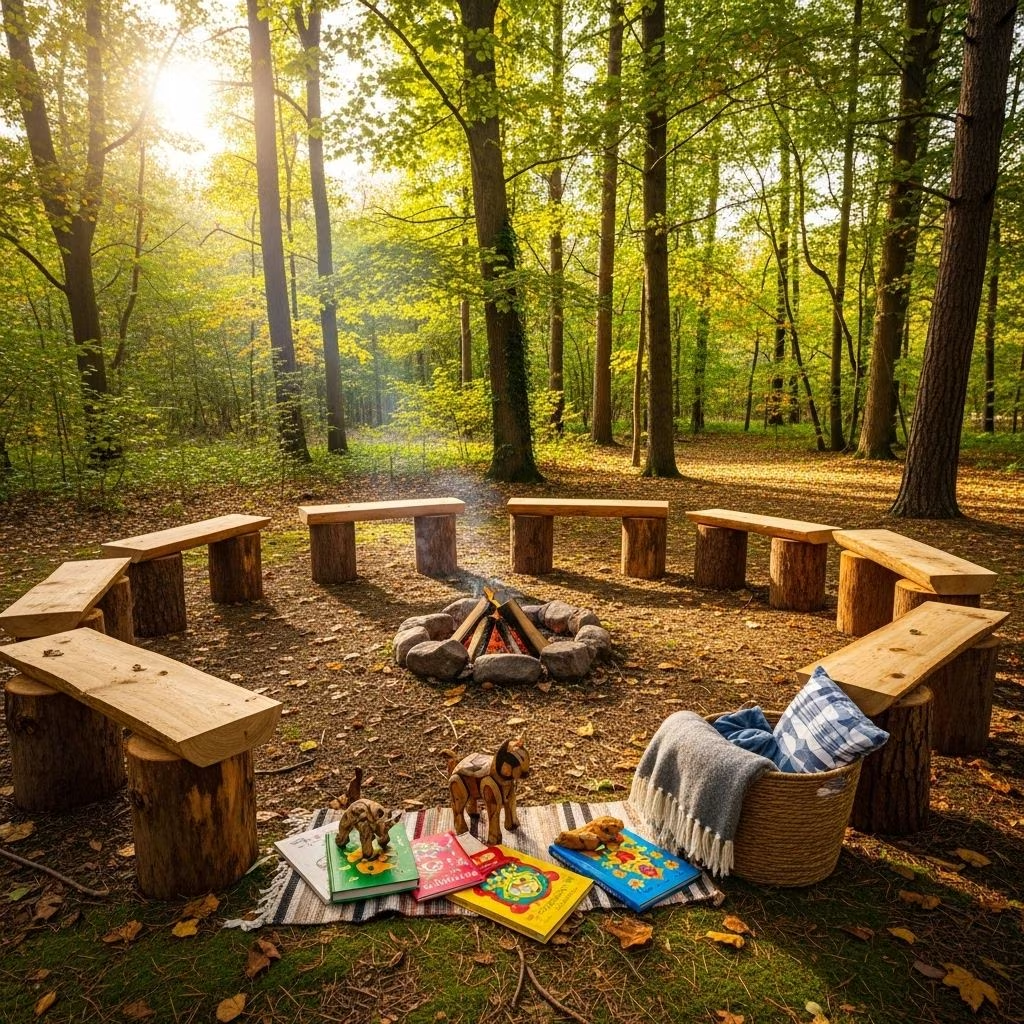
DIY Outdoor Storytelling Circle with Logs: A Complete Guide
Imagine a space where people of all ages gather under trees or beneath open skies, seated on sturdy logs, their imaginations sparked by stories shared aloud. An outdoor storytelling circle made from logs is a timeless feature that combines natural materials, creativity, and the simple joy of gathering together. This comprehensive guide will walk you through the entire process of planning, building, personalizing, and enjoying your very own storytelling circle—perfect for families, teachers, and community organizations seeking to foster learning and connection outdoors.
Why Build a Storytelling Circle Outdoors?
The storytelling circle is an ancient gathering space that brings people together for listening, sharing, and learning. Making it outdoors adds rich sensory elements—fresh air, birdsong, rustling leaves—that enhance imagination and focus. There are many benefits to creating such a space:
- Fosters Community and Belonging: Sitting in a circle nurtures connection and equality—everyone can see and hear each other.
- Encourages Imaginative Play: Children and adults alike invent stories, engage in dramatic play, or simply daydream.
- Promotes Outdoor Learning: Nature as a backdrop encourages curiosity and observation, supporting environmental and sensory awareness.
- Supports Gross Motor and Social Skills: Balancing, sitting, and stepping on logs support physical development; conversing in a group builds language and empathy.
- Accessible and Sustainable: Logs are a low-cost, easy-to-source, and environmentally friendly building material.
Planning and Choosing the Perfect Location
Careful planning ensures safety, comfort, and long-term enjoyment. Consider the following when choosing your site:
- Shade and Shelter: Place the circle under trees or near shrubs for dappled shade and a sense of enclosure, but avoid areas prone to falling branches.
- Accessibility: Choose level ground close to paths or entrances to accommodate all ages and abilities. Avoid steep slopes or areas with poor drainage.
- Visibility and Supervision: For school or community settings, choose an area within sight lines for easy supervision.
- Proximity to Play and Learning Zones: Place near sandboxes, gardens, or playhouses for easy integration with outdoor learning and play activities.
- Environmental Impact: Avoid sensitive habitats and check for local wildlife needs or restrictions.
Materials and Tools Needed
Most materials can be sourced locally or reclaimed. Use tools safely—adults should handle all saws and power equipment.
- Logs or Stumps (8–16 inches in diameter, 12–24 inches high): Choose untreated hardwoods for durability. Softwoods can work but may decompose more rapidly. Secure a mix for variety.
- Digging Tools: Shovel, spade, post-hole digger for setting logs in the ground.
- Chain Saw or Saw: For cutting logs to size (adults only).
- Level and Tape Measure: Ensures level seating and evenly spaced logs.
- Pea Gravel, Sand, or Mulch: For drainage and stability at the base.
- Hammer or Mallet: To tamp down stabilization material.
- Protective Gear: Gloves, safety goggles, boots.
Optional Enhancements:
- Flat stones, pavers, or wood slices for accessibility.
- Outdoor cushions or blankets for comfort.
- Paint or outdoor wood sealer for decoration and weather protection.
- Natural elements (tree rounds, driftwood, branches with leaves) for extra seats or a storyteller’s ‘throne’.
Designing Your Storytelling Circle
The design can be simple or elaborate, depending on your space and needs.
- Traditional Circle: Arrange logs in a true circle for classic gatherings.
- Semi-circle or Horseshoe: Allows focus on a main storyteller or focal point.
- Spiral or Organic Patterns: For creative spaces, a spiral or free-form design fosters movement and curiosity.
- Central Feature: Place a larger log, tree stump, or natural platform as a ‘story chair’ or stage.
- Log Table or Equipment Stand: Add a low table for props, story stones, or musical instruments.
| Formation | Best For |
|---|---|
| Full Circle | Group discussion, equality |
| Semi-circle | Story performances, audience focus |
| Spiral | Movement, play, informal groups |
Step-by-Step: Building Your Log Storytelling Circle
Follow these steps for a safe and inviting space:
- Prepare the Ground:
- Mark out your chosen shape with string, chalk, or pegs.
- Remove grass, rocks, and debris.
- If soil is soft or damp, lay down a shallow base of pea gravel or sand for drainage.
- Cut and Position the Logs:
- Cut logs or stumps to desired heights (12–24 inches for seating; 16 inches is a common height).
- Place logs upright on the prepared surface. If the logs are heavy and stable, surface placement may suffice for home use. For schools or public spaces, dig holes 4–6 inches deep and partially bury each log for stability.
- Test each log for stability by rocking and gently shifting. Adjust until solid.
- Secure the Logs:
- Backfill around buried logs with gravel, compacting as you go until flush with the ground for good drainage and to prevent rot.
- Optionally, anchor with concrete for extra security in high-traffic areas.
- Space the Logs Evenly:
- For seating, allow 1.5 to 2 feet per log for comfortable sitting.
- For stepping logs, adjust gaps for challenge (typically 12–18 inches apart for older children, closer for little ones).
- Leave circulation room around the outer edge so people can walk around safely.
- Add Finishing Touches:
- Mulch around the circle for comfort and to reduce mud.
- Plant shrubs or wildflowers for shade and sensory interest.
- Decorate logs with paint, nature prints, or children’s artwork.
Safety and Accessibility Considerations
Safety is paramount, especially where children play. Keep these tips in mind:
- Inspect Logs for Stability: Logs should not roll or tip over. Always double-check before allowing use, especially after storms or periods of settling.
- Remove Loose Bark and Splinters: Peel or sand rough surfaces. Treat cut edges if necessary.
- Height and Spacing: Keep log height suitable for your group (shorter for toddlers, higher for adults or older kids).
- Ground Cover: Use mulch, pea gravel, or grass to cushion falls around logs.
- Accessibility: Consider adding a firm path (flagstones or compacted gravel) for wheelchairs or strollers, and make sure at least part of the circle has room for adaptive seating.
- Supervision: Always supervise young children during play and storytelling.
Enhancing the Storytelling Experience
Make the most of your new space by inviting creativity and comfort:
- Story Stones and Puppets: Use painted rocks or simple puppets to inspire stories and drama.
- Decorate Together: Let children paint or personalize logs—seasonal themes, animals, or symbols can add magic.
- Use Textiles: Bring outdoor-friendly cushions or blankets for longer sessions.
- Lighting: Add solar lanterns or fairy lights for twilight storytelling.
- Nature Props: Use branches, pine cones, or leaves for tactile and sensory storytelling prompts.
- Plant Features: Integrate fragrant herbs or flowers (lavender, mint) to enrich the sensory experience.
Creative Uses for Your Storytelling Circle
Beyond storytelling, your log circle can be a versatile setting for:
- Outdoor Reading: Hold book clubs or quiet reading time in the fresh air[10].
- Music and Performance: Perform plays, puppet shows (with log ‘stages’ or storytelling trees), or invite children to create their own instruments.
- Nature Study: Journaling, sketching, or observing wildlife from the circle.
- Circle Games: Classic games like Duck Duck Goose or group singing sessions.
- Quiet Reflection: Meditation, sharing, conflict resolution, or simply listening to nature together.
- Celebrations and Rituals: Mark birthdays, seasonal festivals, or school milestones with gathering rituals.
Maintenance and Longevity Tips
With some care, your storytelling circle can last for years:
- Check and Reset Logs Regularly: Inspect for rot, insects, and ground shifting. Replace logs as needed and reset unstable ones.
- Clean Seasonally: Sweep away leaves, dirt, and debris. Rinse if necessary.
- Refresh Mulch or Gravel: Top up ground cover every 1–2 years to maintain comfort and drainage.
- Apply Wood Treatment: Use natural, non-toxic wood preservative if you wish to protect logs from weathering, but avoid any coatings that may be slippery when wet. For an all-natural look, allow logs to age and soften to silver-grey.
- Monitor Nearby Plants: Prune plants or remove invasive growth to keep the area open and safe.
Frequently Asked Questions (FAQs)
Q: What types of wood are best for outdoor log circles?
A: Dense hardwoods like oak, maple, and ash last longer outdoors. Softwoods like pine or cedar can be used if properly treated or if frequent replacement is acceptable. Always avoid chemically treated logs where children play, as chemicals may leach or be hazardous.
Q: How can I make the circle safe for small children?
A: Keep log heights lower (under 14 inches), check for splinters, and ensure logs are very stable. Use mulch around the circle for a softer landing and supervise play at all times.
Q: Can I move the logs if I need to relocate the circle?
A: Yes, if the logs are surface-placed or only shallowly buried (which is suitable for home use), they can be repositioned. For public settings where logs are anchored deep or set in concrete, moving them is more involved and may require digging up and resetting.
Q: What are some creative storytelling prompts for circle time?
A: Try storytelling stones, natural items found on site, puppets or props, or encourage group story-building where each person adds a line. Nature stories, folk tales, or re-enactments of recent outdoor adventures are popular prompts.
Q: How can I adapt the circle for different seasons?
A: Add blankets and lanterns for chilly weather, plant shade trees for summer, and always check logs for slipperiness after rain or in winter. Position the area to avoid prevailing winds if possible, and consider a simple tarpaulin or natural canopy for rainy days[10].
Conclusion: Gather, Play, and Learn in Nature’s Circle
Building a DIY outdoor storytelling circle with logs creates more than just a play area—it forges a space for imagination, connection, and lifelong memories. With a bit of planning and creativity, you can craft a natural haven where stories come alive and community thrives. Whether for families, schools, or public spaces, this simple yet powerful feature invites all ages to learn, share, and dream together beneath the open sky.
References
- https://naturalearning.org/13-gross-motor-logs
- https://happyhooligans.ca/play-logs/
- https://www.creativeconnectionsforkids.com/2016/04/a-log-walk/
- https://www.instructables.com/Make-a-Storytelling-Tree/
- https://www.youtube.com/watch?v=JsvUcH6UBYA
- https://runwildmychild.com/journey-sticks/
- https://creativestarlearning.co.uk/developing-school-grounds-outdoor-spaces/wood-logs-and-lumps-in-schools/
- https://meganzeni.com/storytelling-in-nature/
- https://thrivewithoutdoorlearning.com/simple-ways-to-take-storytelling-outdoors/
- https://www.timotayplayscapes.co.uk/blog/fostering-a-love-for-books-and-nature-creating-an-exceptional-outdoor-reading-area-for-children/


