


Introduction
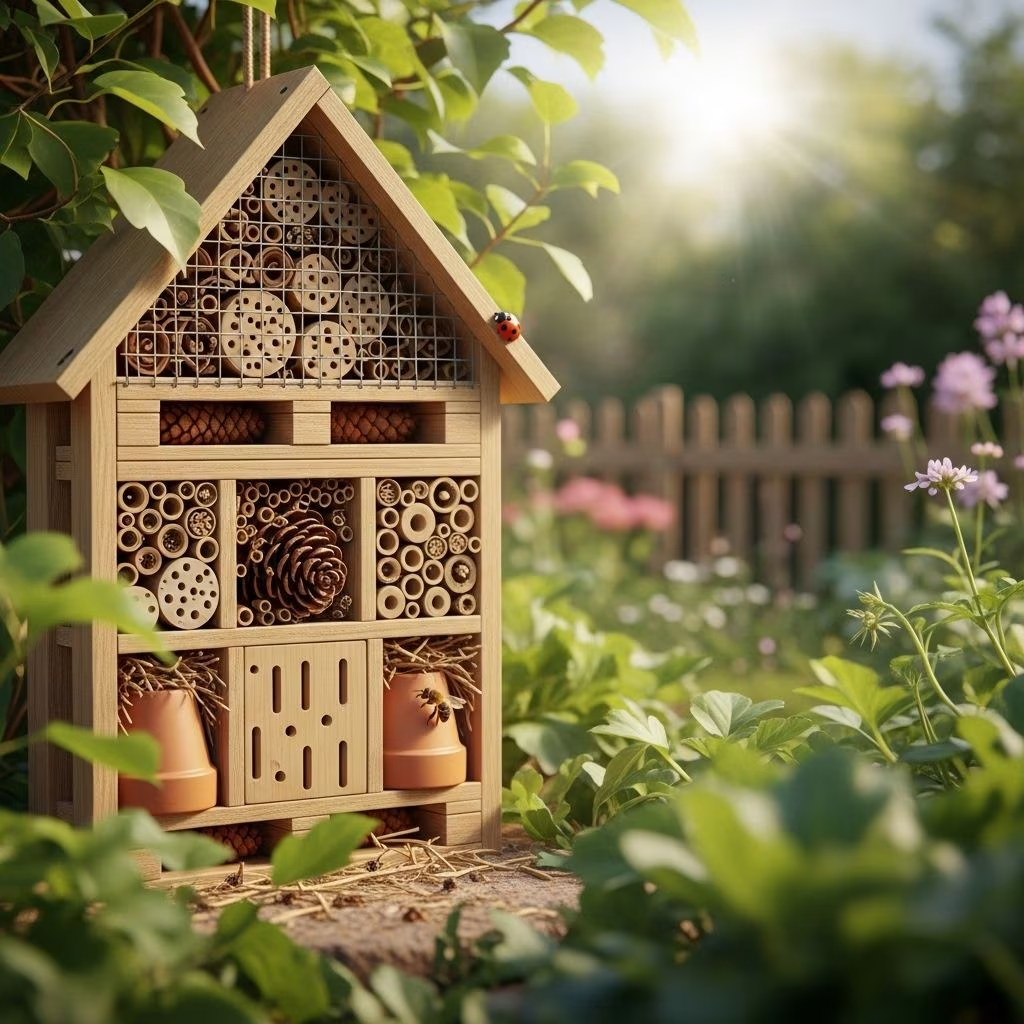
A DIY bug hotel is a simple, hands-on project that invites children and families to observe insects up close while supporting local biodiversity. This eco-friendly craft provides a safe habitat for beneficial garden insects, such as bees, ladybugs, and spiders, while offering endless opportunities for play, learning, and discovery. In this guide, you’ll learn everything you need to make your own bug hotel, from selecting materials to observing your insect guests—and why this project is much more than a fun pastime.
Why Build a Bug Hotel?
Bug hotels offer numerous benefits, both for the environment and for young learners:
- Supports Pollinators: Provides shelter for bees and other pollinators, which are essential for healthy gardens.
- Natural Pest Control: Attracts beneficial insects like ladybugs and lacewings that eat harmful garden pests.
- Hands-On Science: Encourages children to observe, question, and learn about insect life cycles, habitats, and behaviors in a real-world setting.
- Environmental Awareness: Teaches the importance of biodiversity and ecological balance through direct experience.
- Creative Play: Combines crafting, outdoor exploration, and imaginative play into a single project.
Materials Needed
Most bug hotels can be made with recycled or natural materials found at home or in your yard:
| Material | Purpose |
|---|---|
| Wooden box, crate, or large plastic bottle | Main structure/frame |
| Bamboo sticks, hollow stems, or cardboard tubes | Tunnels for solitary bees and ladybugs |
| Pinecones, twigs, small branches | Shelter for spiders, beetles, and other bugs |
| Straw, hay, dry grass, leaves | Insulation and hiding spots |
| Stones, bricks, or pebbles | Crevices for ants and other ground dwellers |
| Moss, bark, pine needles, wool, yarn, burlap | Extra texture and habitat variety |
| Glue (white glue, hot glue) | Securing materials in place |
| Twine or string | Hanging the hotel |
| Safety glasses, saw, drill, hammer/nails, staple gun (optional) | Tools for building |
Remember: The best materials are natural, dry, and chemical-free to ensure a safe habitat for insects.
Step-by-Step Building Guide
1. Choose Your Frame
Select a wooden box, crate, or even a cut plastic bottle as the base structure. Wooden boxes with separate compartments are ideal for organizing different materials. If using a bottle, cut off the top and bottom to make an open cylinder.
2. Collect Natural Materials
Go on a nature scavenger hunt with children to gather sticks, pinecones, bamboo, straw, leaves, bark, stones, and other bug-friendly materials. Break or cut them into sizes that fit snugly into your frame.
3. Prepare the Hotel “Rooms”
Fill each compartment or section with different materials to attract a variety of insects:
- Bamboo & Hollow Stems: Bundle these together for solitary bees and ladybugs.
- Pinecones: Perfect for lacewings and spiders seeking shelter.
- Twigs & Leaves: Attract beetles and other ground insects.
- Stones/Bricks: Create small crevices for ants and other critters.
- Straw/Hay/Dry Grass: Use as bedding or stuffing.
4. Secure the Materials
Use white glue for lightweight materials and a hot glue gun for heavier items like stones. Stuff each section firmly so materials don’t fall out or blow away. If desired, decorate the outside with moss, bark, or paint for a natural look.
5. Choose a Location
Place your bug hotel in a quiet, sheltered spot in the garden, away from doors and windows to avoid unwanted indoor guests. Hang it from a tree branch or fence, or place it on the ground to see which bugs prefer which location.
6. Invite Observers
Once your bug hotel is ready, encourage children to check it regularly and observe which insects move in. Keep a journal or take photos to track visitors over time.
Safe Insect Observation Tips
Observing insects up close is fascinating but requires caution:
- Use a Bug Observation Station: For close-up viewing, use a clear plastic container with a secure lid and small air holes. Add a leaf or twig to make the bug comfortable.
- Identify First: Try to identify the insect before handling. Most are harmless, but some can bite or sting.
- Release After Observation: Keep insects only as long as you can provide proper food, water, and shelter. Release them after a short period.
Educational Opportunities
Building and observing a bug hotel offers rich learning experiences:
- Science Skills: Practice observation, classification, and inquiry as you identify and record different insects.
- Ecology Lessons: Discuss the roles of pollinators and predators in the garden ecosystem.
- Creative Expression: Decorate the hotel, draw visitors, or write stories about the bugs’ adventures.
- Responsibility: Learn to care for living things and the environment.
Maintenance and Care
To keep your bug hotel inviting and safe:
- Check Stability: Ensure the hotel remains secure and doesn’t tip over.
- Seasonal Care: In winter, leave the hotel undisturbed as some insects may hibernate inside.
- Replace Worn Materials: Over time, materials may decay. Refresh sections with new sticks, straw, or pinecones as needed.
Frequently Asked Questions (FAQs)
Q: What insects are likely to visit my bug hotel?
A: You may see solitary bees, ladybugs, lacewings, spiders, beetles, and even ants, depending on the materials you use.
Q: Where is the best place to put a bug hotel?
A: Place it in a sheltered, quiet part of the garden, away from high traffic areas. Near a vegetable garden can attract pollinators and natural pest controllers.
Q: How do I make my bug hotel waterproof?
A: A wooden box with a sloped roof or a sheltered location helps. You can also add a waterproof lid or place the hotel under a roof overhang.
Q: How do I remove bugs safely for observation?
A: Gently scoop insects into a clear container with air holes. Always supervise children and release the bugs after observation.
Q: Are bug hotels safe for kids?
A: Yes, with supervision and by avoiding direct handling of unknown insects. Teach children to observe, not disturb, the bugs’ homes.
Q: How often should I check or maintain my bug hotel?
A: Check periodically for stability and replace any decaying materials. Major refreshes can be done seasonally.
Building a DIY bug hotel is a gateway to discovery, fostering curiosity, environmental stewardship, and a lifelong appreciation for the tiny creatures that share our world. With simple materials and a little creativity, you can create a thriving habitat that benefits your garden and your family’s sense of wonder.
References
- https://babbledabbledo.com/science-for-kids-diy-insect-hotel/
- https://www.letsgoavocado.com/diy-how-to-make-a-bug-hotel/
- https://preschoolinspirations.com/diy-bug-observation-station/
- https://www.redtedart.com/simple-bug-hotel-for-kids/
- https://www.thrivelot.com/resources/how-to-build-an-insect-hotel-for-your-garden
- https://colinpurrington.com/2024/01/sorting-through-guests-at-my-insect-hotels/
- https://gardenwarehousedirect.com/blogs/gwd-blog/diy-bug-hotel-easy-affordable-guide-to-boost-your-gardens-ecosystem
- https://www.plantandbloomdesign.com/home/insect-hotel


