


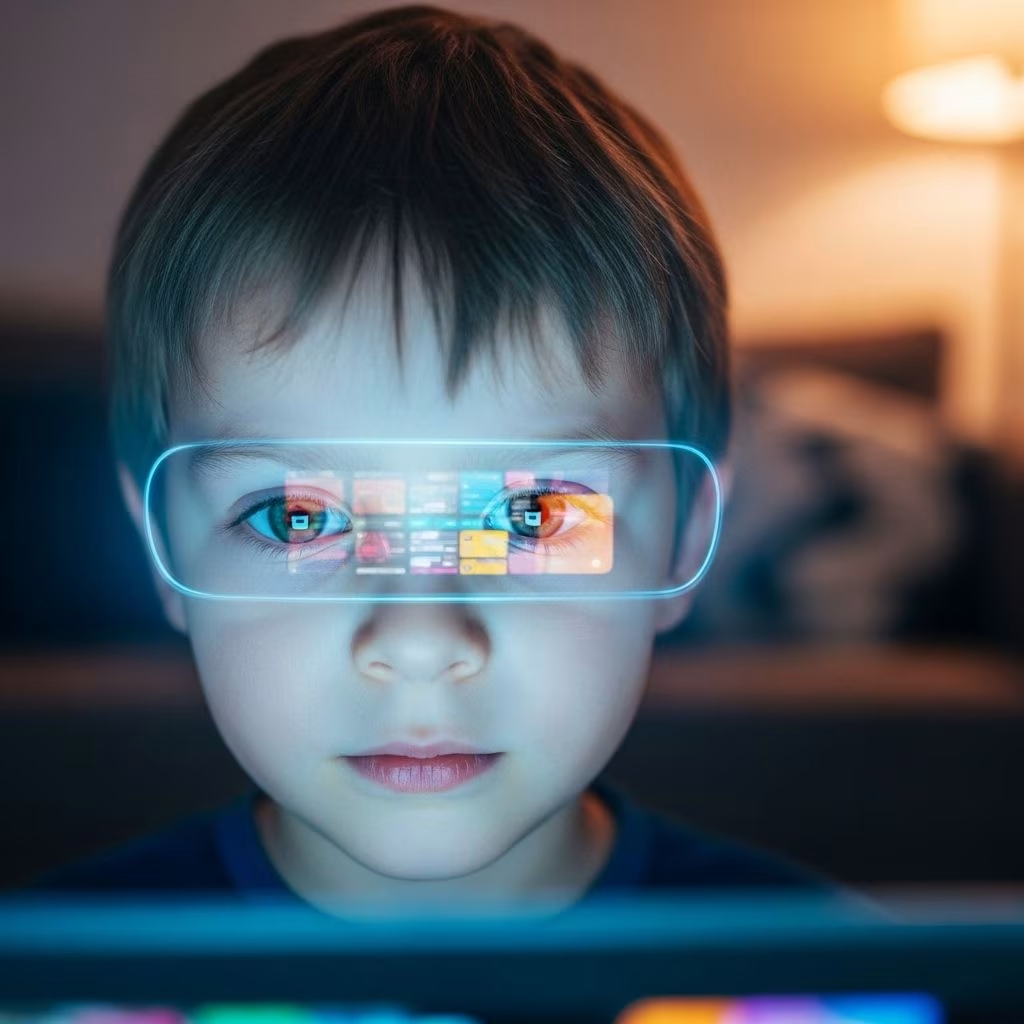
In today’s digital world, children are growing up surrounded by screens. From tablets and smartphones to computers and televisions, digital devices have become integral to learning, entertainment, and social interaction. However, this constant exposure comes with significant concerns for children’s eye health and visual development. Understanding the dangers of excessive screen time and implementing protective measures is crucial for safeguarding your child’s vision for years to come.
Children aged 8-18 now average 7.5 hours of screen time daily for entertainment alone, not counting educational computer use at school or homework time. Over a year, this translates to 114 full days spent staring at screens. This unprecedented level of digital exposure is reshaping childhood and raising alarm bells among eye care professionals worldwide.
Understanding Digital Eye Strain in Children
Digital eye strain, medically known as asthenopia, represents one of the most common consequences of prolonged screen use in children. This condition encompasses a constellation of symptoms that can significantly impact a child’s daily activities and quality of life.
When children concentrate intensely on screens, they experience eye discomfort, dimness of vision, and headaches. The strain becomes particularly pronounced because children often lose track of time when absorbed in digital content, maintaining close-focus attention for extended periods without adequate breaks. This prolonged near-point focus puts excessive demand on the eye’s focusing system, causing the muscles around the eye to become fatigued from continued use.
The positioning of screens also contributes to eye strain. Children frequently must look up at screens positioned for adult use, creating additional stress on their visual system. Any glare on the screen further compounds the problem, making it even more difficult for young eyes to maintain comfortable vision.
Children experiencing eye fatigue may complain of headaches, eye pain, or feeling tired. They might lose interest in tasks such as reading or other activities requiring visual concentration. Some children may become irritable or exhibit poor behavior, symptoms that parents might not immediately connect to vision problems.
The Blinking Problem and Dry Eye Syndrome
One of the most significant yet often overlooked effects of screen time involves changes in blinking patterns. When people of all ages concentrate on screens, they blink up to 60% less frequently than normal. This dramatic reduction in blinking has serious implications for eye health.
Blinking serves a critical function in maintaining eye health by distributing tears across the eye surface, keeping eyes lubricated and comfortable. A clear and stable tear film is essential for maintaining clear vision and protecting the delicate surface of the eye. When children blink less frequently during screen use, their eyes become dry and irritated, leading to discomfort and potentially affecting visual clarity.
Dry eye syndrome, once primarily seen in adults, is now increasingly common in children due to excessive screen exposure. The condition can cause burning sensations, redness, and a feeling of grittiness in the eyes. If left unaddressed, chronic dry eye can lead to inflammation of the eye surface and potentially impact long-term eye health.
Myopia: The Growing Epidemic
Perhaps the most concerning long-term consequence of excessive screen time is its connection to myopia, commonly known as nearsightedness. Myopia occurs when the eyes grow too long, causing light to focus in front of the retina rather than directly on it. This results in distant objects appearing blurry while near objects remain clear.
The rate of nearsightedness in children has increased dramatically over the past 30 years, coinciding with the rise of digital technology and increased indoor time. Studies have consistently found that children who spend more time indoors and on screens are significantly more likely to develop myopia compared to children who spend more time outdoors.
The development of myopia in childhood is particularly concerning because it increases the risk of serious eye complications later in life, including retinal detachment, glaucoma, and macular degeneration. Once myopia develops, it typically progresses throughout childhood and adolescence, often resulting in increasingly strong prescriptions and higher risks of vision-threatening complications.
Exposure to natural daylight plays a critical role in healthy eye development. Researchers believe that UV light, when eyes are protected from intense direct sunlight, contributes to normal eye growth and development. Children who primarily engage with screens indoors miss out on this crucial environmental factor, potentially contributing to abnormal eye elongation and myopia development.
Loss of Focus Flexibility and Accommodation Spasms
Extended screen time can temporarily disrupt the eye’s ability to adjust focus between near and far distances. When children’s eyes remain focused at close range for prolonged periods, they may experience difficulty adjusting to distance vision afterward. This phenomenon, while typically temporary, can be disconcerting and uncomfortable.
In more severe cases, gazing at the same distance for extended periods can cause the eye’s focusing system to spasm or temporarily lock up. This condition, called an accommodation spasm, causes a child’s vision to blur when looking away from the screen. The focusing muscles essentially become stuck in the near-focus position, requiring time to relax and readjust to normal function.
While these focusing difficulties usually resolve on their own, repeated episodes can signal that a child needs more frequent breaks from screen time and may benefit from an evaluation by an eye care professional.
Blue Light and Sleep Disruption
Digital screens emit blue-violet light, a high-energy visible light that can penetrate deep into the eye. While research continues into the long-term effects of blue light exposure on eye health, one well-established consequence involves disruption of the body’s natural sleep-wake cycle.
Blue light suppresses the production of melatonin, the hormone that regulates sleep. When children use screens in the evening or before bedtime, the blue light exposure tricks their bodies into thinking it’s still daytime, making it difficult to fall asleep. This sleep disruption can have cascading effects on a child’s overall health, academic performance, mood, and behavior.
Poor sleep quality also affects eye health directly, as the eyes need adequate rest to recover from daily visual demands. Chronic sleep deprivation can exacerbate dry eye symptoms and contribute to eye fatigue.
Beyond Vision: Broader Health Impacts
While eye health concerns are significant, excessive screen time affects children’s overall wellbeing in multiple ways. When children spend more than 2 hours daily on digital devices, they may experience reduced attention span, irritability, and behavioral problems. These symptoms can affect academic performance and social interactions, creating challenges that extend far beyond vision issues.
Extended screen time typically involves sedentary behavior, limiting physical activity crucial for healthy development. Children who spend excessive time on screens may develop poor posture, leading to musculoskeletal problems. The combination of reduced physical activity and increased sedentary time can contribute to obesity and other health complications.
Recognizing Warning Signs
Parents should watch for several warning signs that may indicate screen time is affecting their child’s vision:
Children may rub their eyes frequently or complain of tired eyes, particularly after screen use. Headaches, especially those centered around the temples and eyes, can signal eye strain. Complaints of blurry vision when looking up from a screen or difficulty seeing distant objects clearly warrant attention.
Behavioral changes such as losing interest in reading or other visually demanding tasks may indicate underlying vision problems. Sitting very close to screens or holding devices very close to the face can suggest vision difficulties. Squinting, tilting the head, or covering one eye while viewing screens are additional red flags.
If you notice any of these signs, scheduling a comprehensive eye examination with an eye care professional is essential.
Protective Strategies for Parents
Protecting children’s vision in our digital age requires proactive strategies and consistent implementation. The following approaches can significantly reduce the risks associated with screen time:
The 20-20-20 Rule: Encourage children to take a break every 20 minutes, look at something 20 feet away for at least 20 seconds. This simple practice helps relax the focusing muscles and reduces eye strain.
Limit Daily Screen Time: Establish clear boundaries around recreational screen use. The American Academy of Pediatrics recommends no more than 1-2 hours of quality screen time per day for children over age 2, with minimal or no screen time for younger children.
Prioritize Outdoor Time: Ensure children spend at least 1-2 hours outdoors daily. Natural daylight exposure is crucial for healthy eye development and may help prevent myopia progression.
Optimize Screen Setup: Position screens at or slightly below eye level, about an arm’s length away. Ensure adequate lighting in the room to reduce glare and contrast between the screen and surroundings. Adjust screen brightness to match ambient lighting.
Encourage Conscious Blinking: Remind children to blink regularly while using screens. Consider using artificial tears if dry eye symptoms develop.
Implement Screen-Free Zones and Times: Designate certain areas of the home, such as bedrooms and dining rooms, as screen-free zones. Establish screen-free times, particularly during meals and at least one hour before bedtime.
Model Healthy Behavior: Children learn by example. Demonstrate healthy screen habits in your own technology use.
Schedule Regular Eye Examinations: Children should have comprehensive eye examinations at 6 months, 3 years, before starting school, and every 1-2 years thereafter, or as recommended by an eye care professional.
The Role of Eye Care Professionals
Regular eye examinations are crucial for detecting vision problems early and monitoring eye health over time. Eye care professionals can identify myopia progression, prescribe corrective lenses if needed, and recommend specialized interventions such as myopia management strategies.
Comprehensive eye examinations assess not only visual acuity but also eye alignment, focusing ability, eye health, and the presence of any underlying conditions. Early detection and intervention can prevent minor issues from becoming major problems.
Looking Toward the Future
As technology continues to evolve and digital devices become even more integrated into daily life, protecting children’s vision becomes increasingly important. Parents, educators, and healthcare providers must work together to establish healthy screen habits and prioritize eye health.
The goal is not to eliminate screen time entirely, as digital devices offer valuable educational and social benefits. Instead, the focus should be on creating balance, ensuring that screen time is purposeful and limited, and that children’s eyes receive adequate rest and exposure to natural outdoor environments.
By understanding the dangers of excessive screen time and implementing protective strategies, parents can help safeguard their children’s vision for a lifetime. The habits established in childhood will shape how children interact with technology throughout their lives, making early intervention and education crucial for long-term eye health and overall wellbeing.
Frequently Asked Questions
Q: How much screen time is safe for children?
A: The American Academy of Pediatrics recommends limiting recreational screen time to 1-2 hours daily for children over age 2, with minimal or no screen time for younger children. However, this doesn’t include educational screen use at school.
Q: Can screen time cause permanent vision damage?
A: While screen time itself may not cause permanent damage directly, excessive use contributes to myopia development, which increases the risk of serious eye complications later in life, including retinal detachment and glaucoma.
Q: Do blue light blocking glasses help protect children’s eyes?
A: While blue light glasses may reduce sleep disruption when used before bedtime, there’s limited evidence they prevent eye strain or other vision problems. Taking regular breaks and limiting screen time are more effective strategies.
Q: At what age should my child have their first eye exam?
A: Children should have their first comprehensive eye examination at 6 months of age, followed by exams at 3 years, before starting school, and every 1-2 years thereafter.
Q: How can I tell if my child’s screen time is affecting their vision?
A: Watch for signs such as frequent eye rubbing, complaints of tired or dry eyes, headaches, blurry vision, squinting, sitting too close to screens, or losing interest in reading and other visual tasks.
Q: Is outdoor time really important for eye health?
A: Yes, studies show that children who spend at least 1-2 hours outdoors daily have a lower risk of developing myopia. Natural daylight exposure plays a crucial role in healthy eye development.
Q: What is the 20-20-20 rule?
A: The 20-20-20 rule recommends taking a 20-second break every 20 minutes to look at something 20 feet away. This helps relax the eye’s focusing muscles and reduces digital eye strain.
Q: Can myopia be reversed once it develops?
A: Myopia cannot be reversed, but its progression can be slowed through various myopia management strategies, including specialized contact lenses, atropine eye drops, and increased outdoor time.
References
- https://www.acuvue.com/en-us/blog/screen-time-childrens-eyes/
- https://www.chop.edu/news/health-tip/how-too-much-screen-time-affects-kids-eyes
- https://www.healthychildren.org/English/health-issues/conditions/eyes/Pages/What-Too-Much-Screen-Time-Does-to-Your-Childs-Eyes.aspx
- https://www.eyesymmetryvision.com/myopia-management-optometrist/can-too-much-screen-time-impact-childrens-health-and-vision/
- https://www.refocuseyedoctors.com/services/primary-eye-care/understanding-and-mitigating-the-impact-of-excessive-screen-time/
- https://pmc.ncbi.nlm.nih.gov/articles/PMC8905461/
- https://www.uabmedicine.org/news/how-to-protect-your-childrens-eye-health-from-the-risks-of-too-much-screen-time/


