


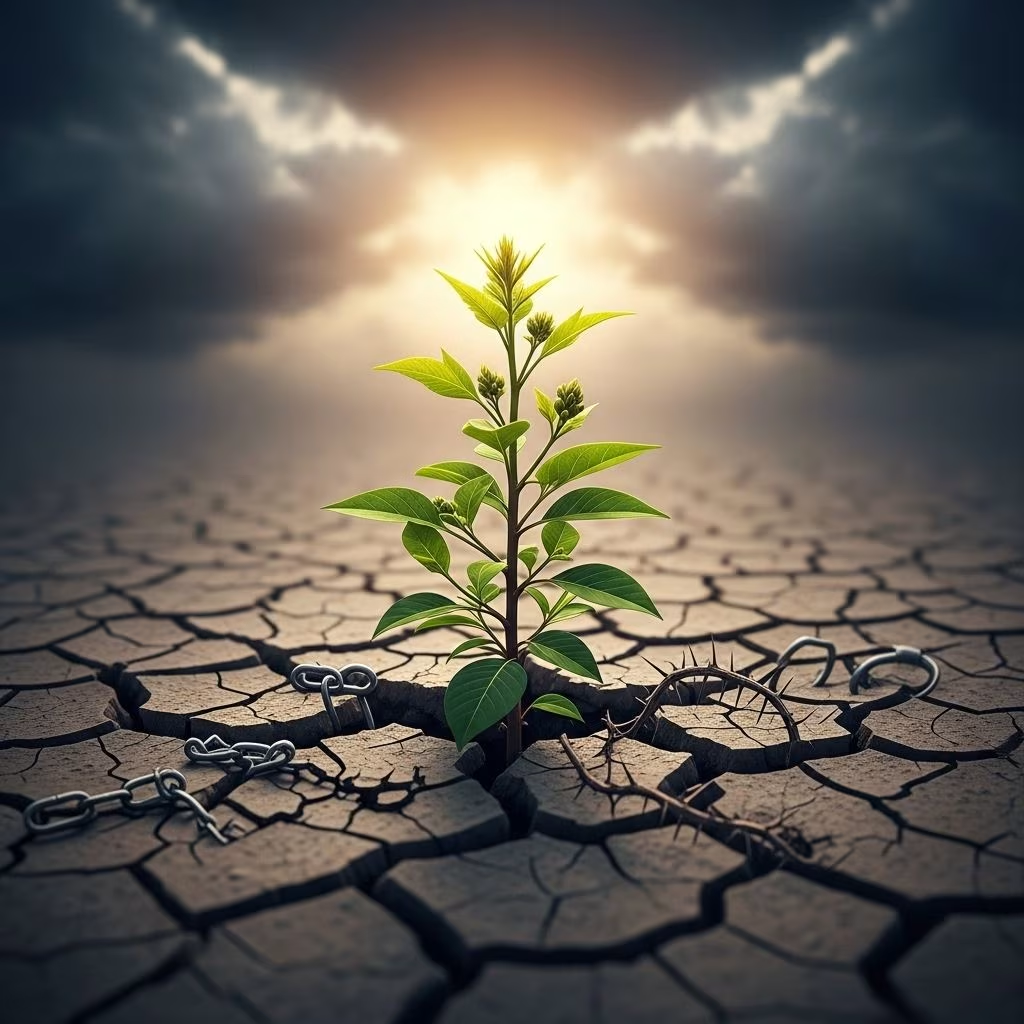
How a Toxic Relationship Became the Catalyst for My Growth
Most of us hope for love that nurtures, supports, and brings out the best in us. But sometimes, we find ourselves entangled in relationships that drain our spirit, erode our self-worth, and make us question our very reality. My experience in a toxic relationship was one of the most challenging periods of my life, yet—remarkably—it was also the catalyst for the profound personal growth I enjoy today. This is the story of how heartbreak became the doorway to self-healing and transformation.
Recognizing the Signs of a Toxic Relationship
It began subtly—almost invisibly. At first, the relationship seemed full of promise. We were close and I felt special to be wanted so intensely. But over time, small discomforts accumulated and became red flags:
- Constant Criticism: Simple mistakes or innocent behaviors became reasons for scolding or shaming.
- Manipulation: My feelings and doubts were twisted, making me feel responsible for every issue that arose.
- Isolation: Slowly, I withdrew from friends and family to avoid conflict and appease my partner.
- Loss of Self: I could hardly recognize who I’d become—I tiptoed around every conversation, sacrificing my needs to avoid arguments.
When you’re in a toxic situation, it’s difficult to see clearly. The cycle of highs and lows, apologies that never lead to change, and perpetual feelings of guilt and longing kept me tethered far longer than I care to admit.
Why I Stayed: The Underlying Fears and Hopes
Looking back, it’s easy to wonder why I didn’t leave sooner. But toxic relationships prey on our vulnerabilities—especially fear and hope:
- Fear of Loneliness: I convinced myself that being with my partner—despite the turmoil—was better than being alone.
- Hope for Change: I clung to the good memories, believing love would eventually win out and heal us.
- Lack of Self-Trust: Over time, I doubted my perception and instincts. My reality was often questioned until I found it hard to trust myself.
- Societal Pressure: I worried what others would think of me if I left; I didn’t want to ‘give up’ or be judged as a failure.
Eventually, the pain of staying exceeded the pain I imagined in leaving. The constant anxiety became too much to bear. I realized that to survive, I had to let go.
Reaching the Breaking Point
Emotional exhaustion took its toll. My days blurred into nights of self-doubt, sadness, and confusion. My smile became a mask hiding fear and emptiness. One particularly difficult night, I recognized how much I had lost myself, and, with trembling courage, I chose to step away from the relationship.
Leaving was not an event—it was a process. I faced moments of overwhelming guilt, waves of longing, and guilt for leaving someone I once loved. But deep inside, a quieter voice grew louder: the voice of my true self, desperate to breathe freely again.
Healing After the Storm: The Journey of Recovery
Life after a toxic relationship is not instantly rosy. It is a journey of unlearning, rediscovering, and building new habits. Here’s what my path looked like:
- Allowing Myself to Grieve: I gave myself permission to mourn not only the relationship but who I had become within it.
- Seeking Support: I leaned on friends, family, and eventually a therapist, shedding the shame of admitting my struggles.
- Setting Boundaries: Learning to say no, to protect my space, and to define what I would (and would not) accept in my life was both liberating and frightening.
- Listening to My Intuition: I began to notice those subtle gut feelings I’d previously ignored, learning to trust them again and let them guide my decisions.
- Forgiving Myself: I realized that blaming myself for enduring toxicity only kept me stuck. Self-compassion became my new practice.
The Lessons Hidden in the Pain
Through the ashes of heartbreak, profound lessons emerged. Here are the most significant insights I gained:
| Lesson | Transformation |
|---|---|
| Boundaries Are Essential | I learned that love does not mean sacrificing yourself or enabling unhealthy behavior; boundaries are a gift to both yourself and others. |
| Self-Worth Is Non-Negotiable | My value is not contingent upon another’s approval, attention, or affection. |
| Trusting Intuition | When doubts or discomfort arise, it is a sign that something needs attention—ignoring these inner warnings leads to pain. |
| Growth Arises from Discomfort | Through pain, we discover resilience, empathy, and clarity about our desires and fears. |
| True Healing Takes Time | Healing is a gradual process, requiring patience, self-kindness, and sometimes help from others. |
How My Life Changed for the Better
With enough time and distance, I began to notice how different—and better—my life had become:
- Healthy Relationships: I gravitated towards friendships and romantic interests based on respect, honest communication, and genuine affection.
- Increased Self-Awareness: I began to spot unhealthy patterns and red flags quickly, sparing myself future pain.
- Empowerment: Knowing I had survived and healed gave me unshakable confidence to face new challenges.
- Joy in Solitude: For the first time, I learned to enjoy my own company and find peace alone.
- Appreciation for Peace: I no longer took calmness and stability for granted; I cherished it.
Practical Steps to Reclaim Yourself After a Toxic Relationship
- Connect with Trusted People: Build a support system of friends, family, or support groups who validate your feelings and respect your journey.
- Journal Your Thoughts: Writing about your experiences can clarify your feelings and highlight patterns.
- Seek Professional Help: Therapists can offer tools and perspectives to help process trauma, rebuild confidence, and develop healthy strategies.
- Develop Self-Care Routines: Engage in activities that restore body, mind, and spirit—such as meditation, exercise, art, or nature walks.
- Redefine Your Values: Identify what truly matters and what you want in future relationships.
- Educate Yourself: Read about healthy relationships, boundaries, and signs of manipulation to prevent repeating unhealthy cycles.
The Power of Forgiveness—Especially Toward Yourself
Perhaps the hardest work was forgiving myself for staying so long, for missing the red flags, and for not rescuing myself sooner. But as I released shame and regret, I became softer, more understanding—not just toward myself, but to others struggling with similar pain.
The journey from a toxic relationship to self-acceptance is not linear and not without setbacks. Yet the freedom and wisdom that arrive after enduring such hardships are every bit as powerful as the pain that once held me captive.
Frequently Asked Questions (FAQs)
How do I know if I’m in a toxic relationship?
Common signs include constant criticism, emotional manipulation, feeling isolated from friends or family, anxiety, and a sense of losing your true self. If you often feel drained, anxious, or fearful around your partner, your relationship may be toxic.
Why is it so hard to leave a toxic relationship?
Leaving is hard due to a mix of fear, hope for change, lowered self-esteem, emotional dependency, and sometimes financial or practical entanglements. Toxic dynamics also undermine your self-trust and confidence, keeping you stuck.
What are the first steps I should take if I want to leave?
Confide in trusted loved ones or a therapist, plan your exit safely, and gather resources or support. Be patient with yourself—healing and disentangling emotionally takes time.
Can healing from a toxic relationship really lead to personal growth?
Yes. Though painful, surviving and processing a toxic relationship often builds resilience, clarity about your boundaries, stronger intuition, and renewed self-worth. Many people emerge more empowered and self-aware than before.
How do I rebuild trust after being hurt?
Start by building trust in yourself—honor your feelings and boundaries, seek out supportive people, and take small steps towards connecting with others in safe, healthy ways.
Final Thoughts: Turning Pain Into Purpose
If you are hurting or questioning your worth after a toxic relationship, know this: You are not broken. You are not alone. The ache you feel now can become the seed for growth, self-acceptance, and a life rooted in authentic love. Your healing is proof that even the darkest chapters can lead to the brightest, most fulfilling new beginnings.
References
- https://tinybuddha.com/blog/how-to-recognize-a-toxic-relationship-and-know-when-its-time-to-leave/
- https://tinybuddha.com/blog/letting-go-of-unhealthy-relationships-and-rediscovering-yourself/
- https://tinybuddha.com/blog/dealing-with-toxic-relationships-and-finding-emotional-freedom/
- https://tinybuddha.com/blog/5-signs-youre-in-a-toxic-relationship/
- https://tinybuddha.com/blog/how-being-in-a-toxic-relationship-changed-my-life-for-the-better/
- https://tinybuddha.com/blog/how-i-used-self-help-to-justify-a-toxic-relationship-and-what-i-now-know/
- https://tinybuddha.com/blog/escaping-a-toxic-relationship-my-intuition-was-right-all-along/
- https://tinybuddha.com/blog/how-to-cope-with-a-toxic-family-relationship/
- https://tinybuddha.com/blog/why-its-not-your-fault-youre-in-a-toxic-abusive-relationship/


