


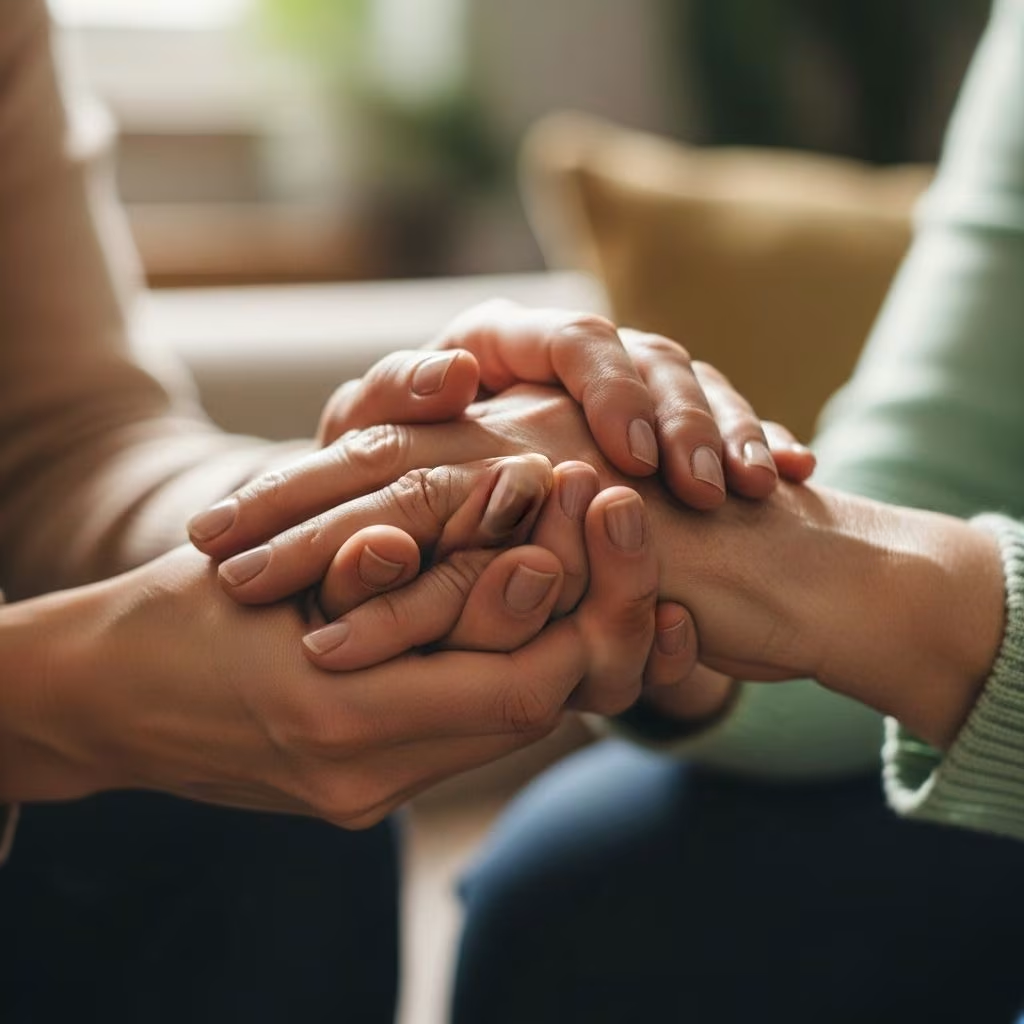
Introduction to Healing Strained Relationships with Mothers
Strained relationships between mothers and children can be some of the most challenging to navigate. Whether due to past traumas, misunderstandings, or generational differences, these relationships often require careful attention and effort to heal. In this article, we will explore strategies for improving these relationships through self-reflection, boundary setting, and cultivating healthier communication.
Understanding the Mother Wound
The term ‘mother wound’ refers to the emotional pain and unresolved issues that result from a mother’s inability to provide consistent emotional and physical nourishment during childhood. This wound can manifest in various ways, such as difficulty in forming healthy relationships or challenges in self-care and self-love.
Healing from this wound involves recognizing that our mothers’ limitations are not our fault and that we must take responsibility for our own well-being. This journey often begins with self-care—practicing activities that nourish both body and soul, such as exercise, meditation, or creative pursuits.
Letting Go of Expectations
One of the most significant steps in healing is letting go of the expectation that our mothers will suddenly become the caregivers we needed them to be when we were younger. As adults, we must take on the responsibility of nurturing ourselves and realize that our mothers cannot fulfill all our emotional needs.
Setting Boundaries
Establishing healthy boundaries is crucial in strained relationships. This involves identifying what behaviors or interactions are harmful and setting limits to protect yourself emotionally and physically. By doing so, you maintain your integrity and create space for healthier interactions.
Communicating Effectively
Effective communication is key to improving relationships. This means choosing your battles wisely, practicing empathy, and expressing your feelings clearly without blaming or attacking the other person. Validating your mother’s feelings can also help prevent unnecessary conflicts.
Studying Trauma and Family History
Understanding the impact of trauma and exploring family history can provide valuable insights into why relationships may be strained. Recognizing patterns and factors that have contributed to current dynamics can help in forgiveness and moving forward.
Cultivating Positive Relationships
Surrounding yourself with supportive, emotionally healthy individuals can provide models for positive relationships and offer additional emotional support during your healing journey.
Frequently Asked Questions (FAQs)
Q: How do I know if my relationship with my mother is toxic?
A: Signs of a toxic relationship include consistent feelings of guilt, anxiety, or resentment after interactions. If these feelings persist, it may be necessary to reassess and set boundaries.
Q: Can strained relationships with mothers ever fully heal?
A: While relationships may not return to a perfect state, healing is possible through effort, understanding, and self-care. The goal is often to reach a place of mutual respect and understanding.
Q: How important is self-care in healing strained relationships?
A: Self-care is crucial as it allows individuals to focus on their well-being, making them more resilient and better equipped to handle relationship challenges.
References
- https://tinybuddha.com/blog/how-i-healed-my-mother-wound-and-my-daughters-are-healing-theirs/
- https://tinybuddha.com/blog/ending-my-toxic-relationship-with-my-mother-was-an-act-of-self-love/
- https://tinybuddha.com/blog/how-my-mothers-alcoholism-shaped-me-and-how-im-healing-now/
- https://tinybuddha.com/topic/strained-relationship-with-mom-past-leaking-into-the-present/
- https://tinybuddha.com/blog/how-im-mothering-the-wounded-kid-inside-who-just-wanted-love/
- https://tinybuddha.com/topic/the-betrayal-we-buried-healing-through-truth-connection/page/3/
- https://tinybuddha.com/blog/love-relationships-blog/the-unexpected-impact-of-growing-up-with-a-difficult-mother/
- https://tinybuddha.com/blog/3-healthy-love-lessons-for-survivors-of-trauma-and-abuse/


