


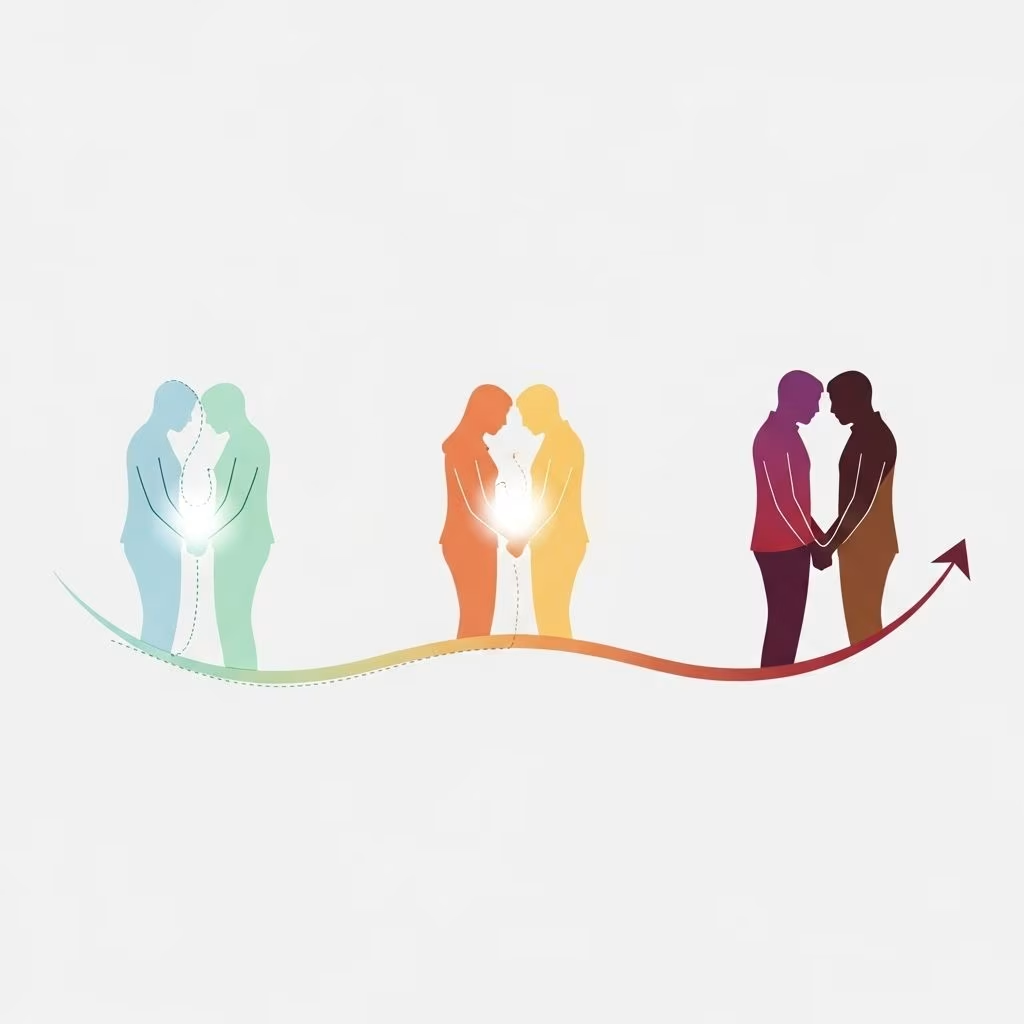
3 Stages of a New Relationship and How to Handle the Changes
Every romantic relationship unfolds through a series of emotional and psychological stages, each bringing its own joys, challenges, and opportunities for growth. By understanding these stages, couples can navigate the inevitable changes with greater clarity, patience, and resilience. This article explores the three main phases of a new relationship—Bliss, The Inevitable Turn, and Deepening Connection—and offers practical strategies for handling the transitions between them.
First Stage: New Relationship Bliss
The earliest phase of a new relationship is often characterized by intense connection, excitement, and an almost magical sense of harmony. Together, you feel invincible, as if you’ve finally found your “person.” Communication flows effortlessly, time together is prioritized, and even daily routines feel special.
- Both partners make a strong mutual effort to connect, communicate, and share experiences.
- Minor quirks and habits seem endearing rather than irritating.
- There is a sense of emotional safety—old fears and anxieties temporarily fade into the background.
- A strong foundation of trust, affection, and understanding is built during this stage.
This “honeymoon” phase feels wonderful but, by its nature, is not meant to last indefinitely. It creates a reservoir of positive feelings and memories that can sustain the relationship through tougher times.
Second Stage: The Inevitable Turn—When Fear Surfaces
Eventually, the intensity of the first stage wanes, and reality sets in. Comfort levels increase, guards come down, and old emotional wounds begin to surface. This is when fear, insecurity, or past trauma may emerge, often triggered by seemingly minor changes in the relationship dynamic.
- Communication may become less frequent or less enthusiastic.
- Partners may start spending less time together or developing independent interests.
- Feelings of anxiety, abandonment, or frustration may arise, sometimes disproportionately to the actual situation.
- Old patterns from previous relationships or childhood wounds can resurface, coloring the present.
This stage is a critical crossroads. Many couples misinterpret these changes as signs of incompatibility or disinterest, leading to conflict or even breakup. However, these shifts are not only normal but necessary for genuine intimacy. They signal an opportunity to grow both individually and as a couple—if both partners are willing to face their fears and communicate honestly.
Embracing the Inevitable Turn
The “Inevitable Turn” is not a failure, but an invitation to deepen the relationship. Here’s how to navigate it:
- Recognize the Patterns: Notice when old fears or insecurities are triggered, and try to separate them from the current relationship reality.
- Communicate Openly: Share your feelings with your partner without blame or accusation. Expressing vulnerability fosters closeness.
- Practice Self-Awareness: Reflect on your own emotional triggers and how they may be affecting your reactions.
- Seek Support: Consider therapy or mindfulness practices to help process unresolved issues.
- Stay Committed: Remember that every relationship goes through ups and downs. The willingness to work through challenges together is what builds lasting bonds.
Third Stage: Deepening Connection and Conscious Love
If both partners choose to stay present and engaged through the second stage, the relationship enters a new phase of deeper intimacy and mutual growth. This is where true, conscious partnership begins.
- Emotional Healing: As each person faces their own wounds, they become more capable of offering and receiving love.
- Conscious Choice: Love becomes a daily decision, not just a feeling. Both partners actively choose to nurture the relationship.
- Greater Authenticity: Masks come off; partners show up as their real selves, flaws and all.
- Mutual Growth: The relationship becomes a safe space for personal evolution and shared dreams.
This stage is marked by a sense of stability, trust, and genuine appreciation. The love that emerges is more mature, resilient, and fulfilling than the initial infatuation.
The Role of Conscious Relationships
A conscious relationship is one where both partners are committed to self-awareness, honesty, and personal growth. Key elements include:
- Commitment to Healing: Both partners agree to work through their individual issues together, rather than expecting the other to “fix” them.
- Equality and Responsibility: Each person takes ownership of their emotional triggers and commits to understanding themselves better.
- Open Communication: Difficult conversations are approached with respect, curiosity, and a desire to understand rather than to win.
- Boundaries and Space: Healthy relationships allow for individuality and personal space, recognizing that closeness and autonomy can coexist.
| Stage | Characteristics | Opportunities |
|---|---|---|
| New Relationship Bliss | Intense connection, excitement, idealization | Build foundation of trust and affection |
| The Inevitable Turn | Old fears emerge, communication shifts, reality sets in | Practice self-awareness and honest communication |
| Deepening Connection | Authenticity, mutual growth, conscious love | Develop lasting intimacy and partnership |
Frequently Asked Questions
Q: Why does the honeymoon phase end in relationships?
A: The “honeymoon phase” fades as partners become more comfortable and real-life routines set in. This shift is natural and provides an opportunity for deeper, more authentic connection.
Q: Is it normal to feel anxious when the relationship changes?
A: Yes, anxiety often arises when old fears or insecurities are triggered by relationship changes. Recognizing these feelings as part of the process can help you address them constructively.
Q: How can couples handle the transition from the bliss stage to the next phase?
A: Open communication, self-awareness, and a willingness to face challenges together are crucial. Seeking support, whether through therapy or mindfulness, can also help navigate this transition.
Q: What is a conscious relationship?
A: A conscious relationship is one where both partners commit to self-growth, honesty, and mutual support, using the relationship as a catalyst for healing and deeper connection.
Q: When should you consider ending a relationship?
A: If your partner is unwilling to engage in self-reflection or work on the relationship, it may be healthiest to move on. A conscious relationship requires effort and commitment from both sides.
Conclusion
Understanding the three stages of a new relationship—Bliss, The Inevitable Turn, and Deepening Connection—can help couples navigate change with greater mindfulness and resilience. The initial euphoria, the emergence of old fears, and the deepening of authentic intimacy are all natural parts of the journey. By committing to self-awareness, honest communication, and mutual growth, couples can transform challenges into opportunities for a stronger, more fulfilling partnership.
Key Takeaways
- Every relationship goes through natural stages—enjoy the early bliss, but expect and embrace the inevitable shifts.
- Change is not a sign of failure, but an invitation to deepen intimacy and understanding.
- A conscious, committed approach to relationships—focusing on self-awareness, honest communication, and mutual support—leads to lasting love.
- Be patient with yourself and your partner as you navigate each stage, and seek support when needed.
Call to Action
Reflect on your current or past relationship experiences. Which stage are you (or were you) in? How did you handle the changes? Share your insights and join the conversation about building conscious, resilient relationships.
References
- https://tinybuddha.com/blog/3-stages-of-a-new-relationship-and-how-to-handle-the-changes/
- https://tinybuddha.com/blog/how-to-create-a-healthy-and-lasting-romantic-relationship/
- https://tinybuddha.com/blog/3-steps-to-making-an-intimate-relationship-work/
- https://tinybuddha.com/blog/what-it-means-to-love-9-steps-strong-relationship/
- https://openheartproject.com/3-stages/
- https://tinybuddha.com/topic/creating-meaningful-relationships/
- https://tinybuddha.com/blog/love-shows-up-when-you-do/
- https://tinybuddha.com/blog/10-ways-to-create-a-strong-intimate-relationships/


