


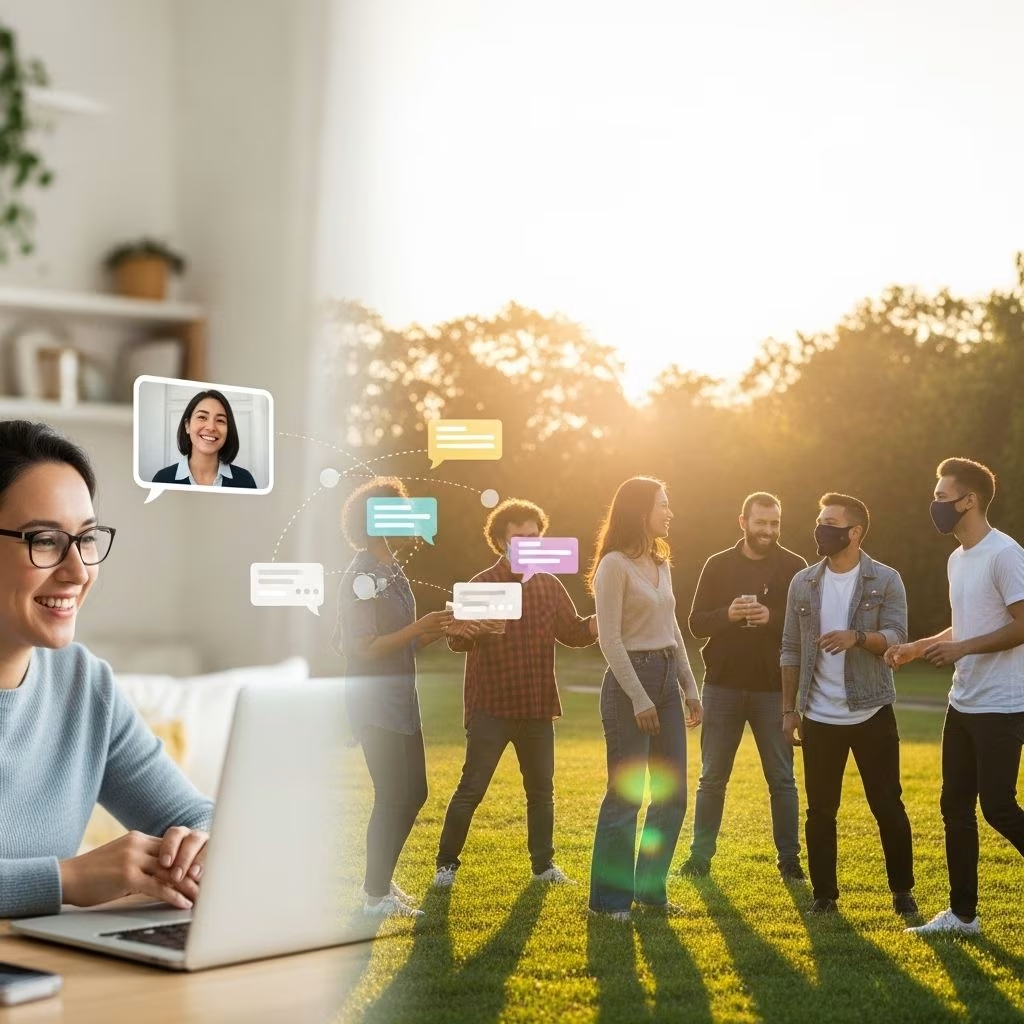
Introduction: Meeting New People in the Age of COVID
The COVID-19 pandemic has transformed every aspect of our social lives, including how we meet new people. With lockdowns, social distancing guidelines, and health concerns, traditional ways of making friends or finding romantic partners—such as bars, parties, or casual meetups—have been disrupted. However, connection is still possible, and many are adapting with creativity and resilience. Here’s a comprehensive guide to meeting new people safely during COVID-19, blending practical advice with thoughtful strategies for building meaningful connections.
Why Is It Harder to Meet New People Now?
The necessity to limit physical contact and avoid crowded places has made spontaneous social encounters rare. Traditional venues for socializing—clubs, gyms, coffee shops—have either closed or operate at limited capacity. Public health guidance emphasizes maintaining distance, wearing masks, and reducing the size of social gatherings, all of which can hinder the usual dynamics of meeting people face-to-face. For singles, dating now often means navigating a landscape where physical chemistry and traditional courtship rituals are replaced by digital exchanges and careful risk assessments.
Psychological and Social Challenges
- Increased anxiety: Fear of infection makes people more cautious and less willing to meet in person.
- Loneliness and isolation: Extended periods of social distancing may lead to feelings of loneliness, making it harder to reach out.
- Changing expectations: Many people prefer virtual or socially distanced activities, requiring both parties to adapt their expectations.
- Limited opportunities: With fewer social events and venues, there are fewer chances to meet new people organically.
How to Meet New People Safely During COVID-19
The key to meeting new people during the pandemic is a mix of digital savvy and creative, low-risk in-person activities. Here’s how you can build new connections while minimizing health risks.
Embrace Online Platforms
The pandemic has accelerated the adoption of online platforms for socializing, dating, and making friends. Dating apps, social media, and interest groups have all become critical tools for connection.
- Dating apps: Apps like Tinder, Bumble, and Hinge are adding features for video calls, virtual dating, and even virtual games, allowing users to connect without physical proximity.
- Zoom or Discord communities: Joining online communities based on hobbies, professional interests, or local events can help you meet like-minded people.
- Social media groups: Facebook groups, Reddit forums, and Clubhouse rooms centered on shared interests provide new ways to engage and connect.
Virtual Date Ideas
If you’re dating someone new, virtual dates can be fun and meaningful. Here are some ideas:
- Video calls: Cook a meal together while on a call, or have a coffee date.
- Online games: Play multiplayer games, quiz each other, or solve puzzles together.
- Streaming parties: Watch a movie or show together using Teleparty (formerly Netflix Party) or similar services.
These activities help you get to know someone without risking exposure, and they can be as creative and engaging as in-person dates.
Meeting New People In Person: Tips for Staying Safe
While virtual connection is crucial, in-person meetings are still possible with precautions. Here are some strategies for meeting new people face-to-face during COVID-19:
- Meet outdoors: Outdoor gatherings are lower risk than indoor ones. Consider walks in the park, hikes, or having a picnic.
- Wear masks: Always wear masks during in-person meetings, especially when physical distancing isn’t possible.
- Small gatherings: Keep the group size small and communicate openly about each other’s comfort levels and health status.
- Transparent communication: Discuss your risk exposures, health, and boundaries before meeting.
Building Friendships and Support Networks Online
The pandemic has emphasized the importance of community and emotional support. Building new friendships and support networks online is not only possible but increasingly common.
- Join online classes or workshops: Learning a new skill with others can lead to friendships.
- Support groups: Many support groups have moved online, offering connections for those feeling isolated.
- Local Meetup groups: Meetup and Eventbrite still offer virtual and socially distanced local events.
Maintaining New Connections: Relationships After the First Meeting
Once you’ve met someone new, it’s important to nurture the connection, whether it’s a friendship, romantic relationship, or professional network.
- Regular communication: Keep in touch through texts, calls, or video chats.
- Plan future activities: Discuss what you’ll do together when restrictions ease.
- Be flexible: Understand that plans may change due to health advisories, and be patient with each other.
Signs of Anxiety and Coping with Social Stress
The uncertainty of the pandemic can cause increased anxiety, especially when meeting new people. Recognizing these signs and practicing self-care is essential.
- Physical symptoms: Increased heart rate, sweating, or restlessness.
- Emotional symptoms: Worry, fear of rejection, or feeling overwhelmed.
- Coping strategies: Practice mindfulness, set realistic expectations, and don’t pressure yourself.
Creative Ways to Support Loved Ones and New Friends
Even if you can’t meet in person, there are numerous ways to show care and support: sending small gifts, handwritten notes, or organizing virtual gatherings for special occasions.
Meaningful Gestures
- Care packages: Send a care package with snacks, books, or cozy items.
- Virtual celebrations: Host birthday parties, movie nights, or game nights online.
- Check-ins: Regularly check in on new friends and loved ones; a simple message can mean a lot.
How Dating Has Changed During the Pandemic
The pandemic has fundamentally altered dating norms. Many couples have moved in together sooner than planned or have had to delay meeting in person, relying on virtual dates to build connections. Some find these experiences deepen intimacy, while others discover incompatibilities more quickly. The pandemic serves as a “reality test” for relationships, accelerating both breakups and bonds. Dating apps have adapted by promoting “dating from home,” and virtual dates have become the norm for many.
| Aspect | Pre-COVID | During COVID |
|---|---|---|
| Meeting Venues | Bars, cafes, events | Virtual platforms, outdoor spaces |
| Social Distancing | Not a major factor | Central to planning |
| Communication | Texting, calling, in-person | Video calls, virtual activities |
| Relationship Pace | Gradual | Accelerated or delayed |
Frequently Asked Questions (FAQs)
Is it safe to meet new people during COVID-19?
Yes, but precautions are necessary. Prioritize virtual meetings, wear masks, meet outdoors, and keep gatherings small and transparent about health status.
How can I make friends online during the pandemic?
Join interest-based groups, attend virtual events, participate in online classes, or use apps designed for making friends.
What are some fun virtual date ideas?
Cook together over video, play online games, watch movies simultaneously, or go on virtual museum tours.
How do I deal with social anxiety while meeting new people online?
Set small, manageable goals, practice mindfulness, and remind yourself that many people are feeling similarly during this time.
Can relationships formed during the pandemic last?
Relationships formed during COVID-19 can be just as strong—or even stronger—due to shared experiences and emotional support during challenging times.
Conclusion
While the COVID-19 pandemic has reshaped how we meet and connect, it hasn’t eliminated our need for social interaction and intimacy. By embracing digital tools, practicing safety, and being creative, it’s still possible to build new friendships, find romance, and maintain support networks. The key is adaptability, transparency, and a willingness to try new approaches to connection.
Remember, the quality of your connections matters more than quantity. Take things at your own pace, stay safe, and remain open to the unexpected ways relationships can grow—even in these unusual times.


