


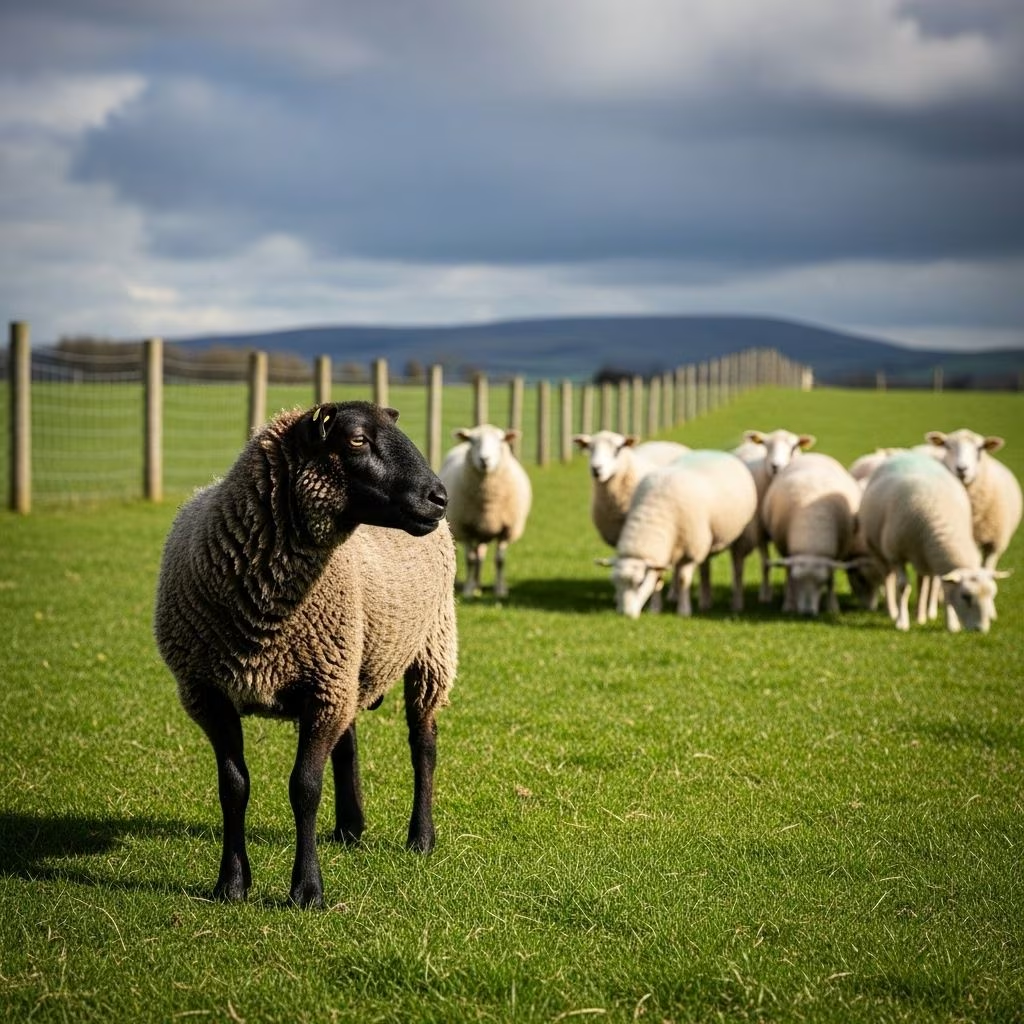
Introduction to the Black Sheep Concept
The term ‘black sheep’ refers to a family member who stands out as different from the rest, often due to behavioral, interest, or personality differences. This differentiation can be a source of both challenges and opportunities within the family structure.
Why Someone Becomes the Black Sheep
Being designated as the black sheep can stem from various factors, including but not limited to family dynamics, personality traits, and unaccepting family environments. Here are some common reasons:- Lack of Common Ground with Parents: When a child has interests or personality traits that diverge significantly from those of their parents, they may be perceived as different or odd.- Sibling Rivalry: In some families, competition for attention can lead to one sibling being marginalized, becoming the black sheep.- Unaccepting Family Environments: Families with rigid beliefs or biases may ostracize members who do not conform to their standards.- Mental Health Issues: A child with mental health issues, such as depression or anxiety, may be pushed to the periphery due to a lack of understanding or support.
Impact on Mental Health
Being the black sheep can have profound effects on an individual’s mental health. Feelings of isolation or rejection can lead to low self-esteem and depression. However, this status can also foster resilience and independence.
Strategies for Coping
If you identify as the black sheep, there are several strategies to cope with this role:- Self-Reflection and Acceptance: Understand and accept your uniqueness and the reasons behind your status.- Building Support Networks: Seek support from friends, peers, or mentors who appreciate your differences.- Embracing Your Identity: Use your position to foster independence and self-growth, recognizing it as a catalyst for personal development.
The Black Sheep as a Mirror
In family systems theory, the black sheep often serves as a mirror, reflecting the family’s underlying issues and dysfunctions. This role can be both challenging and empowering, as it offers the opportunity to confront and resolve long-standing family conflicts.
Turning Adversity into Opportunity
While being the black sheep can be difficult, it also presents a unique opportunity for personal growth and transformation. By embracing your differences and moving beyond the constraints of family expectations, you can forge your own path and discover new strengths and perspectives.
Frequently Asked Questions (FAQs)
Q: What is the typical response of a family to a black sheep?
A: Responses can vary from acceptance to rejection. Some families may marginalize the black sheep due to their inability to understand or accept differences, while others might embrace their uniqueness.
Q: How can being the black sheep impact personal relationships?
A: It can lead to strained relationships within the family but also foster deeper connections with those outside the family who appreciate your individuality.
Q: What are some positive outcomes of being a black sheep?
A: It can lead to increased resilience, independence, and a stronger sense of self. It provides an opportunity to explore one’s identity without the constraints of family expectations.
Conclusion
Being the black sheep of the family is a complex experience that can bring both challenges and opportunities. By understanding the reasons behind this status and embracing one’s uniqueness, individuals can turn adversity into a path for personal growth and transformation.
References
- https://drjonicewebb.com/black-sheep-2/
- https://thechangingroom.blog/2022/08/05/what-does-it-mean-to-be-the-black-sheep-of-the-family/
- https://www.aplaceofhope.com/why-am-i-the-black-sheep-of-the-family-and-how-can-i-cope/
- https://lonerwolf.com/black-sheep-of-the-family/
- https://www.psychologytoday.com/us/blog/making-the-whole-beautiful/202201/the-power-of-being-the-black-sheep-of-the-family
- https://www.psychologytoday.com/us/blog/invisible-bruises/202304/are-you-the-family-black-sheep-heres-how-to-deal


