


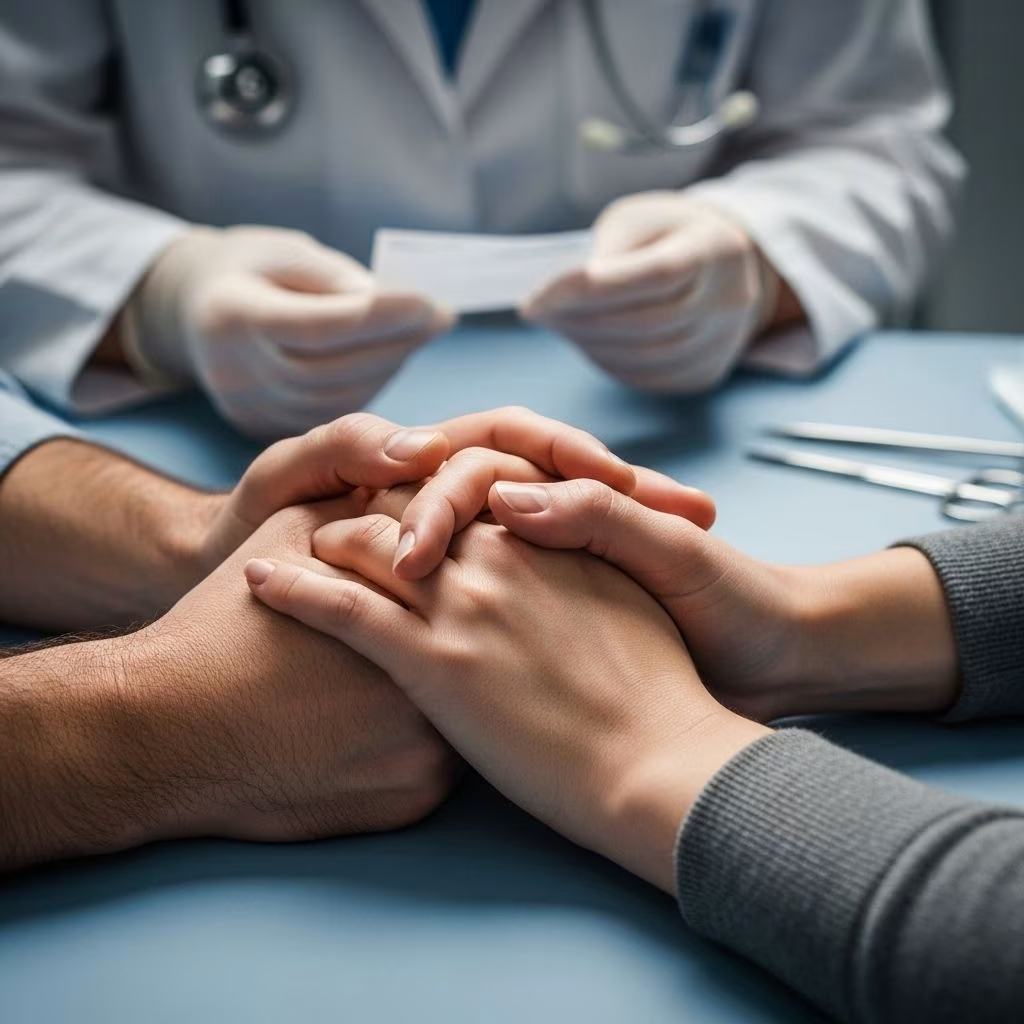
What Happens When an STD Scare Strikes Your Relationship?
Few things in a relationship are as unsettling as an STD scare. The discovery—or even the suspicion—that you or your partner may have contracted a sexually transmitted disease can shake even the strongest bonds. It’s a situation filled with emotional turmoil, difficult conversations, and uncertainty about the future of your relationship. But with the right approach, couples can survive this challenge and even grow closer through adversity.
When Does an STD Scare Happen?
An STD scare can arise from many situations: a partner confessing to past risky sexual behavior, unexplained symptoms, or positive test results. Sometimes, it’s prompted by infidelity or a partner’s admission of outside sexual contact. Other times, it comes from a routine sexual health check-up that reveals an unexpected infection. In any case, the moment you realize an STD has entered your relationship is anything but ordinary—it’s a shock that demands attention and action.
What to Do When You Discover These Symptoms?
If you or your partner notice symptoms such as unusual discharge, sores, burning during urination, itching, or rashes in the genital area, it’s crucial not to panic. While these symptoms can indicate an STD, they can also be caused by other non-sexually transmitted conditions. The first step is to see a healthcare provider for accurate testing and diagnosis. Avoiding the doctor or ignoring symptoms won’t make the problem go away—it only delays the inevitable and increases the risk of complications.
- Don’t self-diagnose: Only a healthcare professional can confirm an STD.
- Get tested promptly: Early detection leads to better outcomes.
- Communicate with your partner: Honesty at this stage is essential, even if it’s uncomfortable.
What Happens When You Tell Your Partner?
Starting a conversation about an STD is never easy, but it’s necessary. The way you approach your partner can set the tone for how you’ll handle the situation together. If you’re the one delivering the news, be direct but compassionate. If you’re on the receiving end, try to listen without immediate judgment—this is a time for empathy, not blame.
It’s common for both partners to feel a range of emotions: shock, anger, betrayal, embarrassment, or guilt. Recognize these feelings as normal. What’s important is how you process them together. The conversation may be awkward, but facing the issue head-on is better than letting it fester.
Both Should Get Treated at the Same Time—Here’s Why
If one partner tests positive for an STD, both should be tested—and, if necessary, treated—simultaneously. Many STDs can be passed back and forth between partners, even if only one person is initially infected. Treating both partners at the same time ensures that the infection is fully eliminated and prevents reinfection. This is especially important for bacterial STDs like chlamydia and gonorrhea, which are curable with antibiotics but can recur if one partner remains untreated.
| STD Type | Curable | Treatable | Both Partners Should Be Treated? |
|---|---|---|---|
| Chlamydia | Yes | Yes | Yes |
| Gonorrhea | Yes | Yes | Yes |
| Herpes | No | Yes | Yes |
| HPV | No | Sometimes | Yes (vaccination) |
| HIV | No | Yes | Yes |
Who Was the Original Carrier? The Awkward Truth
When both partners test positive, it’s natural to wonder who “gave” the infection to whom. However, it’s often impossible to determine with certainty, especially since many STDs can be asymptomatic for long periods. Does it really matter who was the original carrier? In most cases, assigning blame is counterproductive and can deepen rifts in the relationship. Focus instead on mutual support, treatment, and protecting each other’s health moving forward.
Where Did the STD Come From? Facing the Truth
If the STD resulted from a partner’s infidelity, the emotional impact can be devastating. You may feel betrayed, angry, or deeply hurt. It’s okay to acknowledge these feelings. Honest communication about the origins of the infection is essential, even if it’s painful. Deciding whether to continue the relationship is a deeply personal choice. Some couples rebuild trust, while others decide to separate—both choices are valid and depend on individual circumstances and values.
Be Open and Honest With Each Other
Recovering from an STD scare requires openness and vulnerability. Talk about your fears, your feelings of betrayal, and your concerns about the future. Avoid the temptation to hide your emotions or minimize the problem. Transparency is key to rebuilding trust, whether you choose to stay together or part ways. Silence and secrecy only prolong the pain and prevent true healing.
Acceptance: It Happened, Now Deal With It
Accepting that an STD scare—or diagnosis—has happened is a crucial step toward healing. Acknowledging the situation allows you to take constructive action, rather than getting stuck in denial, shame, or anger. Acceptance doesn’t mean condoning what happened; it means facing reality so you can move forward with clarity and purpose. This is a time for self-care, seeking support from friends or professionals, and making decisions that are right for your well-being.
You Can Fix This Broken Bond—If You Want To
While an STD scare can strain or even break a relationship, many couples do recover and rebuild trust. Surviving this challenge together can deepen emotional intimacy and strengthen your commitment. If you both want to repair the relationship, consider counseling or therapy to facilitate honest communication and emotional healing. Remember, every relationship is unique—there’s no one-size-fits-all solution.
Frequently Asked Questions (FAQs)
Q: Can a relationship survive after one partner gives the other an STD?
A: Yes, with honesty, mutual effort, and often professional support, relationships can survive and even grow stronger after an STD scare. However, rebuilding trust takes time and commitment from both partners.
Q: How do I talk to my partner about getting tested for STDs?
A: Approach the conversation from a place of respect and concern for both your health. Choose a calm, private moment to discuss testing, and focus on shared well-being rather than blame or suspicion.
Q: What should I do if I find out I have an STD?
A: Seek medical advice immediately, inform your partner(s), and follow your doctor’s treatment plan. Consider emotional support from friends, family, or a counselor.
Q: Is it normal to feel angry or ashamed after an STD scare?
A: Yes, these feelings are common. Allow yourself to process them, but try to avoid acting on extreme emotions. Self-care and support are vital during this time.
Q: How can we prevent STD scares in the future?
A: Practice safer sex, get regular sexual health check-ups, and maintain open, honest communication about sexual history and health with your partner.
In Summary
An STD scare is a crisis point for any relationship, but it doesn’t have to be the end. With honesty, empathy, medical care, and mutual support, couples can navigate this challenge together. Whether you choose to stay together or part ways, remember that your health and emotional well-being come first. Take time to care for yourself, seek professional advice, and communicate openly with your partner. Together, you can move forward—stronger, wiser, and with a clearer understanding of what matters most in your relationship.
References
- https://www.drnataliejones.com/relationshipstips-follow-partner-std/
- https://www.stdrapidtestkits.com/blog/post/std-betrayal-can-relationships-survive
- https://www.stdcheck.com/blog/stay-with-someone-who-gave-you-std/
- https://rightasrain.uwmedicine.org/life/sex/talk-about-stds-with-partner
- https://www.lovepanky.com/my-life/relationships/surviving-an-std-scare-in-a-relationship-9-things-to-know
- https://www.stdrapidtestkits.com/blog/post/how-to-talk-about-stds-without-ending-the-relationship
- https://www.healthline.com/health/healthy-sex/how-to-share-your-sti-std-status
- https://walkingyn.com/2021/04/01/how-could-this-happen-to-me-dealing-with-an-sti-diagnosis/
- https://www.hiv.gov/blog/stop-stis-six-steps-to-safer-sex


