


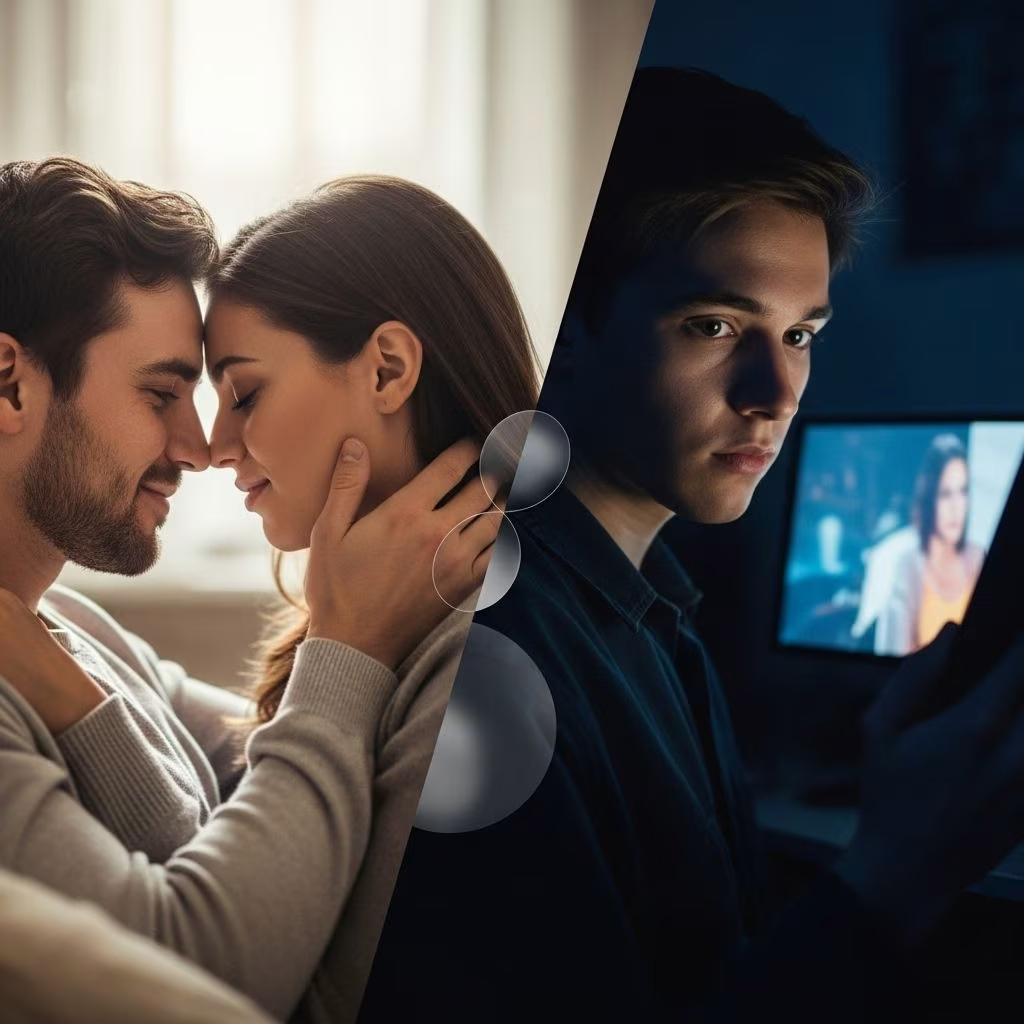
Pornography and Romantic Relationships: Navigating a Complex Issue
The role of pornography in romantic relationships is a subject of growing debate and research. With access at an all-time high, couples are increasingly faced with navigating the impact of porn on emotional intimacy, trust, sexual satisfaction, and overall relationship well-being. While some see it as a harmless or even beneficial part of adult life, others view it as a threat to partnership harmony. This article explores the ways pornography can affect romantic relationships, presents key expert and scientific perspectives, and offers guidance for honest, productive conversations and mutual understanding.
Contents
- Pornography, Intimacy, and Trust: Understanding the Core Issues
- How Pornography Alters Sexual Expectations
- Secrecy, Commitment, and Relationship Dynamics
- Is It Possible for Pornography to Coexist with Healthy Relationships?
- How to Talk About Porn Use with Your Partner
- Strategies for Rebuilding Trust and Connection
- Frequently Asked Questions
Pornography, Intimacy, and Trust: Understanding the Core Issues
One of the most commonly discussed aspects of pornography and relationships is its influence on emotional intimacy and trust. Many studies and expert clinicians highlight several key impacts:
- Impaired emotional intimacy: Porn use can sometimes take the place of real-world connection, leading to feelings of emotional abandonment or disconnection between partners.
- Altered sexual satisfaction: Regular pornography use is associated with lower levels of both emotional and sexual satisfaction in relationships, for both users and their partners.
- Issues of trust: Many couples report a diminished sense of trust and security when porn use is discovered, particularly if it was kept secret.
- Emotional isolation: Increased secrecy or hiding of porn use can exacerbate feelings of isolation and depression for both parties.
According to Drs. John and Julie Gottman—preeminent relationship researchers—pornography, in many cases, poses a “serious threat to couple intimacy and relationship harmony.” Their extensive research suggests that for many couples, porn is associated with less emotional dedication, reduced trust, and even an increased likelihood of affairs and divorce.
How Pornography Alters Sexual Expectations
Another significant concern is the way pornography can shift expectations around sex and alter the meaning of intimacy in relationships. Here’s how:
- Distorted expectations: Pornography often depicts sexual acts that prioritize novelty, gratification, or aggression, which can differ greatly from the emotional connection involved in partnered sex.
- Changing sexual scripts: Frequent viewers may develop a mental “script” for sex based on what they see in pornography, leading them to want or expect similar acts with their partners.
- Pressure to imitate: Some individuals may feel pressure, or request their partner, to mimic pornographic acts, which can lead to discomfort, insecurity, or feelings of inadequacy.
- Arousal dependency: Over time, users might involuntarily rely on pornography to maintain arousal, making it harder to enjoy real-life intimacy without it.
- Body image and performance concerns: Comparisons to actors in pornography can foster insecurities in both users and their partners.
A study cited by Canopy found that increased pornography consumption is strongly associated with a greater likelihood of requesting specific pornographic acts, using pornography images to remain aroused during sex, and higher rates of anxiety over personal sexual performance or body image.
Secrecy, Commitment, and Relationship Dynamics
Pornography use—especially if undisclosed—can introduce secrecy and undermine the sense of commitment in a relationship. The following dynamics have been observed:
- Secrecy and hidden behaviors: Fear of judgment, personal embarrassment, or differing values may drive one partner to hide their porn use, which, once discovered, can feel like a breach of trust or even betrayal.
- Altered commitment: For some, frequent exposure to varied sexual partners and acts can lead to an altered perspective on relationships, potentially weakening the value they place on monogamy.
- Increased relationship conflict: Arguments about pornography use are common, especially in couples where one partner is unaware of the other’s habits or holds different beliefs about porn.
- Psychological effects: Both users and their partners often report diminished relationship satisfaction, reduced feelings of security, and increased emotional distance.
- Greater risk of breakup: Research indicates a higher likelihood of separation or divorce in couples where one or both partners engage in regular porn use.
Is It Possible for Pornography to Coexist with Healthy Relationships?
The conversation about pornography and relationships cannot be reduced to black and white. Context matters enormously. Research and expert opinion suggest the following nuances:
- Mutual acceptance: Some couples find that consensual, open consumption of pornography together can enhance sexual exploration or spark conversation about desires.
- Different impacts: Attitudes toward pornography vary by individual beliefs, values, and cultural contexts; what feels like a betrayal to one partner might be neutral or positive to another.
- Communication is key: The ability to talk honestly and openly about pornography, desires, and boundaries is a strong predictor of a couple’s capacity to navigate the challenges it may bring.
- Values congruence: When both partners share similar attitudes and comfort levels about porn, its negative impact on relationship satisfaction appears diminished.
- Potential benefits: For some couples, especially those in long-term relationships, limited and mutually agreed-upon porn use can serve as a source of sexual novelty or help open up conversations around fantasy.
However, it’s important to note that large-scale studies consistently find negative associations between porn use and relationship satisfaction—particularly when usage is secret or one-sided.
How to Talk About Porn Use with Your Partner
Honest, non-judgmental conversations are essential for couples navigating the topic of pornography. Here is a step-by-step guide to approaching this delicate subject:
- Reflect on your beliefs and feelings: Before starting the conversation, consider your own thoughts and feelings on pornography. Identify what makes you uneasy, what you’re curious about, and where you stand on its place in your relationship.
- Choose the right moment: Select a time when both partners are relaxed and free of distractions, rather than during or after an argument or moment of discovery.
- Use non-accusatory language: Express your concerns using “I” statements (e.g., “I feel insecure when…”), which are less likely to be perceived as blaming.
- Be open and honest about habits: Share your own experiences and ask your partner about theirs, making it clear that honesty is valued over secrecy.
- Discuss values: Explore how both of you were raised to think about porn, and what you’re comfortable with individually and as a couple.
- Set mutual boundaries: Agree on boundaries and guidelines—such as frequency, types of content, or whether to use pornography together—that are comfortable for you both.
- Check in regularly: Because individuals and relationships evolve, revisit the conversation periodically to adjust as needed.
Open communication helps convert pornography from a source of tension into a starting point for understanding, empathy, and sometimes even intimacy.
Strategies for Rebuilding Trust and Connection
If pornography has caused tension, secrecy, or a breach of trust in your relationship, there are ways to rebuild and move forward stronger as a couple.
- Acknowledge the issue: Both partners should recognize the impact pornography use has had, without minimizing each other’s emotions.
- Seek understanding: Rather than jumping to judgment, try to understand the motivations and feelings behind porn use. Sometimes, it may be a mechanism for coping with stress or loneliness rather than a sign of dissatisfaction with the relationship.
- Establish clear boundaries: Revisit boundaries that both partners feel comfortable with, and agree to honor them going forward.
- Work on emotional intimacy: Make time for emotionally connecting activities (deep conversations, physical affection, or shared hobbies) that reinforce your romantic bond.
- Consider professional help: For couples experiencing ongoing conflict, diminished intimacy, or repeated breaches of trust, therapy—either individually or together—can be invaluable in facilitating healing and understanding.
- Be patient: Building back trust is a process that takes time, consistent behavior, and ongoing dialogue.
Frequently Asked Questions (FAQs)
Q: Can couples use pornography together without negative consequences?
A: Some couples report positive experiences using pornography together as a way to explore fantasies or communicate desires. The key factors are transparency, mutual consent, and aligned values. However, studies repeatedly show that secrecy or disagreement about porn use correlates with relationship dissatisfaction.
Q: Is it considered cheating if I watch pornography while in a relationship?
A: Whether porn use constitutes “cheating” is highly subjective and depends on individual values and mutually agreed boundaries. For some, undisclosed or excessive use may feel like a betrayal; for others, it is benign. Open discussion is crucial for clarity.
Q: Can pornography use become addictive, and how does that impact a relationship?
A: For a minority of individuals, compulsive pornography use may resemble addictive behavior, often interfering with daily life and relationship satisfaction. This can lead to secrecy, emotional withdrawal, and even avoidance of real intimacy. Professional support may be necessary in severe cases.
Q: What should I do if my partner and I have very different views on pornography?
A: Acknowledge and respect each other’s perspectives, and avoid dismissing the other’s values or feelings. If compromise can’t be reached, consider seeking guidance from a couples counselor to facilitate communication and mutual understanding.
Q: Does pornography always harm relationships?
A: Not always—context, communication, and values alignment are crucial. However, a substantial body of research shows frequent or secretive porn use is associated with lower relationship satisfaction, trust, and intimacy for many couples.
Q: How do I rebuild trust after secrecy about pornography use is discovered?
A: Rebuilding trust involves open acknowledgment, patience, consistent honesty, and sometimes, professional couples therapy. Both parties should engage in honest dialogue and set mutually acceptable boundaries going forward.
Summary Table: Key Effects of Pornography on Relationships
| Impact Area | Potential Negative Effects | Potential Neutral/Positive Effects |
|---|---|---|
| Emotional Intimacy | Emotional distance, isolation, reduced connection | Enhanced communication about desires (when mutually accepted) |
| Sexual Satisfaction | Less real-life arousal, performance anxiety, comparison to actors | Sexual novelty and experimentation (for some) |
| Trust & Commitment | Secrecy, breaches of trust, altered views on monogamy | Honest usage can model high trust in some open couples |
| Relationship Stability | Increased conflict, higher risk of breakup/divorce | Boundary-setting may improve overall relationship health |
| Communication | Arguments, discomfort, avoidance | Greater transparency, productive conversations |
Final Thoughts
Pornography, like many facets of human sexuality, is not inherently good or bad—it is the evolving context, the communication, and the mutual values of each couple that determine its impact. Couples who foster openness, respect each other’s boundaries, and face challenges together are best equipped to navigate this complex aspect of modern relationships.
References
- https://www.addictioncenter.com/community/pros-cons-pornography-relationships/
- https://canopy.us/blog/how-porn-affects-relationships/
- https://news.byu.edu/intellect/pornography-use-at-any-level-harms-romantic-relationships-says-new-byu-study
- https://decidetocommit.com/turning-away-from-connection-the-impact-of-pornography/
- https://extension.usu.edu/relationships/research/effects-of-pornography-on-relationships
- https://pmc.ncbi.nlm.nih.gov/articles/PMC6155976/
- https://fightthenewdrug.org/how-porn-negatively-impact-relationship/
- https://www.socialcostsofpornography.com/Bridges_Pornographys_Effect_on_Interpersonal_Relationships.pdf
- https://ifstudies.org/blog/does-pornography-use-affect-relationship-well-being


