


Introduction to Sleep Divorce
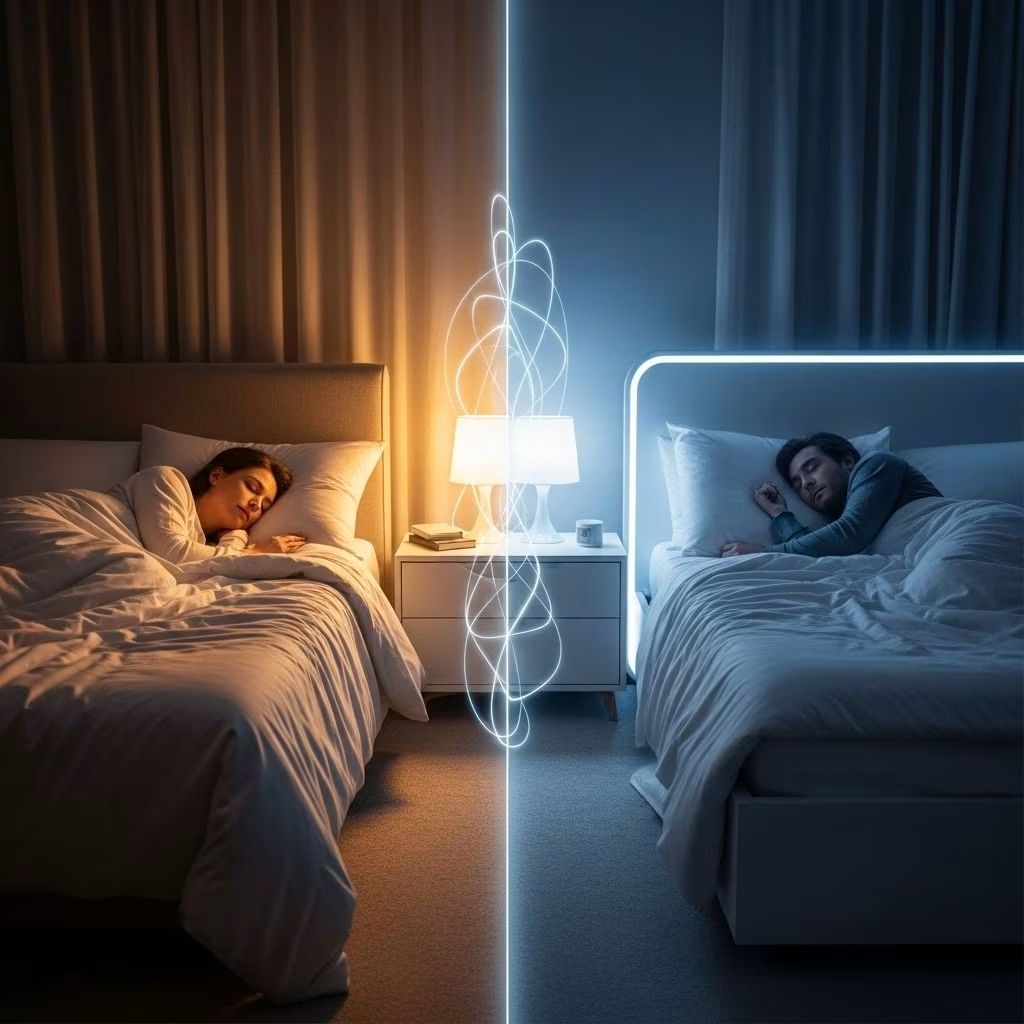
Sleep divorce, a term that might sound alarming at first, is actually a practical solution many couples adopt to improve their sleep quality. It involves sleeping in separate beds or even different rooms to ensure both partners get the rest they need. This concept is not about drifting apart emotionally but rather about ensuring each person’s sleep needs are met, which can ultimately strengthen the relationship.
What is a Sleep Divorce?
A sleep divorce is a mutual decision by couples to sleep separately, not due to relationship issues but to address disruptive sleep patterns. This can be due to snoring, differences in temperature preferences, or work schedules that clash. It’s a choice made to prioritize good sleep, which is crucial for physical and mental health.
Benefits of a Sleep Divorce
- Better Quality Sleep: Each partner can create an ideal sleep environment, leading to improved rest and waking up refreshed.
- Enhanced Mood and Patience: Adequate sleep boosts mood and patience, helping couples handle daily stressors more effectively.
- Improved Intimacy: Sometimes, sleeping apart can lead to more meaningful intimacy as both partners are well-rested and more inclined to be affectionate.
- Reduced Conflict: Sleep disruptions can lead to arguments. By sleeping separately, couples can reduce these conflicts and enjoy a more harmonious relationship.
Challenges of a Sleep Divorce
While a sleep divorce can be beneficial, it also raises concerns about emotional connection and intimacy. Some may worry that sleeping apart could lead to a decrease in romantic feelings or closeness. However, maintaining intimacy is possible through open communication and intentional quality time outside of sleep.
Making a Sleep Divorce Work
To ensure a sleep divorce enhances your relationship, it’s essential to communicate openly about needs and boundaries. Scheduling regular date nights or activities can help maintain connection and intimacy.
Frequently Asked Questions (FAQs)
Q: Is a sleep divorce a sign of a failing relationship?
A: No, it’s not a sign of a failing relationship. It’s a practical solution to address sleep disruptions without compromising the emotional bond.
Q: How common is it for couples to sleep separately?
A: According to surveys, a significant portion of couples choose to sleep in separate beds or rooms for most or all of the time.
Q: Can a sleep divorce lead to more intimacy?
A: Yes, it can. Being well-rested can increase affection and desire for intimacy, as both partners are in a better state of mind and body.
References
- https://www.theknot.com/content/sleep-divorce
- https://sleep.me/post/how-to-overcome-the-challenges-of-sleep-divorce
- https://mdmblaw.com/2023/06/05/exploring-the-concept-of-sleep-divorce-benefits-and-drawbacks/
- https://www.goodhousekeeping.com/life/relationships/a28750269/what-is-sleep-divorce-meaning/
- https://www.sleepfoundation.org/sleep-hygiene/what-is-a-sleep-divorce
- https://aasm.org/americans-opting-sleep-divorce-accommodate-bed-partner/


