


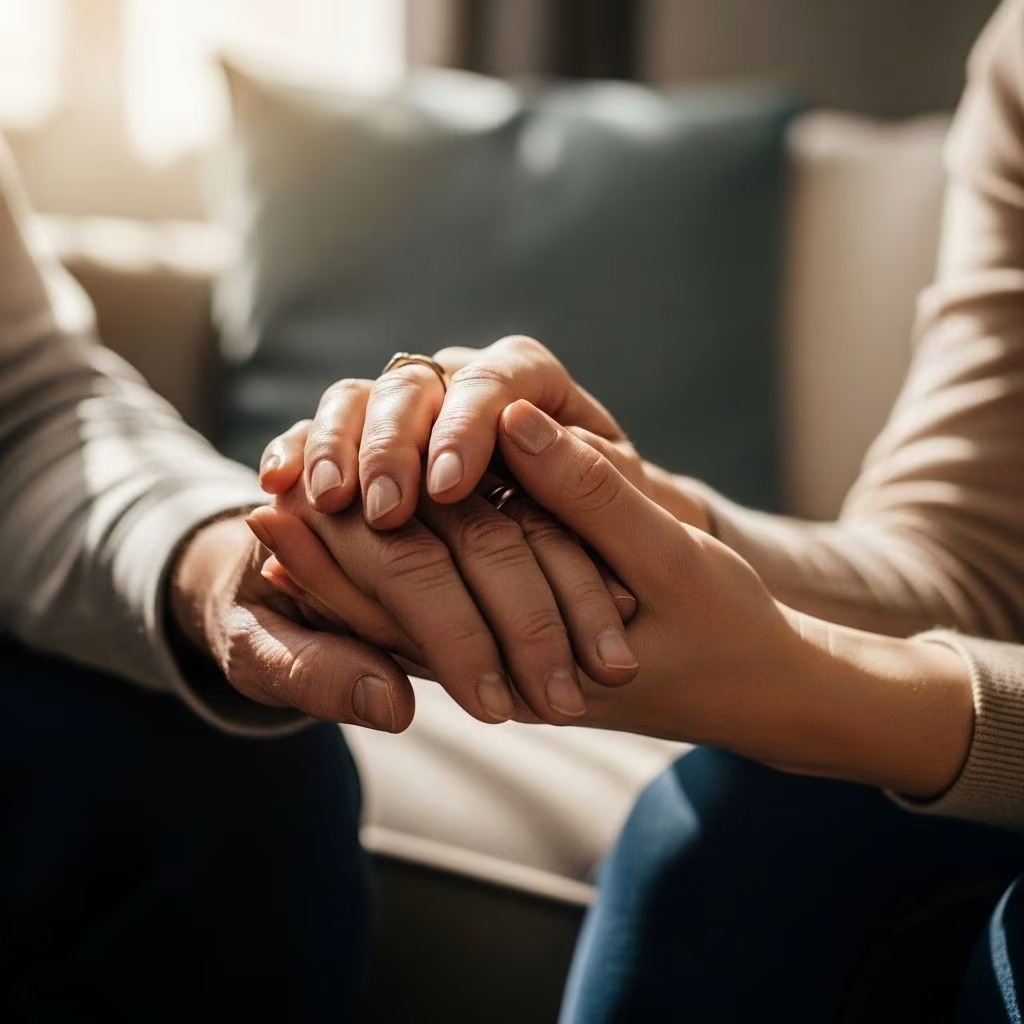
The Power of Vulnerability: Why Being Open Transforms Relationships
In today’s fast-paced digital landscape, the pursuit of love and genuine human connection takes on new complexities. Although technology offers endless ways to meet people, establishing intimacy often remains elusive. At the heart of this challenge lies a simple but profound concept: vulnerability. Being vulnerable in relationships means letting down your guard and expressing your true self — including your fears, hopes, and deepest emotions. This act of openness can feel risky, yet it is the critical foundation upon which enduring intimacy is built.
Why Is Vulnerability So Difficult in Modern Dating?
Despite craving meaningful relationships, many of us construct elaborate walls to protect ourselves from pain or rejection. Our curated social media profiles project only our most polished selves, leaving little room for showing real feelings or flaws. Dating apps have amplified this, encouraging us to judge based on appearances and bios rather than authentic exchange.
- Swipe culture has made connections fleeting and disposable, elevating physical attraction and surface-level compatibility over genuine emotional risk-taking.
- Fear of rejection keeps many from revealing vulnerable parts of themselves, leading to shallow, unsatisfactory dating experiences.
- We tell ourselves “it’s just sex” to avoid attachment, but this can further separate intimacy from emotional closeness.
As a result, we often end up interacting with the digital “idea” of someone, rather than forming a true relationship with the actual person. This emotional distance reinforces the walls around our hearts, making authentic connections even more challenging.
The Illusion of Intimacy: Mistaking Connection for Closeness
It’s easy to confuse intense digital communication with real bonding. Scrolling through a new date’s social feeds might give you a sense of familiarity, but this is not the same as emotional intimacy. We fall for the image, not the individual. Until we allow ourselves to be vulnerable, we’re dating an idea — not the person behind the curated persona.
True intimacy only develops when both people are willing to break down these walls. That requires courage, honesty, and a willingness to risk getting hurt. As uncomfortable as it may be, openness is the door through which genuine relationships pass.
Unpacking Our Layers: Shedding the Armor
Every person is like a nesting doll, containing layers of identity and emotion. Thanks to modern culture’s relentless demand for self-presentation, many find it difficult to reveal anything beneath the surface.
- Our “outer layer” is our public face: carefully edited and socially acceptable.
- The “inner layers” hold our authentic selves: beliefs, dreams, and vulnerabilities rarely shown to others.
When we avoid exposing these inner layers, we get stuck at the “Instagram infatuation stage.” In order to move deeper, it’s essential to reveal more of ourselves—risking imperfection for the chance at true connection.
Why True Vulnerability Is Worth the Risk
Vulnerability means letting go of the urge to control how others perceive us. It’s about:
- Sharing personal stories that illuminate your values.
- Voicing authentic opinions even if they don’t match your date’s.
- Standing firm in what matters to you—regardless of acceptance or rejection.
This level of openness can feel daunting, but it carries real rewards. By dropping the mask, we attract those who appreciate us for who we are, not the role we perform.
The Mechanics of Being Vulnerable
Many people believe that vulnerability is simply about confessing secrets or sharing emotional pain. In reality, genuine vulnerability is about intention.
- If you reveal a painful memory solely to seek sympathy or validation, that’s not vulnerability—it’s an attempt at control.
- If you express yourself simply because it’s real for you, with no guarantee of outcome, only then are you truly open.
Vulnerability is not:
- A manipulative tactic to win someone’s affection.
- An emotional dumping ground where boundaries are ignored.
- Revealing everything too soon in hopes of shortcutting intimacy.
Instead, it’s the conscious decision to let yourself be truly seen where it counts the most.
Barriers to Vulnerability: Why We Hide
Opening up can be scary. The main barriers include:
- Fear of rejection: Worrying that your true self will be judged, mocked, or dismissed.
- Pain from past relationships: Old wounds can make new risks seem too dangerous.
- Cultural and gender expectations: Men, especially, are often socialized to suppress emotion, viewing vulnerability as weakness.
- Desire to be “cool” or “in control”: Showing emotion can feel like surrendering power.
Yet remaining behind these shields rarely leads to happiness. Rejection stings less than the ongoing ache of loneliness that comes from never being truly known.
When Vulnerability Feels Dangerous
There are moments when being too vulnerable—too quickly—can leave us feeling exposed or misunderstood. This “emotional vomit” happens when someone reveals everything at once, often overwhelming the listener rather than fostering closeness.
- Healthy vulnerability progresses over time: Start with trust-building disclosures, gradually deepening your openness as trust and affection grow.
- Recognize safe boundaries: Not every relationship deserves your deepest truths immediately.
The goal is not to share everything, but to allow yourself to share what’s real when the moment calls for it.
Steps Toward Authentic Intimacy
Making the leap from surface flirtation to lasting intimacy does not require superhuman bravery—just small acts of openness, again and again. Consider these methods:
- Share small pieces first: Disclose something personal, then observe the response.
- Ask deeper questions: Go beyond hobbies or opinions; explore formative experiences, hopes, and beliefs.
- Practice active listening: Validate your partner’s feelings and encourage reciprocal sharing.
- Express gratitude and admiration: Tell someone what you genuinely appreciate about them.
- Stay present: Resist the urge to self-edit or hide when uncomfortable emotions arise.
Vulnerability in Long-Term Relationships
| Surface-Level Bonds | Deepening Intimacy |
|---|---|
| Emotional walls stay up | Partners share fears, hopes, and failures |
| Polite conversations dominate | Genuine disagreements and solutions emerge |
| Affection feels routine | Expressions of gratitude feel sincere and energizing |
| Conflicts remain unresolved | Tough conversations strengthen the bond |
All lasting relationships require continual risk-taking. Over time, vulnerability deepens trust and cements commitment, even as challenges arise. Emotional openness is not a one-time gesture; it’s an ongoing process.
Why Vulnerability Is a Strength, Not a Weakness
In a culture that glorifies independence and emotional self-control, vulnerability is often mistaken for fragility. In truth, daring to show your true self in a relationship demonstrates emotional maturity, courage, and confidence.
- It takes strength to admit uncertainty or fear in the presence of someone you care about.
- Being real strengthens relationships, inviting deeper respect and intimacy rather than contempt.
- Vulnerability fosters resilience. Each time you open up and survive (whether the outcome is positive or painful), you develop greater emotional capacity for future relationships.
Embracing Vulnerability: A Modern Love Imperative
There is no shortcut to authentic connection. If you only present a sanitized, “likeable” version of yourself, you may avoid rejection—but you also miss the possibility of real love and acceptance.
If you want meaningful, lasting relationships, the path is clear but challenging: dare to reveal your true self. Show your real joys, wounds, thoughts, and ambitions, knowing that not everyone will meet them with grace. With the right partner, however, vulnerability becomes the very thing that binds you together most deeply.
Frequently Asked Questions (FAQs)
Q: What is emotional vulnerability in relationships?
A: Emotional vulnerability means letting down your emotional guard and honestly expressing your feelings, desires, and fears—even at the risk of rejection or discomfort.
Q: Why is vulnerability important for building intimacy?
A: Without vulnerability, relationships remain superficial; only through openness do partners develop trust, empathy, and genuine closeness.
Q: Can being vulnerable backfire?
A: Yes, if someone shares too much too quickly or with someone untrustworthy, they may feel hurt. Healthy vulnerability involves gradual trust-building and self-awareness.
Q: How can I become more comfortable with my own vulnerability?
A: Practice small disclosures, surround yourself with safe and supportive people, and remind yourself that your true worth isn’t dependent on everyone’s approval.
Q: Is it possible to have too much vulnerability?
A: Oversharing or expecting others to “fix” your emotions can create imbalance. Vulnerability should be mutual, respectful, and appropriate for the relationship’s stage.
References
- https://markmanson.net/vulnerability-in-relationships
- https://www.elitedaily.com/dating/why-emotional-vulnerability-might-be-worth-the-risk-when-it-comes-to-finding-love
- https://www.elitedaily.com/dating/vulnerable-ever-want-relationships-last/1491005
- https://goodmenproject.com/featured-content/love-harder-what-it-means-to-be-the-vulnerable-one-in-a-relationship-kt/
- https://purposesoulathletics.com/why-men-have-a-hard-time-opening-up-and-being-vulnerable/


