Is Margarine Vegan? Understanding Ingredients and Choices
Margarine is widely recognized as a butter substitute and is often considered a vegan-friendly product. However, not all margarine is vegan: some varieties include animal-derived ingredients. This article explores what makes margarine vegan, which ingredients to avoid, health considerations, alternatives, and how to make or choose the best vegan margarine for your needs.
What Is Margarine?
Margarine is a butter alternative primarily made from a blend of vegetable oils and water. Originally invented in the mid-19th century as a cost-effective substitute for butter, margarine has evolved significantly, especially in response to the rise of plant-based diets and ethical eating preferences.
Typically, margarine contains:
- Vegetable oils (such as soy, sunflower, corn, canola, palm, olive, coconut)
- Water
- Salt
- Emulsifiers
- Flavorings (natural and artificial)
- Colorings and sometimes added vitamins
Its uses are similar to butter: spreading, baking, cooking, and topping various foods.
Is Margarine Always Vegan?
Most margarine brands use plant-based ingredients, making them suitable for vegans. However, some incorporate animal-derived ingredients that make them unsuitable for plant-based diets. The key is to inspect ingredient lists and labels carefully.
Animal-Derived Ingredients in Margarine to Avoid
- Whey: A byproduct of the cheese-making process (milk-derived).
- Casein: Milk protein used for texture and stability.
- Lactose: Milk sugar, added for sweetness.
- Animal fat: Originally margarine was made from beef or sheep fat; some rare varieties still include it.
- Suet/Tallow: Hard fats from around organs of cows or sheep.
- Marine oil: Derived from fish or other marine animals, mainly in shortenings.
- Vitamin D3: Often sourced from lanolin (sheep’s wool).
- Lecithin: Sometimes derived from egg yolks or animal tissue.
Brands often specify ‘vegan’ on packaging, clarifying whether their margarine contains such ingredients. Always check the label to confirm vegan status.
How to Tell If Margarine Is Vegan
- Read the ingredient list for any animal-sourced components.
- Look for vegan certification symbols or statements on the package.
- Check company websites or product pages for clarification on sourcing and processing.
Note: Margarine labeled dairy-free may still contain animal-sourced vitamin D or other non-vegan additives.
Core Ingredients in Vegan Margarine
Vegan margarine uses a blend of plant-based ingredients. Typical vegan margarine contains:
- Vegetable oils: sunflower, canola, palm (sustainability concerns), olive, coconut
- Water
- Salt
- Emulsifiers: usually derived from plants; check if labeled so
- Plant-based flavors and colorings
- Vitamins (e.g., B12 and D2; D3 only if sourced from plants)
| Animal-Based Margarine | Vegan Margarine |
|---|---|
| Milk, cream, butterfat | Vegetable oils |
| Whey, casein, lactose | Plant-based emulsifiers |
| Animal fat, suet, tallow | Added vitamins (B12, D2) |
| Non-vegan vitamin D3 | Flavors from plant sources |
Health Impacts of Vegan Margarine
The health profile of vegan margarine can be favorable compared to both butter and non-vegan margarine. Key aspects include:
- Lower Saturated Fat: Vegan margarines made with oils like sunflower or canola contain much less saturated fat than butter.
- Cholesterol-Free: Since it contains no animal products, cholesterol is absent.
- Free from Trans Fats: Modern vegan margarines avoid hydrogenation, meaning trans fats are rare (check labels for ‘trans-fat-free’).
- Allergen Caution: Some may include soy, nuts, or other potential allergens—check labels if you have allergies.
- Potential Environmental Concerns: Some vegan margarines use palm oil, which can pose sustainability issues if not responsibly sourced.
- Nutrient Fortification: Some brands add vitamins B12 and D (often lacking in plant-based diets).
- Omega-3s: Inclusion of flaxseed, canola, or rapeseed oil provides heart-beneficial omega-3 fatty acids.
Common Misconceptions About Vegan Margarine
- “All Margarine is Vegan”: False. Many types contain small amounts of dairy or animal fats.
- “Labeled Dairy-Free Means Vegan”: Not always. Some dairy-free spreads use non-vegan vitamin additives or emulsifiers.
- “Vegan Margarine Always Healthy”: While most are lower in saturated fat, some brands include palm oil or refined oils. Read nutrition information for healthiest choices.
How to Choose Vegan Margarine
- Look for the word “vegan” or certified vegan logo on packaging.
- Read ingredient lists for non-vegan additives.
- Prioritize margarine made with high-quality, minimally processed oils (olive, sunflower, flaxseed).
- If concerned about sustainability, select brands that avoid palm oil or use sustainably-sourced palm oil.
- Choose spreads with omega-3 rich oils if heart health is a concern.
- Check nutrition labels, especially for sodium and trans fats.
Popular Vegan Margarine Brands
- Becel Vegan: 100% vegan ingredients, lactose- and gluten-free .
- Earth Balance: Plant-based and widely available.
- Flora Plant: No animal products, various oil blends.
- Miyoko’s Creamery: Focuses on whole-food ingredients.
- I Can’t Believe It’s Not Butter! Vegan: Accessible and plant-based.
Homemade Vegan Margarine Recipe
Making vegan margarine at home is simple and can yield a spread free from preservatives and artificial additives. Here’s a quick recipe:
- 1 cup sunflower seed oil or other neutral vegetable oil
- ½ cup soy milk (for best emulsification)
- 1 tablespoon lemon juice
- Pinch of salt
Instructions:
- Add soy milk, lemon juice, and salt to a tall, narrow container at room temperature.
- Begin blending with an immersion blender.
- Slowly drizzle oil into the mixture while blending, moving the blender up and down.
- Continue adding oil slowly until a thick, creamy consistency forms.
- Transfer to a glass jar and refrigerate for up to 5 days. Use as a spread or in baking.
Nutrition per tablespoon (approximate):
- Calories: 91 kcal
- Fat: 10g
- Carbohydrates: 1g
- Protein: 1g
- Vitamins E, A, B6, C, K (from oils and soy milk)
Other Vegan Butter Alternatives
If you prefer options beyond margarine, consider these plant-based spreads:
- Nut butters: Almond, peanut, and cashew butters add richness and flavor.
- Coconut oil: For spreading and baking, though high in saturated fat.
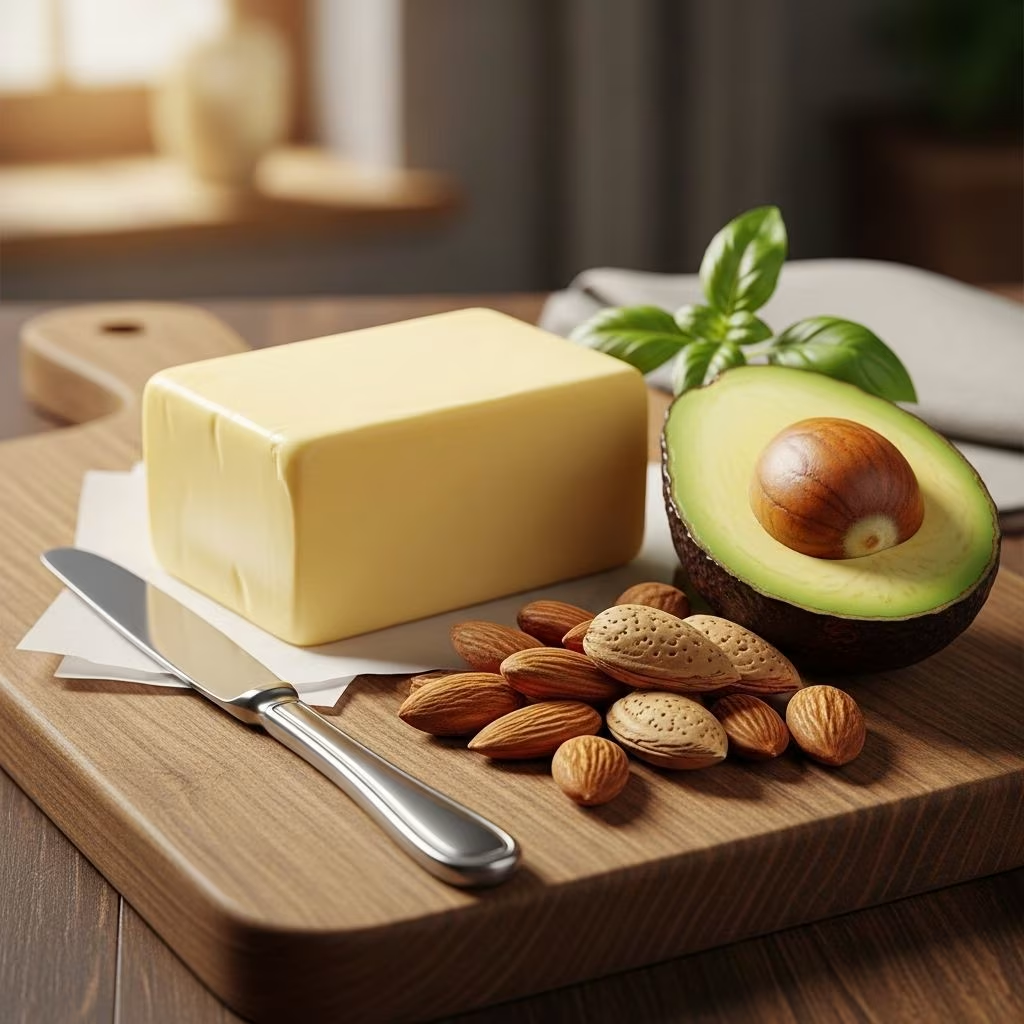
- Avocado: Mashed avocado provides creaminess and healthy fats.
- Hummus: Offers a savory, protein-rich alternative for spreading.
- Vegetable purees: Sweet potato or squash for a unique twist.
Environmental Considerations
- Choosing vegan margarine reduces reliance on dairy, which has a higher environmental footprint (water, greenhouse gases, land usage).
- Palm oil in spreads is controversial due to deforestation concerns; prefer brands using sustainable palm oil or alternatives.
- Minimally processed homemade spreads can further reduce packaging waste and industrial impact.
Frequently Asked Questions (FAQs)
Q: Is all margarine vegan?
A: No. Some brands contain milk-derived ingredients, animal fats, or non-vegan additives. Read the ingredient list and look for a vegan label.
Q: Is dairy-free margarine always vegan?
A: Not always. Dairy-free spreads can still contain animal-sourced vitamin D or non-plant-based emulsifiers. Always check the full ingredient list.
Q: Does vegan margarine taste different from regular margarine or butter?
A: Vegan margarines can taste slightly different depending on the oil blend and additives used, but high-quality brands closely mimic both texture and flavor.
Q: Is vegan margarine healthier than butter?
A: Vegan margarine is generally lower in saturated fat and cholesterol-free. However, health varies based on oil types and additives used—choose varieties with healthy oils and minimal additives.
Q: Can I use vegan margarine for baking and cooking?
A: Yes. Vegan margarine performs similarly to butter and traditional margarine in baking, roasting, and frying recipes.
Q: What about palm oil and sustainability?
A: Palm oil production is linked with deforestation, so consider brands that source sustainable palm oil or offer palm-free alternatives if environmental impact is a concern.
Summary Table: Vegan-Friendly Margarine Key Points
| Feature | Vegan Margarine | Non-Vegan Margarine |
|---|---|---|
| Primary Ingredients | Plant oils, water, salt, plant emulsifiers | May include milk, animal fats, dairy proteins |
| Contains Dairy? | No | Sometimes |
| Contains Animal Additives? | No | Yes |
| Healthiest Choices | Olive, sunflower or flaxseed oil; trans-fat-free | Butterfat; hydrogenated oils (higher saturated fats) |
| Sustainability Issues | Palm oil concern; check for responsible sourcing | Higher greenhouse gas, land/water use (dairy) |
Key Takeaways for Vegan Consumers
- Not all margarine is vegan; read labels for confirmations.
- Choose spreads made with quality plant oils and minimal additives for optimal health.
- Homemade vegan margarine offers customization and avoids preservatives.
- Consider environmental impact, especially concerning palm oil.
- Explore alternative spreads for varied flavors and nutritional benefits.