


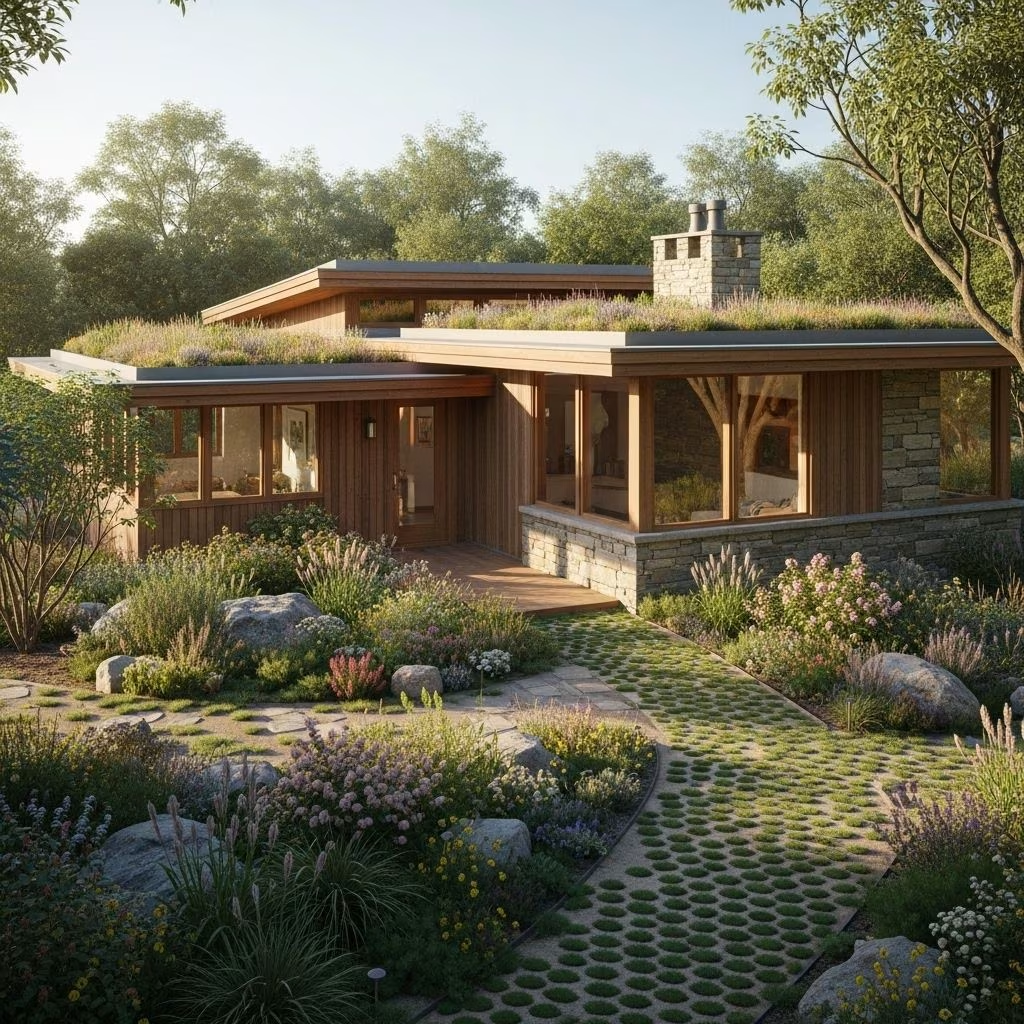
Sitting Lightly on the Land: Design Tips for Builders and Gardeners
Sitting lightly on the land is a philosophy that calls for building and gardening in a way that minimizes environmental disruption while maximizing natural beauty and resilience. This approach is especially relevant in an era of rapid urbanization and biodiversity loss, where every design choice can either harm or help our shared ecosystems. Here’s a comprehensive guide for builders, designers, and gardeners who want to leave a gentle footprint on the earth.
Why It Matters
The way we construct and cultivate our living spaces has profound effects on local ecosystems. Traditional building and landscaping practices often disrupt natural hydrology, fragment habitats, and reduce biodiversity. By adopting a “sit lightly” approach, we can create spaces that support both human well-being and ecological health.
Key Principles of Sitting Lightly on the Land
- Minimize ground disturbance: Preserve existing soil, vegetation, and topography as much as possible.
- Promote water infiltration: Reduce impervious surfaces and encourage rainwater to soak into the ground.
- Support native species: Choose plants and materials that are indigenous to the region to support local wildlife and reduce maintenance.
- Reduce resource consumption: Use recycled, renewable, or low-impact materials wherever possible.
- Design for the long term: Create landscapes and buildings that age gracefully and adapt to changing conditions.
Builders’ Guide to Sustainable Construction
Site Selection and Preparation
Start by choosing a site that has already been disturbed or offers minimal ecological value. Avoid building on prime agricultural land, wetlands, or areas with significant biodiversity. Before breaking ground, conduct a thorough site assessment to identify existing trees, water flow patterns, and wildlife corridors.
| Component | What to Look For |
|---|---|
| Soil Type | Identify soil composition, compaction, and drainage. |
| Vegetation | Note existing trees, shrubs, and ground cover. |
| Wildlife | Spot signs of animal activity and nesting sites. |
| Hydrology | Map water flow, wetlands, and potential flooding zones. |
| Topography | Understand slopes, ridges, and existing landforms. |
Design for Low Impact
Keep the building’s footprint as small as possible and avoid unnecessary excavation. Use lightweight, modular, or prefabricated components that reduce the need for heavy machinery and extensive site work. Consider alternative foundations, such as helical piles or pier-and-beam systems, that minimize soil disruption.
Preserve mature trees and vegetation during construction. Their root systems and canopy provide habitat, shade, and stormwater management benefits. If trees must be removed, replant with native species elsewhere on the property.
- Maximize existing shade: Orient structures to leverage shading from trees for natural cooling.
- Minimize paving: Use permeable materials for driveways and walkways to allow water infiltration.
- Build up, not out: Consider multi-story designs to reduce land coverage.
Materials Selection
Choose materials that are durable, low-maintenance, and have a low environmental impact. Reclaimed wood, recycled metal, and FSC-certified lumber are excellent options. Avoid products treated with toxic chemicals, opting instead for non-toxic finishes and adhesives.
Incorporate energy-efficient features such as high-performance insulation, triple-glazed windows, and solar panels to reduce long-term energy consumption and operational footprint.
Gardeners’ Guide to Ecological Landscaping
Start With the Soil
Healthy soil is the foundation of a thriving garden. Test your soil to understand its structure, pH, and nutrient content. Avoid excessive tilling, which can destroy soil structure and release stored carbon. Instead, add organic matter in the form of compost, leaf mulch, or well-rotted manure to improve fertility and water retention.
Plant Native and Diverse Species
Native plants are adapted to local climate, soil, and pests, requiring less water, fertilizer, and pesticides than non-native species. Diversity is key to resilience—mix trees, shrubs, perennials, and groundcovers to create habitat for a wide range of wildlife.
- Support pollinators: Plant flowers that provide nectar and pollen for bees, butterflies, and other beneficial insects.
- Create habitat layers: Include canopy, understory, shrub, and groundcover layers to mimic natural ecosystems.
- Avoid invasive species: Non-native invasives can outcompete local flora and reduce biodiversity.
Water Wisely
Design gardens that thrive on natural rainfall by grouping plants with similar water needs and using mulch to retain soil moisture. Install rain barrels or cisterns to harvest rainwater for irrigation—this reduces demands on municipal water systems and helps prevent runoff.
Consider using drought-tolerant native plants and xeriscaping techniques, especially in arid regions. If installed, use efficient drip irrigation rather than sprinklers to target plant roots and minimize evaporation.
Garden Maintenance for Biodiversity
Reduce or eliminate chemical fertilizers and pesticides, which can harm soil microbes, pollinators, and other wildlife. Instead, practice integrated pest management (IPM) and use organic solutions.
Allow some areas of the garden to remain “wild” with leaf litter, fallen branches, and native grasses. These microhabitats support insects, amphibians, and small mammals, contributing to overall ecosystem health.
Design for the Seasons
Choose plants that provide year-round interest and habitat value. Deciduous trees offer summer shade and winter sunlight, while evergreen shrubs provide shelter for birds in cold months. Perennials with staggered blooming times ensure a continuous food source for pollinators.
Creating Wildlife Corridors and Connectivity
Habitat fragmentation is a leading cause of biodiversity loss. Connect your property to adjacent natural areas by planting native hedgerows, wildflower meadows, and stepping-stone habitats. Work with neighbors to create wildlife corridors that allow animals to safely move between green spaces.
This connectivity is especially important in urban and suburban areas, where roads and buildings can otherwise isolate populations of wildlife, making them more vulnerable to disease, predation, and genetic bottlenecks.
Measuring Environmental Impact
Monitor the ecological benefits of your design over time. Look for increases in native plant diversity, insect populations, and bird activity. Keep records of water usage, soil health, and plant growth to assess the sustainability of your approach.
Frequently Asked Questions (FAQs)
What does “sitting lightly on the land” mean?
It means designing and building in a way that minimizes environmental impact, preserves natural systems, and supports biodiversity, ensuring that human activities do not degrade the land for future generations.
Why is using native plants important?
Native plants are adapted to local conditions, require less maintenance, and support pollinators and wildlife that depend on native ecosystems.
How can I reduce water usage in my garden?
Use drought-resistant native plants, mulch to retain moisture, collect rainwater, and employ efficient irrigation methods like drip systems.
What are some alternatives to traditional lawns?
Consider meadows, wildflower gardens, edible landscapes, or native groundcovers as low-maintenance, biodiverse alternatives to grass lawns.
How can I support pollinators in my yard?
Plant a variety of native flowers that bloom at different times of the year, provide water sources, and avoid using pesticides.
What is permaculture and how can I apply it?
Permaculture is a design philosophy that mimics natural ecosystems to create sustainable, self-maintaining landscapes. Key principles include observing natural patterns, using renewable resources, and planting diverse, multi-functional plant communities.
Conclusion
Building and gardening with an ethic of “sitting lightly on the land” is both a practical and ethical choice. By prioritizing ecological health, conserving resources, and fostering biodiversity, you can create beautiful, functional spaces that benefit people and the planet. Whether you’re constructing a new home, renovating, or simply tending a backyard garden, every decision counts—choose wisely, and future generations will thank you.
References
- https://orca.cardiff.ac.uk/id/eprint/116582/3/01_eCAADeRIS%20(1).pdf
- https://www.hammockforums.net/forum/showthread.php/166930-Huggers-vs-Straps-in-the-Lands-of-the-Large-Trees
- https://www.thedesignstory.com/blog/news/stalk-the-treehugger-introduces-an-innovative-blend-of-nature-and-spatial-design-in-jakarta-project-by-radar
- https://dirt.asla.org/category/public-spaces/page/3/
- https://clivusmultrum.com/newsletter/clivus_v03-01_email.htm
- https://www.originalgreen.org/blog/2012/sitting-lightly-on-the-land.html


