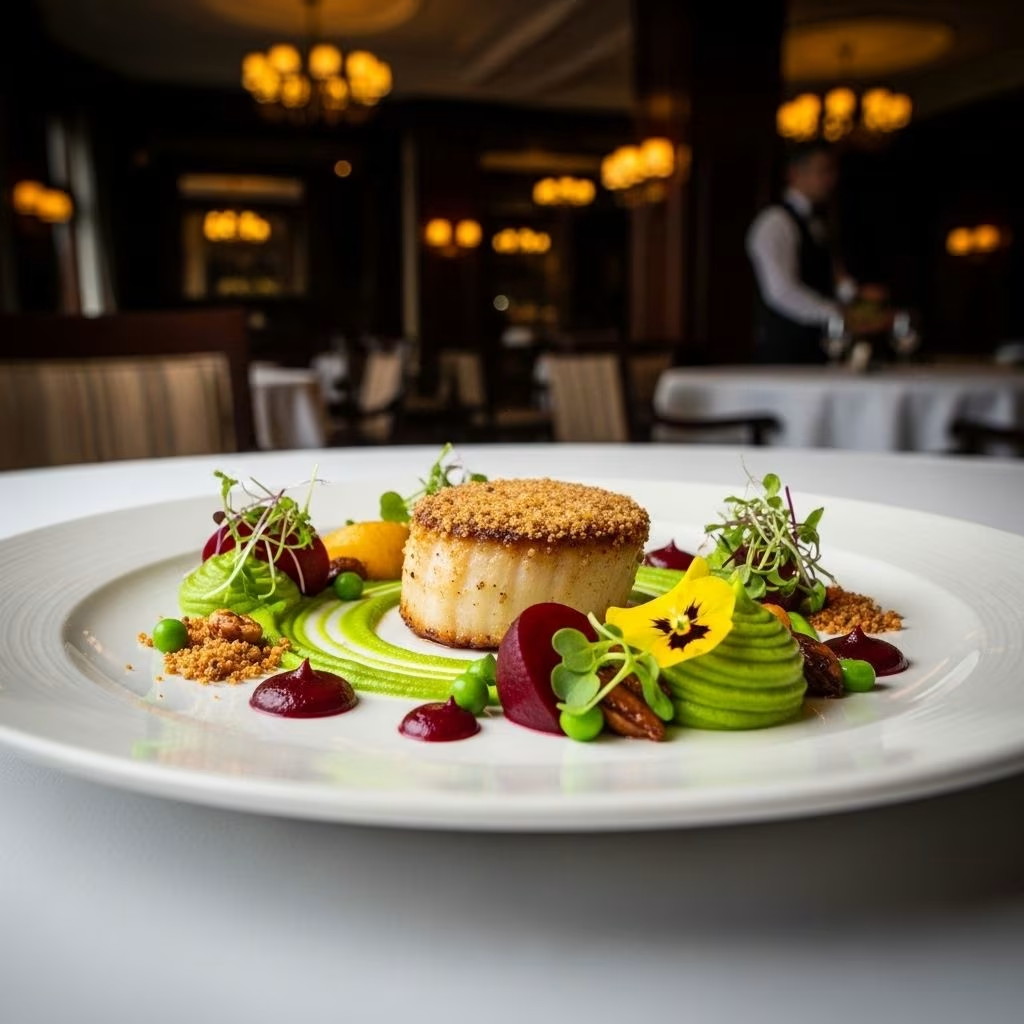
Once, fine dining was synonymous with luxury cuts of meat, foie gras, and an unapologetic embrace of animal-based ingredients. Today, the world’s most prestigious restaurants are rewriting the culinary rulebook as they turn their creative powers toward plant-based cuisine. This remarkable shift is not just a fleeting trend but a new chapter in gastronomy, sustainability, and culture.
Why Are Top Restaurants Going Plant-Based?
The pivot to plant-based menus among the world’s elite restaurants is fueled by several significant forces:
- Sustainability: The restaurant industry is increasingly conscious of its environmental footprint, and adopting a plant-forward approach reduces greenhouse gas emissions, minimizes water use, and lessens strain on natural resources.
- Health Awareness: Diners are seeking options that support a healthy lifestyle, and chefs want to meet these evolving preferences while showcasing innovative cooking.
- Culinary Creativity: Plant-based cuisine challenges chefs to devise new techniques, flavors, and presentations, resulting in groundbreaking dishes that rival traditional classics.
- Global Influence: The success and acclaim of restaurants that have made the switch inspire peers worldwide to consider a similar evolution.
The Evolution of Fine Dining: From Meat to Plants
For decades, the world’s highest-ranked restaurants have focused on rare meats, local fish, artisanal cheeses, and exotic animal ingredients. Yet the last five years have seen an accelerating shift. Keen to reduce their carbon footprint and promote conscious eating without sacrificing artistry or flavor, many chefs are embracing the bounty of the plant kingdom.
Key trends include:
- Menus featuring vegetable-driven tasting courses using hyper-seasonal produce.
- Creative reinventions of classic dishes (such as vegan foie gras or dairy-free butter sauces) made with plant ingredients.
- Zero-waste approaches, where every part of a vegetable or fruit is used throughout the meal.
Spotlight: Celebrated Restaurants Leading the Plant-Based Revolution
Noma (Copenhagen, Denmark)
Consistently ranked among the world’s best, Noma made headlines in 2021 when acclaimed chef René Redzepi announced a full-time, plant-based menu for the summer season. Dishes highlight Scandinavia’s wild botanicals, fermented fruits, and heirloom vegetables in artful, surprising forms.
- Signature approach: Local and foraged ingredients, stunning preparations, and a celebration of regional terroir.
- Notable dish: Grilled onion with truffle sauce—a visually stunning example of vegetable-centric innovation.
Eleven Madison Park (New York, USA)
Chef Daniel Humm stunned the culinary world in 2021 by relaunching his three-Michelin-star restaurant as entirely plant-based. The restaurant’s new chapter aims to demonstrate that fine dining can be ambitious, luxurious, and inventive—without a single animal product. Menus spotlight ingredients like sunflower butter, tonburi (the “caviar” of plants), and a creative parade of seasonal vegetables.
- Signature approach: Elegant, multi-course tastings that showcase vegetables as the star, elevated with technique and plating.
- Notable dish: Roasted beet cured with berry and horseradish, resembling classic charcuterie in both flavor and style.
Geranium (Copenhagen, Denmark)
Named 2022’s No. 1 on the World’s 50 Best list, Geranium announced its move to a meat-free menu in early 2022. Chef Rasmus Kofoed, already renowned for his vegetable artistry, elected to keep seafood and dairy but made vegetables the heart of every tasting menu. The result is a celebration of nature’s beauty and complexity.
- Signature approach: Vegetable-forward tasting menus inspired by natural landscapes and the seasons.
- Notable dish: Jerusalem artichoke “leaves” with truffle and chive emulsion—an homage to edible landscapes.
Osteria Francescana (Modena, Italy)
Massimo Bottura, the culinary visionary behind Osteria Francescana, added a plant-based tasting menu alongside his renowned classics. Drawing on Italy’s rich cache of grains, beans, and produce, Bottura’s latest dishes pay tribute to both tradition and innovation.
- Signature approach: Italian tradition meets contemporary artistry, elevating humble vegetables to fine art.
- Notable dish: “Riso verde,” an exquisite green risotto featuring herbs, peas, and delicate broths.
Other Influential Plant-Based Fine Dining Destinations
- Gauthier Soho (London): Once famed for its foie gras, Gauthier Soho converted to a vegan menu, winning acclaim and sparking conversation about ethical fine dining.
- Kai Mayfair (London): Michelin-starred Chinese restaurant offering innovative vegan cuisine alongside classic dishes.
- King’s Joy (Beijing): Hailed as China’s premier plant-based fine dining spot with a focus on contemporary Buddhist cuisine.
The Environmental and Social Impact of Going Plant-Based
The movement toward plant-based fine dining is more than just culinary innovation—it’s a response to the urgent call for environmental responsibility. High-end restaurants, due to their visibility and influence, set trends that ripple throughout the food world. Key benefits of their shift include:
- Reduced greenhouse gas emissions, since livestock production is a major source of methane and carbon dioxide.
- Decreased land and water usage, critical for a burgeoning global population and a warming planet.
- Lower reliance on industrial agriculture, with its attendant problems of antibiotic use, deforestation, and biodiversity loss.
- Promotion of local, seasonal sourcing, which benefits small farmers and the local economy.
Overcoming the Challenges of Plant-Based Fine Dining
Transitioning to a plant-based upscale restaurant is not without hurdles. Executive chefs and restaurateurs cite several key challenges:
- Changing perceptions and biases among diners who expect lavish meat and seafood at the world’s finest tables.
- Reimagining classic techniques and sauces—often built on bones, dairy, or eggs—to work entirely with plant ingredients.
- Access to high-quality, diverse produce year-round, especially in temperate climates.
- Balancing costs, as some niche plant-based products are expensive or need to be made from scratch for full control and flavor.
How Plant-Based Menus are Changing Fine Dining Culture
Despite the challenges, the reception of plant-based fine dining has been overwhelmingly positive. Key cultural shifts are underway:
- Broadening luxury: Diners now view exceptional plant-based meals as a new mark of sophistication and responsibility.
- Inspiring culinary schools and young chefs to innovate and adapt, ensuring the future of food includes sustainable methods and ingredients.
- Influencing mainstream menus: High-end experimentation filters down to casual restaurants and home kitchens, spreading the plant-based philosophy.
- Growing inclusivity: Fully plant-based menus are more accessible to guests with dietary restrictions, allergies, and diverse tastes.
What Does the Future Hold for Top-Tier Plant-Based Cuisine?
Looking ahead, industry experts predict the following trends will shape plant-based fine dining in the years to come:
- Greater use of advanced fermentation, which allows restaurants to create novel flavors, textures, and even vegan cheeses or butters.
- Emphasis on hyper-local sourcing, including foraged ingredients and rooftop or onsite gardens.
- Cross-cultural inspiration—drawing on the rich plant-based traditions of Asia, Africa, the Middle East, and Latin America.
- Transparency and storytelling: Guests crave not just food, but the stories and ethics behind it.
| Aspect | Traditional Fine Dining | Modern Plant-Based Dining |
|---|---|---|
| Main Ingredients | Meats, seafood, dairy, eggs | Vegetables, legumes, grains, wild foraged items |
| Sustainability | Often resource-intensive | Low-impact, eco-conscious |
| Technique | Classic French, heavy on butter and stock | Inventive, often leveraging fermentation, roasting, slow dehydration |
| Perceived Luxury | Rare animal products, caviar, truffles | Artful use of humble, seasonal, and wild ingredients |
FAQs: Fine Dining’s Plant-Based Transformation
Q: Why are so many luxury restaurants abandoning meat and dairy?
A: Concerns about environmental impact, a desire to innovate, and changing guest expectations have combined to drive this shift. Chefs are eager to prove that complexity, indulgence, and creativity can flourish in a plant-based kitchen.
Q: Is the plant-based trend just a fad, or will it last?
A: All indications point to longevity. As more diners demand sustainable options and culinary schools adjust their teachings, plant-based fine dining is poised to remain a central feature of global gastronomy.
Q: Can plant-based fine dining be as satisfying as traditional luxury experiences?
A: Absolutely—chefs are using ingredients like mushrooms, legumes, nuts, and fermented foods to build depth, umami, and richness once exclusive to animal products. Artistic presentations and sophisticated techniques ensure memorable, indulgent meals.
Q: What’s the biggest challenge for chefs in going plant-based?
A: Replacing ingredients like stock, butter, and cream with plant-based alternatives, while creating layers of flavor and texture, requires continuous research, experimentation, and technical skill.
Q: Where can I try plant-based fine dining?
A: Many top-tier restaurants worldwide now offer full vegan or plant-based tasting menus. Seasonal pop-ups, chef’s tables, and luxury resorts are also expanding their plant-based options—so culinary innovation is never far away.
Conclusion: A New Era for Global Gastronomy
The world’s leading restaurants are proving—one dazzling plant-based course at a time—that extraordinary flavor, artistry, and luxury need not come at the planet’s expense. In embracing plant-based cuisine, fine dining’s next chapter is more innovative, inclusive, and inspiring than ever before.
References
- https://www.happycow.net/reviews/the-tree-hugger-plant-based-kitchen-kansas-city-204598
- https://www.onlyinyourstate.com/food/missouri/plant-based-restaurant-meat-eaters-love-mo
- https://treehuggerkitchen.com
- https://www.tripadvisor.com/Restaurant_Review-g44847-d27154866-Reviews-Tree_Hugger_Kitchen-Riverside_Missouri.html?m=42108