


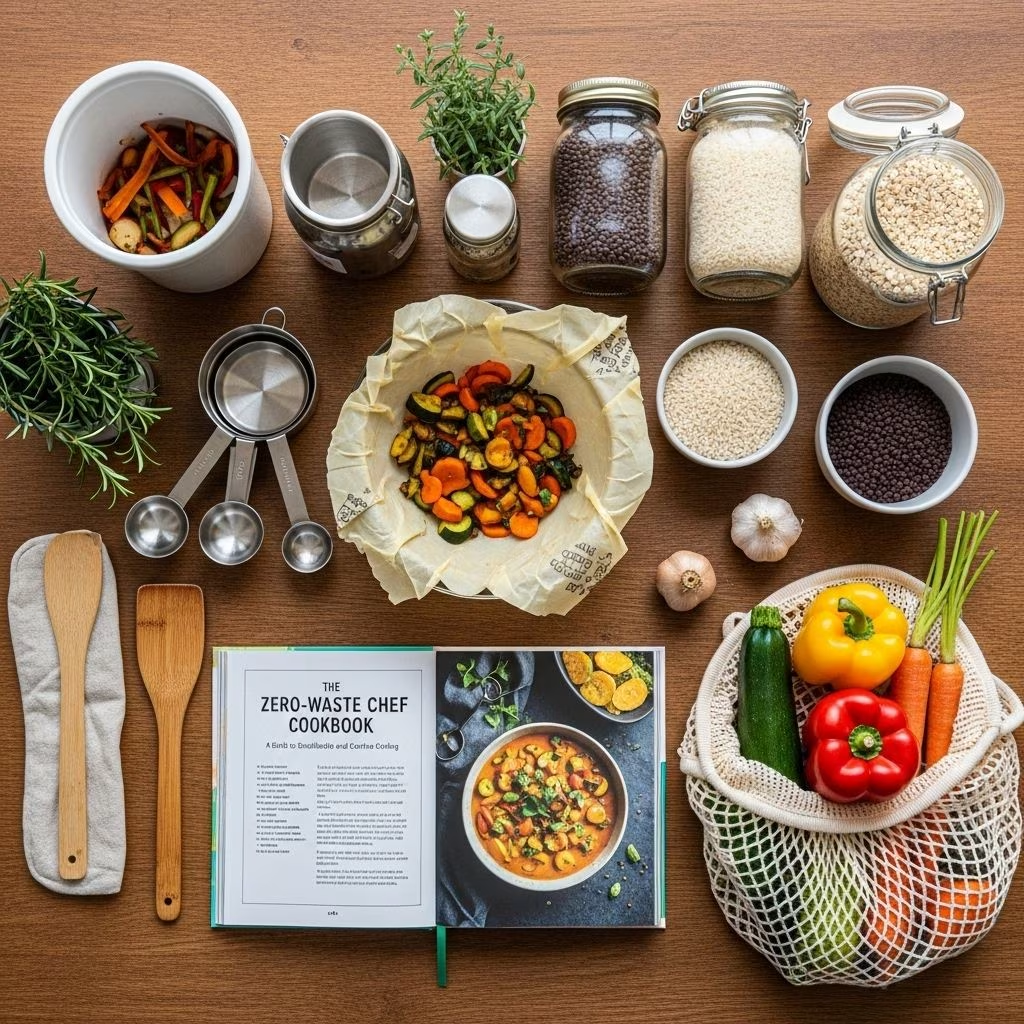
The Zero-Waste Chef Cookbook: A Guide to Sustainable and Creative Cooking
The Zero-Waste Chef: Plant-Forward Recipes and Tips for a Sustainable Kitchen and Planet by Anne-Marie Bonneau is more than just a collection of recipes; it’s a comprehensive handbook for reducing food waste, maximizing ingredients, and fostering an eco-friendly kitchen. This article dives into the main topics of the cookbook, offering practical highlights, recipe examples, kitchen setup tips, and who will benefit most from this innovative resource.
What is Zero-Waste Cooking?
Zero-waste cooking is a philosophy that seeks to minimize waste throughout the food journey—from shopping and preparing to storage and disposal. Instead of discarding edible parts of food or ingredients, zero-waste cooking encourages creative uses for scraps, intentional meal planning, and long-term storage solutions. This approach is crucial as wasted food remains a significant contributor to landfill mass and greenhouse gas emissions. According to food sustainability advocates, an average American family throws away thousands of dollars’ worth of food annually, much of which could be prevented with better habits and informed choices.
Key Principles of Zero-Waste in the Kitchen
- Use Everything: Cook with the whole ingredient—roots, stems, leaves, peels, and all—whenever possible.
- Repurpose Scraps: Transform peels, cores, stems, and ends into stocks, vinegars, or new dishes.
- Creative Meal Planning: Plan meals around what you already have, rather than buying new ingredients for each recipe.
- Efficient Storage: Utilize pantry, refrigeration, freezing, and fermentation to extend food life.
- Sustainable Shopping: Shop with reusable bags and containers, favor unpackaged goods, and avoid single-use plastics.
About Anne-Marie Bonneau: The Zero-Waste Chef
Anne-Marie Bonneau is a celebrated food waste expert and sustainability advocate, best known for her popular Zero-Waste Chef blog. After years of experimenting with low-waste strategies at home, Bonneau compiled her knowledge into a cookbook that presents not only recipes but also a vision for an environmentally responsible kitchen. Her approach is rooted in practical experience, emphasizing flexibility, adaptability, and empowerment over perfection.
Cookbook Overview: Structure and Approach
The Zero-Waste Chef: Plant-Forward Recipes and Tips for a Sustainable Kitchen and Planet is a 288-page cookbook. It devotes its opening chapters to foundational knowledge, including kitchen setup, sustainable shopping habits, and essential techniques before moving on to more than 75 vegetarian and mostly plant-based recipes. The structure mirrors the journey of a home cook looking to shift toward less wasteful habits:
- Introduction to zero-waste concepts and motivations
- Guidance on stocking and organizing a zero-waste kitchen
- A robust collection of plant-focused recipes
- Preservation and fermentation instructions
- Sidebar suggestions for using up scraps and leftovers
Setting Up Your Zero-Waste Kitchen
The first significant section focuses on preparing your kitchen both philosophically and practically. Bonneau provides essential tips on what tools and containers to prioritize, how to arrange your space for efficient, waste-free cooking, and ways to stock your pantry to reduce unnecessary packaging and overbuying. Key advice includes:
- Choose Multi-Use Tools: Invest in durable tools like glass jars, metal containers, reusable produce bags, and baking mats instead of single-use plastics.
- Strategic Pantry Staples: Stock the pantry, fridge, and freezer with staples that have multiple applications—grains, legumes, nuts, oils, and fermented goods.
- Fermentation as Preservation: Leverage fermentation to extend shelf life, enhance nutrition, and minimize waste through recipes like sauerkraut and kimchi.
The author emphasizes that simplicity and adaptability are vital; there’s no need to purchase expensive specialty equipment. Instead, focus on what will last and serve multiple purposes over time.
Zero-Waste Recipes: Highlights and Methods
The heart of the book is its collection of 75 recipes. All are vegetarian, most are easily vegan-adaptable, and each includes not just steps for preparation but also ideas for reusing byproducts from the main dish. What distinguishes these recipes is their inherent flexibility and the frequent inclusion of sidebar notes labeled “Now for your next recipe,” directing readers to follow-on uses for any scraps or extras.
Popular Recipes & Sample Strategies
- Apple Scrap Vinegar: Uses apple peels and cores that would otherwise be discarded; a gateway to home fermentation and flavor enhancement.
- Tender and Tangy Sourdough Tortillas: Offers options to ferment or use immediately, and guidance for turning leftovers into baked tortilla chips.
- Whole Wheat Sourdough Buttermilk Waffles: Designed for batching—store extras in fridge/freezer for quick, waste-free breakfasts.
- Fermented Condiments: Includes hot sauces, buttermilk, yogurt, sauerkraut, kimchi, and more, teaching preservation and gut health alongside sustainability.
- Nutrient-Rich Broths: Transforms vegetable scraps and peels into savory broths, reducing both food and packaging waste.
Each recipe is approached not as a fixed formula but as a living guideline, encouraging swaps based on available ingredients and personal taste preferences. This mindset shift—from recipe-following to resource-maximizing—is central to the zero-waste philosophy.
From Pantry to Plate: Adapting to What You Have
Bonneau advocates reversing the typical recipe model: instead of shopping for specific ingredients, she suggests cooking with what you already have. This counterintuitive approach helps avoid overbuying, redundancy, and waste. Key techniques include:
- Take inventory of your kitchen before heading to the store
- Use aging produce, frozen goods, or pantry oddities as core ingredients
- Consult the recipe index for flexible dishes to fit available items
This zero-waste approach to meal planning not only reduces food footprints but also stimulates culinary creativity and resourcefulness.
Fermentation: Extending and Enriching Your Food
Fermentation emerges as a major theme and practical tool throughout The Zero-Waste Chef. Recipes and guidance cover:
- Homemade sourdough starter and bread
- Classic and inventive pickles
- Sauerkraut, kimchi, and other lactic acid ferments
- Simple dairy ferments like yogurt and buttermilk
- Fruit scrap vinegars and kombucha
Fermentation serves a dual purpose: it preserves food that might otherwise spoil, and it adds nutritional and probiotic benefits. Bonneau’s clear instructions make these traditionally intimidating processes accessible for beginners, while providing plenty of scope for improvisation and mastery.
Utilizing Leftovers and Scraps: Recipe Chains
A signature feature of the book is the guidance to incorporate scraps and leftovers from one recipe into another, minimizing loss at every step. This “recipe chain” approach turns the kitchen into an ecosystem, not a production line. Each recipe is linked to another by its byproducts, such as:
- Turning surplus sourdough starter into pancakes, cakes, or crackers
- Reusing vegetable cooking water for broth or grains
- Saving herb stems, cheese rinds, and other trimmings for flavor boosters
By presenting cooking as a sequence rather than isolated incidents, Bonneau empowers readers to see potential in every piece of food they handle.
Tools and Pantry Staples for a Zero-Waste Kitchen
| Essential Tool | Zero-Waste Benefit |
|---|---|
| Glass Jars | Reusable storage, fermenting, bulk shopping |
| Cloth Produce Bags | Eliminate plastic bags, breathable storage |
| Metal Containers | Long-lasting storage, lunch, and leftovers |
| Compost Bin | For any inedible remnants, closing the loop |
| Bulk Bin Shopping Containers | Buy only what you need, reduce packaging |
Recommended pantry ingredients include grains, beans, vinegar, oils, nuts, dried fruit, and foundational condiments. The book includes recipes for homemade versions of staples such as bread, yogurt, ketchup, and nut butter, enhancing sustainability and freshness.
Is The Zero-Waste Chef Cookbook Right for You?
This cookbook is designed for a wide audience, from zero-waste novices to seasoned home cooks interested in sustainability. Beginners will appreciate the educational chapters, while more experienced readers benefit from the advanced techniques and depth of recipes. Notably, while all recipes are vegetarian, many are vegan-adaptable, so the book is inclusive for a range of dietary needs.
Who Will Enjoy This Cookbook the Most?
- Beginners seeking step-by-step guidance for kitchen and meal planning
- Vegans and vegetarians looking for new, resourceful dishes
- Environmentalists eager to reduce their household’s waste footprint
- Home fermentation enthusiasts or anyone wanting to try new preservation methods
- Experienced cooks interested in expanding their recipes and reducing kitchen waste
Why Zero-Waste Matters
Food waste is a significant environmental, ethical, and financial issue. Reducing waste conserves resources, lowers methane emissions from landfills, and saves money. The zero-waste movement continues to grow, driven in part by increased awareness and practical resources like Bonneau’s cookbook. A zero-waste approach directly contributes to a more sustainable planet and empowers individuals to take action at the grassroots level.
Expert Opinions and Reader Feedback
Many reviewers and readers praise The Zero-Waste Chef for its practical, approachable style and wealth of actionable information. Its blend of education, recipes, and real-world tips makes it accessible yet substantial. The creative use of leftovers and resourceful meal planning stand out for their long-term impact on kitchen habits and household waste reduction.
Frequently Asked Questions (FAQs)
Q: Are all recipes in The Zero-Waste Chef vegetarian and vegan?
A: All recipes are vegetarian; most can be adapted to vegan diets by substituting dairy or eggs with plant-based alternatives.
Q: What are the best recipes for zero-waste beginners?
A: Simple ferments (like sauerkraut), broths made from scraps, and versatile pantry staples (like sourdough starter) are ideal entry points for those new to zero-waste cooking.
Q: Do I need special kitchen equipment?
A: Not at all—Bonneau recommends using what you have. Some basics like glass jars and reusable bags are helpful, but no specialty gadgets are required.
Q: How does the book help reduce food waste beyond recipes?
A: It provides education on meal planning, sustainable shopping, preserving, and the culture of waste reduction, as well as step-by-step guidance on setting up a waste-reducing kitchen.
Q: Can experienced cooks learn something new?
A: Yes—the book offers creative fermenting techniques, advanced planning advice, and interconnected recipes that inspire even seasoned cooks to minimize waste and expand their culinary repertoire.
Conclusion: Empowering a More Sustainable Kitchen Journey
The Zero-Waste Chef Cookbook is a timely and approachable guide that emphasizes the practical and creative paths to reducing household food waste. Whether by inspiring creative cooking, changing shopping habits, or encouraging sustainable kitchen practices, Anne-Marie Bonneau’s work offers both philosophy and actionable steps. It proves that with the right mindset and tools, everyone can take meaningful steps toward a waste-free kitchen—and enjoy rewarding, delicious meals along the way.
References
- https://zerowastechef.com/2021/04/13/zero-waste-chef-book-is-here/
- https://acterra.org/2022-3-3-anne-marie-bonneau-zero-waste-home-chef/
- https://happyinthehollow.com/zero-waste-chef-cookbook/
- https://foodprint.org/blog/zero-waste/
- https://www.penguinrandomhouse.com/books/624497/the-zero-waste-chef-by-anne-marie-bonneau/
- https://zerowastechef.com/2020/11/11/what-i-learned-writing-cookbook/


