Waitrose Bans Plastic Toys from Children’s Magazines: A New Step Toward Sustainability
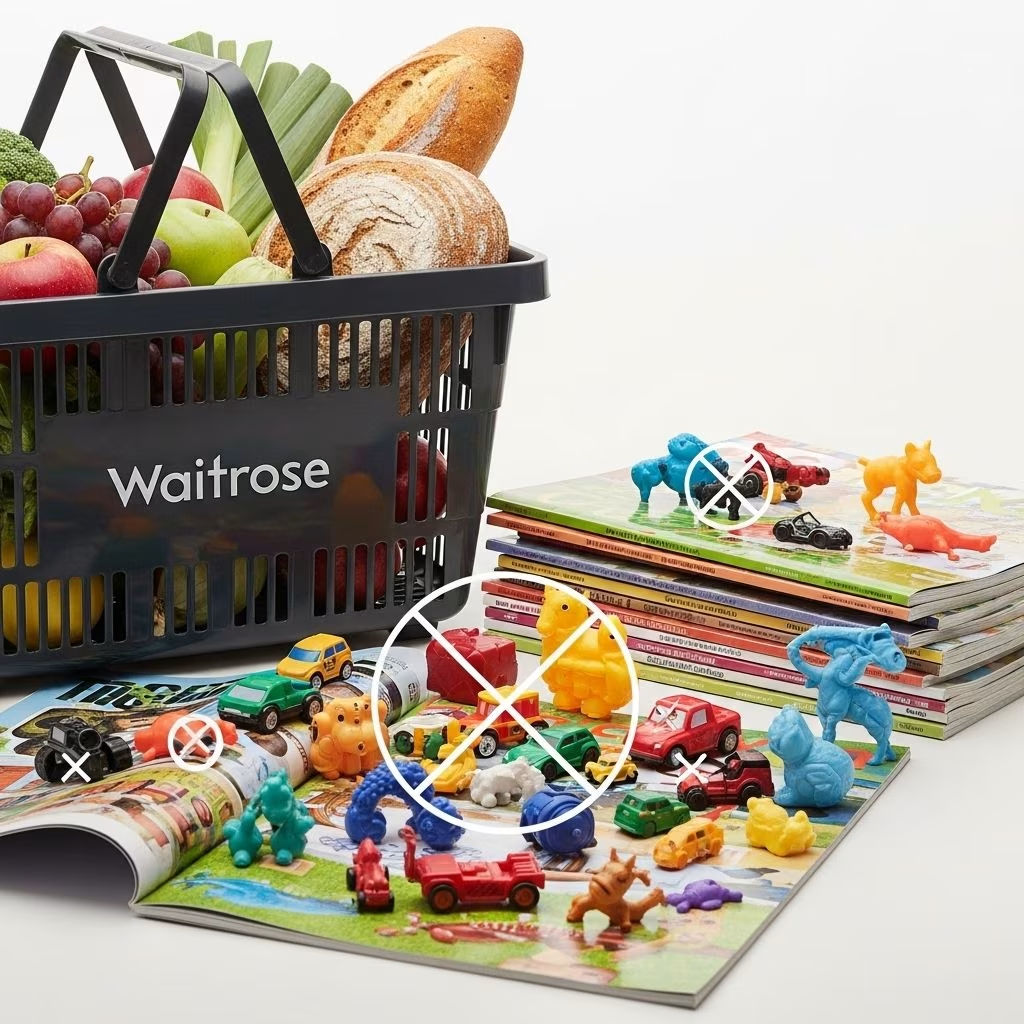
Inspired by a burgeoning movement among environmentally conscious youth and mounting pressure from campaign groups, Waitrose has become the first major UK supermarket to ban children’s magazines that include disposable plastic toys. This decision is part of a broader drive to reduce single-use plastics and promote more sustainable consumer habits within the industry.
Background: The Problem of Disposable Plastic Toys
Many children’s magazines in the UK come packaged with free plastic toys, sometimes referred to as ‘covermounts’. While these items are intended to attract young readers, they are typically made from low-quality materials, have a short useful life, and are usually discarded almost immediately after purchase. Most are not recyclable, meaning they end up in household waste and eventually landfill, contributing to plastic pollution and environmental degradation.
- UK toy sales totaled £3.6 billion in 2022, with a significant portion coming from such magazine freebies.
- An estimated 8.5 million new toys are thrown away each year, and covermount toys likely account for a disproportionate share due to their poor quality and single-use design.
- These toys are typically manufactured overseas, especially in China, adding to their overall carbon footprint due to transportation and packaging emissions.
The Youth-Led Campaign That Sparked Change
The shift at Waitrose was catalyzed by the efforts of Skye Neville, a 10-year-old environmental activist from Gwynedd, Wales. Frustrated by the waste generated by disposable toys, Skye wrote to publishers and started a petition asking supermarkets to ban the sale of magazines that come with plastic tat. Her campaign resonated with thousands, drawing public attention and praise from both consumers and environmental organizations.
Skye’s message was clear: “These useless plastics just end up polluting the environment. We want the fun, not the waste!” Her campaign inspired tens of thousands to sign her petition and was instrumental in encouraging Waitrose to reconsider its position on these products.
Waitrose’s Decision: The Scope of the Ban
Waitrose announced it will phase out children’s magazines that contain disposable plastic toys over an eight-week rollout period. The ban specifically targets “pointless plastic” items, which are defined as:
- Single-use toys that cannot be reused or recycled
- Items with little educational or enduring value
This move does not apply to:
- Educational or reusable craft items such as pens, pencils, or collectable models intended for multiple uses
- Magazines that offer sustainable, eco-friendly alternatives to traditional plastic freebies
A Statement from Waitrose Leadership
Marija Rompani, Partner & Director of Ethics & Sustainability at Waitrose, explained the motivation behind the ban:
“While we know these magazines are popular with children, some of the unnecessary plastic attached to them has become really excessive. Many in the younger generation really care about the planet and are the ones inheriting the problem of plastic pollution. We urge publishers to find alternatives, and other retailers to follow our lead in ending the pointless plastic that comes with children’s magazines.”
Industry and Public Response
The Waitrose announcement has sent ripples through the supermarket and publishing industries. Environmental groups and campaigners, such as Kids Against Plastic Tat (KAPTAT), have praised the step and continue to advocate for wider industry adoption.
Public sentiment is increasingly in favor of such environmental policies, especially among parents and educators who recognize the need to cultivate sustainable values in children. Still, many publications and retailers have yet to commit to similar bans, and covermount plastic toys remain a staple in many other stores.
The Environmental Case Against Plastic Covermounts
- Waste Generation: Disposable toys, often made from hard-to-recycle plastic, add to the volume of landfill waste and increase the burden on municipal waste systems.
- Carbon Emissions: Manufacturing, transporting, and packaging these toys uses significant energy and resources, contributing to the carbon footprint of an already wasteful practice.
- Short Lifespan: Toys attached to magazines are commonly played with only for a few moments before being discarded, heightening their environmental impact.
- Consumer Pressure: Parent and child consumers are increasingly aware and resentful of ‘pointless plastic’ and pollution from low-quality freebies.
Alternatives to Plastic Freebies
A growing number of magazine publishers are experimenting with more sustainable and educational incentives to entice young readers. Examples include:
- Reusable craft items (crayons, pencils, card games)
- Plastic-free toys such as wooden spinning tops (from producers like Love Heartwood) and biodegradable seed kits (from brands like Kabloom)
- Recyclable paper-based games, puzzles, and activity sheets
- Collectable cardboard or wooden playsets, like those made by PlayPress Toys
These alternatives offer children creativity, education, and engagement without the downsides associated with single-use plastics.
Waitrose’s Wider Sustainability Commitments
This move by Waitrose is consistent with its broader sustainability strategy. In 2019, the retailer announced it would cease selling Christmas crackers containing plastic toys and switch to more sustainable, recyclable alternatives. Additionally, Waitrose is on track to make all its own-label packaging widely recycled, reusable, or home compostable by 2023.
This comprehensive approach has landed Waitrose the top spot in Greenpeace’s league table (for the second consecutive year), which rates UK supermarkets on efforts to cut single-use plastic usage.
Supermarkets and the Broader Battle Against Plastic Waste
Despite progress, the broader retail sector still faces significant challenges in ending plastic pollution. Environmental advocates warn that some supermarkets, especially those overseeing themselves through new regulatory schemes, may prioritize profits over sustainability. Recent data shows that a large percentage of ‘soft plastic’ collected through supermarket programs ends up being incinerated rather than recycled, highlighting the need for more rigorous oversight and transparent practices.
Plastic Reduction Initiatives Across Supermarkets
- Deposit Return Schemes: The UK government has begun to introduce schemes to encourage recycling of bottles and plastics, but progress has been slower than in other European countries.
- Retailer-led Reductions: Other supermarkets, such as Tesco, Lidl, and ASDA, have lagged behind Waitrose in taking proactive steps against plastic waste, as noted by campaigners and independent reviews.
- Campaigner Criticism: Environmental groups warn that self-regulation among large supermarket chains can sometimes lead to conflicts of interest, stalling concrete progress.
What’s Next? The Road Ahead for Publishers and Retailers
The collective hope among campaigners and consumers is that Waitrose’s move will galvanize other supermarkets and magazine publishers to reconsider their plastic policies. Significant consumer and advocacy pressure is required to ensure the ban results in lasting change, including:
- Encouraging publishers to innovate with plastic-free alternatives
- Pushing for broader retailer commitments beyond Waitrose
- Ensuring transparency around the life cycle and recyclability of magazine incentives
- Supporting youth-led activism to maintain momentum for environmental change
Tips for Parents: Choosing Sustainable Toys and Magazines
- Opt for magazines offering reusable, craft-based giveaways rather than single-use plastic toys
- Support brands and publishers actively working to reduce their plastic footprint
- Encourage children to value quality, durability, and eco-friendliness in toys and books
- Get involved with campaigns, petitions, or community groups advocating for less plastic waste
- Donate unwanted toys to charities rather than discarding them, and recycle where possible
Frequently Asked Questions (FAQs)
Q: Why are plastic toys included with children’s magazines such a problem?
A: Plastic toys attached to magazines are rarely used for more than a few days and are often not recyclable, adding to landfill waste and plastic pollution.
Q: Are there any magazine alternatives for children that do not include plastic toys?
A: Yes. Some publishers now offer magazines with craft materials, reusable items, or plastic-free toys made from wood, paper, or biodegradable materials.
Q: Does the Waitrose ban include all toys?
A: No, the ban only covers disposable plastic toys. Magazines with reusable craft items or collectable models designed for repeat use are still allowed on shelves.
Q: What impact does the campaign led by Skye Neville have?
A: Skye’s campaign succeeded in bringing national attention to the issue and directly influenced Waitrose’s decision. Her activism continues to inspire similar efforts across the UK.
Q: How can I support more sustainable magazine and toy choices?
A: Choose products from companies that commit to plastic-free or recyclable materials, support petitions and campaigns against single-use plastics, and educate others about the environmental impact of disposable toys.
Conclusion: Waitrose Sets a Precedent for a Greener Future
Waitrose’s ban on disposable plastic toys in children’s magazines marks a significant step toward a more environmentally responsible retail sector. By acting on youth-led activism and public concern, the supermarket sets a new benchmark for sustainability, encouraging both publishers and other retailers to innovate and reduce their plastic footprint. With ongoing advocacy, consumer pressure, and creative alternatives, there is hope for a future where “pointless plastic” is a relic of the past and children’s entertainment comes with a smaller environmental cost.
References
- https://www.countryliving.com/uk/news/a35909992/waitrose-ban-plastic-toys-magazines/
- https://www.circularonline.co.uk/news/waitrose-bans-disposable-plastic-toys-given-away-with-childrens-magazines/
- https://www.bluepatch.org/why-are-there-still-plastic-toys-on-magazine-covers/
- https://www.newfoodmagazine.com/news/251395/supermarkets-plastic-waste-reduction-criticised/
- https://betterplaneteducation.org.uk/blog/waitrose-stops-selling-kids-magazines-with-plastic-toys
- https://www.johnlewispartnership.co.uk/media/press/y2021/waitrose-bans-disposable-plastic-toys.html