


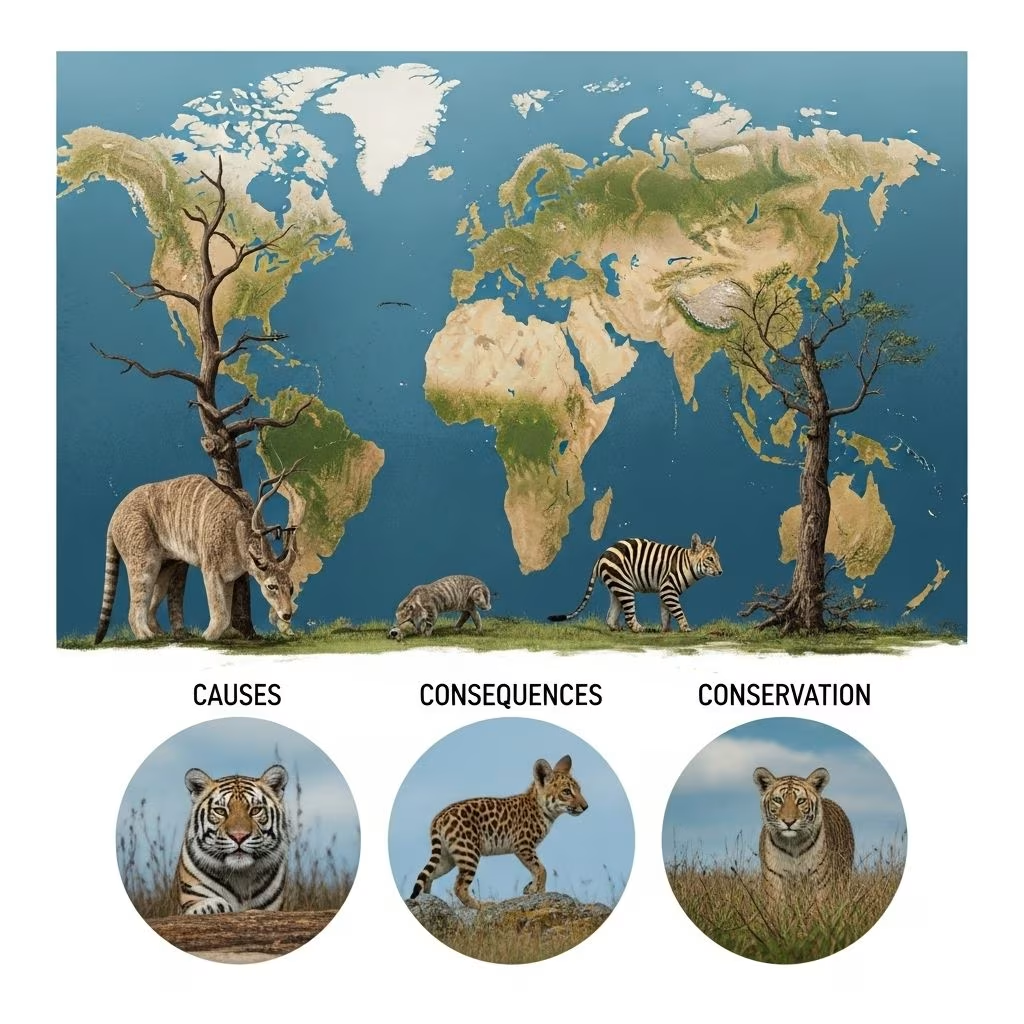
Every year, more animal and plant species edge closer to extinction, raising urgent concerns about the state of global biodiversity. Understanding why species become endangered is essential for shaping effective conservation efforts and ensuring a healthier planet for future generations. This article explores the definitions, processes, causes, and consequences of endangerment, as well as what can be done to help threatened species recover.
What Does “Endangered” Mean?
When a species is considered “endangered,” it means its numbers in the wild have declined so severely—often due to human activities—that it is at a very high risk of extinction in the near future. The International Union for Conservation of Nature (IUCN) maintains the IUCN Red List, recognized globally as the most comprehensive inventory of the conservation status of plant and animal species.
- Endangered species are at high risk of extinction in the wild.
- Critically endangered species face an extremely high risk of extinction in the immediate future.
- Vulnerable species have a high risk of becoming endangered unless circumstances improve.
The Red List classifies species based on factors like population size, rate of decline, area of geographic distribution, and degree of population and distribution fragmentation.
How Species Become Endangered: An Overview
Species become endangered through a complex combination of natural and human-induced factors. While natural events such as volcanic eruptions or disease outbreaks can contribute, most modern endangerment is driven by human activities.
Main Pathways to Endangerment
- Population Decline: When a species’ numbers fall drastically, genetic diversity drops, reproductive success may decline, and the risk of extinction increases.
- Habitat Fragmentation and Loss: As habitats are destroyed, divided, or degraded, species lose the resources they need to survive.
- Legal Protections Lag: Many species are not recognized as endangered until their populations are already severely reduced, making recovery more challenging.
Major Threats Driving Species Toward Endangerment
Most endangerment today stems from human activities that alter, degrade, or destroy natural environments. The primary threats are:
1. Habitat Loss and Degradation
Habitat loss remains the number one cause of endangerment and extinction. As humans expand cities, agriculture, and infrastructure, vast tracts of natural habitat disappear or become unusable.
- Forests are cleared for timber, farming, and development.
- Wetlands are drained for agriculture and urban construction.
- Grasslands are converted into cropland or grazing areas.
- Coral reefs deteriorate due to pollution, overfishing, and climate-driven bleaching.
Without adequate habitat, species cannot find food, mates, or shelter, leading to population declines and local extinctions.
2. Overexploitation
Humans hunt, harvest, and trade wildlife for food, medicine, pets, ornaments, and other uses. Unsustainable hunting, fishing, and gathering quickly deplete species, especially those already declining due to habitat loss.
- Overfishing drives marine and freshwater species toward extinction.
- Poaching for ivory, horns, pelts, and traditional medicine threatens elephants, rhinos, tigers, and pangolins.
- Unregulated collection of rare plants or animals can devastate populations.
3. Pollution
Various forms of pollution—chemical, light, noise, and plastic—affect species survival.
- Pesticides can poison pollinators, fish, and other wildlife.
- Runoff from agriculture and industry can kill aquatic organisms and disrupt ecosystems.
- Plastic debris entangles and chokes marine animals.
- Air and noise pollution disrupt animal behaviors, breeding, and overall health.
4. Climate Change
Rising temperatures, shifting weather patterns, and increased frequency of extreme events are transforming habitats and pushing many species beyond their limits.
- Some plants and animals cannot migrate fast enough to keep up with warming climates or shifting food sources.
- Melting ice threatens polar bears and penguins.
- Coral reefs suffer mass bleaching events due to warming oceans.
- Ocean acidification endangers shell-forming marine creatures.
5. Invasive Species
When non-native species are introduced, deliberately or accidentally, into new habitats, they often outcompete, prey on, or bring diseases to native species.
- Invasive plants can crowd out native vegetation, changing the food web.
- Invasive animals, such as rats, snakes, or cats, destroy eggs, young, or adult native wildlife.
- Pathogens introduced with invasive species can rapidly kill off populations with no natural immunity.
Case Studies: When Species Become Critically Endangered
Island Fox: From the Brink and Back
The island fox of California’s Channel Islands is an example of rapid endangerment and recovery. These small foxes, adapted to island life, became endangered due to a combination of introduced species and ecosystem changes:
- Use of DDT led to the death of bald eagles, removing a natural predator of golden eagles.
- Golden eagles, newly unchecked, began preying on the island foxes and feral livestock.
- Conservationists removed invasive sheep and pigs, relocated golden eagles, and began breeding foxes in captivity.
- Thanks to these efforts, the fox population rebounded from a few hundred to thousands within a decade.
Other Notable Examples
- Pandas: Threatened by habitat loss and a very slow reproductive rate, giant pandas have become a global symbol. Intensive habitat protection and captive breeding have helped stabilize their numbers.
- Vaquita porpoise: The world’s most endangered marine mammal, the vaquita, is threatened by gillnet fishing in its limited range in the Gulf of California. Fewer than 10 remain.
- Amphibians: A third of all amphibian species face extinction, mostly due to habitat loss, climate change, and a deadly fungal disease.
Why Biodiversity Matters
Biodiversity underpins the health of the planet and the well-being of humanity. The loss of species doesn’t just impoverish nature—it carries ripple effects for ecosystems, agriculture, economies, cultures, and health.
- Healthy ecosystems maintain oxygen and carbon cycles, purify water, regulate climate, control pests, and pollinate crops.
- Economic value is provided by wild species for agriculture, forestry, fisheries, and tourism.
- Cultural and spiritual importance connects people to landscapes and wildlife through traditions and beliefs.
- Once lost, a species and its unique evolutionary history, role in food webs, and potential benefits (such as medicinal properties) are gone forever.
How Can We Prevent and Reverse Endangerment?
Conservationists, communities, and governments employ a range of strategies to halt or slow species decline and restore populations where possible.
1. Legal Protections and Policy Changes
- National and international laws, such as the U.S. Endangered Species Act and CITES, restrict trade and protect habitat for listed species.
- Recovery plans set out concrete actions to restore populations and their habitats.
2. Habitat Restoration and Conservation
- Protected areas like parks, reserves, and wildlife corridors safeguard crucial regions.
- Programs to restore forests, wetlands, and other ecosystems help rebuild lost habitat.
- Landowners, indigenous communities, and NGOs often play key roles in on-the-ground conservation.
3. Regulating Use and Curtailing Exploitation
- Restrictions on hunting, fishing, and wildlife trade reduce pressure on vulnerable species.
- Certification schemes and consumer awareness campaigns reduce demand for products from endangered species.
4. Control of Invasive Species
- Programs may remove, control, or mitigate the impacts of invasive plants, animals, or diseases.
- Biosecurity measures help prevent future invasions.
5. Captive Breeding and Reintroduction
- Zoos, aquariums, and botanical gardens breed critically endangered species in captivity to prevent total extinction.
- Reintroduction programs aim to return these species to their natural habitats when conditions permit.
6. Climate Change Mitigation and Adaptation
- Conservation planning increasingly takes climate change into account, seeking to build resilient ecosystems and conserve genetic diversity.
- Assisting species’ movement to suitable new habitats may be necessary for survival.
Challenges in Conservation Efforts
Saving endangered species is resource-intensive and often complicated by conflicting social, political, or economic interests. Some of the biggest obstacles include:
- Insufficient funding or political will to enforce protections and maintain habitats.
- Poor monitoring and lack of accurate data on population sizes and threats.
- Climate change, which accelerates other threats and disrupts recovery efforts.
- Socio-economic pressures—such as poverty and demand for land—that push communities to exploit resources unsustainably.
- Cross-border challenges for wide-ranging or migratory species that move through multiple jurisdictions.
Simple Actions Everyone Can Take
- Support protected areas and habitat restoration efforts in your community and worldwide.
- Reduce consumption of products linked to habitat destruction, such as unsustainably sourced wood or palm oil.
- Participate in citizen science and wildlife monitoring projects.
- Advocate for stronger environmental policies at local and national levels.
- Educate others about the vital importance of healthy ecosystems and species diversity.
Frequently Asked Questions (FAQs)
What is the difference between “endangered” and “threatened” species?
An endangered species is at a very high risk of extinction in the near future. A threatened species is one that is likely to become endangered in the foreseeable future without intervention.
How are species assessed for endangerment?
Scientists evaluate factors such as population size and trends, the rate of decline, known threats, and the size and quality of habitats to determine a species’ risk status using criteria set by organizations like the IUCN.
Can species recover after becoming endangered?
Yes. With effective conservation actions—such as habitat protection, legal restrictions, and sometimes captive breeding—many species have recovered enough to be removed from the endangered list. The recovery of the island fox is one such success story.
Are extinction and endangerment natural processes?
Natural extinctions have occurred throughout Earth’s history. However, today’s extinction crisis is largely caused by humans and is happening at rates many times faster than in the geologic past.
What can individuals do to help endangered species?
Simple actions such as reducing waste, choosing sustainable products, volunteering for conservation groups, and spreading awareness can all make a significant collective impact.
Conclusion
The crisis of species endangerment is a global challenge, but one that can be met by understanding the issues and taking decisive action. By protecting habitats, reducing exploitation, curbing pollution, and supporting conservation efforts at every level, humans can help reverse the tide of biodiversity loss and ensure a vibrant, living planet for future generations.


