


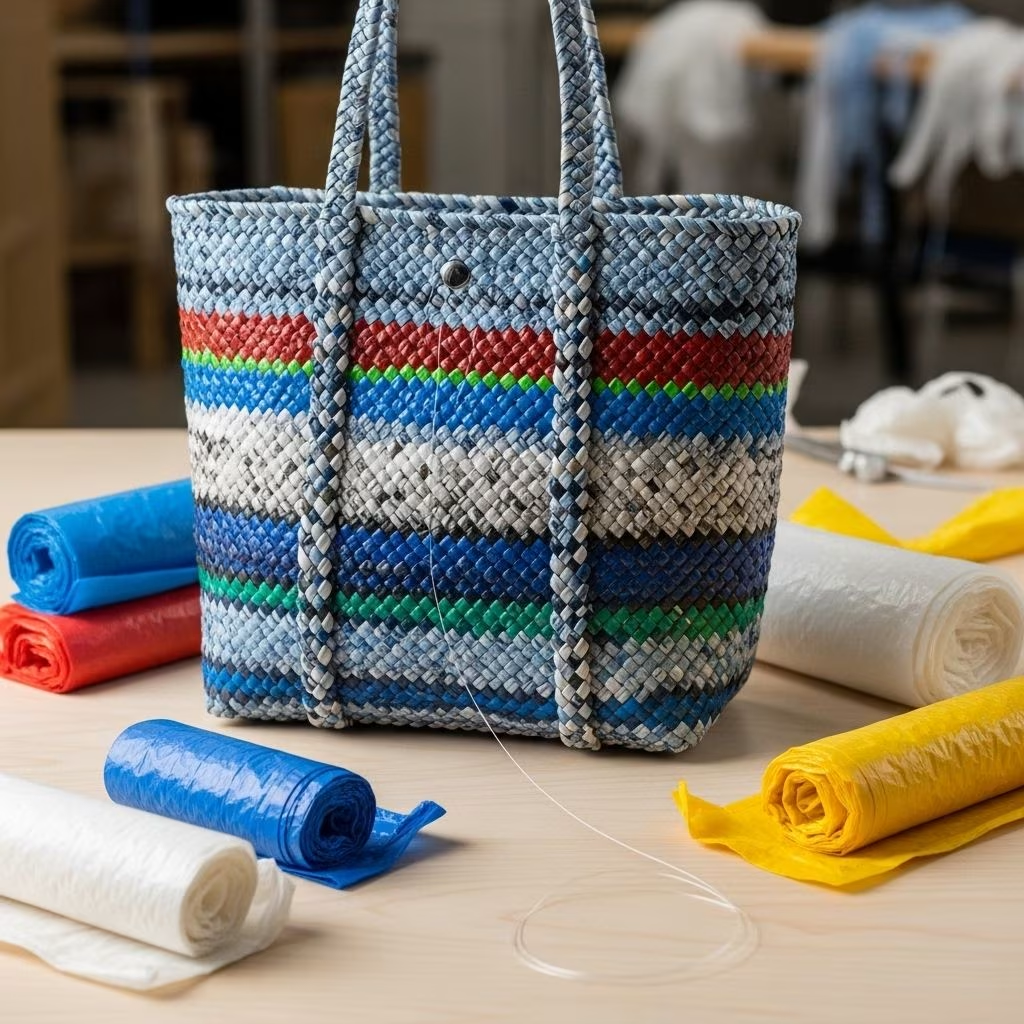
Disposable plastic grocery bags have long been a symbol of convenience—and increasingly, environmental devastation. Yet in a curious twist, these ubiquitous items are gaining second lives as fashion statements: from upcycled accessories to runway pieces. As plastic bag bans gain momentum and the world reconsiders single-use materials, what does it mean to “wear your waste”? This article explores how plastic grocery bags are being repurposed as garments, what this says about our relationship with waste, and whether such creativity truly solves the plastic problem.
The Life Cycle of Plastic Grocery Bags
Plastic bags are typically made from polyethylene, a material derived from crude oil or natural gas. Designed for single use but lasting centuries in nature, these bags have become one of the world’s most recognizable environmental dilemmas.
- Production: Manufacturing plastic bags emits carbon and other pollutants, requiring fossil fuel extraction and processing.
- Longevity: Plastic bags degrade extremely slowly, estimated to take hundreds of years to break down—if at all.
- Recycling Limitations: Less than 10% of plastic bags are actually recycled; most end up in landfills or as litter.
- Environmental Harm: Bags can clog waterways, harm wildlife, and break into microplastics that enter the food chain.
Quick Facts About Plastic Bag Waste
- Between 500 billion and 1 trillion plastic bags are used globally each year.
- An estimated 100,000 marine animals die annually from plastic bag pollution.
- Plastic pollution can travel via wind and water to remote environments, even entering human food through microplastics.
Fashion Embraces Waste: The Rise of Upcycled Plastic Bag Clothing
One of the most unexpected responses to mounting plastic waste has arrived from a place few anticipated: the world of fashion. Designers, DIY enthusiasts, and environmentalists have begun transforming plastic bags into accessories and wearables. This trend represents both an ironic commentary on waste and a hopeful example of creative reuse.
Common Methods of Turning Bags Into Wearables
- Plarn (Plastic Yarn): Cutting bags into strips and crocheting or knitting them as yarn to make hats, bags, sandals, and jewelry.
- Iron-on Fusion: Layering and fusing bags with a household iron to create thicker, fabric-like material for raincoats, tote bags, wallets, and capes.
- Weaving and Sewing: Cutting bags into threads or panels to weave or sew into patterns for clothing, art, or utilitarian objects.
Examples of Plastic Bag Fashion
- Runway collections featuring dresses and coats made entirely from fused plastic bags.
- DIY tutorials for crocheted “plarn” market bags, yoga mats, and hats.
- Artists crafting rain capes, ponchos, and statement pieces from repurposed supermarket bags.
- Community groups organizing plastic-bag weaving circles to produce reusable shopping totes.
Is Wearing Plastic Bags the Answer or a Distraction?
While these upcycled creations are inventive and eye-catching, experts caution against celebrating them as a solution to plastic pollution.
- Scale Problem: The sheer volume of discarded plastic bags far exceeds what can be absorbed by craft and fashion projects.
- Downcycling vs. Recycling: Many upcycled items are downcycled—turned into products with less value and no clear end-of-life plan, prolonging the presence of plastic in a new form rather than solving the underlying issue.
- Longevity and Use: Once plastic is incorporated into clothing or accessories, there’s no guarantee it will be used longer than its original function. Ultimately, the plastic will still require disposal.
- Health and Safety: Wearing or working with plastic may expose users to chemical additives or microplastics via friction and breakdown.
- Misdirection: There is concern that the “upcycling as solution” narrative could distract from larger, systemic efforts for reduction and policy change, such as bans or universal reusable systems.
What Environmental Advocates Say
Eco-activists and policy experts largely agree that creativity can inspire change, but only comprehensive reforms—such as reducing plastic production, increasing extended producer responsibility, and investing in non-plastic alternatives—will halt the environmental crisis posed by disposable plastics.
Alternatives to Single-Use Plastic Bags
Driven by public demand and legislative bans, many alternatives to traditional plastic bags are gaining traction. These include:
- Reusable Bags: Durable totes made from cloth, jute, hemp, or recycled plastic fibers, designed for repeated use and washability.
- Bioplastics: Bags manufactured from plant-based materials (such as corn, sugarcane, or algae) that claim to be compostable or biodegradable. Effectiveness depends on proper composting infrastructure.
- Innovative Materials: Emerging materials such as mushroom mycelium, seaweed-based films, or paper composites are being trialed as sustainable options.
- No-Bag Shopping: Encouraging a cultural shift towards bringing your own containers or skipping bags altogether when practical.
Table: Comparison of Grocery Bag Options
| Type | Main Material | Reusable? | Biodegradable? | Notes |
|---|---|---|---|---|
| Plastic Bag | Polyethylene | No | No | Lightweight but high environmental cost |
| Paper Bag | Wood Pulp | Limited | Yes (in right conditions) | Energy-intensive to produce |
| Cloth Tote | Canvas, Cotton, Hemp | Yes | Depends on fiber type | Must be reused many times to overcome production footprint |
| Bioplastic Bag | Plant-based Polymers | Limited | Sometimes (needs composting) | May not break down in landfill or the wild |
| Upcycled Plastic Art | Reused Polyethylene Bags | Yes | No | Creative, but small-scale relative to waste problem |
Plastic Bag Bans and Policy
As the environmental costs become clearer, diverse countries and cities are enacting regulations to restrict or charge for plastic bag distribution. Notable milestones include:
- Ireland’s Plastic Bag Levy: A tax on plastic bags led to a 95% reduction in use within a year of passing.
- China’s Ban: A 2008 ban on free plastic bags in stores reportedly reduced annual usage by billions.
- U.S. State and City Policies: Several states and hundreds of cities (such as California, New York, and Seattle) have banned or imposed fees on single-use plastic bags, sparking a shift to reusable options.
These policies often spur innovation in bag alternatives but can also lead to unintended increases in paper bag usage or the production of thicker “reusable” plastic bags with similar environmental impacts if not reused enough times.
Plastic Bags in Pop Culture and Everyday Life
Plastic grocery bags have become a symbol in pop culture, depicted as both the epitome of waste and an icon of everyday life. The 1999 film “American Beauty” captured the poetic, swirling movement of a bag as a metaphor for beauty in the mundane—a stark contrast to the grim reality in environmental news.
DIY projects, online videos, and social media challenges have further popularized the upcycling movement, fueling both activism and awareness. However, these viral projects highlight a deep ambivalence: are we celebrating ingenuity or rationalizing ongoing consumption?
Personal and Collective Solutions
While the scale of global plastic pollution demands policy and corporate accountability, individuals play a role in shifting behavior and consumer culture:
- Bring reusable bags when shopping and choose options with longevity and minimal synthetic fibers.
- Repurpose plastic bags you already have before recycling or discarding them.
- Support companies and policies that promote sustainable packaging and responsible materials management.
- Educate others on the impact of plastic waste and the limits of upcycling as a systemic solution.
Frequently Asked Questions (FAQs)
Q: Are upcycled plastic bag clothes environmentally friendly?
A: While upcycled fashion can save bags from landfills and spark conversation, it addresses only a tiny fraction of total waste and doesn’t eliminate the environmental impact of plastic. The most effective action is reducing plastic bag production and use in the first place.
Q: What alternatives should I use in place of plastic grocery bags?
A: Opt for reusable bags made from sturdy, washable materials like cloth or heavy-duty recycled fibers. Bioplastic and paper bags may also be used when truly reusable options aren’t available, but always try to maximize reuse.
Q: How can I safely recycle or dispose of plastic bags?
A: Many municipalities and grocery stores operate special collection points for plastic bags and film. Never put plastic bags in curbside recycling unless specifically accepted. Try to repurpose them or return them to designated drop-offs.
Q: Do bioplastic bags really biodegrade?
A: Some bioplastic bags require industrial composting to break down effectively and may not degrade in landfills or natural settings. Always check for certifications and proper disposal options.
Q: Why are plastic bag bans important?
A: Restricting plastic bag use reduces litter, protects wildlife, minimizes fossil fuel consumption, and signals a broader commitment to sustainable materials. Bans also encourage innovation and reshape consumer habits toward lasting, eco-friendly choices.
Conclusion: Reflections on Plastic, Fashion, and Sustainability
Turning discarded plastic grocery bags into clothing and accessories is both an inspiring and sobering trend. While creative reuse has a role in raising awareness, it cannot substitute for systemic shifts in how we produce, use, and value materials. Genuine progress demands that we combine individual ingenuity with large-scale policy, innovation, and cultural change. The plastic bag—whether worn or thrown—remains a powerful symbol of a problem only collective action can address.


