


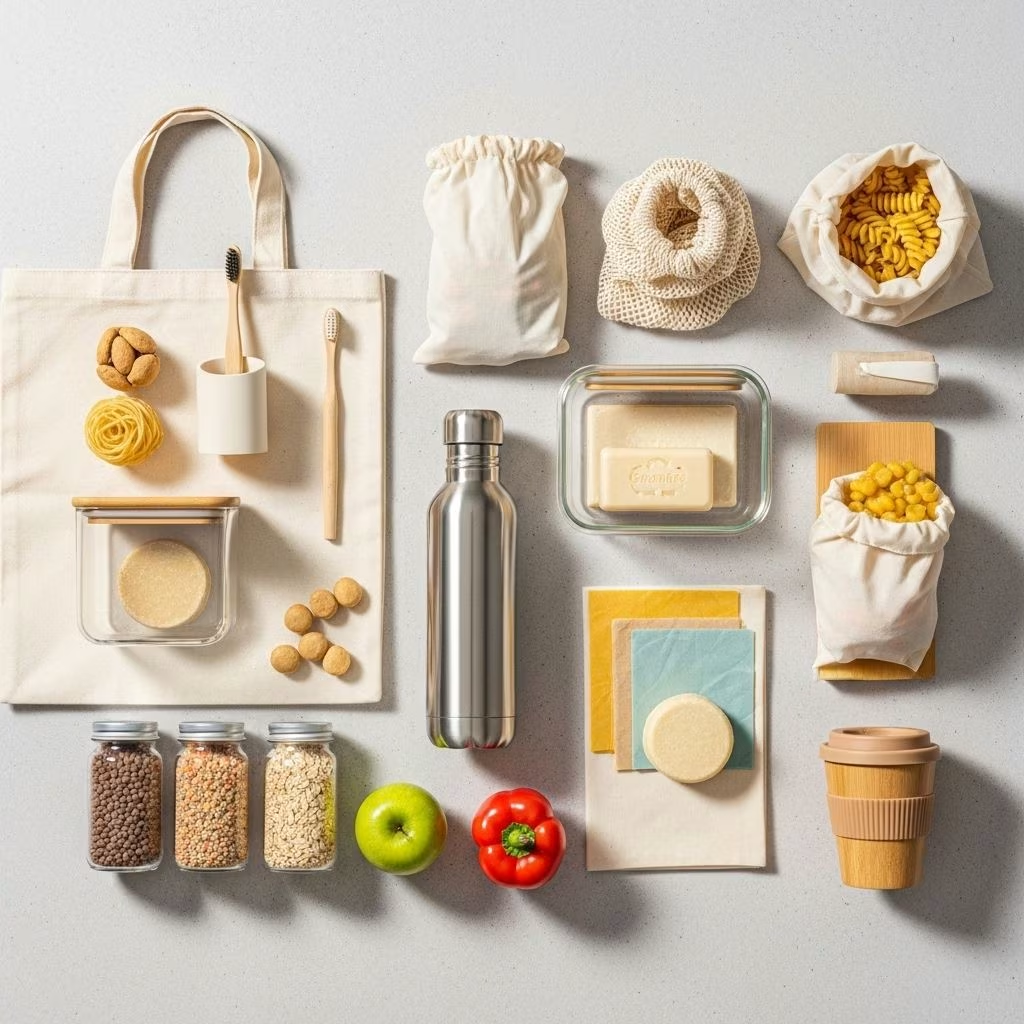
Beyond Plastic: Practical Tips for a Low-Plastic Lifestyle
Plastic pollution poses a serious threat to the environment, wildlife, and human health. While recycling is valuable, the most sustainable solution is to reduce or eliminate plastic as much as possible from our daily routines. The journey to a plastic-free life may seem daunting, but small changes add up significantly over time. This guide dives into actionable strategies and everyday swaps to help you minimize your reliance on plastic, making your lifestyle cleaner, greener, and more thoughtful.
Why Ditch Plastic?
Plastic takes centuries to degrade, breaking down into microplastics that persist in our ecosystems, contaminate water sources, and enter the food chain. Even with increased awareness, global plastic production and pollution continue to rise. By adopting mindful habits and making conscious choices, you contribute to a healthier planet, support wildlife conservation, and help shift market demand towards more sustainable materials.
Essential Mindset Shifts & Strategies
- Avoid perfectionism. Aim for progress, not an all-or-nothing approach. Every bit helps, and collective effort creates meaningful change.
- Focus on refusal and reduction as much as recycling. The most impactful action is to prevent new plastic from entering circulation.
- Prioritize reusables. Opt for durable alternatives and discover creative plastic-free substitutions for everyday needs.
Out-and-About: Ditching Disposables on the Go
- Bring reusable bags. Keep fabric tote bags handy for grocery trips, shopping, or unexpected errands. Store a few in your car, backpack, or purse for easy access.
- Stash reusable produce bags. Mesh or cloth produce bags replace single-use plastic produce bags in supermarkets and farmers’ markets.
- Carry a stainless steel or glass water bottle. Refilling your own bottle saves vast numbers of single-use plastic bottles over time.
- Pack your own reusable coffee cup or thermos. Many cafes will fill your container, reducing unnecessary waste from disposable cups and lids.
- Gift yourself utensils-on-the-go. A bamboo or metal cutlery set and reusable chopsticks make plastic forks, spoons, and knives obsolete.
- Say no to plastic straws. If you need a straw, opt for a portable stainless steel, bamboo, or silicone version.
- Refuse extras at shops and restaurants. Politely decline plastic stirrers, sauce packets, and plastic-wrapped napkins unless essential.
Quick Reference: On-the-Go Starter Kit
| Reusable Swap | Plastic Replaced | Best Materials |
|---|---|---|
| Tote bags | Plastic shopping bags | Cotton, hemp, recycled polyester |
| Produce bags | Thin produce sacks | Mesh cotton, Tencel, recycled mesh |
| Water bottle | Bottled water | Stainless steel, glass |
| Coffee mug | Takeaway cups/lids | Ceramic, stainless steel |
| Cutlery & straw | Disposable utensils & straws | Bamboo, metal, silicone |
At Home: Everyday Plastic-Free Alternatives
Kitchen Essentials
- Choose glass or stainless steel food containers instead of plastic tubs for meal prep and leftovers. These materials resist stains and lingering odors and last for years.
- Switch to beeswax food wraps for covering bowls, storing sandwiches, or wrapping produce. Unlike cling film, these reusable wraps breathe and are compostable at the end of their life.
- Use silicone lids to cover food and beverages instead of plastic wrap or foil. They create airtight seals and are endlessly reusable.
- Shop in bulk. Bring your own containers to stores that offer bulk bins for grains, nuts, legumes, dried fruits, spices, and snacks. Avoid individually packaged foods when possible.
- Opt for natural dish brushes and scrubbers. Replace plastic scrub pads with compostable options made from wood, coconut fibers, or loofah.
- Invest in bar soap for dishwashing and castile soap blocks in place of liquid soap in plastic bottles.
- Compost food scraps to reduce reliance on plastic trash bags and promote a circular food system.
Cleaning and Laundry Solutions
- Make or buy powder detergents in cardboard boxes, or use refill stations for liquid cleaning supplies.
- Try soap nuts or laundry strips for an ultra-low-waste alternative that skips the plastic jug entirely.
- Cut microfiber pollution by air-drying textiles, using a microfiber-catching laundry bag, and picking natural fiber clothes and towels when you shop.
- Use cloth rags or old shirts for cleaning, eliminating the need for plastic-packaged wipes or microfiber cloths.
Bathroom and Personal Care
- Swap plastic toothbrushes for bamboo, recycled plastic, or bioplastic toothbrushes. Replace heads instead of whole brushes whenever possible.
- Try toothpaste tablets, tooth powder, or paste in metal or glass jars to ditch plastic toothpaste tubes.
- Bar soap for body and hair eliminates shampoo and gel bottles. Seek brands with minimal or compostable packaging.
- Look for a reusable or recyclable razor (such as a stainless steel safety razor) to avoid disposable plastic razors.
- Choose deodorant creams or bars in glass jars, metal tins, or cardboard tubes.
- Use biodegradable loofahs or natural sea sponges instead of synthetic shower poufs.
Laundry & Home Goods
- Opt for wooden clothes pegs rather than plastic clips.
- Choose natural fiber sponges for cleaning and bathing.
- Buy concentrated cleaner refills in bulk, powder, or tablet form to reduce packaging impacts.
Plastic-Free Grocery Shopping
- Bring your own reusable produce bags and storage jars to the store or market.
- Shop local farmers’ markets where produce is less likely to come pre-packaged.
- Favor products in glass, paper, or cardboard over those in plastic containers or wrappers.
- Consider milk delivery in glass bottles (where available) to cut out single-use milk jugs and cartons.
- Purchase bread fresh from bakeries using a cloth bread bag to avoid plastic sleeves.
- Choose fresh, unpackaged produce and refrigerate it in beeswax wraps, glass containers, or cotton bags.
- Refuse plastic-wrapped single servings and convenience foods in favor of bulk and family-sized products when packaging can’t be avoided.
Creative Swaps for Plastic-Free Living
- Lunch & Snacks: Use stainless steel, bamboo, or silicone bento boxes. Switch to reusable cloth sandwich bags or snack pouches for school lunches and office snacks.
- Food Storage: Glass mason jars, ceramic containers, or metal canisters preserve leftovers and dry foods better and without plastic leaching.
- Wraps & covers: Beeswax wraps and silicone lids make excellent alternatives to plastic wrap for food covering and transport.
- Reusable drinkware: Invest in a set of sturdy, reusable straws (stainless, glass, silicone, or bamboo), and remember to ask for “no straw, please” when ordering drinks.
- Compostable utensils: At picnics and parties, offer bamboo or other plant-based cutlery that can be composted after use.
Smarter Shopping & Consumer Choices
- Think before you buy. Choose quality, longevity, and repairability over single-use or disposable plastic products.
- Support companies with minimal or sustainable packaging practices. Buy from zero waste or bulk stores when possible.
- Encourage local stores to reduce plastic by voicing your preferences and thanking them for sustainable options.
- Buy fewer, better items. The less you buy overall, the less waste you ultimately generate.
- Consider secondhand options for storage containers, furniture, and home goods, which are often less plastic-intensive than new products.
Handling Hard-to-Avoid Plastics
- Avoid buying new synthetic clothing and instead focus on natural fibers to reduce microplastic shedding.
- Cut single-use bathroom plastics like disposable razors, floss in plastic containers, and travel-size bottles by switching to reusable or bulk alternatives.
- Minimize packaging waste by choosing concentrated cleaning products, solids (e.g., bar shampoo), or powdered formulas that come in cardboard or metal tins.
- If you must buy plastic items, choose recyclable types such as #1 (PETE) or #2 (HDPE), clean them thoroughly, and recycle according to local rules.
Plastic-Free Party and Event Tips
- Decorate with fabric banners, paper garlands, and flowers rather than foil or plastic streamers and balloons.
- Use real plates, glasses, and cutlery or, if disposable is necessary, pick compostable items over plastic.
- Offer drinks in pitchers rather than single-use bottles or cans.
- Encourage guests to bring their own containers if you’re sending leftovers home.
Troubleshooting & Overcoming Obstacles
- It’s not always possible to go 100% plastic-free. Some medical, hygiene, or accessibility needs may rely on plastic. Give yourself grace and focus on the areas you can control.
- If friends or family are skeptical, lead by example without being preachy. Share your tips when asked, and celebrate small wins together.
- Support policy change by advocating for extended producer responsibility, bans on unnecessary plastics, and bulk shopping infrastructures in your community.
- Keep learning. The movement towards zero waste continues to grow, offering new ideas, products, and solutions each year.
Frequently Asked Questions (FAQs)
Q: What’s the first step for someone wanting to reduce plastic?
A: Start by observing where plastic shows up most in your daily routine—shopping, food storage, or hygiene—and tackle one area at a time. Swapping single-use items you use often, like bags or bottles, for reusables makes a big first impact.
Q: Are compostable plastics a good solution?
A: Compostable or biodegradable plastics sometimes require industrial composting facilities, and may not break down in home compost or landfill conditions. Natural, truly biodegradable alternatives—like paper, wood, or plant-fiber—are often a better bet.
Q: How do I get my family members on board?
A: Start small, involve them in shopping and meal prep, and model the changes you want to see. Celebrate their efforts and be patient—change takes time.
Q: What are some affordable swaps for living without plastic?
A: Cloth bags, glass jars (from old sauces), bar soap, baking soda for cleaning, and bulk bin shopping can often save money while cutting plastic use.
Q: Is it possible to live totally plastic-free?
A: Due to the ubiquity of plastics in modern industry, it’s nearly impossible to live completely plastic-free. However, dramatically reducing reliance on plastic is achievable for most people, and every step matters.


