


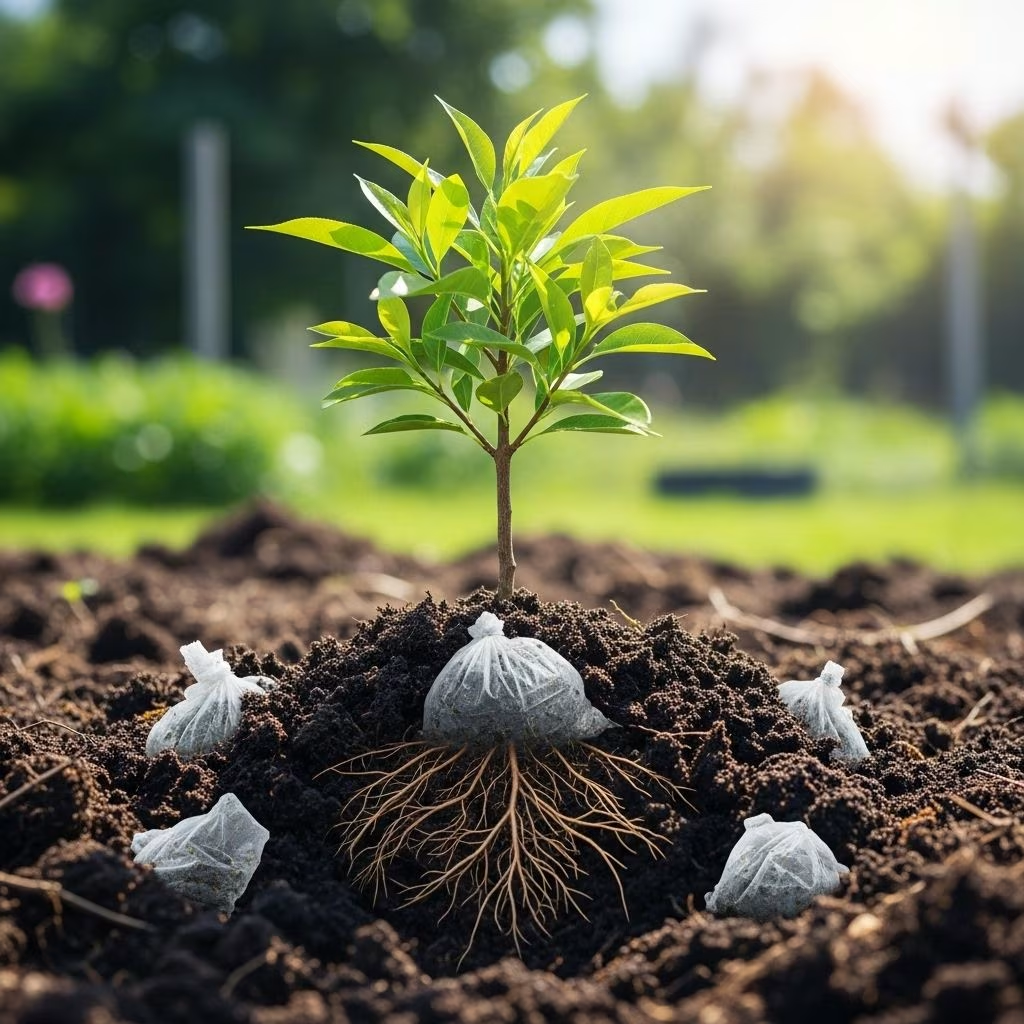
Do Compostable Bags Really Work?
As consumers become more conscious of their environmental footprint, compostable bags have emerged as a promising alternative to single-use plastics. But do they truly deliver on their eco-friendly claims? This article examines the science, practical usage, and industry standards of compostable bags, providing a comprehensive overview for anyone seeking sustainable ways to manage organic waste.
What Are Compostable Bags?
Compostable bags are designed to break down in composting environments, transforming into water, carbon dioxide, and organic matter without leaving harmful residues. Unlike conventional plastics derived from petroleum, compostable bags are often made from plant-based materials such as cornstarch, PLA (polylactic acid), or PBAT (polybutylene adipate terephthalate). Their intended end-of-life is integration into natural cycles rather than polluting landfills or oceans.
The Environmental Promise
- Reduced plastic pollution: Compostable bags aim to replace the single-use plastics that clog waste streams and contribute to microplastic contamination.
- Support for composting initiatives: These bags make it easier and less messy to compost food scraps and other organic waste, thereby diverting material from landfills where methane, a potent greenhouse gas, is generated.
- Lower carbon footprint: The manufacturing process of compostable packaging generally requires less energy compared to traditional plastics, resulting in fewer greenhouse emissions.
How Compostable Bags Are Certified
Not all bags labeled “compostable” are created equal. Industry standards like EN 13432 (European Union) and ASTM D6400 (United States) specify biodegradation requirements for industrial composting. Certified bags are tested to ensure that they break down completely within a set timeframe—typically 180 days—and leave no toxic residues behind.
- EN 13432: Ensures that compostable biowaste bags do not negatively affect compost quality and fully degrade under industrial conditions.
- ASTM D6400: Sets similar parameters for the U.S., focusing on complete biodegradation into non-toxic components.
Certification processes are critical for quality control and consumer trust. Bags that pass these certifications provide reliable composting outcomes in properly managed facilities.
Do Compostable Bags Work in Practice?
Scientific studies have investigated real-world composting facilities to determine the fate of compostable bags. For instance, research conducted at German industrial composting sites revealed that properly certified compostable bags do not pose challenges to compost quality. In 25 out of 30 samples, no residues from compostable bags were detected, and the few plastic contaminants found were from conventional plastics like polyethylene (PE).
However, the actual performance can vary based on the type of composting:
- Industrial composting: Bags certified for industrial composting (like PLA and PBAT blends) reliably degrade due to the controlled heat, moisture, and microbial activity.
- Home composting: Home compost settings are less consistent. About 60% of certified home compostable plastics did not degrade effectively in field tests, emphasizing the importance of both material selection and composting conditions.
Compostable vs. Biodegradable Bags
| Feature | Compostable Bags | Biodegradable Bags |
|---|---|---|
| End Product | Produces organic matter, improves soil quality | May leave contaminants, less controlled breakdown |
| Decomposition Time | Up to 180 days (plastics); 45-60 days (wood-based) | 3-6 months |
| Facility Requirements | Industrial facility often required for full breakdown | May degrade faster outside composting environments |
| Environmental Impact | Supports soil fertility, reduces methane emissions | Potential for incomplete degradation, pollution risk |
Key Benefits of Compostable Bags
- Phase-out of Single-Use Plastics: Compostable bags serve as a direct replacement for single-use plastic bags in groceries, produce aisles, and food packaging.
- Multiple Use Potential: Bags can be reused for groceries, compost lining, and even pet waste collection before becoming compost material themselves.
- Convenience and Hygiene: Leakproof and clean, compostable bags motivate more households to participate in curbside composting programs.
- Support for Behavior Change: Offering compostable liners and bins increases participation by making composting less messy and more user-friendly, boosting municipal composting rates above 80% in some cases.
- Improved Soil and Ecosystems: Composting organic waste in compostable bags reduces reliance on chemical fertilizers, improves soil quality, and promotes healthier crops.
Challenges and Drawbacks
- Need for Certification and Facility Infrastructure: Only certified compostable bags reliably decompose; uncertified or incorrectly disposed bags may persist as litter or contaminate compost streams.
- Home Composting Limitations: Most compostable bags are designed for industrial composting, but many consumers only have home composting setups. Inconsistent temperatures and microbial activity can slow or halt decomposition.
- Cross-Contamination: Compost piles contaminated with non-compostable items (plastic, glass, produce stickers) can reduce compost quality. Consumer vigilance is needed to prevent contamination.
- Cost: Compostable bags and kits are often more expensive than traditional plastics, with additional labor and infrastructure costs.
- Lack of Infrastructure: Not all municipalities have composting programs or facilities equipped to process compostable plastics, so they may end up in landfills where decomposition is ineffective.
Comparing Compostable Paper Bags
Compostable bags can also be made from paper. These feature advantages such as using renewable resources, decomposing fully in compost heaps, and having a lower carbon footprint compared to plastic alternatives. Businesses increasingly offer compostable paper options, recognizing their branding and sustainability value. However, it is important to check for proper regulatory certification and local composting acceptance before purchase.
How to Use Compostable Bags Effectively
- Check for Certification: Look for industry-standard certifications to ensure your bag will degrade as intended.
- Compost in Approved Facilities: Industrial composting is more reliable for plastics-based compostable bags. Confirm your local program accepts them.
- Separate Properly: Remove produce stickers, glass, and synthetic materials before composting to avoid contamination.
- Don’t Compost Conventional Plastics: Only certified compostable bags should go in the compost bin. Regular plastics remain as pollutants and can disrupt the composting process.
- Educate Household Members: Proper sorting and disposal are crucial for composting to have the intended environmental benefit.
Industry Perspectives and Future Trends
- Growing Regulations: Increasing bans on single-use plastics in cities and countries are accelerating the adoption of compostable alternatives.
- Improved Materials: Research continues into new biopolymer blends that degrade faster and more reliably under a wider range of composting conditions.
- Expanded Consumer Choice: Compostable options now include shopping bags, produce bags, cling film, gloves, and more, extending eco-friendly choices across everyday tasks.
Frequently Asked Questions (FAQs)
Are compostable bags better for the environment than biodegradable bags?
Compostable bags are generally preferred because they decompose into useful organic matter and improve soil quality when processed correctly. Biodegradable bags may leave contaminants if they are not processed under strict conditions.
Can compostable bags degrade in home compost bins?
Some compostable bags, especially those made from paper or specifically certified for home composting, may break down in household bins. However, most compostable plastics require industrial composting facilities due to their decomposition requirements.
Do compostable bags contaminate compost?
When certified and processed correctly, compostable bags do not contaminate compost. Most contamination results from conventional plastics, glass, or non-compostable items being mixed in accidentally.
Do compostable bags cost more than traditional plastics?
Yes, compostable bags generally cost more than single-use plastics or paper alternatives, and composting kits may have additional fees.
Will compostable bags solve the plastic pollution crisis?
Compostable bags are a promising solution but are not sufficient on their own. Success depends on infrastructure, participation, and ongoing innovation in materials and systems.
Summary Table: Compostable vs. Traditional Bags
| Bag Type | Material | Compostability | End of Life | Environmental Impact |
|---|---|---|---|---|
| Compostable Plastic | PLA, PBAT, plant starch | Industrial composting required | Becomes organic matter | Low carbon footprint, reduced landfill impact |
| Compostable Paper | Uncoated, plant-based paper | Home or industrial composting | Quickly decomposes | Renewable resource, low emissions |
| Conventional Plastic | Polyethylene (PE), polypropylene | Not compostable | Remains in landfill, may fragment | High emissions, contributes to pollution |
Conclusion
Compostable bags can play a meaningful role in reducing plastic pollution, improving waste management hygiene, and supporting municipal composting programs. Certified compostable bags, processed in suitable facilities, leave no harmful residues and contribute positively to soil and ecosystem health. However, their success depends on proper infrastructure, rigorous certification, consumer participation, and ongoing education to prevent contamination and ensure responsible disposal.
Consumers, businesses, and policymakers must work together to create systems that maximize the environmental benefits of compostable bags and achieve broader sustainability goals. With proactive choices and continual improvement, compostable bags can help pave the way to a greener future.
References
- https://www.european-bioplastics.org/study-shows-compostable-biowaste-bags-do-not-pose-problem-to-quality-of-compost/
- https://ecosafe.green/blogs/news/3-reasons-why-compostable-bags-are-better-for-the-environment
- https://emeraldecovations.com/2024/08/are-paper-bags-compostable-evaluating-environmental-impact/
- https://www.nature.com/articles/s44296-024-00012-0
- https://sifted.com/resources/compostable-packaging-the-pros-and-cons-in-2023/
- https://pmc.ncbi.nlm.nih.gov/articles/PMC6946947/


