


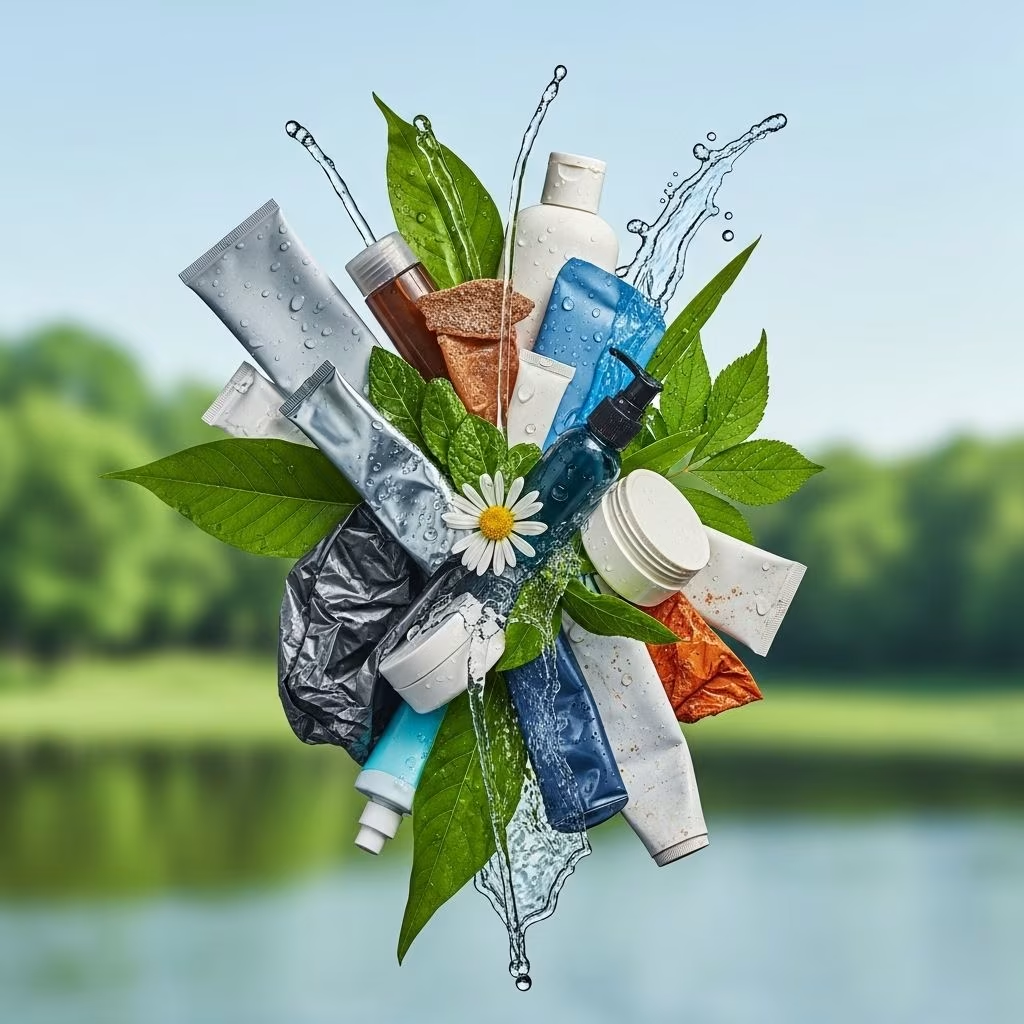
The Escalating Waste Crisis in the Beauty Industry
\n
The global beauty industry, often associated with luxury and innovation, harbors a significant environmental problem: an epidemic of waste production that threatens ecosystems and the climate. From the staggering amount of plastic packaging to the pervasive issue of microplastics and unsustainable sourcing, beauty has a hidden, ugly side. This article delves into the scale of the crisis, unpacks the consequences, explores what individuals and companies can do, and highlights effective solutions for a more sustainable future.
\n\n
The Scope and Scale of the Waste Problem
\n
The waste generated by the beauty sector is nothing short of immense. As consumers demand innovative products and new formulas, the volume of waste escalates—not just from product use but especially from packaging. Here are some critical statistics that define the crisis:
\n
- \n
- 120 billion units of packaging are produced annually by the beauty industry, with the vast majority made from plastic.
- Only about 9% of plastic is recycled globally; thus, most packaging ends up in landfills or oceans, contributing to long-term pollution.
- 95% of beauty packaging is thrown out after a single use, with only 14% reaching recycling centers.
- Plastic packaging from cosmetics often contains composite materials and colorants, making them difficult or impossible to recycle.
- Microplastics from exfoliants and glitters find their way into waterways, disrupting marine ecosystems and contaminating the food chain.
- The cosmetics industry is on a trajectory to grow by over 60% by 2030, exacerbating the waste problem if current practices remain unchanged.
\n
\n
\n
\n
\n
\n
\n\n
Pervasive Microplastics and Non-Recyclable Waste
\n
Beyond packaging, the industry is rife with single-use applicators, disposable sheet masks, and sachets, which are rarely recyclable. Many skin care and color cosmetics contain microplastics—tiny plastic fragments that bypass filtration, pollute waters, and persist in the environment for decades. Some of these plastics are explicitly included for texture or appearance (such as glitter), while others enter water systems through product runoff.
\n\n
Environmental Consequences: Pollution, Climate, and Wildlife
\n
The environmental fallout from the beauty industry extends far beyond the immediate visual blight of littered packaging:
\n
- \n
- Marine Pollution: Over 8 million tons of plastic enter oceans yearly, with discarded beauty packaging playing a significant role. The Great Pacific Garbage Patch partly owes its growth to cosmetics-related plastics.
- Climate Impact: Plastic is a petrochemical product; 99% of plastics are made from fossil fuels. Manufacturing emits considerable greenhouse gases: each kilogram of plastic created emits three kilograms of CO2.
- Biodiversity Loss: Microplastics and chemical contaminants from cosmetics damage marine and terrestrial life, affecting at least 633 marine species and entering the human food supply through seafood consumption.
- Wastewater and Water Usage: The industry consumed 10.4 million tons of water in 2020, contributing to water scarcity—especially in regions already under stress.
\n
\n
\n
\n
\n\n
Supply Chain’s Hidden Impact
\n
Waste isn’t limited to what consumers see. Beauty brands discard significant quantities during product development and supply chain operations:
\n
- \n
- Over 10% of beauty products are lost as unsold, expired, or damaged goods, representing nearly $4.8 billion worth destroyed annually.
- Overproduction and aggressive marketing cycles generate waste before products even reach store shelves.
\n
\n
\n\n
Social Costs: Human Rights, Labor, and Health
\n
Sustainability in beauty is not just about environmental impact. The industry’s quest for natural ingredients and shimmer agents exposes social inequalities and hazardous labor conditions:
\n
- \n
- Mica mining—used for shine in makeup—often relies on undisclosed child labor in countries like India, Madagascar, China, and Brazil. Workers may face dangerous conditions and unfair wages.
- Palm oil, prevalent in nearly 70% of beauty products, is a leading cause of tropical deforestation and habitat destruction.
- Ingredient extraction (like rare oils) drives harmful agricultural methods, often involving pesticides and fertilizers that pollute water and degrade soil health.
\n
\n
\n
\n\n
Consumer Perception and the Problem of Greenwashing
\n
Many beauty brands tout eco-conscious credentials, but a closer examination reveals a gulf between marketing and reality:
\n
- \n
- ‘Greenwashing’—the use of misleading environmental claims—remains widespread. Products marked ‘natural’, ‘organic’, or ‘eco’ may still be packaged in single-use plastic or contain synthetic additives.
- Only a minority of brands have comprehensive recycling or refill programs in place, despite marketing efforts suggesting otherwise.
- Consumer desire for sustainability continues to grow: nearly 66% seek eco-friendly brands, and over half are willing to pay more for sustainable choices.
\n
\n
\n
\n\n
Steps Toward a Circular Economy: Rethinking Beauty Waste
\n
Experts and advocates argue that a solution lies in shifting from a linear ‘make-use-dispose’ model to a circular economy approach, where products and materials are designed for reuse, recycling, or composting.
\n\n
What Is a Circular Economy in Beauty?
\n
A circular economy aims to minimize waste and maximize use by keeping resources in use for as long as possible:
\n
- \n
- Designing products with end-of-life recyclability in mind.
- Implementing refillable systems to reduce single-use containers.
- Using biodegradable, compostable packaging whenever possible.
- Promoting take-back schemes or partnerships with recycling collectives for hard-to-recycle cosmetic items.
\n
\n
\n
\n
\n\n
How Companies and Innovators Are Responding
\n
A range of beauty companies are responding to the waste crisis with innovations and new business models. Some of the most promising solutions include:
\n
- \n
- Refill Stations and Return Systems: Brands introduce refillable packaging and in-store collection points for empties—facilitating responsible disposal and reuse.
- Material Innovation: Use of glass, aluminum, and post-consumer recycled plastics (PCR) instead of new plastic.
- Minimal and Multi-Use Products: Encouraging products that serve several functions (such as multi-sticks) to reduce the number of items purchased.
- Waste Diversion Efforts: Organizations collect and repurpose beauty product waste, including makeup containers, pumps, caps, and more.
- Ethical Sourcing: Ensuring ingredients are obtained without exploitative or environmentally harmful practices.
- Lifestyle Brands: Companies encourage mindful purchasing and promote ‘less is more’ campaigns.
\n
\n
\n
\n
\n
\n
\n\n
Impact Highlight: Waste Diversion and Measurable Progress
\n
Sustainability collectives and impact-driven brands have reported significant achievements. For instance, Pact Collective’s efforts have diverted over 227,000 lbs. of beauty waste from landfill, showing that coordinated partnerships between brands and recyclers can create real change.
\n\n
What Can Consumers Do?
\n
Individual choices add up. By making mindful purchasing decisions, consumers can drive meaningful change:
\n
- \n
- Choose Refillable or Recyclable Packaging: Seek out brands that use easily recyclable materials and offer refill systems.
- Buy Less, Use More: Avoid impulse buying; finish products before purchasing new ones.
- Participate in Take-Back or Recycling Programs: Many companies and independent groups accept used beauty containers for safe processing.
- Support Transparent Brands: Research companies’ sustainability practices and ingredient sourcing.
- Advocate for Policy Change: Add your voice to petitions and campaigns demanding corporate accountability and better waste management infrastructure.
\n
\n
\n
\n
\n
\n\n
Table: Sustainable Packaging Options for Beauty Products
\n
| Material | Pros | Cons | Common Uses |
|---|---|---|---|
| Glass | Fully recyclable, inert, reusable | Heavier, fragile, higher carbon footprint in shipping | Perfume bottles, creams, serums |
| Aluminum | Infinitely recyclable, lightweight, rust-proof | May dent, can react with some formulas | Tubes, deodorant cans |
| Bioplastics | Made from renewable resources, some are compostable | Not all are backyard compostable; limited facilities | Lipstick tubes, packaging liners |
| Recycled Plastic (PCR) | Reduces demand for virgin plastic, keeps plastic in circulation | Limited supply, not always recyclable again | Bottles, jars, caps |
\n\n
The Role of Regulation and Industry Standards
\n
While voluntary industry actions matter, regulatory support is crucial for transformative change:
\n
- \n
- Extended Producer Responsibility (EPR): Requires companies to finance and manage the lifecycle and disposal of their packaging.
- Ban on Microplastics: Increasingly, countries are legislating against the use of plastic microbeads in beauty products.
- Mandatory Recycled Content: Laws that enforce the inclusion of post-consumer recycled content in packaging.
\n
\n
\n
\n\n
Frequently Asked Questions (FAQs)
\n
Q: Why is packaging such a big problem in the beauty industry?
\n
A: Packaging accounts for the largest portion of the sector’s waste because it is often single-use, made from complex plastics, and discarded after products are emptied. Most of it is not recyclable or recycled.
\n\n
Q: Are biodegradable or compostable beauty packages a real solution?
\n
A: Biodegradable and compostable packaging has promise, but effectiveness depends on access to industrial composting facilities and clear labeling. Not all bioplastics will break down in home composting systems.
\n\n
Q: What is the impact of beauty product microplastics on marine life?
\n
A: Microplastics are ingested by marine animals, can accumulate toxins, and contribute to the decline of marine biodiversity. Eventually, these plastics can make their way into human food sources as well.
\n\n
Q: How can I reduce my personal beauty waste?
\n
A: Opt for brands with refill or recycling programs, avoid unnecessary purchases, look for recyclable materials, use products to completion, and properly clean empties before recycling.
\n\n
Q: Does buying from ‘natural’ brands mean the products are sustainable?
\n
A: Not necessarily. Brands may market themselves as natural or eco-friendly, but actual sustainability requires responsible ingredient sourcing, minimal or recyclable packaging, and transparent business practices.
\n\n
Looking Ahead: A Call to Action for Sustainable Beauty
\n
The beauty industry’s waste problem, while daunting, is not insurmountable. Through a combination of brand innovation, regulatory reform, and conscious consumerism, we can stem the tide of pollution and build a cleaner, greener personal care ecosystem. Every small action—from recycling containers to advocating for policy change—draws us closer to a world where beauty is truly skin-deep, without leaving an ugly mark on the planet.
\n
References
- https://snowkap.com/beauty-industry-an-ugly-business-for-the-planet/
- https://mybrightbody.com/blogs/blog/the-beauty-industrys-waste-problem-and-how-bright-body-is-leading-the-way-to-a-more-sustainable-future
- https://climatedrift.substack.com/p/how-green-is-the-beauty-industry
- https://bizplanr.ai/blog/beauty-industry-statistics
- https://www.4ocean.com/blogs/industry-news/sustainable-coffee-farming-how-it-s-reshaping-the-industry-copy
- https://beautymatter.com/articles/the-beauty-industrys-waste-reckoning
- https://freeyourself.com/blogs/news/beauty-brand-sustainability-statistics
- https://sgkinc.com/en/insights/single-insight/how-clean-beauty-can-drive-sustainability-in-the-beauty-industry/
- https://jrrecyclingsolutionsltd.com.bd/blog/how-much-waste-does-the-beauty-industry-produce
- https://www.woola.io/blog/beauty-packaging-statistics


