Which Fireplace Is Best for the Environment? Comparing Wood, Gas, Electric, Pellet, and Alcohol Options
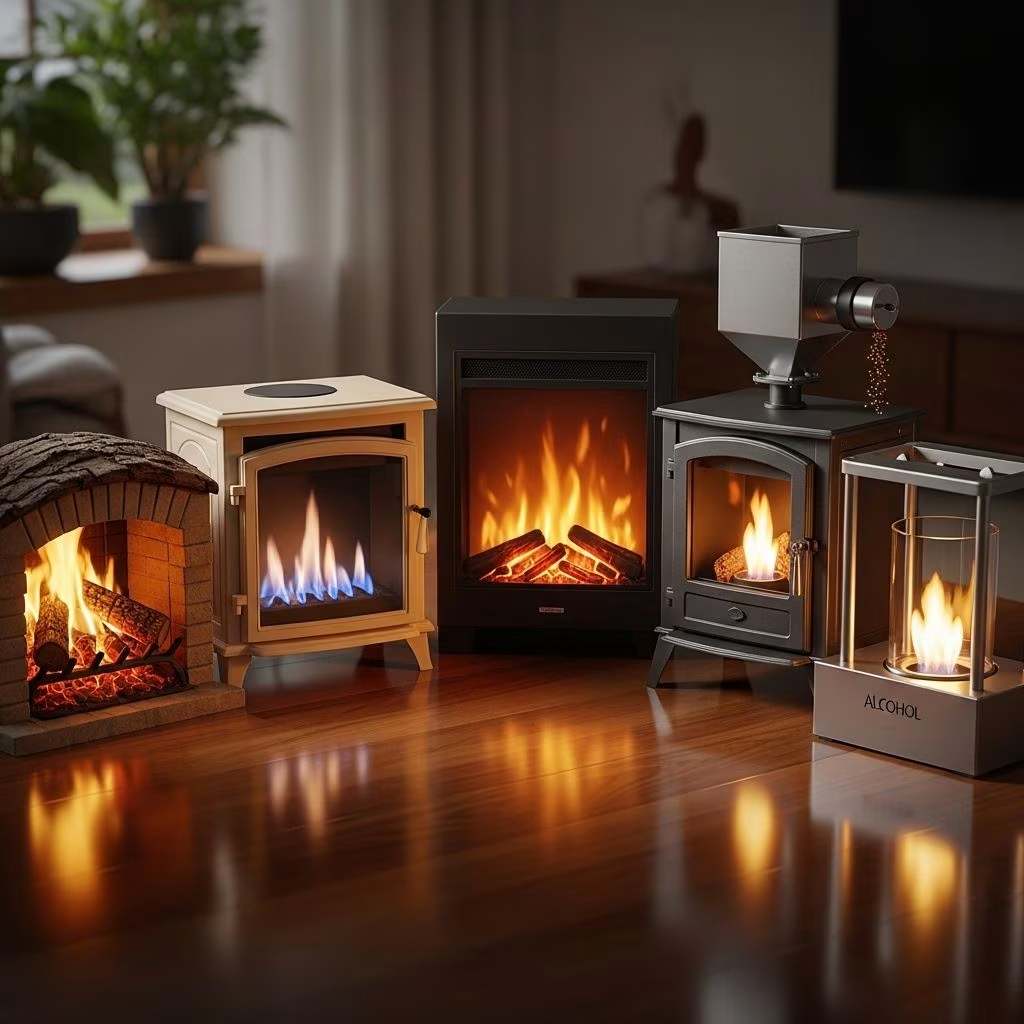
As more homeowners seek cozy warmth and ambiance, fireplaces remain a popular feature in residential living. However, growing environmental concerns prompt a critical question: Which type of fireplace offers the best blend of comfort and ecological responsibility? This comprehensive guide evaluates the environmental impacts, energy efficiency, emissions, and sustainability considerations for wood, gas, electric, pellet, and alcohol fireplaces. By understanding these differences, you can make an eco-conscious heating choice that aligns with your values and needs.
Factors That Determine a Fireplace’s Environmental Impact
The overall sustainability and environmental impact of a fireplace depend on several considerations:
- Fuel Source: Whether the fireplace uses renewable (wood, pellets, some alcohols) or non-renewable (natural gas, propane, coal-based electricity) sources.
- Greenhouse Gas Emissions: The amount of carbon dioxide (CO₂), methane (CH₄), and other climate-warming gases produced.
- Air Pollution: Emission of particulates, volatile organic compounds (VOCs), carbon monoxide, and toxic chemicals that affect health and air quality.
- Efficiency: How much of the fuel’s energy becomes usable heat versus how much is lost.
- Indoor Air Quality: Some fireplaces can increase indoor pollution or fine particles, posing health risks even with proper venting.
- Source and Processing of Fuel: Transportation, harvesting, and refining processes affect environmental costs overall.
- Operation and Maintenance: How frequently the fireplace is used, how well it is maintained, and whether it’s operated efficiently.
Wood Fireplaces: Tradition Versus Pollution
Wood-burning fireplaces offer a sense of comfort and nostalgia. But when evaluating the environmental impact, the drawbacks are significant and increasingly recognized by scientists and environmental agencies.
Environmental Pros
- Renewable Source: Wood is a renewable fuel, and if forests are managed responsibly, trees can be replanted to absorb carbon released by burning (see note on carbon neutrality).
- Traditional Ambiance: No electric or gas alternative fully replicates the look, sound, and smell of a crackling wood fire.
Environmental Cons
- Significant Air Pollution: Burning wood releases large amounts of particulate matter (PM2.5), formaldehyde, benzene, dioxins, and polycyclic aromatic hydrocarbons (PAHs).
- Health Risks: Smoke can enter homes and neighborhoods, exacerbating asthma, cardiovascular diseases, and respiratory issues.
- Greenhouse Gas Emissions: Although wood is sometimes considered “carbon neutral,” burning it releases carbon dioxide and short-lived climate pollutants like black carbon and methane, which contribute to near-term warming.
- Localized Carcinogenic Pollution: Wood smoke contains substances declared as human carcinogens, and particulates can travel long distances, contaminating air and water.
- Lower Efficiency: Traditional open wood fireplaces are inefficient, losing up to 90% of heat up the chimney and requiring frequent refueling.
- Forest Impact: Unsustainable logging or widespread harvest for fuel can degrade carbon sinks and threaten ecosystems.
Pursuing Cleaner Wood Use
For those who prefer wood heat, using modern EPA-certified stoves or inserts and burning seasoned, untreated wood significantly reduces emissions and increases combustion efficiency. Proper fireplace maintenance and sourcing wood from sustainably managed forests are important mitigating steps.
Gas Fireplaces: Cleaner Burning, But Not Carbon-Free
Natural gas or propane fireplaces offer the allure of simplicity, instant heat, and lower direct emissions compared to wood. However, they present their own set of environmental trade-offs.
Environmental Pros
- Lower Particulate Emissions: Gas burns more cleanly than wood, producing fewer particulates, soot, and volatile organic compounds.
- Convenient and Consistent Heat: Easy. The push-button operation offers fast, reliable heating.
- Lower Indoor Air Pollution: Properly installed and vented gas or propane fireplaces emit almost no indoor pollutants.
Environmental Cons
- Fossil Fuel Reliance: Natural gas and propane are non-renewable fossil fuels, extracted through drilling or fracking, both of which cause habitat destruction, methane leaks, and groundwater pollution.
- Carbon Dioxide Emissions: Burning gas emits less CO₂ per unit of heat than wood or coal but still contributes to climate change.
- Methane Leakage: Methane, a potent greenhouse gas, can escape at multiple points in gas extraction and distribution, offsetting some benefits of cleaner combustion.
- Operational and Upstream Emissions: Although point-of-use emissions are low, upstream emissions during production and transport can be significant.
Gas fireplaces may be suitable for people seeking cleanliness and convenience, but they cannot be considered fully sustainable when all environmental factors are accounted for.
Electric Fireplaces: Zero Onsite Emissions, But Energy Mix Matters
Electric fireplaces have surged in popularity, promising zero onsite emissions, safe operation, and easy installation. Their true environmental impact, however, depends on how the electricity is generated.
Environmental Pros
- No Onsite Air Pollution: No combustion, so no direct emissions of particulates, VOCs, or carbon monoxide.
- High Efficiency: Nearly 100% of electric energy is converted to heat in the home.
- Flexible Placement: Can be installed almost anywhere, often without the need for venting or chimneys.
- Low Maintenance: Require little ongoing maintenance compared to wood or gas fireplaces.
Environmental Cons
- Indirect Emissions: Environmental impact depends on the energy grid’s makeup; coal-fired or natural-gas-dominated grids lead to significant greenhouse emissions.
- Electricity Resource Extraction: Mining and processing for grid fuels can cause environmental degradation unless the electricity is primarily renewable.
- Limited Ambiance: The simulated flame may not satisfy those seeking traditional fireplace aesthetics.
If your local energy comes mainly from renewable sources (solar, wind, hydro), an electric fireplace can be one of the greenest heating choices. In fossil-fuel-dominant areas, the environmental benefit is reduced.
Pellet Fireplaces: Efficient and Renewable, With Some Caveats
Pellet stoves and fireplace inserts burn small, compressed pellets made primarily from sawdust, wood waste, or other biomass. They are promoted as an intersection between sustainability and convenience.
Environmental Pros
- Renewable Fuel: Pellets are typically produced from wood byproducts or agricultural waste, making use of what would otherwise be discarded.
- Cleaner Combustion: Efficient and controlled burning means much lower particulate and carbon monoxide emissions compared to conventional wood stoves.
- Lower Net Carbon Output: When sourced sustainably, pellet burning can approach carbon neutrality.
- Automatic Feeding: Consistent, programmatic burning reduces incomplete combustion and the creation of harmful byproducts.
Environmental Cons
- Upstream Manufacturing Emissions: Energy and chemicals used to manufacture, transport, and package pellets add to the overall environmental footprint.
- Source Matters: If pellet sources are unsustainably managed, environmental gains are lost.
- Electricity Dependence: Most pellet stoves require electricity to operate their feed and blower systems, so grid mix concerns apply.
Pellet fireplaces can strike a thoughtful balance between renewable fuel and cleaner combustion, especially when both the stove and the fuel are sourced and operated responsibly.
Alcohol Fireplaces: Convenience at an Environmental Cost
Alcohol (ethanol or bioethanol) fireplaces have grown in popularity, especially for apartments and homes where venting is limited. They promise vent-free operation and instant ambiance, but their sustainability is mixed.
Environmental Pros
- Renewable Options: Some ethanol is produced from renewable plant-based sources (corn, sugarcane), potentially lowering its carbon footprint compared to fossil fuels.
- Simple Installation: Alcohol fireplaces do not require venting or a chimney, permitting flexible placement and supplemental use.
- No Soot or Ash: Cleaner-burning than wood, with minimal residue.
Environmental Cons
- Source and Processing Impacts: Ethanol production can involve significant land, water, and energy use, especially if feedstocks are not sustainably grown.
- Emissions: Burning ethanol emits carbon dioxide and, in some cases, nitrogen oxides and other air pollutants, especially in poorly ventilated rooms.
- Limited Heat Output: Typically serve more as ambiance features than effective heat sources, potentially leading to supplemental heating and further energy use.
- Indoor Air Quality Concerns: Unvented operation can decrease indoor air quality if used excessively.
Unless the ethanol is reliably sourced from waste materials with minimal processing and used sparingly, alcohol fireplaces have a higher overall environmental impact than their marketing sometimes suggests.
Comparison Table: Fireplace Types and Environmental Impact
| Fireplace | Primary Fuel | Renewability | Greenhouse Gases / Pollution | Efficiency | Indoor / Local Air Quality |
|---|---|---|---|---|---|
| Wood (Traditional) | Wood logs | Renewable, but impact varies | High particulate, VOCs, CO₂ (carbon neutral debate) | Low (~10–20%) | Negative due to smoke/PM2.5 |
| Wood (EPA-Certified) | Wood logs | Renewable (if sustainably sourced) | Lower, but still significant particulates | Higher (~60–80%) | Improved, but not emission-free |
| Gas | Natural gas / propane | Non-renewable | Low particulates, moderate CO₂ | Moderate to high | Low (if vented properly) |
| Electric | Grid electricity | Depends on grid (best with renewables) | Zero onsite; indirect depends on electric source | ~100% | Excellent (no emissions) |
| Pellet | Wood / biomass pellets | Renewable (with sustainable source) | Low particulates, lower net CO₂ | High (~70–90%) | Good (when operated correctly) |
| Alcohol | Ethanol / bioethanol | Renewable or non-renewable | CO₂, some NOx, lower particulates | Moderate | Can impact if unvented |
Frequently Asked Questions (FAQs)
Q: Is burning wood truly carbon neutral?
A: Burning wood is sometimes described as carbon neutral because trees absorb CO₂ during growth, which is released when burned. However, this balance assumes sustainable forestry and overlooks the negative effects of emissions and pollutants produced during burning, as well as the broader climate impacts of short-lived climate pollutants.
Q: Which fireplace has the lowest emissions overall?
A: Electric fireplaces have the lowest direct emissions, and if powered by renewable energy, are the cleanest in terms of overall environmental impact. Pellet stoves are next in efficiency and low emissions if fuel is sourced and managed responsibly.
Q: Do gas fireplaces contribute to climate change?
A: Yes, although the onsite emissions are lower than with wood, the use of natural gas or propane still involves fossil fuel extraction and greenhouse gas emissions, particularly methane leaks throughout the supply chain, which is a powerful climate-warming gas.
Q: Can wood fireplaces be made more environmentally friendly?
A: Yes. Upgrading to an EPA-certified stove or insert, burning only seasoned and untreated wood, maintaining your chimney, and ensuring sustainable wood sourcing can significantly reduce emissions and improve efficiency.
Q: How does indoor air quality differ by fireplace type?
A: Wood-burning fireplaces emit fine particles and toxic pollutants indoors, even when properly vented. Gas and pellet stoves, when well-maintained and vented, are generally safer for indoor air. Electric fireplaces produce no combustion emissions at all.
Q: What other factors should I consider?
A: Consider local air quality regulations, your home’s insulation and ventilation, fireplace use frequency, and the origin of the fuel or energy. Often, the greenest choice is to maximize energy efficiency throughout the home and use fireplaces for occasional ambiance rather than primary heat.
Key Takeaways
- Wood fireplaces offer tradition but produce high emissions and pollution; modern EPA-compliant units are considerably better.
- Gas fireplaces are cleaner than wood but remain tied to the climate costs of fossil fuels.
- Electric fireplaces, especially when powered by renewables, have the smallest carbon and pollution footprints.
- Pellet stoves supply renewable heating with low emissions if responsibly sourced.
- Alcohol fireplaces are versatile but can have higher life-cycle impacts than their vent-free marketing suggests.
The environmental impact of your fireplace depends most on the type of fuel, the efficiency of combustion, and the source of that fuel. For those driven by sustainability, carefully weigh each option, minimize use, and maximize overall home energy efficiency wherever possible.
References
- https://www.dsawsp.org/environment/overview
- https://www.mychimney.com/uncategorized/is-burning-wood-environmentally-friendly/
- https://fullservicechimney.com/the-impact-of-climate-change-on-chimney-and-fireplace-maintenance/
- https://www.trusens.com/news/blog/indoor-fireplace-pollution-solution/
- https://thebioflame.com/blogs/ethanol-fireplace/environmentally-friendly-fireplaces-ranked-from-worst-to-best