Vintage Photos and History of World War II Victory Gardens
During World War II, the Victory Garden movement swept across the United States and much of the Allied world. Citizens, spurred into action by government appeals and a surge of patriotic duty, transformed every available patch of soil—whether in backyards, rooftops, or city parks—into vital sources of food. These gardens became a powerful symbol of resilience, self-sufficiency, and community in a time of unprecedented global conflict.
What Were Victory Gardens?
Victory gardens, also known as war gardens or food gardens for defense, were small-scale agricultural plots cultivated by ordinary people during the war years. Their primary goal was to supplement the nation’s food supply as commercial farms focused on supporting the military effort and overcoming labor shortages. By growing fruits, vegetables, and herbs at home, families not only secured their own sustenance but also helped reduce demand on strained national resources.
- Origins: Inspired by similar efforts in World War I, the World War II Victory Garden program became an essential part of home front mobilization from 1942 onwards.
- Government Support: The USDA, local officials, and even the First Lady Eleanor Roosevelt championed these gardens, spreading the message through posters, booklets, and public events.
- Patriotic Appeal: Slogans such as “Our food is fighting” linked everyday gardening to the nation’s success on the battlefield.
The Growth of the Victory Garden Movement
The scale and reach of Victory Gardens during World War II were remarkable:
- By 1943, approximately 18 million Victory Gardens were in operation—12 million in the cities and 6 million on farms.
- At their peak, over 20 million gardens contributed an estimated 40% of the United States’ fresh vegetables.
- Produce from these gardens ranged from tomatoes, carrots, lettuce, and peas to less familiar crops like Swiss chard and kohlrabi.
- By 1944, harvests from Victory Gardens matched all commercial production of fresh vegetables nationwide.
This unprecedented mobilization brought together people from all walks of life. Schoolchildren, housewives, city dwellers, and even celebrities participated in the movement. Eleanor Roosevelt famously planted a Victory Garden on the White House lawn despite initial skepticism from the Department of Agriculture, reinforcing the national message that everyone could contribute.
Life on the Home Front: Growing for Victory
The experience of gardening during wartime profoundly shaped daily life on the home front. Victory Gardens could be found almost anywhere:
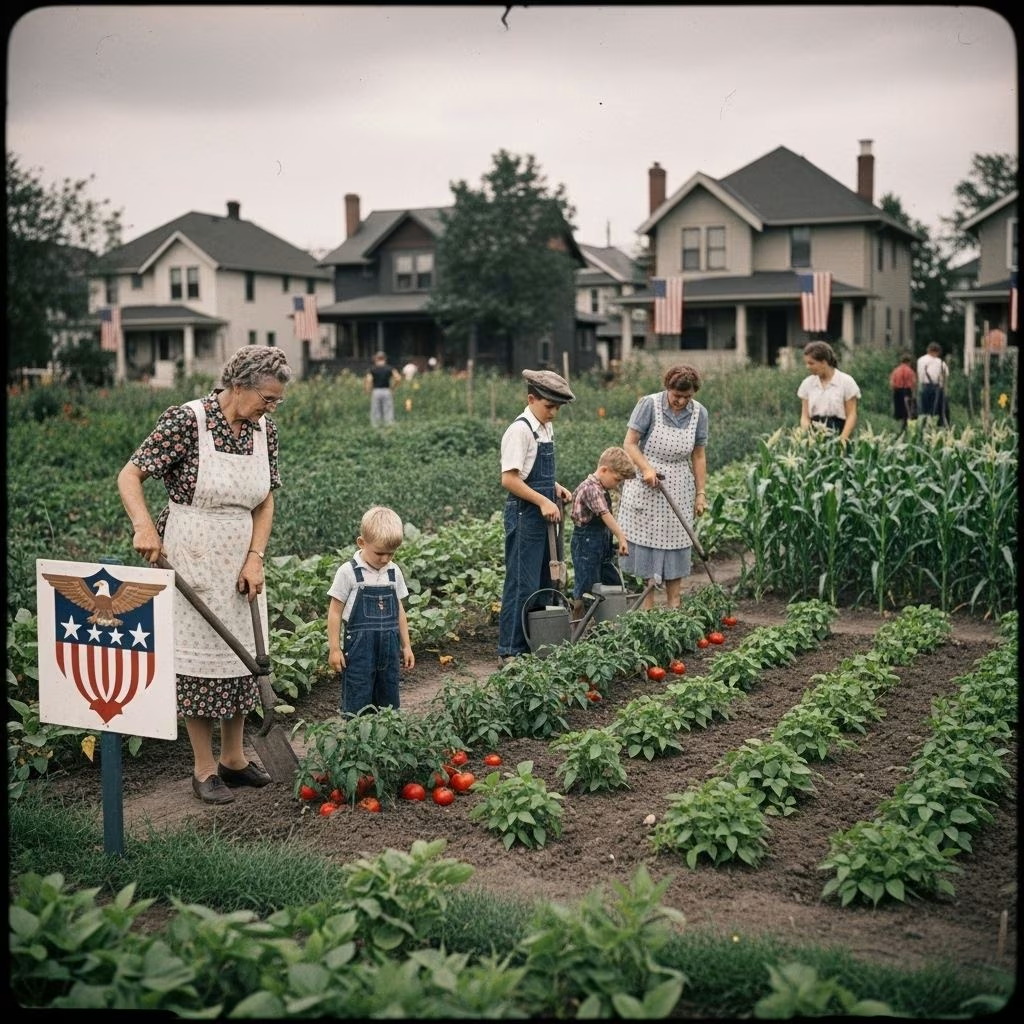
- Backyards and Front Yards: Suburban families converted lawns into orderly plots, often replacing ornamental beds with rows of beans, peas, carrots, and tomatoes.
- Vacant Lots: Empty city spaces were quickly repurposed, creating communal garden spaces where neighbors shared tools, seeds, and know-how.
- Rooftops and Window Boxes: For apartment dwellers, rooftops and window boxes became creative solutions to space limitations.
- School Gardens: Many schools grew food for their cafeterias, using gardening as a hands-on educational tool.
Gardening manuals and recipe booklets proliferated, often tailored to beginners. Companies and agricultural experts gave advice on maximizing yields in different climates. Community groups held gardening lessons and resource-sharing events. Often, surplus crops were preserved through home canning, ensuring food security through the winter months.
Community, Morale, and Patriotism
The impact of Victory Gardens went far beyond calories and nutrition. The movement became a cornerstone of morale and patriotism during times of scarcity.
- Building Community: Shared gardens encouraged cooperation, breaking down social barriers as neighbors worked side by side.
- Mental and Physical Health: Gardening was physically demanding but rewarding, offering an outlet for stress and a way to stay active. Families and individuals found pride and purpose in their efforts.
- National Unity: Gardening united Americans under a common cause, bringing visibility to the ways in which everyone could directly support the war effort, however small their contribution.
This sense of collective purpose was reinforced by energetic government campaigns and the visual language of posters, pamphlets, and newspapers. Even fictional characters like Mickey Mouse, Batman, and Superman appeared in propaganda, encouraging children and adults alike to “dig for victory.”
Victory Gardens Across the Landscape
Victory Gardens weren’t limited to a particular geography or demographic. Their remarkable adaptability meant they flourished in diverse settings across the country:
- Urban Gardens: Cities like Boston reclaimed parcels of public land—such as the Fenway Victory Gardens, the only WWII gardens in continuous operation in the United States today.
- Suburban and Rural Gardens: Most suburban homes included garden plots, and rural families expanded their traditional gardens, often organizing collective efforts on church or community land.
| Type | Location | Common Crops | Purpose |
|---|---|---|---|
| Urban Lot | City parks, vacant lots | Carrots, lettuce, beans | Maximize unused city space, community building |
| Home Garden | Backyards, front lawns | Tomatoes, peas, beets | Self-sustenance, supplement rations |
| School Garden | Schoolyards | Various vegetables | Education, supplement school meals |
| Rooftop/Window Box | Apartment buildings | Herbs, small produce | Adaptation to limited space |
Iconic Victory Gardens and Their Legacy
- The Fenway Victory Gardens (Boston): Established in 1942, these are the only continuously operating WWII Victory Gardens in the United States, still functioning as a public gardening space and a monument to the city’s home front contributions.
- The White House Garden: In 1943, Eleanor Roosevelt’s symbolic planting underscored the idea that all Americans, regardless of stature, could participate.
- Community Gardens Nationwide: Dozens of city parks and unused lots transformed into vibrant communal food sources, many remaining as green spaces or community gardens long after the war.
Recipes, Preservation, and Resourcefulness
Home preservation methods went hand in hand with gardening. The U.S. government issued guides on canning and storing produce, seeking to reduce food waste and maintain a steady food supply through the winter months.
- Preservation: Extra vegetables were canned, pickled, or dried at home, often in community canneries.
- Recipes: Cookbooklets designed for wartime conditions helped families adapt to changing supplies and featured new uses for unfamiliar vegetables like Swiss chard.
This culture of resourcefulness and practical innovation remains a key aspect of the Victory Garden legend.
Why Did Victory Gardens Matter?
The success of the Victory Garden campaign can be measured both in tangible harvests and in intangibles such as morale and unity. Their impact included:
- Producing up to 40% of all fresh vegetables consumed in the country by 1944.
- Reducing pressure on commercial agriculture, which could then focus on feeding soldiers overseas.
- Mitigating food shortages caused by rationing and disrupted supply chains.
- Empowering citizens with a concrete way to support the war effort and take control of their food security.
- Instilling life skills in younger generations and encouraging environmental stewardship.
Vintage Photos: A Glimpse into History
While words convey history, vintage photographs bring the era vividly to life. Famous images from the period capture backyard plots brimming with crops, community workdays in bustling city gardens, children tending their first bean plants, and families proudly posing with baskets of homegrown produce. These photos document the faces behind the gardens—the spirit of a nation coming together in the soil.
- Groups of neighbors working side by side, transforming vacant land into productive gardens
- School children cultivating their first crops and learning about nutrition firsthand
- Women and the elderly leading garden clubs and canning efforts as part of organized community initiatives
- Vivid government posters and booklets illustrating proper gardening techniques and celebrating harvests
Such images continue to inspire twenty-first-century gardeners and urban farmers to revive the spirit of self-reliance, community, and environmental awareness that characterized the original movement.
Legacy and Revivals: The Enduring Spirit of Victory Gardens
Following the end of World War II, many community gardens persisted as cherished urban green spaces. While the original movement was a direct response to wartime necessity, its principles continue to resonate:
- Modern community and school gardens often consciously draw from the Victory Garden tradition, aiming to promote food security, sustainability, and civic engagement.
- The values of resourcefulness, environmental stewardship, and communal action endure, showing new relevance amid economic uncertainty or renewed interest in local food systems.
- Historic Victory Gardens—such as the Fenway Victory Gardens—serve as living reminders of these lessons and the power of collective grassroots action.
Frequently Asked Questions (FAQs)
What was the purpose of Victory Gardens during World War II?
Victory Gardens aimed to supplement the public food supply, lessen pressure on commercial agriculture, and promote civic involvement in support of the war effort. They also provided communities with fresh produce during rationing and supply chain disruptions.
How successful were Victory Gardens?
By 1944, Victory Gardens were producing up to 40% of the nation’s fresh vegetables, with over 20 million gardens in operation and millions of tons of food being grown at home.
Where were Victory Gardens planted?
They were planted in backyards, front lawns, vacant lots, city parks, schools, rooftops, and even window boxes—virtually anywhere there was soil and sunlight.
Did Victory Gardens exist only in the U.S.?
No, similar campaigns were promoted across the Allied world, including the United Kingdom and Canada, with each country adapting the concept to their own context.
Are any original Victory Gardens still active?
Yes. The Fenway Victory Gardens in Boston, established in 1942, are the only continuously operating World War II Victory Gardens in the United States.
Inspiration for Today
The story of the Victory Gardens is more than a historic episode—it remains a living model for community resilience and innovation in the face of challenge. In periods of crisis or transition, the lessons of cooperation, ingenuity, and stewardship found in the Victory Garden movement still hold surprising relevance for all generations.
References
- https://fenwayvictorygardens.org/history
- https://www.nps.gov/articles/000/victory-gardens-on-the-world-war-ii-home-front.htm
- http://enroll.nationalww2museum.org/learn/education/for-students/ww2-history/at-a-glance/victory-gardens.html
- https://en.wikipedia.org/wiki/Victory_garden
- https://virginiahistory.org/learn/victory-gardens
- https://www.nal.usda.gov/exhibits/ipd/small/exhibits/show/victory-gardens/victory-garden-aids
- https://library.si.edu/exhibition/cultivating-americas-gardens/gardening-for-the-common-good
- https://gardens.si.edu/gardens/victory-garden/
- https://www.sarahsundin.com/victory-gardens-in-world-war-ii/