


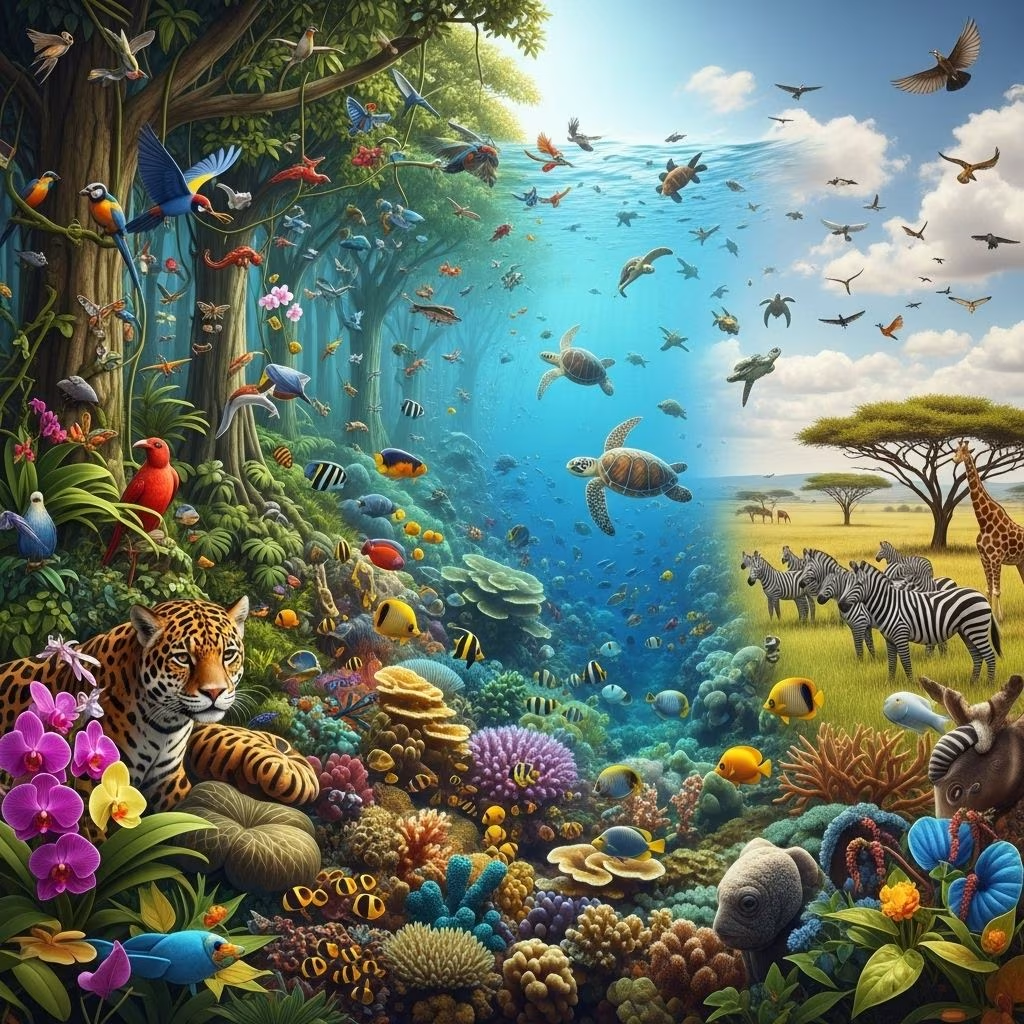
Why Biodiversity Matters More Than Ever
Biodiversity — the astonishing variety of life forms inhabiting our planet — quietly underpins life as we know it. From the tiniest bacteria flourishing beneath our feet to the towering trees of tropical rainforests, biodiversity ensures Earth’s systems function effectively and sustainably. It nurtures ecosystems, secures the food we eat, cleans the air we breathe, and maintains the balance required for planetary health. Despite its foundational role, biodiversity is under unprecedented threat, making its protection one of the central challenges of our era.
What Is Biodiversity?
Biodiversity encompasses the diversity of all living things: plants, animals, fungi, microorganisms, and the ecosystems they form. It describes not just the number of species but also genetic variety within species and the full array of ecosystems, from forests and wetlands to coral reefs and grasslands. Biodiversity creates a web of life — complex, interconnected, and remarkably robust, yet increasingly fragile.
- Genetic Diversity: Variation within species (e.g., crop strains, animal breeds).
- Species Diversity: The number of different species in a region.
- Ecosystem Diversity: Variety of habitats, ecosystems, and ecological processes.
Why Is Biodiversity Important?
Biodiversity is far more than an abstract concept; it is the biological infrastructure that keeps our planet habitable for humans and countless other species. Its loss erodes the systems that supply food, clean water, medicines, and climate stability.
1. Ecosystem Services
- Pollination: Birds, bees, bats, and butterflies pollinate crops and wild plants, ensuring global food security.
- Water Purification: Wetland plants filter toxins, maintaining clean water supplies for humans and wildlife.
- Climate Regulation: Forests (especially tropical and boreal) sequester carbon, mitigating greenhouse gases and climate extremes.
- Soil Fertility: Biodiverse communities of plants and microbes recycle nutrients, maintaining soil productivity.
2. Resilience Against Environmental Change
Ecological resilience is the ability of ecosystems to withstand disturbances like drought, fire, disease, and human activity. Diverse species and gene pools help ecosystems bounce back from shocks. Monocultures (single-species systems) easily collapse, while biodiversity confers stability through redundancy and adaptability.
3. Human Health and Welfare
- Medicinal Resources: Many pharmaceuticals are derived from wild organisms. Continued biodiversity loss threatens future discoveries.
- Clean Air and Water: Trees and diverse plant assemblages filter air and water, limiting pollutants and disease vectors.
- Food Security: Biodiversity provides a range of crops, livestock, and wild foods, buffering us against crop failures and pests.
How Do Trees Support Biodiversity?
Trees are the fundamental pillars of many ecosystems. Their ecological value extends far beyond providing oxygen — they anchor the physical and biological networks of forests and other habitats. Tree diversity shapes landscape and habitat characteristics, influencing which species can thrive.
- Soil Stabilization: Trees hold soil with their root systems, preventing erosion and reducing sediment runoff into waterways.
- Water Cycle Regulation: Trees modulate water infiltration, maintain aquifers, and filter rainwater for streams and lakes.
- Carbon Capture: Through photosynthesis, trees absorb atmospheric carbon pollution, locking it in wood and soil.
- Shelter and Shade: Trees moderate ground-level climate, create microhabitats for shade-dependent plants and animals, and shelter hundreds of other organisms.
- Food for Wildlife: Trees provide seeds, fruits, leaves, and flowers as food sources for insects, birds, mammals, and more.
Scattered Trees and Biodiversity
Research shows that even areas with scattered trees — not just dense forests — support higher levels of biodiversity than open landscapes. Wildflowers, grasses, small mammals, birds, and insects depend on these scattered trees for nesting sites, shelter, and food, increasing the overall richness and resilience of the habitat.
Biodiversity Loss: Causes and Consequences
Despite its vital role, biodiversity is under immense pressure due to human activities. We are witnessing an extinction crisis; rates of species loss are estimated to be hundreds of times higher than the historical average.
- Habitat Destruction: Agriculture, logging, mining, and urban development fragment or erase native habitats.
- Pollution: Chemical runoff, plastic waste, and air pollutants disrupt ecological functions.
- Climate Change: Rising temperatures, changing rainfall, and extreme weather alter species’ ranges and ecosystem dynamics.
- Overexploitation: Overfishing, hunting, and unsustainable harvesting rapidly deplete wild plant and animal populations.
- Invasive Species: Non-native plants, animals, and pathogens outcompete or ravage local species.
Global Tree Diversity Under Pressure
Recent studies indicate over 83% of global tree species experience substantial human pressure, with more than half of their ranges falling outside protected areas. Alarmingly, thousands of small-range tree species are entirely unprotected, highlighting vulnerabilities in global conservation strategies.
| Threat Type | Impact on Biodiversity |
|---|---|
| Habitat Destruction | Loss of unique species, collapsed food webs |
| Pollution | Disrupted reproduction, poisoned habitats |
| Climate Change | Shifted species ranges, increased extinctions |
| Overexploitation | Rapid population declines, extinction risk |
| Invasive Species | Competition, predation on native species |
Why Protecting Biodiversity Is Urgent
The consequences of biodiversity loss are profound and far-reaching. If current trends continue:
- Loss of ecosystem services — risking food, clean water, and stable climates for billions.
- Increased vulnerability to pests, diseases, and environmental disruptions.
- Reduced genetic resources needed for future medicines and crops.
- Irreversible extinction of unique life forms — reducing nature’s wonder and scientific potential.
How Is Biodiversity Being Protected?
Global efforts to arrest biodiversity loss span many strategies, but gaps and challenges remain. Key approaches include:
Protected Areas
- Parks and reserves shelter endangered species and ecosystems.
- Current coverage: Approximately 16% of land is protected worldwide — still below conservation targets and unevenly distributed.
- Effectiveness: Prioritizing key areas (based on species, genetic, and functional diversity) increases impact but requires comprehensive planning and resources.
Sustainable Land Use
- Timber companies: Responsible forestry practices protect key habitats, buffer zones, and waterways.
- Agriculture: Agroecological practices restore soil health, minimize chemical use, and reduce habitat fragmentation.
Restoration and Conservation Frameworks
- Ecological restoration: Replanting native species, restoring wetlands, and reconnecting fragmented habitats.
- Integrating tree diversity: In restoration projects to support more robust ecosystem functions.
- Local stewardship: Empowering indigenous and local communities to conserve biodiversity builds on traditional knowledge.
Biodiversity, Climate Change, and Human Survival
Protecting biodiversity and regulating climate change are increasingly recognized as inseparably linked. Forests and other biodiverse ecosystems absorb CO2, stabilize weather patterns, and increase the planet’s resilience to climate shocks. As climate change threatens species and habitats, sustaining biodiversity provides nature’s best defense against unpredictable change.
Regional Perspectives: The Case of Forests
Different types of forests — tropical, temperate, boreal — harbor unique mixes of species and habitats. Not all forests support the same biodiversity; for instance, the species thriving in a cool, mountainous pine forest differ drastically from those in a humid rainforest. Even within regions, different forest types support distinct communities. Wet forests generally support richer biodiversity than dry or open systems, enhancing ecosystem stability and productivity.
What Can Individuals, Companies, and Governments Do?
- Support Protected Areas: Advocate for expansion and effective management of parks and reserves.
- Practice Responsible Consumption: Choose sustainably sourced products, especially wood, paper, and food items.
- Promote Native Planting: Incorporate native species at home and in community spaces.
- Educate and Engage: Learn about local ecosystems, participate in citizen science and biodiversity monitoring.
Frequently Asked Questions (FAQs)
What is biodiversity?
Biodiversity is the variety of life on Earth — including the diversity of species, genes, and ecosystems. It forms the web of interdependent organisms sustaining ecosystem functions and human life.
Why is biodiversity decreasing?
The main causes include habitat destruction, pollution, overexploitation, climate change, and the spread of invasive species, largely driven by human activities.
How does biodiversity affect food security?
High biodiversity in crops, livestock, and wild species buffers against disease, pests, and climate extremes, ensuring resilient food supplies.
What role do trees play in biodiversity?
Trees provide habitat, stabilize soil, regulate water cycles, sequester carbon, and supply food and shelter to countless organisms, making them central pillars of many ecosystems.
Can lost biodiversity be restored?
Some biodiversity can be restored through habitat restoration, species reintroductions, and sustainable land use, but extinctions are irreversible. Prevention is crucial.
Quick Tips for Supporting Biodiversity
- Choose certified sustainable wood and paper products.
- Support conservation organizations and citizen science efforts.
- Plant native species in your garden or local green areas.
- Reduce pesticide, fertilizer, and herbicide use.
- Minimize single-use plastics to reduce pollution.
- Get involved in local habitat restoration projects.
Summary Table: Biodiversity’s Key Benefits
| Benefit | Description |
|---|---|
| Food Security | Diverse crops, livestock, wild foods buffer against scarcity |
| Medicines | Many pharmaceuticals are sourced from wild species |
| Clean Air & Water | Forests, wetlands, and diverse plants filter pollutants |
| Climate Stability | Biodiverse ecosystems absorb greenhouse gases, moderate weather |
| Resilience | Diverse species make ecosystems more resistant to pests, disease, and change |
The Takeaway: Biodiversity Is Everyone’s Concern
Biodiversity is not just an environmental issue — it’s a matter of economic stability, human health, and the survival of life as we know it. Every action for biodiversity, from individual choices to global policies, helps preserve the intricate natural systems that sustain us all.


