


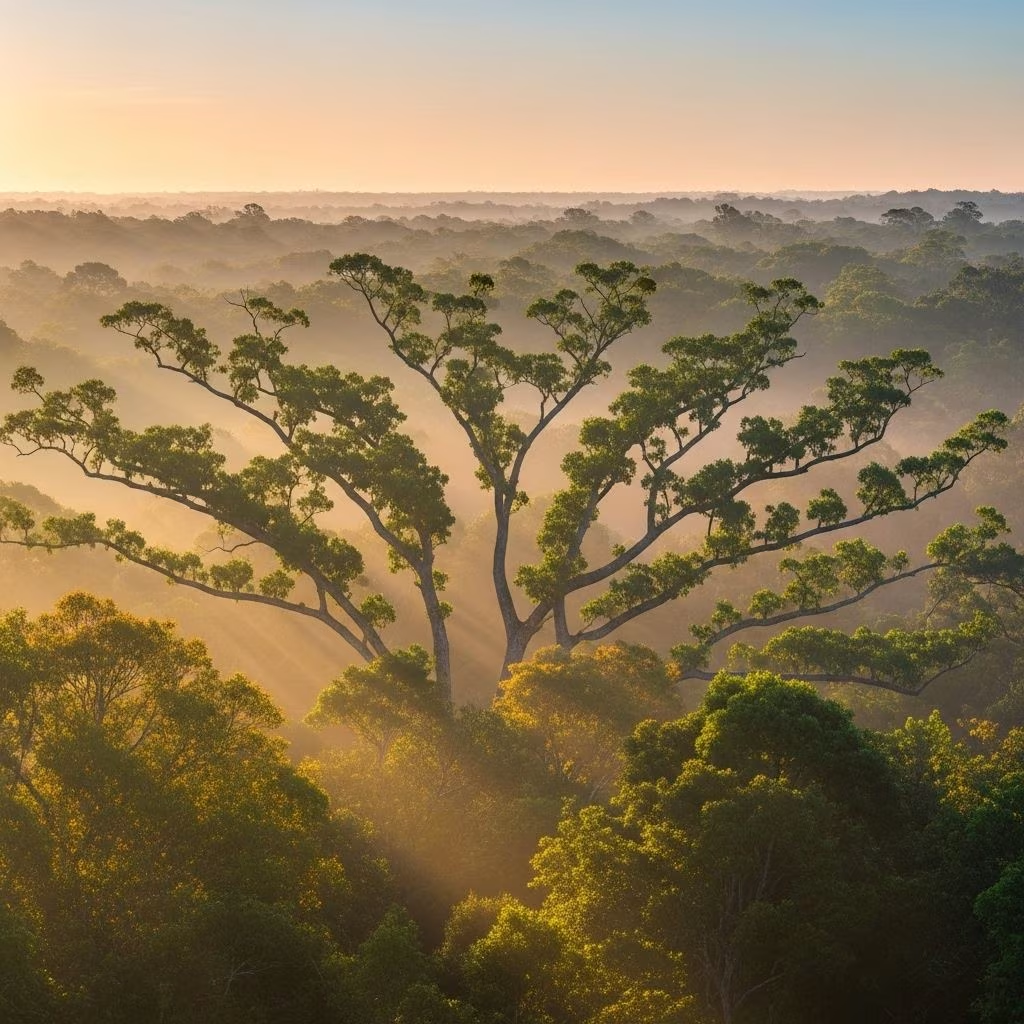
Trees Know Their Neighbors: The Science of Crown Shyness
In the silent, swaying canopies of forests, one of nature’s most fascinating phenomena unfolds — crown shyness. Certain species of trees, upon growing close to one another, display a remarkable ability to sense their neighbors. This leads to a graceful dance where the leafy crowns never quite touch, creating mesmerizing patterns that evoke both scientific curiosity and philosophical wonder. This article delves into the phenomenon of crown shyness, why it occurs, the science behind trees’ awareness, and broader lessons for humans on cohabitation and mutual respect.
What Is Crown Shyness?
Crown shyness refers to the striking gaps that form between the uppermost branches of some tree species. Instead of allowing their leaves and twigs to interlock, the trees maintain a clear separation, creating a geometric mosaic of light and shadow when viewed from below. Scientists first described this phenomenon over a century ago, but we are still unpacking its full significance.
- Distinct Canopy Patterns: The gaps look almost deliberate, forming networks of narrow sky channels as the crowns avoid overlap.
- Species-Specific Behavior: Not all trees exhibit crown shyness. It is commonly observed in species such as eucalyptus, black mangrove, Japanese larch, and camphor trees.
- Global Occurrence: Crown shyness has been recorded in forests from Japan to Australia and South America, representing a widespread yet underappreciated botanical phenomenon.
How Do Trees Sense Their Neighbors?
Trees lack eyes, ears, or nervous systems, yet their remarkable sensitivity to nearby foliage suggests sophisticated forms of awareness and communication.
- Physical Sensing: As trees grow, their branches and leaves sometimes make light contact with their neighbors. This gentle brushing may trigger a growth response, causing the tree to slow or stop at the edge of its own crown. Repeated collisions appear to signal a boundary, prompting the tree to direct growth in other directions.
- Light and Shade Detection: Trees are highly attuned to sunlight. When neighboring foliage casts shade, a tree can adjust its growth pattern, seeking out available light and avoiding heavily shaded zones. This dynamic response helps maintain the gaps of crown shyness.
- Chemical and Electrical Signals: Some research suggests that trees may use subtle chemical cues or even low-level electrical impulses in their tissues to sense crowding. These signals help regulate growth and promote canopy spacing.
Why Do Trees Avoid Touching?
The origins and advantages of crown shyness are subjects of ongoing research. Three main scientific theories attempt to explain why trees maintain these canopy gaps:
- Prevention of Physical Damage:
Wind causes branches to sway and collide. Persistent rubbing can lead to broken foliage and increase vulnerability to disease. By curbing growth at collision points, trees reduce mechanical injury and maintain healthier tissue.
- Reduction of Pest Transmission:
Close contact between crowns can facilitate the spread of harmful insects, fungi, and other pathogens. Crown shyness may act as a natural disease barrier, limiting pest movement through the canopy.
- Optimization of Sunlight:
Trees actively compete for sunlight. By keeping some space between crowns, each individual maximizes photosynthetic efficiency, ensuring its leaves capture as much available light as possible without overlap or excessive shading.
The Ecological Impact of Crown Shyness
Crown shyness is more than a biological oddity; it has tangible implications for the health and structure of forests.
- Microclimate Regulation: The gaps promote gentle airflow and stabilize humidity within the forest canopy, supporting diverse animal and plant life below.
- Biodiversity Enhancement: Patterns of light and shade foster a mosaic of habitats, encouraging the development of rich understory communities.
- Disease and Pest Management: By reducing direct contact, trees limit outbreaks, sustaining the forest’s long-term vitality.
Lessons from Nature: Cohabitation and Respect
The phenomenon of crown shyness presents a compelling metaphor for how living beings—trees and humans alike—can foster healthy relationships while sharing limited space.
| Tree Behavior | Human Parallel |
|---|---|
| Respecting spatial boundaries to optimize growth | Respecting personal space and boundaries for mutual well-being |
| Active sensing and adjustment to neighbors | Mindful communication and adaptability in social settings |
| Minimizing harm and promoting long-term health | Conflict resolution and the cultivation of peaceful, supportive communities |
Trees as Noble Workhorses: Their Role in Ecosystems
Trees are often described as the backbone of terrestrial ecosystems. Their capacity for adaptation, cooperation, and stewardship underpins the health of the entire planet.
- Carbon Storage: Trees absorb carbon dioxide, mitigating climate change and cleaning the air.
- Water Regulation: Tree roots stabilize soil, reduce erosion, and enhance water retention.
- Wildlife Support: Forests provide food and shelter for countless animal species, nurturing biodiversity.
- Cultural Significance: From ancient religions to modern conservation movements, trees hold deep meaning for humanity, fostering a sense of connection to the natural world.
Anthropomorphism: Seeing Ourselves in Trees
It is tempting—and sometimes useful—to anthropomorphize trees, imagining that their canopy negotiations mirror human relationships. While trees do not possess consciousness as we know it, their elegant solutions to the challenges of space, competition, and survival invite us to reflect on our own social interactions.
- Coexistence without Competition: Crown shyness models how assertiveness and respect can lead to flourishing communities.
- Awareness and Responsiveness: Trees teach us the value of tuning into our surroundings and adapting thoughtfully.
- Balancing Individuality with Community: Trees maintain their unique growth while considering the needs of their neighbors — a lesson for any society.
Scientific Research and Future Directions
Research into crown shyness is ongoing. Botanists, foresters, and ecologists are using modern technology to better understand how trees perceive, react, and benefit from their neighbors.
- 3D Canopy Mapping: Advanced imaging reveals dynamic shifts in forest architecture over time.
- Genetic Studies: Some species appear to inherit crown shyness tendencies; understanding these genetics could improve forest management.
- Ecological Modelling: Computer simulations help predict how changes in tree spacing affect forest health, biodiversity, and resilience to climate change.
Urban Forestry and Community Impacts
Crown shyness is not exclusive to wild forests; urban trees, too, play a vital role in enhancing city life. Their careful spacing fosters robust canopies that support cleaner air, cooler neighborhoods, and improved well-being for urban dwellers.
- Greening Cities: Planting diverse species and maintaining healthy canopies improves air quality and livability.
- Community Engagement: Educating citizens about tree care fosters a sense of stewardship and shared responsibility.
Frequently Asked Questions (FAQs)
Q: Do all trees display crown shyness?
A: No, crown shyness is species-specific, most commonly observed in camphor, eucalyptus, black mangrove, and Japanese larch, to name a few.
Q: Is crown shyness beneficial to forests?
A: Yes, crown shyness can help reduce physical damage, disease transmission, and optimize sunlight absorption, all of which support forest health.
Q: Can crown shyness be observed in urban environments?
A: Absolutely, many urban tree species maintain respectful spacing, helping shape healthier city ecosystems.
Q: Do trees communicate when spacing occurs?
A: Trees use a combination of physical cues, light-sensing, and possibly chemical signals to detect neighboring foliage and adjust growth accordingly.
Q: What can humans learn from crown shyness?
A: The principle of respecting boundaries and promoting cohabitation in trees offers a powerful metaphor for how societies can balance individuality with community well-being.
Takeaways: Trees in Modern Life
- Nature’s Lessons: Crown shyness illustrates the intelligence of trees and the subtle wisdom present in forests.
- Human Inspiration: Observing trees’ respectful spacing encourages reflection on our own communities and relationships.
- Conservation Importance: Protecting and understanding trees is essential for planetary health and social harmony.
Conclusion
Trees weave tales of coexistence and resilience with every leaf and branch. Crown shyness—a phenomenon that highlights both competition and care—serves as a living lesson in how awareness and respect sustain vibrant, healthy ecosystems. In a world increasingly marked by resource pressures and crowded spaces, these silent giants remind us to give room, honor boundaries, and nurture the landscapes we all share.
References
- https://www.youtube.com/watch?v=iVgUASgRQcc
- https://www.sustainablesanantonio.com/trees-are-aware-of-their-neighbors-and-give-them-room/
- https://www.treehuggerpod.com/episodes/care-for-urban-trees-each-other
- http://newamerica.org/millennials/dm/ccrewind-what-it-means-be-called-tree-hugger/
- https://nycaribnews.com/reclaiming-tree-hugger/


