


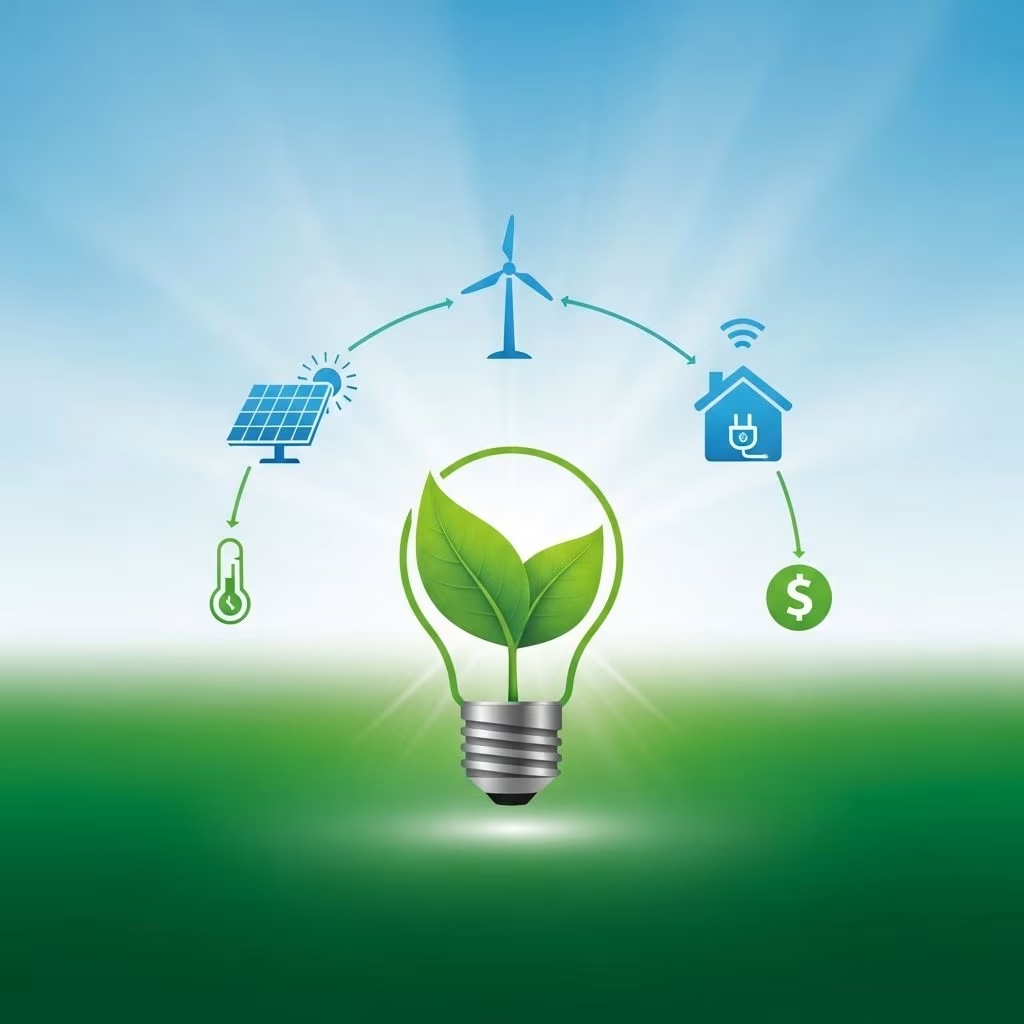
Amazing Facts About Energy Efficiency
Energy efficiency remains one of the most impactful and accessible ways for individuals, businesses, and governments to lower energy consumption, reduce greenhouse gas emissions, and save money. But what does it mean to be energy efficient, and why does it matter? This article reveals compelling facts, actionable tips, myths, and emerging innovations that define energy efficiency today.
What Is Energy Efficiency?
Energy efficiency means using less energy to perform the same task or produce the same result. Efficient systems, buildings, and devices minimize waste, save resources, and protect the environment for future generations.
Why Energy Efficiency Matters
- Environmental Protection: Reducing energy waste lowers carbon dioxide and other greenhouse gas emissions, combating climate change.
- Lower Costs: Energy-efficient technologies and behaviors slash bills for households and businesses.
- Energy Security: Improved efficiency means less reliance on imported fuels and greater independence.
- Health Benefits: Fewer emissions mean cleaner air quality, reducing health risks.
- Economic Growth: Energy efficiency drives innovation, creates jobs in clean technology, and spurs new industries.
Surprising Facts About Energy Efficiency
- Buildings account for nearly 40% of total energy use and more than 70% of electricity consumption in the United States. Improving building efficiency could cut energy bills nationwide by billions of dollars every year.
- North American homes consume approximately six times the world average in household energy, mostly for heating, cooling, and appliances.
- About 25% of the energy used in homes is wasted by outdated technologies and poor habits.
- Switching from incandescent bulbs to LEDs or CFLs can save up to 75% of lighting energy.
- Unplugged AC adapters, or “wall warts,” draw current even when devices are off. Power strips and smart plugs prevent hidden energy loss.
- Line drying clothes instead of using a dryer saves up to 3 kilowatt-hours per load.
- Keeping water heaters insulated can cut related energy usage by 7%–16%.
- Homes built to green certification standards (such as LEED or Energy Star) yield up to 50% reduction in energy usage compared to standard homes.
- Installing solar panels, wind turbines, or small hydro systems enables homes to generate their own clean electricity, with payback periods dropping as technology improves.
Debunking Common Myths About Energy Efficiency
- Myth 1: Energy-efficient appliances don’t work as well.
Fact: Modern efficient appliances perform as well or better than their less-efficient counterparts—with lower energy use and utility bills. - Myth 2: Energy efficiency requires expensive upgrades.
Fact: Many efficiency improvements, like switching bulbs or unplugging devices, cost little or nothing. - Myth 3: Standby power from electronics is insignificant.
Fact: Standby or phantom power can account for up to 10% of household electricity use. - Myth 4: Only new buildings can be efficient.
Fact: Existing homes and businesses can be retrofitted to drastically improve efficiency. - Myth 5: Small actions don’t make a difference.
Fact: Collective action across millions of homes and buildings delivers major impact.
Top Tips for Saving Energy at Home
- Replace incandescent bulbs with LEDs or compact fluorescent lights (CFLs) to cut lighting costs.
- Turn off lights, appliances, and electronics when not in use.
- Unplug devices and chargers, or use a smart power strip to prevent standby drain.
- Air-dry clothing when possible to avoid using energy-hungry dryers.
- Insulate hot water tanks and set thermostats to energy-saving temperatures.
- Seal windows and doors to prevent drafts and reduce heating/cooling loss.
- Schedule annual HVAC system maintenance for peak performance.
- Use ceiling fans and natural ventilation instead of air conditioning.
- Block sunlight with curtains and shades during hot periods.
- Install programmable thermostats.
- Upgrade to Energy Star appliances and electronics.
- Use solar chargers for portable devices.
Innovative Ways to Generate Your Own Clean Energy
- Solar Photovoltaics: Rooftop and ground-mounted solar panels convert sunlight to electricity, which can power homes and feed surplus into the grid.
- Small Wind Turbines: Compact wind systems can significantly reduce your electricity bills in windy areas.
- Micro-Hydro: For properties with flowing water, small-scale hydroelectric setups provide continuous clean energy.
- Solar Chargers: Portable chargers draw sunlight to power devices like smartphones and laptops.
- DIY Solutions: Home workshops increasingly build renewable energy projects from kits or repurposed materials.
Designing and Building Energy-Efficient Homes and Buildings
Whether new construction or a deep renovation, energy efficiency should be a primary goal. Consider these strategies:
- Locate houses to maximize natural daylight and minimize heat gain/loss.
- Design for natural ventilation and make use of in-room and ceiling fans.
- Install high-performance windows and insulation.
- Select efficient heating/cooling systems.
- Integrate renewable energy systems such as solar or wind.
- Certify projects via LEED, Energy Star, or other green building standards.
Smart Energy Choices for Appliances and Electronics
- Shop Smart: Look for EnergyGuide labels and Energy Star certification when buying new appliances.
- Computer Efficiency: Enable sleep or hibernate modes, and shut down systems overnight.
- Audio/Video Equipment: Use efficient models and unplug when not in use.
- Lighting: Choose LEDs for maximum energy savings and lifespan.
Green Power Programs: How to Support Clean Energy Indirectly
If installing your own renewables isn’t practical, many utility companies offer green power programs. By opting into these, you ensure that renewable energy facilities receive investment and support, increasing clean energy available on the grid.
The Modern Pyramid of Energy Conservation
Energy conservation is most effective when prioritized. Treehugger and other environmental leaders propose a pyramid approach:
- First, eliminate unnecessary energy use by changing habits and behaviors.
- Next, upgrade existing systems and structures to run more efficiently.
- Then, invest in renewable energy and high-performance technologies.
- Finally, offset any remaining consumption through green power options.
Energy Efficiency Worldwide: Challenges and Opportunities
Major global economies are striving to boost energy efficiency. However, aging infrastructure, outdated technologies, and behavioral habits pose challenges.
For example, Britain is tackling its ‘leakiest’ and least insulated housing stock through government and private initiatives to cut energy use and meet net-zero emissions targets.
Benefits Beyond the Home
- Energy efficiency supports national security by lowering dependence on foreign fuels.
- It creates jobs in engineering, installation, and clean energy sectors.
- Businesses benefit through reduced operational costs and improved competitiveness.
- Efficient buildings increase market value, occupant comfort, and productivity.
- Widespread adoption accelerates the transition to a low-carbon future.
Frequently Asked Questions (FAQs)
Q: What is the easiest way to improve energy efficiency at home?
A: Start by swapping incandescent bulbs for LEDs or CFLs, turning off devices when not in use, and sealing drafts around windows and doors.
Q: Do smart thermostats really save energy?
A: Yes, smart thermostats automate temperature adjustments based on your schedule, reducing unnecessary heating and cooling and saving on energy bills.
Q: Is it worth investing in energy-efficient appliances?
A: Energy Star and other certified appliances consume significantly less energy, often offsetting their higher upfront cost within a few years through savings.
Q: How can renters boost their home’s energy efficiency?
A: Use draft stoppers, CFL or LED bulbs, power strips, and unplug electronics. Portable solar chargers and curtains help cut energy use without major renovations.
Q: Can businesses save money through energy efficiency?
A: Absolutely. Efficient lighting, HVAC, and equipment upgrades lower operating costs, improve productivity, and demonstrate corporate responsibility.
Quick Reference Table: Top Energy-Saving Actions
| Action | Estimated Annual Savings | Effort Level |
|---|---|---|
| Switch to LED Lighting | $50–$150 | Low |
| Seal Windows/Doors | $30–$100 | Low |
| Programmable Thermostat | $80–$180 | Medium |
| Upgrade Appliance to Energy Star | $60–$175 | Medium |
| Insulate Water Heater | $25–$45 | Low |
| Solar Power Installation | $450–$1,200 | High |
Energy Efficiency Is the Future—Are You Ready?
From simple daily actions to transformative innovations in building, appliance, and energy design, energy efficiency offers powerful solutions for reducing environmental impact, cutting costs, and advancing sustainable living. Every light bulb swapped, building sealed, or solar panel installed brings us closer to a cleaner, healthier, and more resilient world.
References
- https://content.time.com/time/specials/2007/article/0,28804,1725323_1725329_1725362,00.html
- https://saveenergynow.ca/treehuggers-top-10-energy-tips/
- https://oaa.on.ca/whats-on/news-and-insights/news-and-insights-detail/treehugger-introduces-a-modern-pyramid-of-energy-conservation
- https://trellis.net/article/evolution-tree-hugger/
- https://rockinst.org/blog/improbable-tree-hugger/


