Should You Feed Birds in Winter?
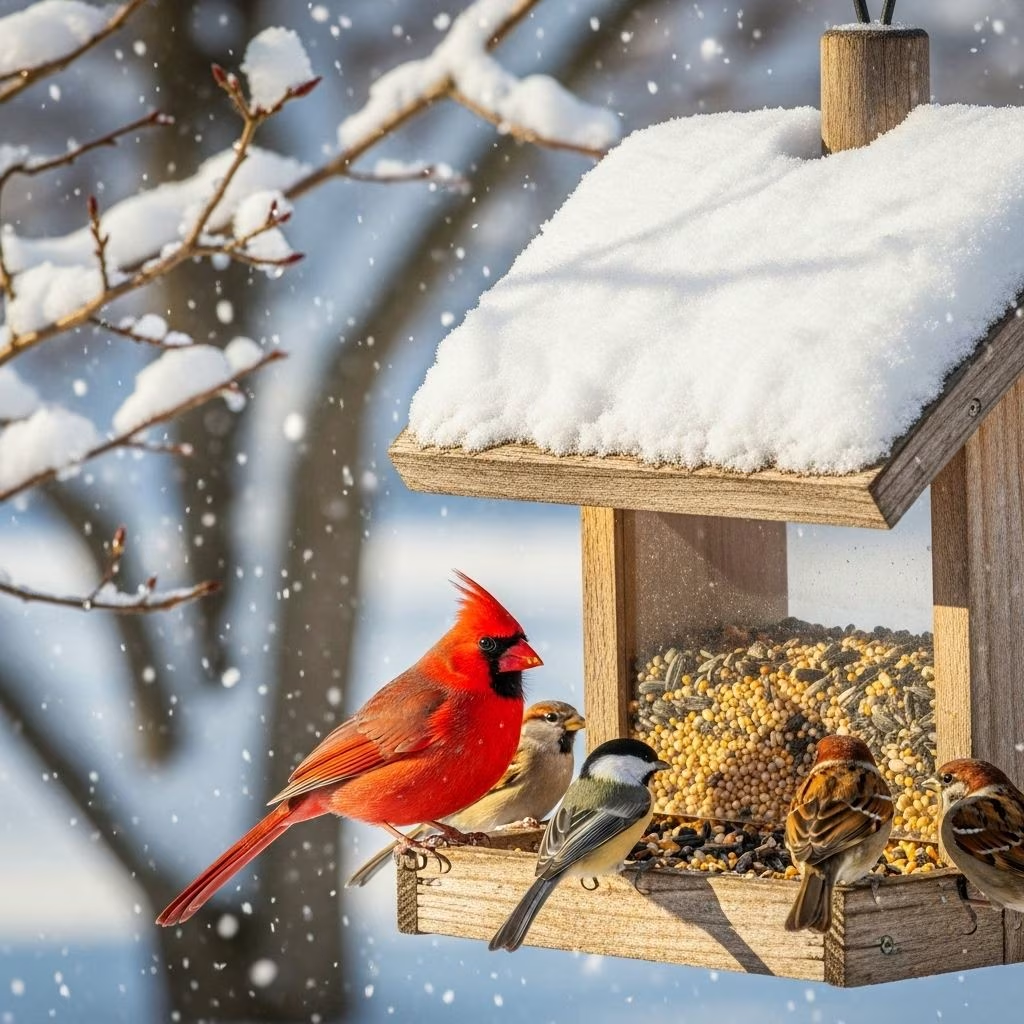
As colder temperatures descend and natural food becomes scarce, the question of whether you should feed birds in winter arises for many wildlife enthusiasts and homeowners. Feeding birds can provide life-saving energy during tough months and offer humans a delightful connection to nature. However, it’s not a simple yes or no; feeding birds in winter comes with both advantages and responsibilities. This guide explores the science, ethics, best practices, and environmental impacts of winter bird feeding.
Why Feed Birds in Winter?
Winter poses severe challenges for birds:
- Natural food sources dwindle: Insects hibernate or die, and seeds, fruits, and berries become scarce.
- Cold weather increases energy needs: Birds must burn extra calories to maintain body heat.
- Shorter days: Less daylight limits foraging time.
Providing supplemental food can offer critical support, especially during extreme cold or storms. Studies show that birds with access to feeders may survive winter at higher rates and enter the breeding season in better condition, potentially leading to earlier nesting and increased fledgling success .
Benefits of Feeding Birds in Winter
- Increases Survival Rates: Supplemental food reduces risk of starvation, especially for small-songbirds that cannot build large fat reserves .
- Supports Breeding Success: Birds that feed at backyard stations in winter often lay eggs earlier and have more chicks successfully fledge in breeding season .
- Provides Essential Nutrients: High-fat and high-energy foods—like black oil sunflower seeds and suet—can help birds maintain body warmth.
- Attracts Diverse Species: Feeders draw in a variety of species, giving homeowners opportunities to observe and enjoy feathered visitors .
- Gardening Benefits: Birds feed on insect pests, helping to balance the backyard ecosystem .
For many, the daily ritual of filling feeders and watching winter birds brings joy and a closer relationship with local wildlife.
Potential Risks and Drawbacks
Despite these benefits, winter feeding comes with possible risks:
- Habituation and Dependency: Regular feeding may cause some birds to rely on feeders, though studies suggest most retain natural foraging behaviors.
- Spread of Disease: Crowded feeders can transmit illnesses such as salmonellosis, avian pox, or conjunctivitis.
- Predator Attraction: Feeders can cluster birds, making them vulnerable to cats and hawks.
- Migration Disruption: In areas with milder winters, birds like ducks and geese may cease migrating if food is abundant year-round, altering natural population dynamics .
- Poor Nutrition: Inappropriate food (bread, junk food, spoiled seeds) can harm birds.
Overall, responsible feeding practices can drastically reduce these risks.
Environmental and Ethical Considerations
Winter bird feeding raises environmental questions:
- Changes in Population Dynamics: Consistent supplementing may allow resident birds to breed earlier and raise more chicks, potentially outcompeting migratory species .
- Artificial Habitats: Reliance on feeders can subtly shift birds’ behavior, but studies show most species remain wild, not domesticated .
- Ecological Traps: Supplemental feeding may induce birds to lay early, causing chicks to hatch before natural food is plentiful. This mis-timing can reduce survival if not carefully matched to local climatic cues .
While feeding is not natural, it is generally seen as a positive intervention—especially during harsh winters—if done mindfully.
What to Feed Birds in Winter
Choosing the right food supports birds’ health and survival. Key recommendations include:
| Food Type | Best For | Benefits |
|---|---|---|
| Black oil sunflower seeds | Most songbirds | High in fat and protein, easy to eat |
| Suet cakes | Woodpeckers, nuthatches, chickadees | Excellent energy source |
| Peanuts | Jays, titmice, finches, woodpeckers | Protein-rich, high in fat (use unsalted, unflavored) |
| Nyjer (thistle) seed | Goldfinches, siskins | Oil-rich, small seed size fits tiny bills |
| Mixed seed blends | Generalist feeders | Attract a range of species (avoid blends heavy in millet or filler) |
| Dried fruit | Thrushes, robins, waxwings | Natural sugar energy |
| Uncooked oats, cracked corn | Ground-feeding birds, doves | Good supplemental carbs |
Always avoid bread, salty snacks, spoiled food, or foods with added sugar or artificial colorants.
How to Feed Birds Safely and Responsibly
To ensure winter bird feeding supports, rather than harms, your feathered visitors, follow these expert-backed tips:
- Start early: Place feeders before sustained cold begins so birds establish feeding patterns.
- Be consistent: Feeders should be refilled regularly through winter. Sudden stops can leave birds short on energy reserves in freezing weather .
- Keep feeders clean: Wash at least every 1–2 weeks with hot water and mild soap to prevent disease. Rinse thoroughly before refilling.
- Use multiple feeders: Different styles (tube, tray, hopper, suet cages) suit different species and help reduce crowding.
- Place wisely: Situate feeders near sheltering shrubs/trees but away from potential predators like cats. Position feeders about 5 feet off the ground .
- Supply fresh water: Liquid water is as vital as food. Use a heated bird bath or change water frequently so it doesn’t freeze.
- Store food properly: Keep seed dry and buy in quantities that will be used in a few weeks to prevent mold.
- Remove uneaten food: Regularly clear spilled seed and old food to avoid attracting rodents and spreading disease.
- Plant native vegetation: Enhance natural food supply and cover with seed-producing native plants and fruiting shrubs .
When to Stop Feeding
Many experts recommend gradually discontinuing feeding in late spring as natural food sources increase, especially for insectivores . However, seed-eating birds may continue to use feeders into early summer.
Do not suspend feeding during periods of snow, ice, or risky late-spring cold snaps, as birds may still rely on this support.
Backyard Bird Feeding and Migration
One of the emerging debates about winter feeding centers around its effect on migration. In some regions, abundance of human-provided food can change birds’ behavior:
- Mallard ducks and geese in certain cities have stopped migrating, remaining year-round due to reliable feeding .
- Suburban and urban feeders may support unusually high densities of certain species, shifting local population structures .
The scientific consensus is still evolving, but these situations highlight how closely humans can affect wildlife over time.
Frequently Asked Questions (FAQs)
Should I feed birds all winter or just during severe weather?
Ideally, once you start, you should continue regular feeding throughout winter, especially during stretches of snow, ice, or deep cold. Inconsistent feeding may leave birds unprepared during temperature drops .
What foods should never be given to wild birds?
- Bread (offers no nutrition, may cause illness)
- Salty, sweet, or processed human foods
- Spoiled or moldy seeds
- Milk or dairy products
- Uncooked rice or anything that can swell in the stomach
What type of feeders are best for winter?
Tubular seed feeders, suet cages, hopper feeders, and ground trays all work, depending on local species. Covered feeders help keep snow and rain off seeds .
How do I keep predators away from my feeders?
- Place feeders near dense, thorny shrubs for escape cover.
- Install baffles to deter squirrels and keep feeders out of reach of outdoor cats.
- Position feeders at least 10 feet from windows to minimize window strike injuries.
Should I provide water as well as food?
Absolutely. Water is critical, especially when puddles and streams freeze over. Use heated bird baths or place shallow dishes in sunny spots and refill as needed.
Can feeding birds in winter affect their migration habits?
In some cases, abundant year-round feeding can lead birds to stay in areas rather than migrate, especially waterfowl in milder climates . This is less of a concern for small songbirds, which are cued to migrate by day length as well as food supply.
Tips for Maximizing Benefits of Winter Bird Feeding
- Keep a field journal: Note species, dates, feeding patterns, and changes through the winter. This adds educational value.
- Educate neighbors: Encourage clean, responsible feeding to create a safer community-wide habitat.
- Grow bird-friendly plants: Enhance the yard with native seeds, berries, and insect-rich environments year-round.
- Participate in winter bird counts: Help track populations for science projects like the Christmas Bird Count or Great Backyard Bird Count.
Conclusion: To Feed or Not to Feed?
Winter bird feeding, while not strictly necessary for the survival of all wild bird species, offers genuine benefits for birds facing harsh winters and provides joy to people who share their yards and lives with these resilient creatures. Done conscientiously—using nutritious foods, clean feeders, and safe locations—feeding birds can strengthen local populations and deepen our connection with nature.
Continuing, discontinuing, or expanding your feeding efforts should be guided by both science and compassion. Assess your region, the severity of winters, and choose practices that support both birds and the broader wild community.
References
- https://pmc.ncbi.nlm.nih.gov/articles/PMC2429937/
- https://greenbeltacademy.ca/environment/to-feed-or-not-to-feed-that-is-the-bird-question/
- https://wildernessawareness.org/articles/feeding-wild-birds/
- https://www.audubon.org/magazine/audubon-guide-winter-bird-feeding
- https://extension.unh.edu/resource/winter-bird-feeding-fact-sheet