Foraging is both an ancient tradition and a practical means of connecting with nature. Across fields, forests, and waterways, there exist countless wild plants that offer nourishment, medicine, and materials for everyday living. Many of these species are common, resilient, and easy to identify, making them accessible for both beginners and seasoned foragers. This guide explores a range of remarkably useful plants, highlighting their edible, medicinal, and practical qualities while offering tips for sustainable harvesting and use.
Why Learn About Useful Wild Plants?
- Self-sufficiency: Foraging empowers individuals to source nutrition and remedies independently.
- Environmental stewardship: Understanding local plants encourages ecosystem balance and sustainable land use.
- Health benefits: Wild plants offer unique nutritional profiles and can provide natural medicine.
- Connection with nature: Identifying and harvesting wild plants deepens appreciation for local biodiversity.
The Golden Rules of Wild Plant Foraging
- Accurate identification: Always positively identify a plant before consuming or using it.
- Sustainable harvesting: Collect responsibly—leave enough for wildlife and plant regeneration.
- Legal and ethical practice: Obtain permission for gathering where required and avoid protected species.
- Avoid pollution: Harvest away from roads, industrial sites, and chemically-treated areas.
Edible Wild Plants: Nature’s Grocery Store
Dandelion (Taraxacum officinale)
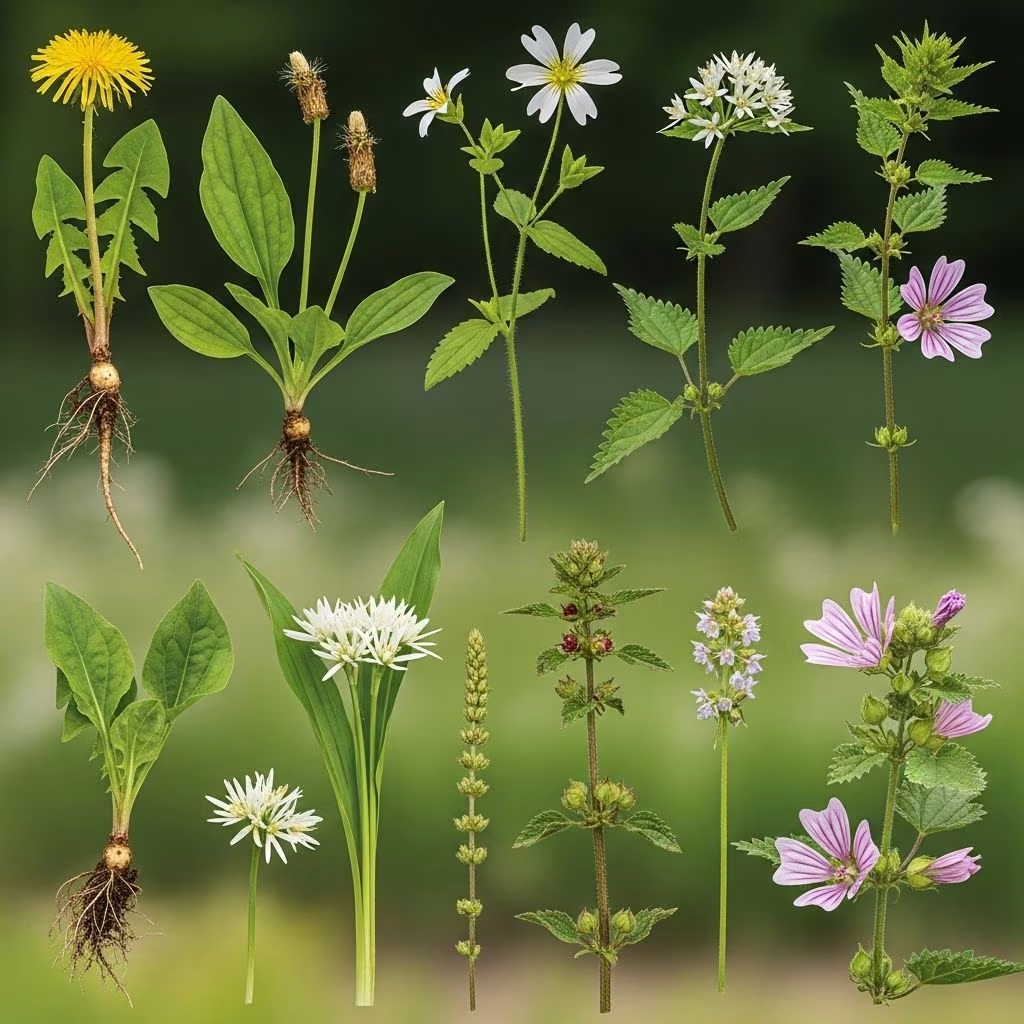
One of the most recognizable plants, the dandelion thrives in lawns, meadows, and disturbed sites. Every part—from root to flower—is edible. Young leaves offer a robust source of vitamins but can be bitter as plants mature. Roots can be roasted for tea and flowers made into syrup or fritters. Gather leaves in early spring for the best flavor.
- Edible parts: Leaves, flowers, roots
- Uses: Salads, teas, coffee substitute, honey, fritters
- Season: Early spring for leaves
Stinging Nettle (Urtica dioica)
The stinging nettle is a nutritional powerhouse often found in moist woods and along riverbanks. Once cooked or dried, the stinging hairs are rendered harmless. Nettles provide protein, vitamins, and minerals. Use in soups, teas, or as a cooked green. Be sure to wear gloves when harvesting.
- Edible parts: Leaves, stems
- Uses: Pesto, soup, sautés, green powder
- Season: Spring and early summer
Chickweed (Stellaria media)
Favored for its mild taste and delicate texture, chickweed is common in gardens and yards. Enjoy raw in salads, sandwiches, or lightly steamed. It also offers skin-soothing medicinal qualities.
- Edible parts: Leaves, stems, flowers
- Uses: Fresh greens, salad, poultice
- Season: Spring to fall
Wild Leek or Ramps (Allium tricoccum)
Highly sought after for their unique garlic-chive flavor, ramps grow in rich, damp deciduous forests. Sustainable harvesting is crucial: take only one leaf per plant and leave bulbs intact for future growth.
- Edible parts: Leaves (most sustainable), bulbs
- Uses: Pesto, pickles, soups, garnish
- Season: Early spring
Wild Strawberry (Fragaria virginiana)
Wild strawberries offer intensely flavored fruits and make excellent ground cover. Leaves can be dried for tea; avoid using wilted leaves. Tiny fruits appear in early summer and are highly prized.
- Edible parts: Fruit, leaves (dried)
- Uses: Snacks, tea, preserves
- Season: Late spring to early summer
Jerusalem Artichoke (Helianthus tuberosus)
Also known as sunchoke, this sunflower relative produces edible tubers widely used by indigenous peoples. Tubers can be roasted, boiled, or mashed and have a slightly nutty, artichoke-like flavor.
- Edible parts: Tubers
- Uses: Roasting, boiling, baking
- Season: Late fall to early spring
Groundnut (Apios americana)
Groundnut produces protein-rich tubers and is native to wetlands and moist woodlands. Unlike most common potatoes, these can fix nitrogen, making them ecologically valuable. Tubers are commonly boiled or roasted.
- Edible parts: Tubers
- Uses: Soups, stews, baked goods
- Season: Fall
Cattail (Typha spp.)
Often found along waterways, cattails provide several edible parts throughout the year. Shoots, young flower heads, and pollen are all edible, while roots provide a starchy flour. Cattail pollen can be used as a supplement to baking flour. Shoots taste like cucumber when eaten raw.
- Edible parts: Shoots, roots, pollen
- Uses: Stir-fry, flour, baked goods
- Season: Spring shoots, summer pollen
Medicinal Wild Plants: Nature’s Pharmacy
Plantain (Plantago major)
Not to be confused with the tropical fruit, plantain is a common weed that soothes insect bites, minor wounds, and skin irritation. Leaves are edible when young and can be used as a poultice for cuts and burns.
- Uses: Poultice, salad green, tea for coughs
- Active properties: Anti-inflammatory, antimicrobial
Elderberry (Sambucus canadensis)
Elderberry branches and roots are mildly toxic, but ripe berries and flowers are cherished for immune-boosting properties. The berries must be cooked; flowers make fragrant infusions for relief against colds and flu. Always avoid unripe and uncooked berries.
- Uses: Syrup, tea, wine, jelly
- Active properties: Antiviral, immune support
Yarrow (Achillea millefolium)
Known for its feathery leaves and white clusters, yarrow serves as a traditional wound herb and can be made into teas or tinctures for fever and inflammation. Both leaves and flowers are used, but avoid excessive ingestion.
- Uses: Wound dressing, tea
- Active properties: Astringent, anti-inflammatory
Wild Plants as Everyday Tools
Milkweed (Asclepias spp.)
Milkweed is best known for supporting monarch butterflies, but several species offer young shoots, buds, and immature pods as edible treats when properly cooked. The silky floss from mature pods was traditionally used for insulation and stuffing.
- Edible parts: Young shoots, flower buds, immature pods
- Practical use: Fiber/filling material
Willow (Salix spp.)
Willow bark contains salicin, a precursor to aspirin, and has been used for centuries to reduce fever and pain. Flexible twigs are ideal for basket-weaving and simple crafts.
- Medicinal use: Salicin—pain relief and anti-inflammatory
- Practical use: Basketry, cordage
Sustainable Foraging: Best Practices
- Take only what you need: Protect plant populations by harvesting sparingly.
- Harvest from abundance: Choose areas where the plant is prolific rather than rare.
- Respect regeneration: Leave roots and bulbs when possible, gather seeds only in moderation.
- Know your season: Gather edible parts when they are at their most nutritious and before plants go to seed or flower.
Table: Popular Wild Plants and Their Uses
| Plant Name | Edible Parts | Medicinal Use | Other Uses |
|---|---|---|---|
| Dandelion | Leaves, flowers, roots | Digestive aid | Tea, syrup |
| Stinging Nettle | Leaves, stems | Anti-inflammatory | Fertilizer |
| Wild Leek/Ramps | Leaves, bulbs | Antimicrobial | Pesto |
| Wild Strawberry | Fruit, leaves | Anti-inflammatory | Tea |
| Jerusalem Artichoke | Tubers | Prebiotic fiber | Starch source |
| Groundnut | Tubers | Protein source | Soil enrichment |
| Cattail | Shoots, roots, pollen | Wound dressing | Insulation, flour |
| Plantain | Leaves | Skin healing | Poultice |
Frequently Asked Questions (FAQs)
Q: How do I safely identify wild edible plants?
A: Use a reliable field guide, consult with local foragers or experts, and always verify with multiple sources before eating any plant.
Q: Are all wild plants safe to eat?
A: No. Many wild plants are toxic or have poisonous lookalikes. Learn to clearly differentiate edible species and avoid any plant you cannot positively identify.
Q: What are some tips for sustainable harvesting?
A: Never harvest rare or endangered species, collect less than a quarter of a patch, and prefer harvesting abundant plants like dandelion or chickweed.
Q: Can wild plants replace all conventional foods?
A: While wild plants make excellent supplements, most people will need cultivated foods for consistent nutrition and energy. Wild harvesting is best used as an enrichment for diet and lifestyle.
Q: Where should I avoid foraging?
A: Never gather plants from polluted areas, near busy roads, or sites treated with pesticides and herbicides. Stick to clean, wild spaces, parks, or your private property.
Final Thoughts
Wild plants offer sustenance, healing, and materials for daily life, weaving nature into the routines of anyone willing to learn and explore. By practicing responsible identification, respectful harvesting, and ongoing ecological care, foragers can enjoy the gifts of the wild while maintaining the health and diversity of local ecosystems.
References
- https://www.ecolandscaping.org/06/designing-ecological-landscapes/native-plants/more-edible-and-landscape-worthy-native-plants-of-new-england/
- https://www.youtube.com/watch?v=_Jz5W5IuOjI
- https://fleetfarming.org/floridas-7-wild-edible-plants/
- http://www.survivorlibrary.com/library/useful-wild-plants-of-the-united-states-and-canada.pdf
- https://www.grinnell.edu/sites/default/files/documents/2011%20wild%20edible%20directory.pdf
- https://www.youtube.com/watch?v=zg-k1XLlgJI
- https://pmc.ncbi.nlm.nih.gov/articles/PMC10865668/