The Most Environmentally Sound Ways to Care for Your Lawn
Choosing the most environmentally responsible way to care for your lawn benefits not only your property, but also the local ecosystem and community. Modern lawn care often involves intensive water use, chemical fertilizers, and mowing routines that can harm waterways, pollinators, and soil health. There are, however, more sustainable solutions that foster healthy grass, conserve resources, and make your yard a haven for life. This guide walks you through the most crucial steps and considerations for eco-friendly lawn care, with actionable tips for homeowners seeking a greener path.
Why Traditional Lawns Are Unsustainable
Many traditional lawn care methods prioritize appearance over ecological impact. Unfortunately, these practices contribute to excess water consumption, chemical runoff, and habitat loss.
- Excessive Water Use: Lawns are among the highest water-consuming crops. Poor watering practices waste significant amounts of fresh water, especially in drought-prone regions.
- Chemical Fertilizers and Pesticides: Synthetic inputs often leach into groundwater and surface streams, harming aquatic life and polluting drinking water.
- Lack of Biodiversity: Monoculture turfs provide little food or shelter for pollinators, birds, or beneficial insects. This diminishes local biodiversity and disrupts food webs.
- Frequent Mowing: Gas-powered mowers emit greenhouse gases and create noise pollution, while constant mowing stresses grass, leaving it vulnerable to pests and drought.
Rethinking the American Lawn: Is the Lawn Necessary?
The concept of a lush, green lawn is relatively recent and rooted more in culture than function. Before implementing sustainable practices, it’s worth asking yourself if a showcase lawn is essential, or if parts of your yard could better support biodiversity and resource savings as a wildflower meadow, native planting, or vegetable patch.
- Evaluate how much lawn you truly need: Retain only those areas required for play or aesthetic enjoyment.
- Consider lawn alternatives: Options like native grasses, clover, groundcovers, or even edible landscapes greatly reduce environmental impact.
Principles of Eco-Friendly Lawn Care
Sustainable lawn care involves a holistic approach—addressing soil, plant choice, watering, mowing, and chemical use—to ensure your outdoor space supports a thriving ecosystem.
Soil Health Comes First
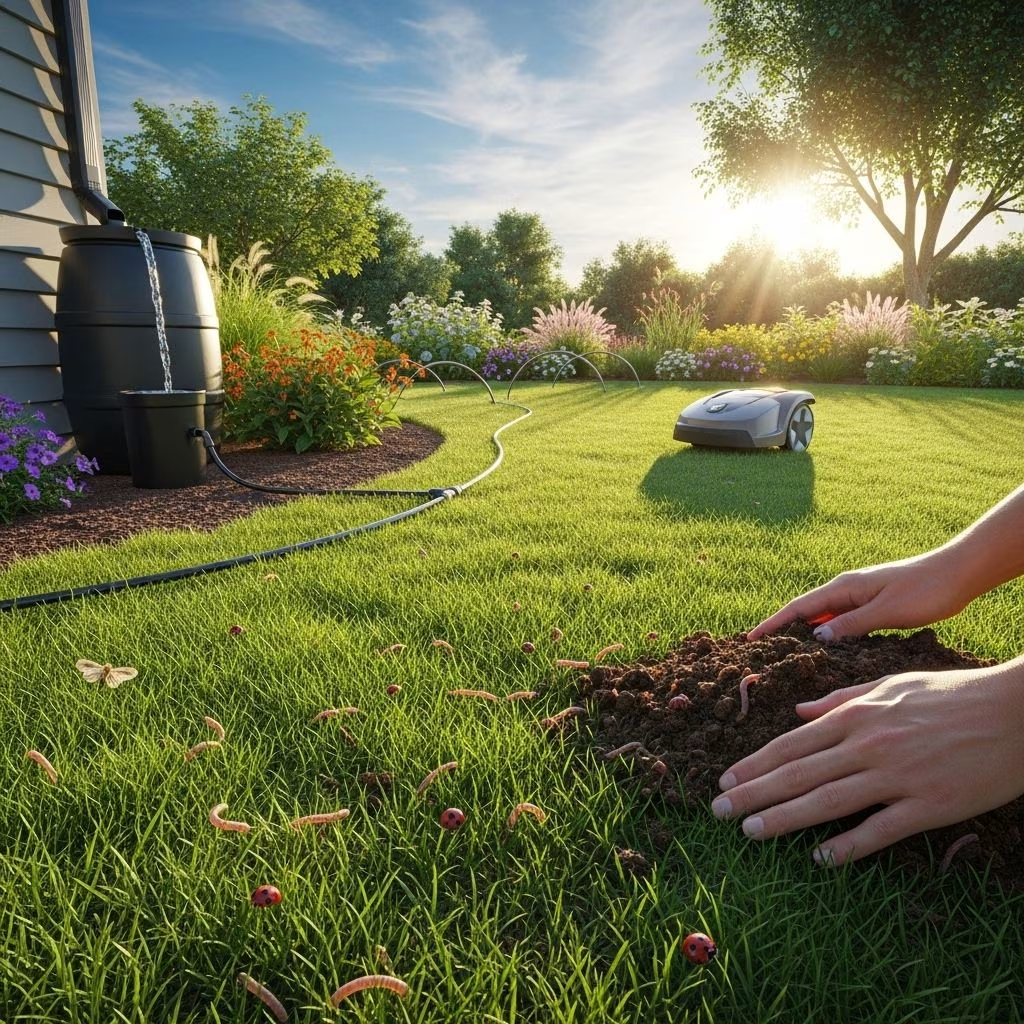
Healthy lawns start with healthy soil. The life in your soil—earthworms, microbes, fungi—naturally decomposes organic matter, aerates roots, and supports vigorous grass growth.
- Test your soil before applying fertilizers; amend as needed based on the results, not assumptions.
- Compost grass clippings and leaves to return nutrients and build soil structure.
- Add topdressing of compost annually for increased microbial activity and water retention.
Choosing the Right Grass
Not all grasses are created equal. Select varieties that are well-suited to your climate and soil type to minimize supplemental water and fertilizer.
- Cool-season grasses (fescue, bluegrass, ryegrass): Thrive in temperate regions but may go dormant during summer heat.
- Warm-season grasses (Bermuda, zoysia, buffalo grass): Require less water and stay green during hot weather.
- Consider blends with clover or other low-maintenance groundcovers for deeper roots and natural nitrogen fixing.
Water Conservation Strategies
Overwatering is not only wasteful—it promotes shallow rooting, pests, and disease. Water savings can be achieved with smart scheduling and infrastructure.
- Water early in the morning to reduce evaporation loss.
- Deep, infrequent watering encourages deep root growth and drought tolerance.
- Use rain barrels, drip irrigation, or soaker hoses for targeted, efficient watering.
- Let lawns go dormant during droughts; most will recover when rain returns.
| Practice | Water Usage | Environmental Benefit |
|---|---|---|
| Daily shallow watering | High | Promotes shallow roots, wasted water |
| Deep, infrequent watering | Low/Medium | Stronger, drought-tolerant lawns |
| Rain barrel/drip irrigation | Low | Maximum water efficiency |
Reduce or Eliminate Chemical Use
Organic lawn care methods work with, not against, natural processes. Reducing or eliminating synthetic pesticides and fertilizers limits runoff and creates a safer yard for children and pets.
- Spot-treat persistent weeds by hand or with natural weed killers (e.g., vinegar, boiling water).
- Feed with slow-release organic fertilizers (compost, manure, seaweed, natural minerals) to lower nutrient runoff risk.
- Foster beneficial insects by avoiding broad-spectrum pesticides.
Smart Mowing Practices
Lawns do not need to resemble putting greens. Adapting your mowing habits reduces emissions, saves time, and results in healthier grass.
- Set mower blades to a higher setting (around 3 inches); longer grass shades roots and suppresses weeds.
- Cut no more than a third of the grass blade at one time to reduce stress.
- Leave clippings on the lawn as natural mulch (known as “grasscycling”).
- Use electric or push reel mowers to eliminate fossil fuel use and noise.
Alternatives to Conventional Lawns
For those looking to go further, consider substituting lawn altogether—or in part—with options that demand less care and give more back to nature.
- Native meadows: A mix of native grasses and wildflowers thrives with minimal attention and attracts pollinators and birds.
- Ground covers: Choices like creeping thyme, moss, or sedges replace thirsty grass while providing greenery and erosion control.
- Edible landscapes: Fruit trees, berry bushes, and herb gardens transform your yard into a functional, beautiful food source.
- Rain gardens: Designed to collect and filter runoff, rain gardens feature deep-rooted native plants that improve water quality.
Promoting Wildlife and Biodiversity
A truly sustainable landscape supports more than just turf—it’s a living mosaic, offering nesting sites, food, and shelter to a variety of creatures.
- Plant diverse species, prioritizing native plants that evolved alongside local wildlife.
- Allow some areas to remain uncut, especially during peak pollinator and bird nesting seasons.
- Avoid using “weed and feed” products that target broadleaf plants important for wildlife.
- Integrate brush piles, bee hotels, and birdbaths for additional habitat value.
Practical Steps for Eco-Friendly Lawn Transformation
Whether starting from scratch or modifying an existing yard, gradual steps can create big changes over time. Here’s how to transition toward a healthier, lower-impact lawn:
- Assess your site: Monitor sun, shade, drainage, and soil characteristics. Use this to guide grass/plant choices.
- Start small: Convert a section of lawn to native plantings or a pollinator patch; expand each year as able.
- Replace inputs: Choose compost and mulch instead of synthetic fertilizers; switch to manual or electric mowers.
- Manage water smartly: Adjust watering schedules, install rain barrels, and xeriscape where appropriate.
- Observe and adapt: Watch how your lawn responds and adjust care accordingly, always aiming to work with nature, not against it.
Sustainable Lawn Care Myths Debunked
- Myth: Lawns must be kept weed-free with chemicals.
Fact: Many so-called weeds, like clover and violets, provide vital resources for pollinators and naturally enrich the soil. - Myth: Brown lawns are dead lawns.
Fact: Most grasses enter a natural dormant phase during hot or dry periods and rebound with moisture. - Myth: Organic lawns are costly and time-consuming.
Fact: Many sustainable methods reduce inputs and labor over time by fostering resilience and biodiversity.
Case Study: Transforming a Typical Lawn
Consider a suburban yard where turf covered the entire lot. The homeowners:
- Reduced mowed area by one-third, installing native meadow along the back fence.
- Switched to mulching mower and started composting clippings and autumn leaves.
- Watered only during extreme drought, allowing grass to go dormant in summer.
- Replaced fertilizer with yearly compost topdressing, resulting in increased earthworm activity and fewer pests.
- Planted native trees and installed a rain garden where water previously pooled.
The result: less maintenance, lower water bills, a flourishing pollinator population, and a yard that changes beautifully with the seasons.
Frequently Asked Questions (FAQs)
Q: How can I have a green lawn without chemicals?
A: Focus on soil health by topdressing with compost, mowing high, watering deeply but infrequently, and tolerating some “weeds” like clover, which enrich the soil naturally.
Q: Is it possible to have a pet-friendly and environmentally friendly lawn?
A: Yes, organic methods are safer for pets and kids. Avoid toxic pesticides and fertilizers, and ensure your lawn contains non-toxic plants and ground covers.
Q: What is the best time to water my lawn if I want to conserve water?
A: Early morning, before 10 a.m., is best to minimize evaporation. Avoid watering in the evening, which can promote disease, or in the heat of midday, when water loss is highest.
Q: Won’t my yard look messy if I stop mowing so much?
A: Selective mowing, well-defined edges, and planned naturalistic plantings create a tidy appearance while supporting biodiversity. Mowing narrower walking paths can also provide a maintained look.
Q: How can I encourage more pollinators in my yard?
A: Plant native flowering species, reduce mower frequency, avoid pesticides, and provide water sources like shallow dishes or a birdbath.
Conclusion
Caring for your lawn in environmentally sound ways is not just about using fewer chemicals—it’s a shift toward working with nature. Through thoughtful plant selection, attentive water and soil care, and a willingness to redefine beauty in your yard, you can create a resilient landscape that supports local wildlife and reduces resource waste. Whether you transform your entire yard or make small improvements, your patch of green can become a force for environmental good—one blade of grass at a time.
References
- https://www.pitchcare.com/blogs/news/tree-hugger%C2%AE-a-sustainable-solution-for-tree
- https://treehuggersprinklers.com/wp-content/uploads/2021/07/Tree-Hugger-Sprinklers-Instructions.pdf
- https://www.youtube.com/watch?v=2Wnm_QCfUXc
- https://cso.lacounty.gov/be-a-tree-hugger
- https://landscapingmatters.co.uk/tree-hugger-a-sustainable-solution-for-tree-protection/
- https://www.chesapeakelandscape.org/2025/08/environmental-guilt-focus-on-your-successes/
- https://askhrgreen.org/sewer-lateral-woes-part-ii-tree-huggers-dilemma/