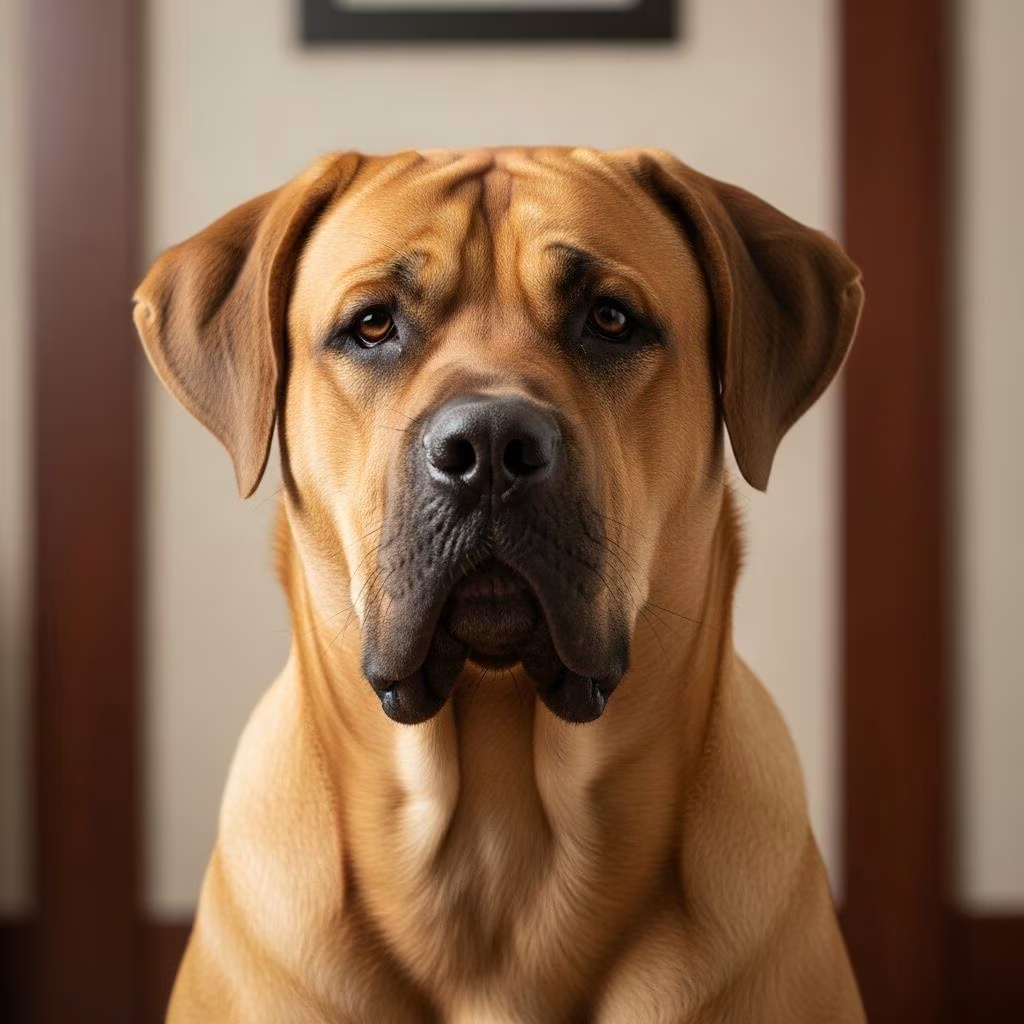
The Tosa Inu, also known as the Japanese Tosa or Japanese Mastiff, is a dignified and powerful breed with deep roots in Japanese culture. Originally bred for dog fighting, the Tosa Inu has evolved into a loyal companion and a steadfast guardian, valued for its quiet courage and noble temperament. Banned in some regions due to its historical reputation, the Tosa Inu remains a rare but cherished breed among dedicated enthusiasts.
Breed Overview
| Breed Name | Tosa Inu (Japanese Tosa, Japanese Mastiff) |
|---|---|
| Origin | Japan (Tosa, Shikoku Province) |
| Purpose | Originally bred for dog fighting, now mainly a companion and guardian |
| Size | Large to giant |
| Weight | Japanese line: 80–135 lb (36–61 kg); non-Japanese line: 130–200 lb (60–91 kg) |
| Height | 24–32 in (62–82 cm) at the withers |
| Typical Coat | Short, smooth; colors: red, brindle, fawn, occasionally dull black |
| Lifespan | 10–12 years |
| Litter Size | 6–8 puppies |
| Banned In | Some countries (listed as dangerous breed) |
History & Origins
The Tosa Inu breed was developed in the late 19th century in Japan’s Shikoku region. Breeders sought to create a dog with exceptional strength, endurance, and courage for dog fighting, an established tradition since the 14th century.
- Foundation Breed: Native Shikoku-Inu (45 lbs, agile and courageous)
- Crossbreeding Timeline:
- Old English Bulldog (1872)
- English Mastiff (1874)
- German Pointer, Bull Terrier, Saint Bernard (1876)
- Great Dane (1924)
- The resulting Tosa merged the size and power of western breeds with the loyalty and fighting instinct of native Japanese dogs.
- The heyday of Tosa breeding was between 1924 and 1933, when thousands of breeders produced dogs for competitions.
Tosa Inu were bred for Japanese-style dog fighting, which demanded silent, relentless combat. Unlike western fighting breeds, the Tosa fought soundlessly and never cowered.
Breed Appearance
Tosa Inu have a commanding presence: large, muscular, and balanced. Japanese-bred Tosas are generally smaller than their Western counterparts.
- Head: Broad, massive skull with a pronounced stop
- Body: Deep chest, straight back, hefty build
- Legs: Powerful, straight, proportionate to the body
- Tail: Thick at the base, tapering toward the tip, carried low
- Coat: Short, dense, and smooth; requires minimal grooming
- Color: Predominantly red, brindle, or fawn; dull black is rare
These dogs are often considered the canine equivalent of sumo wrestlers and are sometimes depicted wearing ceremonial wrestling attire in Japan.
Temperament & Personality
The Tosa Inu is known for its dignified and reserved temperament. They are highly intelligent, sensitive, and loyal but require experienced handling due to their strength and historic background.
- Quiet: Not inclined to bark excessively
- Protective: Fiercely loyal and detached from strangers
- Obedient: Responds keenly to tone and commands
- Brave & Fearless: Courageous, especially in threat situations
- Sensitive: Can develop reactivity and anxiety if not socialized early
- Not Noisy: Tends to be silent, echoing its fighting roots
- Family-Oriented: Attentive to its household and bonds strongly with loved ones
Tosas are generally good-natured around children and pets if raised with them but are less tolerant of other dogs, especially of the same sex or temperament unless socialized from an early age.
Training & Socialization
Training the Tosa Inu requires diligence, consistency, and positive reinforcement. Their intelligence and sensitivity mean they respond best to calm and confident leadership.
- Early Socialization: Vital for preventing reactivity and establishing boundaries
- Positive Reinforcement: Effective training method, avoids harsh discipline
- Experienced Owners Recommended: Not suitable for novice pet owners
- Supervision Around Other Pets: Important due to high pain threshold and dominant nature
- House Rules: Firm but gentle guidance from puppyhood
An unsocialized or poorly managed Tosa is likely to be extremely powerful and highly stubborn or aggressive. When properly trained, Tosas thrive as guardians and family companions.
Living with a Tosa Inu
- Space Requirements: Can adapt to apartment living if sufficiently exercised; prefers open areas
- Exercise Needs: Moderate – regular walks, occasional runs, mental stimulation
- Companionship: Craves closeness with family members
- Independence: Inactive indoors, but requires freedom to move outdoors
- Other Pets: Best as an only dog; may coexist with pets if raised together
- Fencing: Should not be left isolated or fenced away for long periods
Tosa Inu has very high pain tolerance, a trait inherited from its fighting ancestry, which means play and discipline must be done carefully and mindfully.
Grooming & Care
- Coat Care: Minimal; occasional brushing to remove loose hair
- Shedding: Light shedder
- Drooling: May drool, especially when excited, drinking, or hot
- Bathing: As needed; no special requirements
- Dental, Ear, Nail Care: Regular checks like any other large breed
Health & Longevity
- Life Expectancy: 10–12 years
- Litter Size: Around 6–8 puppies
- Common Health Issues:
- Joint problems due to large size (hip/elbow dysplasia)
- Obesity if not exercised adequately
- Bloat (gastric torsion), common among large, deep-chested breeds
- Regular vet checks and screenings are important, especially from reputable breeders who prioritize health.
Adoption & Breeding Considerations
The Tosa Inu’s legacy as a fighting dog means prospective owners must pursue ethical and responsible sources. Adoption and rescue should be the first route for those wanting to welcome a Tosa Inu.
- Adoption: Prioritize rescues or reputable breed-specific shelters
- Breeder Selection: Choose breeders who perform health screenings and value temperament over profit
- Avoid: Backyard breeders and puppy mills; these lead to preventable health and behavioral issues
Well-bred Tosa Inu are cared for from birth with attention to socialization, health, and temperament. Bringing a Tosa into your home is a serious commitment that discourages unethical breeding practices.
Legal Status & Restrictions
- Dangerous Breed Classification: Due to its fighting history, the Tosa Inu is banned or restricted in several countries including the UK, Denmark, Norway, Iceland, Hong Kong, New Zealand, and Australia.
- Ownership Requirements: Legal ownership often requires permits, liability insurance, or adherence to specific breeding guidelines in certain regions.
- Public Perception: Stigma attached because of dog fighting heritage, but breed clubs and advocates work to promote responsible stewardship and understanding.
Is the Tosa Inu Right for You?
The Tosa Inu is best suited for experienced dog owners who understand the needs of large, intelligent, and strong-willed breeds. Its combination of power, loyalty, and sensitivity demands a household that can offer firm boundaries, meaningful engagement, and respectful companionship.
- Excellent as a guardian and family protector
- Healthy around children if socialized early
- Requires ongoing training, exercise, and social stability
- Not ideal for homes with multiple dominant dogs
Frequently Asked Questions (FAQs) – Tosa Inu
Q: Is the Tosa Inu aggressive?
A: The Tosa Inu can be dog-aggressive due to its fighting ancestry, but proper socialization curbs excessive aggression. Toward humans, they are typically loyal and calm.
Q: Can Tosa Inu live in apartments?
A: Yes, provided they receive daily exercise and meaningful interaction. They are inactive indoors but need access to the outdoors for optimal health.
Q: Are Tosa Inu good with children and other pets?
A: Tosa Inu is generally good with children if raised together. Their tolerant nature requires early socialization for coexistence with other pets, especially dogs.
Q: Why is the Tosa Inu banned in some countries?
A: Due to its historic association with dog fighting, the Tosa Inu is considered potentially dangerous and is banned by legislation in certain countries.
Q: What is the best way to acquire a Tosa Inu?
A: Adoption through rescue organizations or acquiring from reputable breeders who prioritize health and temperament is recommended.
Care Summary Table
| Aspect | Details |
|---|---|
| Exercise | Daily walks, runs, and play; mental stimulation required |
| Grooming | Minimal—occasional brushing, regular ear, teeth, and nail care |
| Diet | High-quality diet; monitor for weight gain |
| Socialization | Early and ongoing, especially with other animals and strangers |
| Training | Consistent, positive reinforcement; experienced handler ideally |
Tosa Inu in Modern Society
While the Tosa Inu’s past is steeped in the world of Japanese dog fighting, today, responsible owners and breed clubs champion the breed’s nobility, intelligence, and loyalty by promoting balanced, well-socialized Tosas as family companions and guardians.
Adopting or purchasing a Tosa Inu means joining a tradition of careful stewardship—one that prioritizes the wellbeing of these gentle giants and encourages a renewed understanding of their strengths and sensitivities.
Quick Facts About Tosa Inu
- Nickname: Japanese Mastiff
- Breed Type: Guardian, companion
- Common Colors: Red, brindle, fawn, occasionally black
- Other Names: Tosa Ken, Tosa Token, Tosa Dog