Country Captain: From India to the American South
Country Captain is more than just a curried chicken stew—it’s a vibrant culinary thread connecting continents and centuries. With roots in Anglo-Indian cuisine and a legacy as an iconic dish in Southern cookery, Country Captain embodies the fusion, adaptation, and storytelling that define global food culture.
What Exactly Is Country Captain?
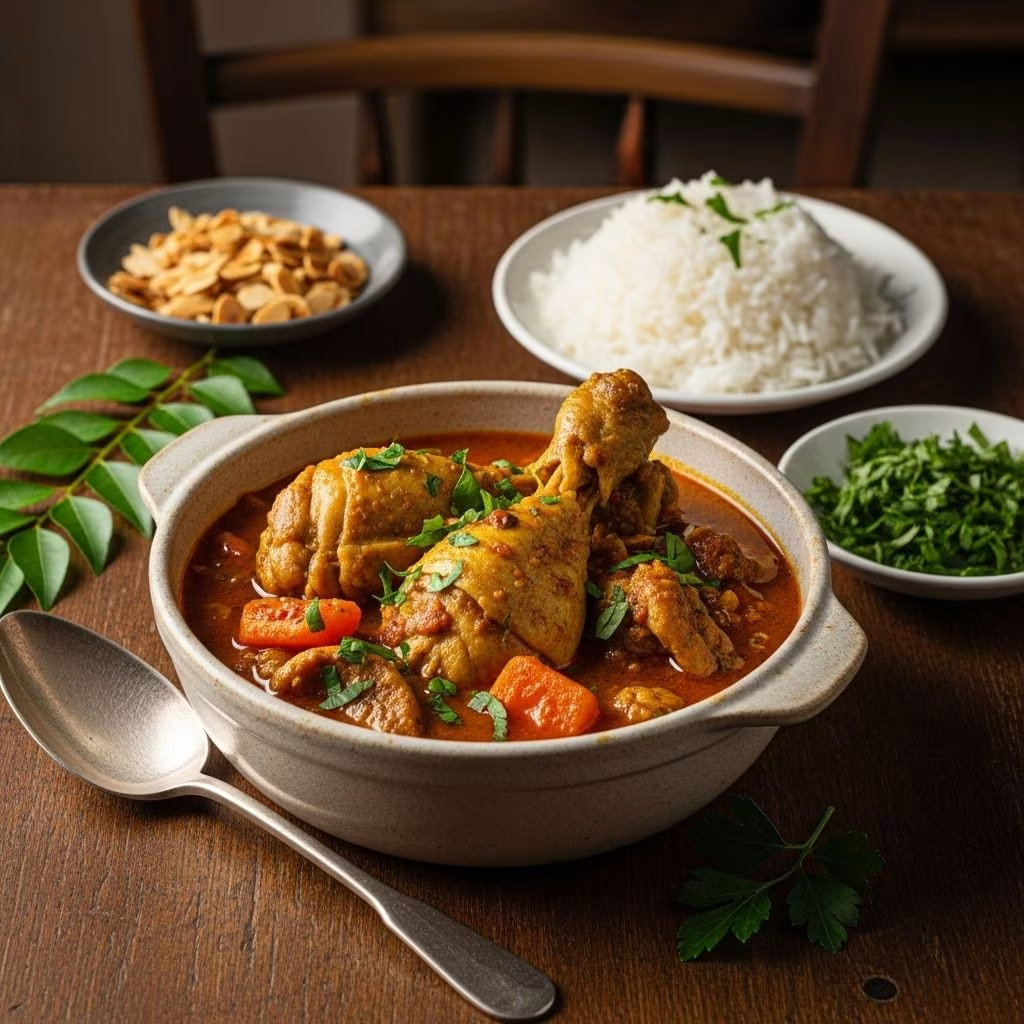
At its heart, Country Captain is a mild yet aromatic chicken stew rich with curry powder, tender chicken, and a medley of onions, garlic, and sometimes bell peppers. It’s almost always finished with golden raisins or currants and almonds, served over rice—but American versions routinely add tomatoes, bacon, or chutney for extra flair.
- Main Ingredients: Chicken, onions, curry powder, garlic, bell peppers, raisins/currants, almonds, tomatoes (American adaptation)
- Serving Style: Always paired with rice—sometimes garnished with crispy bacon or chutney
- Flavor Profile: Gentle warmth, subtle sweetness, nutty richness, not especially hot
The Anglo-Indian Origins of Country Captain
This dish’s distinctive use of curry powder marks it as part of Anglo-Indian cuisine—foods adapted by British officers and their Indian cooks during the British Raj (18th–19th centuries). Original recipes from Calcutta featured simple preparations:
- Spatchcocked poultry (flattened whole bird) or various game meats
- Browned onions, curry powder, stew with soup stock
- Minimal garnishes, served over rice
As Chef Mamrej Khan and food historians note, Country Captain is regarded as one of the earliest “fusion” dishes—a deliberate combination of British tastes and Indian flavors. The name “Country Captain” likely referred either to an actual trader or official along the Indian coast, or derived from the term “capon” for chicken—though the true etymology remains debated.
Early Published Recipes
- Dr. Riddell’s Indian Domestic Economy (1849, Calcutta): Early reference to poultry stewed with onions, curry, and soup stock
- English food writer Jane Grigson (1964): Documents the dish as a well-known Anglo-Indian preparation
Migration to Great Britain and America
The movement of British officers and merchants between India and England seeded the dish’s popularity in the UK. Returning military and seamen brought recipes home, carrying the concept into fashionable cookbooks and households. Over time, Country Captain traveled yet farther—across the Atlantic—to the American South.
The Great Mystery: How Did Country Captain Land in the South?
Both Charleston, South Carolina and Savannah, Georgia claim ownership of Country Captain’s introduction to America. While the details are shrouded in myth and local lore, several prevailing theories exist:
- Seafaring Trade Routes: British sea captains and merchants carrying East India Company recipes through regional ports
- Celebrity Cooks and Influencers: Cooks who accompanied elite travelers introducing the dish to influential Southern kitchens
- Cookbook Appearances: The first known American recipe appeared in Miss Leslie’s New Cookery Book (Philadelphia, 1857).
Eliza Leslie, the cookbook’s author, had spent formative years in England—possibly learning the dish abroad before adapting it for U.S. audiences. Regardless of precise origins, Country Captain spread through churches, women’s clubs, and later local cookbooks, becoming a signature dish in Lowcountry cuisine.
How the Recipe Evolved: American Embellishments
Once embedded in the American South, Country Captain transformed. Ingredients and techniques multiplied, often to suit local tastes and the celebratory mood of festive gatherings:
| Feature | Anglo-Indian Origin | American Adaptation |
|---|---|---|
| Protein | Poultry or game (spatchcocked) | Chicken pieces (usually bone-in, skinned) |
| Spices | Simple curry powder, garlic, ginger | Curry powder, additional spices (bay leaf, cayenne), sometimes herbs |
| Vegetables | Onion, chili (minimal) | Onion, bell pepper, tomato, garlic |
| Garnish | Rice, sometimes nuts/raisins | Almonds, currants/raisins, crispy bacon, chutney |
| Cooking Method | One-pot stew, simple | One-pot or oven, added toppings/sides |
Delmonico’s Influence: Chef Filippini’s Signature Recipe
In the early 20th century, Chef Alexander Filippini at New York’s Delmonico’s Restaurant reimagined Country Captain as an opulent, flagship dish. His version called for:
- Chicken, onions, green pepper, garlic
- A quarter pound almonds
- Tablespoons of dried currants
- Garnish with thin slices of crisp bacon
- Optional: Indian chutney and, in a flourish, a Bombay duck head (rarely included by modern cooks)
The chef’s modernization helped cement the American tendency to embellish the original recipe, blending Old World and New World elements to suit evolving palates.
Legacy and Cultural Resonance
Country Captain in Prominent American Kitchens
Country Captain enjoys legendary status among American culinary icons and home cooks alike:
- Franklin D. Roosevelt: FDR reportedly loved Country Captain, often eating it at his Warm Springs, Georgia estate. He introduced the dish to General George S. Patton, who cherished it so much that it was later included in army field rations in Patton’s honor.
- Cecily Brownstone and Molly O’Neill: Their research in the 1990s rekindled public interest, tracing the earliest American recipes and regional traditions.
- Notable Chefs: Southern food luminaries like Paul Prudhomme, Paula Deen, and Emeril Lagasse have all put personal spins on Country Captain, keeping the tradition alive.
- Media Features: Dishes appeared on Throwdown! with Bobby Flay and BBC’s Saturday Kitchen, further popularizing the recipe.
Lowcountry Lore: Savannah vs. Charleston
The dish’s popularity in Savannah and Charleston has led to friendly rivalry over its true American home. Both cities see Country Captain as an edible symbol of their port history and multicultural culinary ingenuity. Newspaper food columns, oral histories, and local restaurant menus preserve the rich tapestry of stories connected to the dish.
Country Captain: Anatomy of a Classic Recipe
While every cook has a twist, most classic recipes share a familiar structure. Below is a typical outline:
- Chicken: Bone-in pieces, floured, browned in butter or fat
- Vegetable base: Onions (plenty), garlic, sometimes bell peppers and tomatoes
- Spices: Curry powder (often store-bought), salt, pepper, bay leaf, cayenne as desired
- Liquid: Chicken stock or broth, sometimes tomato puree
- Fruit & Nuts: Raisins or currants, slivered almonds stirred in toward the end
- Rice: Served underneath, either white or jasmine rice
- Toppings: Crispy bacon slices, chutney, or fresh herbs
This is a forgiving recipe that welcomes substitutions. Vegetarian and salad versions have emerged, attesting to the dish’s adaptability and enduring appeal.
Modern Variations and Global Reach
Creativity thrives in Country Captain’s legacy. From updated versions featuring turmeric and coconut milk to vegetarian alternatives with roasted chickpeas, cooks continue to invent new expressions while retaining the dish’s comforting spirit. Across Mumbai and other Indian coastal regions, similar dishes are found in community gatherings, still cooked with unfussy technique and homey flavors.
- Some chefs add apples or dried apricots for fruity dimension
- Gluten-free and vegan versions are easy to achieve
- Salad adaptations—like cold shredded chicken with curry mayo, almonds, and currants—are increasingly served at modern restaurants and Southern tables
Frequently Asked Questions (FAQs)
What makes Country Captain unique among Southern dishes?
Country Captain stands apart due to its use of curry powder—an Anglo-Indian blend that signals British colonial influence—and its harmonious combination of sweet (currants/raisins), nutty (almonds), and aromatic (onion, garlic, bell pepper) flavors.
Is Country Captain considered Indian or Southern food?
It is a fusion. The dish originated in India as part of Anglo-Indian cuisine, but its American evolution—in ingredients and presentation—renders it a distinctive part of Southern culinary history.
Do you have to use curry powder?
Yes, curry powder is what connects Country Captain to its Anglo-Indian roots. Variations exist in spice blend, but omitting it would lose the dish’s signature warmth.
Is Country Captain spicy?
Generally, it is mild. Spice levels can be adjusted with extra cayenne, fresh chilies, or a bolder curry powder.
Why is it called Country Captain?
The origin of the name is not certain. It might reference Indian traders or British “Country Captains” along India’s coasts, or possibly a corruption of “capon” (chicken). The dish’s maritime journey and blending of cultures make its title endlessly intriguing.
Why Country Captain Endures
As a beloved comfort food and social centerpiece, Country Captain persists for several reasons:
- Global Fusion: Simple and flavorful, it bridges cultures without pretense
- Versatility: Adaptable to ingredients and dietary preferences
- Storytelling: Each serving carries historical connections—from Calcutta to Charleston
- Flavorful Comfort: Easygoing, aromatic, and hearty, it appeals across generations
To cook Country Captain is to participate in the ongoing dialogue of food, migration, and memory. Whether made simply or given luxurious touches, this dish remains a living testament to curiosity, adaptability, and the joy of sharing.
Key Takeaways: The Journey of Country Captain
- Created by Indian cooks for British officers during the Raj; traveled to Britain, then America
- Became a Lowcountry classic, treasured by presidents, generals, and everyday home cooks
- Evolved to incorporate American ingredients: tomatoes, bacon, chutney
- Remains a pillar of fusion cooking and culinary storytelling worldwide