Guide to Dates: Everything You Need to Know
Dates, the sweet fruit of the date palm, are one of the world’s oldest cultivated crops and an ingredient cherished for their rich flavor, versatility, and nutritional value. This guide covers the essentials: from date types and selecting the best fruit to practical storage tips and proven culinary uses. Whether you’re snacking, baking, or cooking savory dishes, understanding dates can elevate your kitchen know-how.
What Are Dates?
Dates are the fruit of the date palm (Phoenix dactylifera), native to the Middle East and North Africa. They’ve been cultivated for millennia and are deeply woven into the region’s culinary history, religious rituals, and everyday life. Dates appear in a variety of forms and are valued both as fresh fruit and dried pantry staples.
- Origin: Likely first cultivated in Mesopotamia and Ancient Egypt.
- Tree: Date palms thrive in hot, arid environments.
- Fruit: Dates ripen in clusters, with sizes and flavors varying by cultivar.
How Dates Are Grown and Harvested
Date palms need abundant sun, dry weather, and careful management to produce high-quality fruit. Farmers harvest dates by hand when the fruit reaches either the fresh, semi-dry, or fully dried stage, impacting flavor, texture, and use. Mature dates naturally contain sugars and very little moisture, contributing to their long shelf life.
Types of Dates
The global market offers many varieties of dates, each with its own flavor profile, texture, and culinary application. Here are the most notable types:
| Date Variety | Texture | Flavor Profile | Common Uses |
|---|---|---|---|
| Medjool | Soft, juicy | Rich caramel, honey-like | Snacking, baking, stuffing |
| Deglet Noor | Semi-dry, firm | Delicately sweet, nutty | Chopping, salads, cooking |
| Barhi | Soft to crunchy (when fresh) | Butterscotch, fruity | Fresh eating, desserts |
| Halawy | Soft, tender | Buttery, caramel, mild | Snacking, sweets |
| Khadrawy | Soft, less chewy | Very sweet, smooth | Snacking, pureeing |
| Zahidi | Semi-dry, firm | Nutty, mild sweetness | Baking, slicing, cooking |
| Thoory | Dry, chewy | Subdued, mild | Stews, savory applications |
Fresh vs. Dried Dates
- Fresh Dates: Available seasonally, often lighter in color and crisp or soft, with higher moisture. Best eaten soon after harvest.
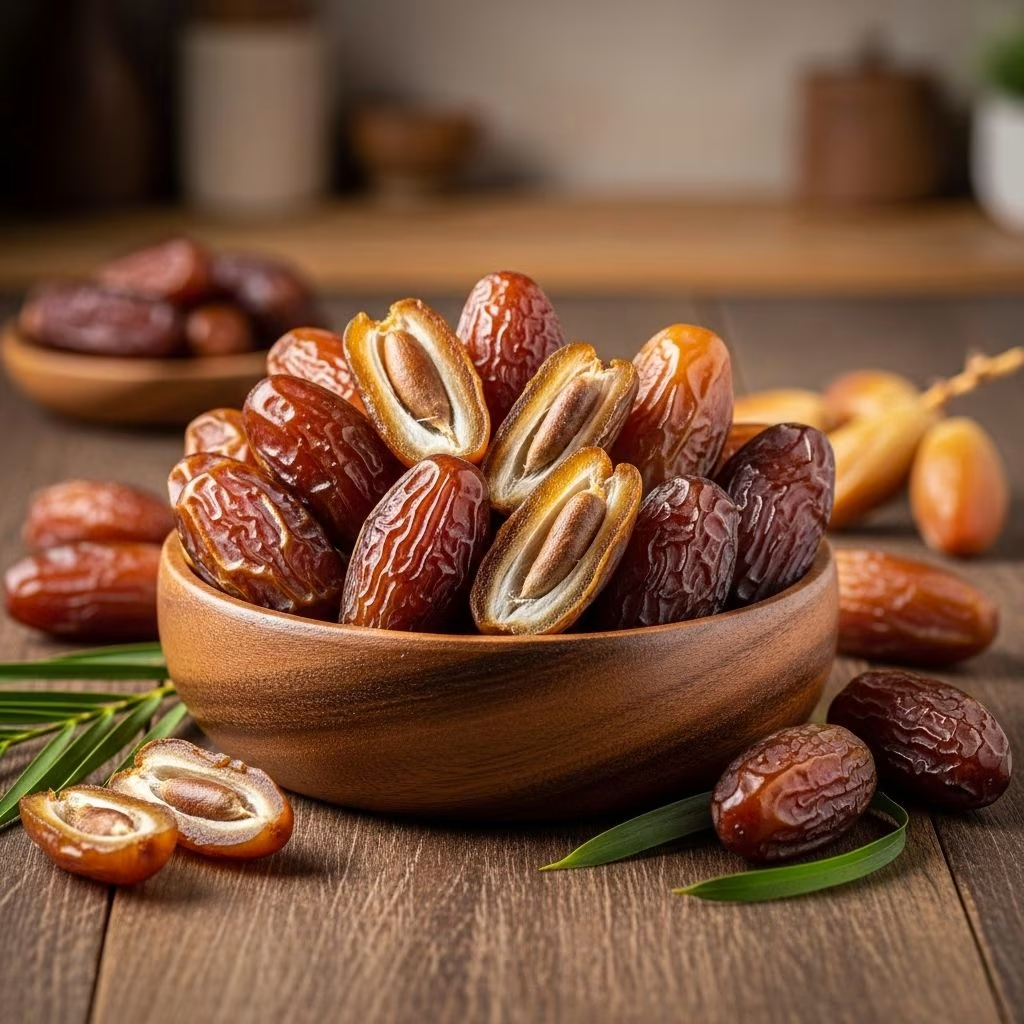
- Dried Dates: Standard form for most consumers, darker, wrinkled, intensely sweet, and shelf-stable.
How to Choose the Right Dates
Choosing the perfect date involves more than picking the plumpest fruit. Consider intended use, flavor, and texture:
- For Snacking: Opt for soft, moist Medjool or Barhi dates.
- For Baking: Deglet Noor and Zahidi dates chop well and hold their shape.
- For Savory Dishes: Semi-dry varieties like Thoory have mild sweetness that complements spicy or gamey foods.
- Appearance: Look for dates without excessive dryness, crystallized sugar, or mold. Natural wrinkles are normal, but avoid broken skins.
How to Store Dates
Proper storage preserves date flavor and texture:
- Keep dried dates in an airtight container in a cool, dark place for several months.
- Fresh dates are best kept refrigerated and consumed within a few weeks.
- For long-term storage, dates can be frozen. Thaw slowly to preserve texture.
Note: If dates become dry, a brief soak or steam can restore softness for many recipes.
Where to Buy Dates
Dates are widely available in grocery stores, Middle Eastern markets, natural food stores, and online retailers. Medjool dates, grown in California, Israel, and North Africa, are the most common in the U.S., but specialty stores often carry a selection of unique varieties.
- Look for dates in the produce section for fresh fruit.
- Dried dates are usually found with nuts and dried fruit.
- Quality varies widely; taste several brands if possible to find your favorite.
How Dates Are Used: Culinary Applications
Dates don’t just shine as snacks—they’re versatile ingredients for both sweet and savory recipes. Here are some of the most popular ways to use dates in the kitchen:
- Snacking: Eaten whole, pitted, or stuffed with nuts, cheese, or nut butters.
- Baking: Chopped dates add sweetness and chew to breads, cookies, and cakes.
- Sauces and Purees: Dates can be blended into syrups, caramel sauces, or used in energy bars.
- Salads: Finely sliced dates pair well with greens, nuts, grains, and citrus.
- Savory Dishes: Used in tagines, rice dishes, and stews for depth of flavor and natural sweetness.
- Drinks: Dates sweeten smoothies, shakes, and even infuse cocktails.
Classic recipes featuring dates include sticky toffee pudding, ma’amoul pastries, and North African chicken or lamb tagines.
Date Nutrition: Health Benefits
Dates offer a compelling nutritional profile:
- High in natural sugars for quick energy.
- Excellent source of dietary fiber.
- Packed with minerals including potassium, magnesium, and copper.
- Provide trace vitamins and antioxidants.
- Low in fat and cholesterol-free.
Because of their concentrated sugar content, moderation is advisable, especially for those managing blood sugar.
How to Pit and Chop Dates
Pitting and chopping dates can be sticky business. For smooth prep:
- Use a small paring knife to slit the date lengthwise and remove the pit.
- If chopping, dust dates with a little flour to prevent sticking, or chill briefly to firm up.
- Store chopped dates with a sprinkle of cornstarch to avoid clumping in baking.
Need-to-Know Tips for Cooking and Baking with Dates
- Date Paste: Blend pitted dates with water to create a sweet paste for healthy baking.
- Rehydrating: Soak dry dates in warm water (or spirits) for 10-15 minutes before using in recipes.
- Pairings: Dates marry well with nuts, cheese, citrus, warm spices (cinnamon, cardamom), meats like lamb or chicken, grains, and robust greens.
- Substitutes: Raisins, figs, or prunes can stand in for dates when texture and sweetness need balancing.
Potential Pitfalls & Common Questions
- Date pits are hard and inedible—always remove before eating or cooking.
- Watch for crystallized sugar on old dates—it’s safe but may affect flavor.
- Some dates are treated with glucose syrup; check labels for pure fruit.
- Moldy, fermented, or sour-smelling dates should be discarded.
Frequently Asked Questions (FAQs)
Q: Are dates considered a healthy sweetener?
A: Yes—dates are a popular natural alternative to refined sugar, offering sweetness plus fiber and minerals. However, their high sugar content requires moderation for those monitoring carbohydrate intake.
Q: What is the difference between Medjool and Deglet Noor dates?
A: Medjool dates are generally larger, softer, and more caramel-like, making them ideal for snacking and recipes where texture matters. Deglet Noor dates are firmer, less sweet, and more suited to baking or cooking.
Q: Can I freeze dates to extend shelf life?
A: Absolutely. Dates freeze well, especially dried varieties. Thaw only as needed to maintain quality.
Q: Are dates vegan and gluten-free?
A: Pure dates are naturally vegan, gluten-free, and allergen-friendly. Always double-check ingredient lists for flavored or stuffed dates.
Q: How do I use dates in savory cooking?
A: Try adding chopped dates to braised meat dishes, grain salads, or stuffing for a touch of natural sweetness and complexity.
Conclusion: Dates in Every Kitchen
Versatile, nutritious, and exquisitely flavorful, dates are more than just a sweet treat. Their deep culinary heritage and adaptability ensure they have a place in both simple snacks and sophisticated gourmet recipes. With a little knowledge and care, anyone can harness the best that dates have to offer in their home kitchen.