Passata: The Italian Tomato Secret You Need in Your Pantry
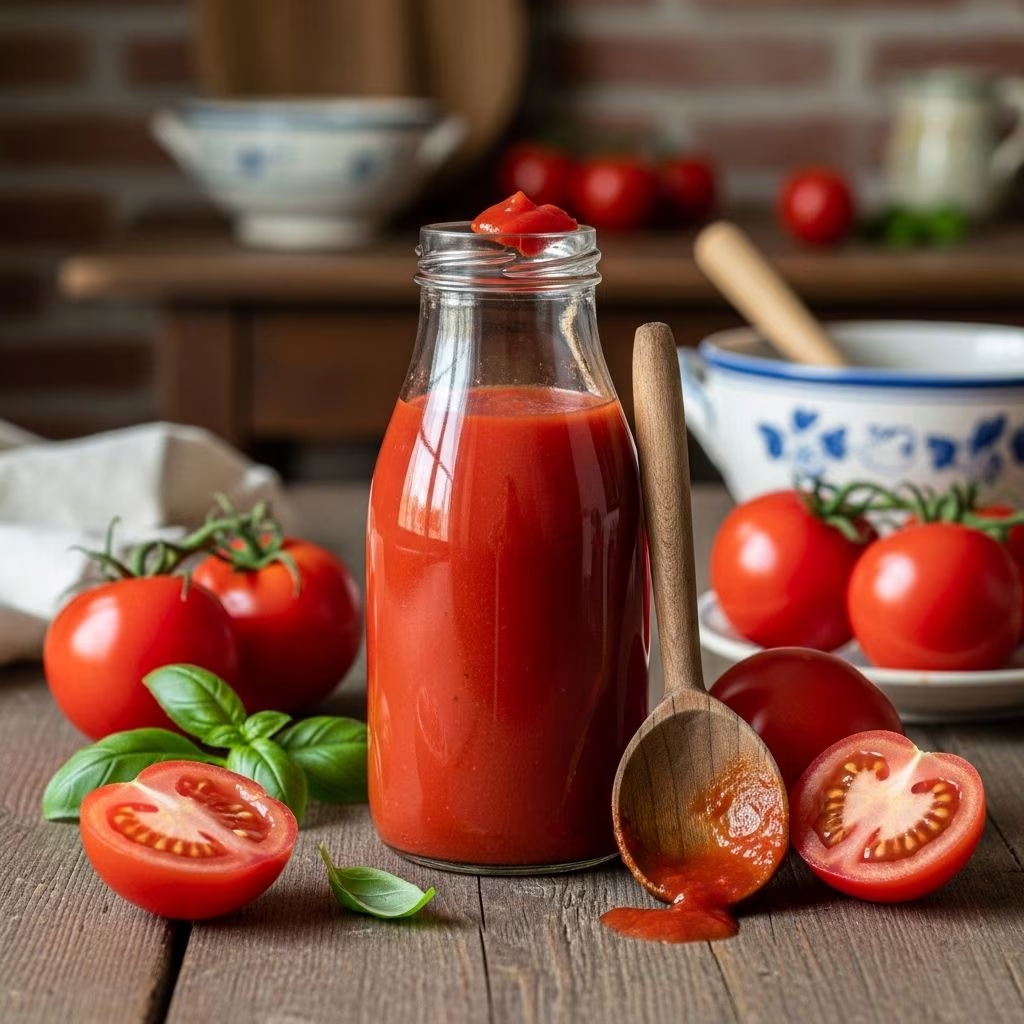
Walk into any Italian kitchen, and you’ll likely find a tall glass bottle of passata—bright, smooth, and bursting with the essence of sun-ripened tomatoes. Long cherished but often overlooked outside Italy, passata is the backbone of many beloved dishes and a testament to the country’s culinary devotion to its tomatoes. This article delves into what makes passata special, its deep roots in Italian households, how it differs from typical canned tomatoes, and why it deserves a place in your own kitchen.
What Exactly Is Passata?
Passata is an uncooked tomato purée, made from ripe, fresh tomatoes that are milled and strained to remove seeds and skins, resulting in a thick, pourable liquid. Unlike jarred pasta sauces or even most canned tomatoes, passata is rarely seasoned beyond perhaps a touch of salt. It preserves the essence of the tomato at its peak, providing a pure, uncluttered flavor ready to be transformed in your kitchen.
- Texture: Silky-smooth, thick, and spoonable liquid, void of seeds and skins.
- Flavour: Uncooked and intense, delicately sweet and tart, retaining the character of ripe tomatoes.
- Usage: Perfect as a base for pasta sauces, soups, pizza, stews, braises—even as a shortcut for a quick tomato sauce.
Passata’s Deep Roots in Italian Culture
To many Italians, passata is more than a kitchen staple—it’s a ritual and a tangible link to their history. Every year, as summer’s tomato harvest comes in, families gather to preserve the season’s bounty. The process is time-honored: tomatoes are washed, chopped, simmered just enough to soften, then milled to remove seeds and skin, yielding a crimson liquid that’s carefully sealed in glass bottles. This stash of passata is treasured, providing a taste of August sunshine throughout the winter.
Family Tradition
- Passata-making weekends are a multigenerational affair—grandparents, children, and grandchildren all participate.
- The resulting bottles fill cellars and cupboards, their labels sometimes scrawled with the year or the type of tomato used.
- For many, these bottles are a link to home, to Nonna’s kitchen, and to the comfort of shared meals.
The sentimental value is immense: to run out of home-preserved passata before the next tomato season is to face the dreariness of winter without one’s favorite bright, summery ingredient. For Italians living abroad, a gifted bottle of homemade passata is often a more precious souvenir than any delicacy.
Passata vs. Canned Tomatoes: A Comparison
| Feature | Passata | Canned Tomatoes |
|---|---|---|
| Processing | Uncooked or barely cooked, pureed, and sieved | Often cooked during canning, includes seeds/skins |
| Texture | Smooth, thick, pourable | Chunky, can be whole or diced |
| Flavor | Bright, fresh, lively | Deeper, sometimes metallic from canning |
| Use | Fast-cooking sauces, raw applications, pizza | Long-cooked braises, stews |
| Additives | Usually just tomato (sometimes salt) | Often includes citric acid, calcium chloride |
While both have a place in the kitchen, the brilliance of passata is its focus—delivering the tomato’s core flavor and nothing more. Recipes that call for passata gain a silkiness and freshness that’s challenging to replicate with even the highest quality canned tomatoes.
Bringing Passata Into the Modern Kitchen
In today’s bustling world, not everyone can devote a weekend to making passata from scratch. Thankfully, high-quality passata is now widely available in supermarkets and specialty stores, often in glass bottles reminiscent of those filled by hand in Italy. The key is knowing what to look for and how to best use it.
How to Use Passata
- Speedy tomato sauces: With its smooth texture and rich flavor, passata speeds up cooking, making it easy to whip up a delicious tomato sauce for pasta in minutes.
- Pizza base: Spread it straight onto dough, seasoned just with a drizzle of olive oil and salt, for an authentic Italian pizza at home.
- Soups and stews: Layer it for body and brightness in minestrone or bean dishes.
- Braises and ragùs: Use it as a base to build complexity in slow-cooked recipes.
Its versatility shines in modern cooking, transforming quick weeknight meals and elaborate Sunday feasts alike.
Not All Passata Is Created Equal
When shopping for passata, look for these markers of quality:
- Ingredients: The label should list only tomatoes (and possibly salt). Avoid brands that add sugar, artificial flavors, or preservatives.
- Packaging: Glass bottles help preserve the flavor best and avoid the metallic tang sometimes found in cans.
- Color: The contents should be a vibrant, deep red—not pale or orange.
There is a spectrum of passata textures, from very smooth and thick to slightly pulpy. The ideal type will depend on your dish and personal preference. Some Italian import brands deliver more pronounced flavor and better texture than mass-market options.
Why Passata Is a Kitchen Superpower
Passata is more than just a time-saver—it’s a flavor enhancer and a secret weapon for cooks seeking the truest tomato taste. Because it skips the heating-and-canning steps of tinned tomatoes, passata’s flavor is often cleaner and more vivid. It’s especially prized when tomatoes are out of season, offering a consistent brightness and acidity that many canned options lack.
- No more watery sauces: Passata’s low moisture and concentrated flavor prevent sauces from turning soupy.
- Customizable: Since passata is pure tomato, you control the seasoning and texture—adjusting salt, herbs, and spices to suit any recipe.
Even a spoonful of passata can transform scrambled eggs, bring life to a vegetable gratin, or add depth to a pot of beans.
The Homemade Passata Ritual: Steps & Sentiment
Though store-bought passata is a worthy product, many Italians and food lovers still take pride in making their own when the tomatoes are at their best. Here’s a simplified version of the homemade process:
- Select ripe, juicy tomatoes—San Marzano, Roma, or other high-quality plum varieties are preferred.
- Wash and chop the tomatoes, removing any blemishes.
- Simmer briefly, just long enough to soften the flesh.
- Pass through a food mill or sieve to remove skins and seeds, collecting the velvety juice.
- Bottle in sterilized glass containers, add a pinch of salt if desired.
- Seal and heat-process the bottles for long-term storage.
This time-intensive event is as much about togetherness as it is about culinary tradition—laughter mingles with the aroma of hot tomatoes, and the satisfaction of lining up jars for the winter to come.
Passata Beyond Italy
Though quintessentially Italian, passata’s appeal is becoming global. Cooks around the world discover its convenience and flavor, turning to it in kitchens from New York to Melbourne. With its rise, recipes increasingly reference passata, helping demystify the ingredient for anyone who loves to cook.
Not only does passata prove that sometimes the simplest preparations yield the brightest flavors, but it also connects us with an aspect of Italian culture rooted in seasonality, family, and a reverence for ingredients. Each jar or bottle carries not just tomatoes, but the echo of tradition.
Common Questions About Passata
What’s the difference between passata and tomato puree?
While both are forms of pureed tomato, passata is made from fresh, strained tomatoes without seeds or skins, and is typically uncooked or barely cooked. Many supermarket “tomato purees” are cooked, thicker, and not as fresh-tasting.
Can I use passata instead of canned tomatoes in recipes?
Yes, but the texture and flavor may be lighter and brighter. Adjust cooking times and seasonings for the best results, since passata is more concentrated and smoother.
How should I store opened passata?
Once opened, store passata in the refrigerator in a tightly sealed container. Use within 3–5 days for best flavor. It can also be portioned and frozen for longer storage.
Is homemade passata better than store-bought?
Homemade passata can capture the peak flavor of local tomatoes and comes without preservatives. However, quality store-bought passata is an excellent and convenient alternative, especially when ripe tomatoes are out of season.
What recipes use passata?
Passata is ideal for all kinds of tomato sauces, pizza bases, soups (like minestrone), stews, and even some egg dishes such as shakshuka. Its uses are limited only by your imagination.
Final Thoughts: Making Space for Passata
Passata represents the heart of Italian home cooking—the bridge between tradition and modernity. Whether you labor over a cauldron of tomatoes in your backyard or grab a stylish glass bottle from the store, passata rewards the cook with deeper, truer tomato flavor and the promise of easy, joyful meals all year long.