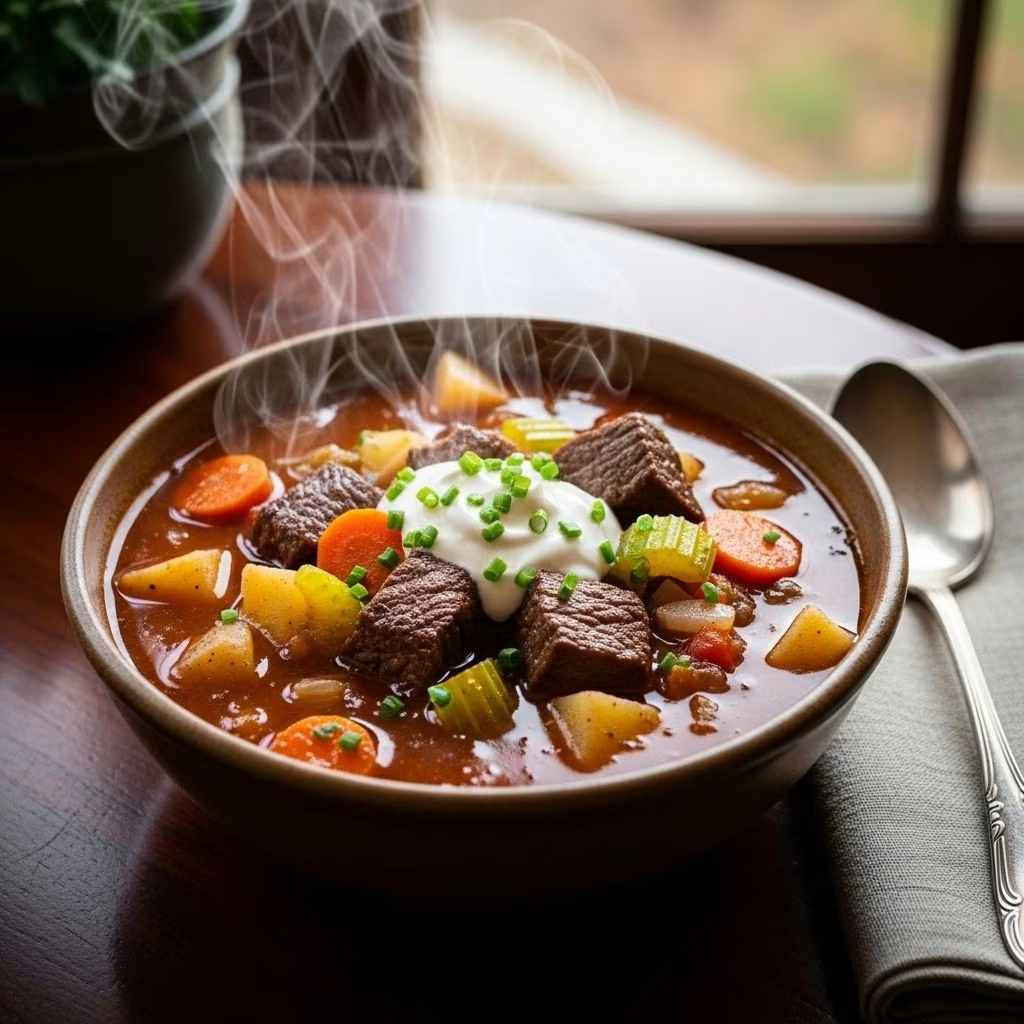
Kansas City Steak Soup: A Midwestern Comfort Classic
Few dishes capture the hearty essence of Midwestern cooking like Kansas City Steak Soup. With its roots in legendary Kansas City steakhouses, this soup is a celebration of robust flavors—morsels of steak, a rich, tangy broth thickened with a delicate roux, and a medley of vegetables combine to create a meal that’s both satisfying and nostalgic. Whether you’re warming up on a winter evening or looking for a new family-favorite recipe, Kansas City Steak Soup is a comforting choice sure to delight.
History and Origins of Kansas City Steak Soup
The steak soup tradition in Kansas City comes from the city’s deep culinary relationship with beef. Kansas City is renowned for its steakhouses, and steak soup was born as a way to use leftover trimmings and extend the savory flavors of steak into a hearty, shareable pot. While each restaurant and home cook puts their own spin on the recipe, the core elements—a savory beef broth, tender morsels of steak, and plenty of vegetables—remain constant, making it a beloved staple across generations.
The Core Components: What Makes Steak Soup Unique
Several key components define traditional Kansas City Steak Soup:
- Sautéed Steak: Browning steak cubes builds deep flavor at the base of the soup.
- Glossy Roux-Thickened Broth: A classic flour-and-fat roux gives the soup both body and sheen.
- Vegetable Medley: Common vegetables include onions, celery, carrots, peas, and green beans.
- Balanced Seasoning: Seasoned with black pepper, steak sauce, Worcestershire, or a dash of soy for added savoriness.
This balance between rich, beefy depth and garden-fresh brightness makes the soup both hearty and complex.
Ingredient List and Substitutions
To prepare Kansas City Steak Soup, gather the following ingredients. Many components are flexible, allowing for easy adaptation to tastes or ingredient availability.
| Ingredient | Suggested Amount | Notes or Substitutes |
|---|---|---|
| Steak (sirloin, strip, or leftover roast) | 1 lb, cut into 1/2-inch cubes | Can substitute with ground beef or stew meat |
| Butter | 1/2 cup | For roux; can use half butter, half oil if desired |
| All-purpose flour | 1/2 cup | Forms roux with butter |
| Beef broth | 5 cups (40 oz) | Homemade or low-sodium store-bought best |
| Carrots | 1/2 cup, diced | Or use more of the frozen vegetable mix |
| Onion | 1/2 cup, diced | Yellow or white onion |
| Celery | 1/2 cup, diced | Optional, for added flavor |
| Frozen mixed vegetables | 2 cups (10 oz) | Green beans, peas, corn, carrots |
| Kitchen Bouquet | 1 1/2 tsp (optional) | Browning and seasoning sauce adds color and depth |
| Black pepper | 1/2 tsp | Or to taste |
| Can of chopped tomatoes | 1 cup (8 oz); do not drain | Can use fresh tomatoes in peak season |
| Cooking oil | 2 tbsp | For browning steak |
Step-by-Step Cooking Instructions
- Sear the Steak: In a heavy-bottomed pot or Dutch oven, heat oil over medium-high. Add steak pieces and brown on all sides. Remove meat with a slotted spoon and set aside; drain all but a few tablespoons of fat if necessary.
- Prepare the Roux: Add butter to the pot and melt. Sprinkle in the flour, whisking continuously to form a smooth, golden roux. Cook, stirring, for 2–3 minutes until nutty and fragrant but not deeply browned.
- Form the Soup Base: Gradually whisk in the beef broth, breaking up any lumps as the roux dissolves and the mixture thickens. Bring to a low boil, stirring frequently.
- Add Vegetables and Seasonings: Stir in diced onions, carrots, celery, frozen vegetables, and black pepper. If using, add Kitchen Bouquet. Bring soup to a gentle boil, then reduce heat and simmer covered for 10 minutes until vegetables soften.
- Return Steak and Add Tomatoes: Add the browned steak and undrained tomatoes to the pot. Simmer uncovered for an additional 10–15 minutes to marry flavors and cook steak through to tender.
- Taste and Adjust: Adjust seasoning with additional black pepper or a dash of Worcestershire. For a spicier kick, add a pinch of crushed red pepper.
- Serve Hot: Ladle into bowls and serve steaming, ideally with hot crusty bread or toasted slices brushed with butter and herbs.
Tips and Tricks for Perfect Steak Soup
- Don’t Rush the Roux: The roux gives body and silkiness to the finished soup. Take time to cook it until just golden for the best flavor.
- Use Good Broth: Homemade or high-quality broth enhances the beefy richness of the soup.
- Customize the Veggies: Make use of what’s in season or on hand. Green beans, peas, corn, lima beans, and potatoes all work well.
- Make Ahead and Freeze: This soup keeps and reheats beautifully. Store cooled soup in freezer-safe containers or zip freezer bags laid flat. Thaw and reheat gently on the stovetop.
- Leftover Steak or Roast: Use chopped cooked steak or roast beef instead of raw steak, adding it towards the end just to heat through.
About the Roux: The Soul of the Soup
The roux—a mixture of flour and fat cooked together—thickens and enriches the soup, giving it a glossy texture that’s a hallmark of steak soup. Don’t skip this step! A well-made roux is the secret to a luscious base, balancing the boldness of the beef and the sweetness of the vegetables.
Pronunciation: Roux is pronounced “roo,” rhyming with “cue.”
Exploring Kitchen Bouquet and Seasonings
Kitchen Bouquet is an optional, but classic, addition for Kansas City Steak Soup. This bottled seasoning and browning sauce, around since the late 1800s, deepens both the color and taste of gravies, roasts, and, of course, steak soup. If you don’t have Kitchen Bouquet, try a splash of soy sauce, a few dashes of Worcestershire sauce, or even a spoonful of miso as a substitute. Each option will slightly alter the soup’s flavor profile, but all add savory complexity.
Serving Suggestions
- Crusty Bread: Serve with buttered slices of Italian or French bread, toasted lightly and sprinkled with dried basil or oregano.
- Make it a Meal: Pair with a crisp slaw, simple side salad, or even grilled cheese sandwiches for a complete meal.
- Garnishes: Add fresh parsley, chopped chives, or a sprinkle of grated Parmesan for extra flair.
Variations to Try
- Vegetarian Version: Substitute mushrooms or plant-based meat for steak and use vegetable broth.
- Swap the Meat: Use cooked shredded roast or brisket for a heartier rendition.
- Pasta Addition: Stir in a handful of small cooked noodles or barley towards the end for an even more filling soup.
- Spicy Kick: Add a pinch of chili flakes or a splash of hot sauce.
Nutritional Insights
This soup offers a robust serving of protein and vegetables in every bowl. By controlling the amount of butter and choosing a lean cut of steak, you can tailor it to suit health preferences. Reducing the fat or using lean ground beef will decrease calories without sacrificing richness, thanks to the thickened broth.
Why Kansas City Steak Soup Remains a Favorite
What keeps this soup in regular rotation across Kansas City and beyond?
- Deep, Layered Flavor: Browning meat and vegetables before simmering brings a remarkable richness.
- Versatility: Adaptable to leftovers and pantry staples.
- Comfort Food Appeal: The silkiness and steak-forward taste make it soul-satisfying on any chilly day.
- Meal-Prep Friendly: Freezes and reheats well for quick, wholesome meals anytime.
Frequently Asked Questions (FAQs)
Q: Can I use ground beef or leftover roast in place of cubed steak?
A: Yes! Ground beef is a classic substitute and simplifies preparation. Leftover cooked steak or roast beef works beautifully—simply add towards the end of cooking to warm through.
Q: Do I have to use Kitchen Bouquet?
A: No; Kitchen Bouquet is optional, but it does add deeper color and flavor. If unavailable, use a dash of soy sauce, Worcestershire, or even a bit of miso paste as a substitute for richness.
Q: How can I make this soup gluten-free?
A: Substitute all-purpose flour with a gluten-free flour blend or cornstarch for the roux. Make sure your broth and other additives are gluten-free as well.
Q: Does Kansas City Steak Soup freeze well?
A: Absolutely. Let leftovers cool completely, then portion into freezer-safe containers or bags for up to three months. Thaw gently and reheat on the stovetop, stirring frequently to restore smooth texture.
Q: What’s the best cut of steak for steak soup?
A: Top sirloin is generally the preferred cut—tender but not overly expensive. Strip steak, round, or even lean stew meat are all good options.
Conclusion: A Soup Worth Savoring
In every bowl, Kansas City Steak Soup delivers a hearty balance of tradition, flavor, and nourishment. Rooted in the heritage of Kansas City’s steakhouse culture and beloved by home cooks for its simplicity and adaptability, this soup is a perfect example of why comfort food endures. Whether enjoyed on a frosty day or as an everyday family dinner, it never fails to satisfy.