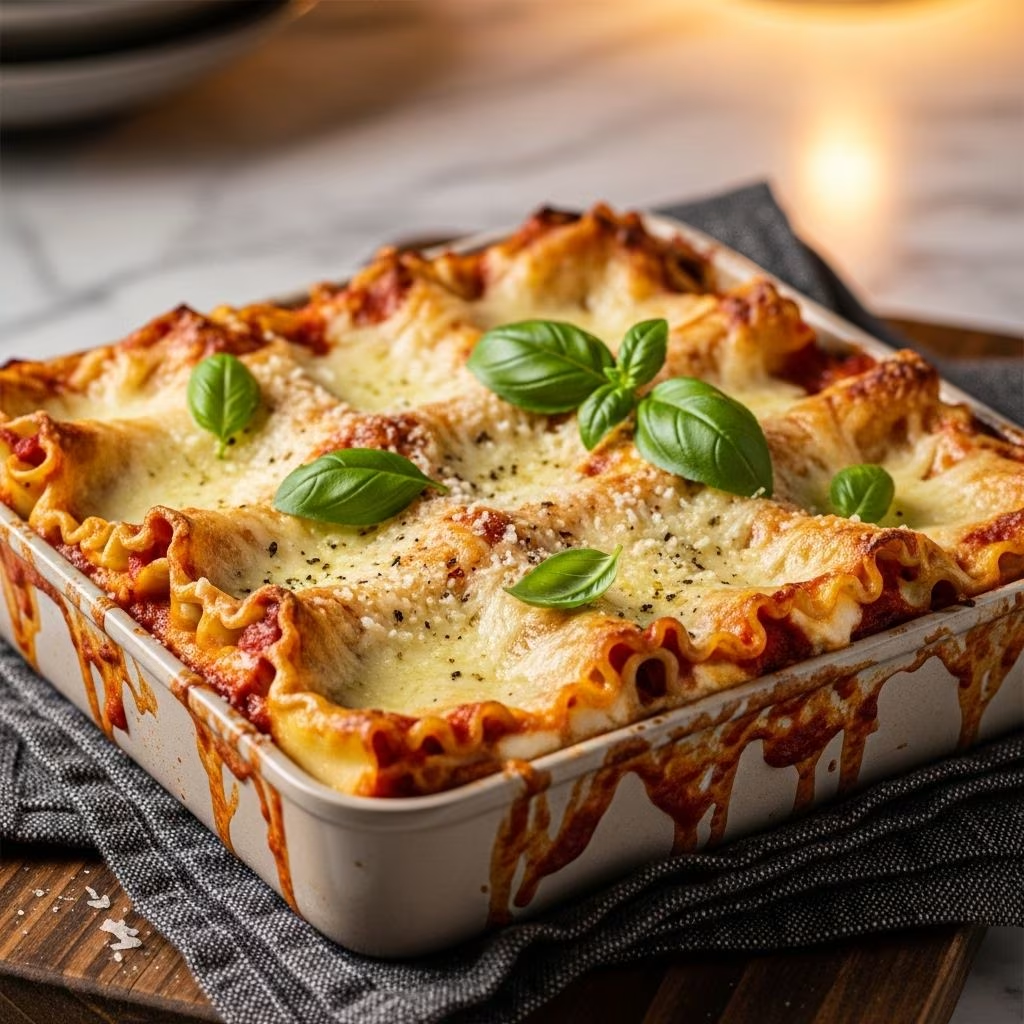
Nidi di Rondine, or “swallow’s nests,” is not your typical lasagna. This enchanting Italian baked pasta dish is as visually impressive as it is delicious, making it a centerpiece for holiday tables and celebratory spreads across northern Italy. Rolled, sliced, and baked to golden perfection, Nidi di Rondine delivers all the comforting flavors of classic lasagna while delighting with a festive, elegant presentation.
What Is Nidi di Rondine?
Nidi di Rondine, literally translated as “swallow’s nests,” hails from the Emilia-Romagna region of Italy and features thin sheets of fresh pasta rolled up with a savory filling—most commonly cooked ham, mild cheeses, and a splash of tomato sauce. The rolls are sliced into rounds, arranged to resemble a nest in a baking dish, and then topped with a finishing sauce and cheese before baking. The result is tender pasta rounds bubbling in flavor, each looking delightfully like a small bird’s nest.
The Story Behind the Name
The poetic name “swallow’s nests” (nidi di rondine) stems from the round, nest-like slices that emerge once the pasta rolls are cut and nestled into the baking dish. This form makes the dish not only satisfying to eat but also striking to serve.
The Core Components of Classic Nidi di Rondine
Each element plays a key role in the integrity and charm of the final dish:
- Fresh Egg Pasta Sheets: Thin, supple, and able to roll without cracking—fresh is the gold standard.
- Cooked Ham: A layer of thinly sliced, mild, salty ham infuses the dish with meaty richness.
- Cheese: Common choices are Fontina, mozzarella, or scamorza for melting capability and flavor, with grated Parmigiano-Reggiano for savor and aroma.
- Tomato Sauce: A simple, bright sauce provides acidity and moisture, balancing the richness of ham and cheese.
- Béchamel (Optional): Silky béchamel adds creaminess and ties ingredients together.
A Regional Italian Favorite
Nidi di Rondine’s roots reside primarily in Emilia-Romagna, a region renowned for exemplary egg pasta, cured meats, and cheeses. While “lasagna” in the popular mind brings to mind oven-baked layered sheets of pasta, ragù, and creamy sauces, Nidi di Rondine demonstrates the playful versatility of northern Italy’s lasagna tradition.
Regional tweaks abound—some versions swap the ham for cooked sausage or mortadella, use a blend of cheeses, add spinach, or incorporate variations on the sauce. Yet, the essence of the dish remains: pasta, rolled with savory filling and cooked to bubbling, golden splendor.
Choosing Your Ingredients
1. Pasta
The heart and success of Nidi di Rondine is the pasta. Fresh egg pasta is a must—its supple nature is needed for ultra-thin rolling, and for creating tender rolls that bake up beautifully.
- Homemade is best: If you have a pasta roller, making your own ensures the right thickness and texture. Classic ratios are 100g of “00” flour and 1 large egg per person.
- Store-bought Fresh: In a pinch, thin fresh lasagna sheets from a specialty market suffice—avoid dried boxed lasagna, which can’t be rolled.
2. Filling Finesse
Ham: Look for mild, thinly sliced Italian prosciutto cotto (cooked ham), or high-quality American deli ham.
Cheese:
- Melting Cheese: Fontina or scamorza are classic; mozzarella is a more widely available, mild alternative.
- Grated Cheese: Always Parmigiano-Reggiano for authenticity and depth.
3. Sauce Matters
A bright, simple tomato sauce is traditional, but some homes (especially in northernmost Emilia-Romagna) use both tomato and béchamel to double down on silkiness.
- Tomato Sauce: Use a basic marinara or homemade passata—the focus should be freshness, not complexity.
- Béchamel: An easy milk, flour, and butter sauce cooked until slightly thick (optional, but highly recommended for an ultra-creamy dish).
Step-By-Step: Assembling Nidi di Rondine
- Prepare the Sauces (if using): Start with a simple tomato sauce and the béchamel. Keep them warm while you move on to the pasta.
- Roll Out the Pasta: Roll homemade pasta dough into thin, wide sheets—ideally no thicker than 1/16 inch. Trim edges for even rectangles.
- Layer the Fillings: Lay pasta sheets a few at a time on a clean towel. Spread with creamy béchamel (if using), top with ham, then layer cheese slices. Lightly spoon a bit of tomato sauce if desired, but avoid overloading (it will get messy).
- Roll Carefully: Starting at a short end, roll the pasta tightly but gently into cylinders.
- Slice Into Nests: Use a sharp knife to cut the roll into rounds about 1–1.5 inches thick.
- Arrange and Top: Place the rounds upright in a buttered baking dish. Dollop with tomato sauce, sprinkle with grated cheese, and drop over any extra béchamel.
- Bake: Bake in a moderate oven (about 375°F/190°C) until bubbling and golden on top, usually 30–35 minutes.
Serving and Storing Nidi di Rondine
Nidi di Rondine is best served hot from the oven, when the cheese is melty and the edges are a touch crisp. The dish is perfect for family gatherings, dinner parties, or holiday meals. Its make-ahead ability also endears it to home cooks—simply assemble and refrigerate before baking, or freeze unbaked rounds for a future feast.
Make-Ahead and Freezing Tips
- Assemble and Refrigerate: Prepare up to one day ahead; cover tightly and refrigerate. Bake straight from the fridge with a few extra minutes added to bake time.
- Freeze: Prepare and freeze unbaked nests on a tray; once frozen, pack into containers. Thaw in the fridge overnight or bake straight from frozen, allowing for a longer bake time.
Variations: Get Creative With Your Nests
While the traditional ham and cheese variation reigns supreme, Nidi di Rondine offers a playful canvas for all kinds of delicious innovation:
- Vegetarian Delight: Swap cold cuts for sautéed spinach, roasted peppers, or grilled zucchini, paired with ricotta and Fontina.
- Meaty Alternatives: Use cooked sausage, mortadella, or even turkey breast in place of ham.
- Cheese Lovers: Try Taleggio, Gruyère, or even a little gorgonzola for depth.
- Sauces: Experiment with pesto or a mascarpone-based cream instead of béchamel.
Why Make Nidi di Rondine?
- Visually Stunning: Each baked nest holds together beautifully, cutting cleanly for attractive plating.
- Superb Flavor: The interplay of creamy cheese, savory ham, delicate pasta, and tangy sauce is irresistible.
- Perfect for Sharing: Arrangeable in advance; ideal for dinner parties and celebrations.
- Versatile: Adaptable to suit any season, dietary preference, or fridge contents.
Essential Tips for Perfect Nidi di Rondine
- Roll pasta as thin as possible for delicate, even nests.
- Don’t over-stuff—excess moisture will lead to soggy, fallen-apart rolls.
- Sharp cheese and salty ham provide complexity; don’t skimp on high-quality Parmigiano.
- Bake until bubbling and golden for the best taste and texture.
Frequently Asked Questions (FAQs)
Q: Can I use dry boxed lasagna noodles?
A: Unfortunately, dried noodles do not have the flexibility needed for rolling. Only fresh egg pasta (homemade or store-bought) will work for proper Nidi di Rondine.
Q: What cheeses are best?
A: Choose a good melting cheese such as Fontina, scamorza, or mozzarella, and always include Parmigiano-Reggiano for finishing. You can get creative with other favorites if you wish!
Q: Can I make Nidi di Rondine ahead of time?
A: Yes! Assemble the dish in advance and refrigerate before baking. Or freeze the unbaked nests and bake straight from frozen. This makes the dish perfect for entertaining or busy weeks.
Q: What if I want to make it vegetarian?
A: Absolutely—just layer in cooked spinach, grilled vegetables, or roasted mushrooms for a vegetable-forward filling. Pair with creamy cheese or a dollop of pesto.
Q: How do I keep my pasta from sticking?
A: Work with lightly floured surfaces, and cool your pasta sheets after boiling in cold water before drying on a kitchen towel.
Conclusion: Bring Italian Joy to Your Table
With its captivating looks and harmonious flavors, Nidi di Rondine is among Italy’s most charming, celebratory comfort foods. By mastering a few classic techniques and tuning the recipe to your own tastes, you’ll have a new hallmark dish for festive gatherings and cozy get-togethers alike. Serve these brilliant rolled “nests” with a leafy salad, a bottle of red wine, and a table of friends—for this is a meal made to share.