Orange in Iced Spiced Syrup (Som Loy Kaew)
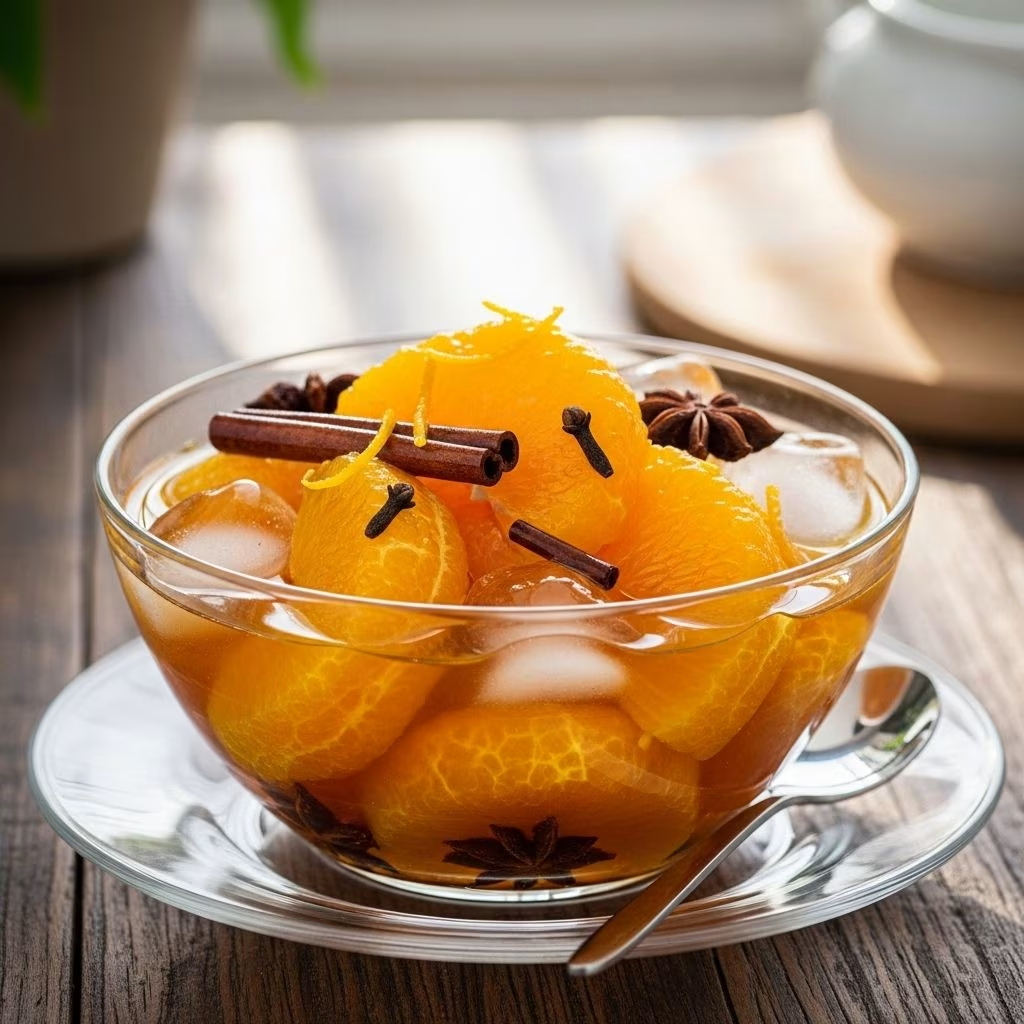
Som Loy Kaew is an elegant and refreshing Thai dessert that showcases the natural flavor and aroma of fresh oranges, gently steeped in a crystal-clear, subtly spiced syrup and served over a mountain of crushed ice. Known for its simplicity, stunning presentation, and the interplay of citrus brightness and aromatic spice, this dessert exemplifies the Thai approach to balancing flavors and textures.
What is Som Loy Kaew?
Som Loy Kaew, which translates to “oranges floating in glass,” is an inviting cold dessert popular across Thailand, especially during the warmer months. It is a member of the broader loh kaew family—a category of Thai desserts composed of ripe fruits, often tropical, suspended or “floating” in sweet, aromatic syrup and heaped with ice. The preparation is straightforward, yet its success relies on the choice of fruit and balance of aromatics.
Key Features of Som Loy Kaew
- Simple Preparation: Requires only a few everyday ingredients, with minimal cooking skill required.
- Customizable Aromatics: Common spices include ginger and star anise, although the syrup can be tailored to personal taste.
- Vibrant and Refreshing: Oranges provide color and a crisp bite, while the syrup and ice cool and sweeten each spoonful.
- Flexible Presentation: Suitable for casual weeknight desserts or festive gatherings.
Ingredients and Variations
Som Loy Kaew is defined by its essential ingredients, but there is ample room for creative adaptation. Below are the typical elements and suggestions for variations.
Main Ingredients
- Oranges: Any sweet citrus will work—navel, cara cara, mandarin, or tangerine. The key is ripe, juicy fruit with mild acidity.
- Sugar: White granulated sugar yields a clear syrup, preserving the orange’s vivid color.
- Water: Used as the base for the syrup.
- Aromatics: Ginger and star anise are typical, imparting a warming, gently spicy perfume. Some recipes use jasmine or pandan for floral undertones.
- Salt: A pinch brings out the sweetness and adds depth.
- Crushed Ice: For serving, adding both chill and textural contrast.
Common Variations
- Fruit Substitutions: Lychee, rambutan, longan, jackfruit, or pineapple are often substituted or paired with oranges.
- Spice Adjustments: Cardamom, cinnamon, or a slice of lemongrass can be added for a unique twist.
- Floral Notes: Jasmine or rosewater may be used in place of or alongside the spices for a more romantic aroma.
- Sweetener Alternatives: Palm sugar or honey may be used instead of white granulated sugar, lending caramel undertones and a golden hue.
Step-by-Step: How to Make Orange in Iced Spiced Syrup
1. Prepare the Oranges
- Peel the oranges, removing all bitter white pith. Segment the oranges by cutting between the membranes, or simply slice crosswise into thick rounds for visual impact.
- Set aside and chill until needed.
2. Make the Spiced Syrup
- In a saucepan, combine water, sugar, and a pinch of salt. Add sliced ginger and whole star anise.
- Bring to a simmer over medium-low heat. Stir until the sugar is fully dissolved. Allow to gently simmer for 10 minutes; the syrup should take on the aromatics’ fragrance but remain clear.
- Remove from heat. Let cool slightly, then strain the syrup to remove solids for a polished final appearance.
3. Combine and Chill
- Arrange the orange segments or slices in a shallow serving dish.
- Pour the warm (not hot) strained syrup over the oranges. The fruit will soak up the flavors as the syrup cools completely.
- Cover and refrigerate until thoroughly chilled—at least one hour, or overnight for more pronounced infusion.
4. Serve Over Ice
- Mound finely crushed ice in serving bowls or glasses.
- Spoon the chilled orange segments and ample spiced syrup over the ice.
- Garnish with a thin slice of ginger or a star anise pod for visual appeal, if desired.
Why This Recipe Works
- Maximizes Freshness: Limiting cooking to the syrup preserves the oranges’ texture and brightness.
- Balanced Aromatic Profile: Steeping, not boiling, the aromatics draws out flavor gently, avoiding bitterness or cloudiness.
- Can Be Made Ahead: Pre-chilling the oranges in syrup allows flavors to meld and makes the recipe ideal for entertaining.
- Textural Contrast: The interplay of juicy fruit, slippery syrup, and crunchy ice creates a uniquely satisfying mouthfeel.
Tips for Success
- Select Quality Oranges: Sweet, seedless, and thin-skinned varieties work best. Avoid overly tart fruit, which can overpower the syrup.
- Be Precise With Syrup: Allow enough time for the syrup to cool before pouring over fruit, preventing premature softening.
- Avoid Overpowering Spices: Use a light hand with ginger and star anise; let the orange remain the star.
- Presentation Matters: Layer orange slices neatly and garnish just before serving for optimal appearance.
Serving Suggestions
Som Loy Kaew makes an ideal finale to a spicy Thai meal, soothing the palate and refreshing the senses. Its cooling, aromatic character is a natural counterpoint to fiery main courses and rich curries. For parties or buffets, the dessert can be portioned in individual glasses for a dramatic reveal. It also complements other Thai sweets, such as sticky rice with mango or Thai coconut jelly.
Nutrition Snapshot
| Component | Per Serving (approx.) |
|---|---|
| Calories | 100–140 |
| Sugar | 18-22g |
| Vitamin C | 50mg+ |
| Fat | Negligible |
| Protein | <1g |
Cultural and Culinary Context
Som Loy Kaew reflects both the ingenuity and resourcefulness of Thai home cooking. In Thailand, where the climate is hot and humid for much of the year, chilled desserts made with fresh fruit and subtle flavorings are beloved. The name “loy kaew”—meaning “to float in crystal”—speaks to the purity and visual clarity of the dish. Spices such as ginger and star anise, introduced long ago via trade, have been fully integrated into Thai sweets, complementing indigenous fruits with their evocative aromas.
Modern Takes and Creative Ideas
- Mixer for Drinks: The spiced syrup, minus the fruit, makes a unique base for cocktails or mocktails.
- Parfait-Style Presentation: Layer spiced oranges with coconut jelly or tapioca pearls for added texture and visual flair.
- Serving in Hollowed-Oranges: Use halved and scooped-out oranges as natural bowls for dramatic effect.
- Seasonal Tweaks: Substitute with grapefruit for a tarter, more adult flavor; or try blood oranges for color contrast.
Frequently Asked Questions (FAQs)
Q: Can I use canned or prepared orange segments?
A: While fresh oranges yield the best flavor and texture, canned segments (drained and rinsed) may be used in a pinch, though they may be softer and slightly sweeter. Adjust syrup sweetness accordingly.
Q: What is the best way to crush ice for Som Loy Kaew?
A: Use a food processor or ice crusher for even, fluffy results. If unavailable, seal ice cubes in a sturdy bag and pound gently with a rolling pin or mallet.
Q: Is it possible to prepare this dessert ahead of time?
A: Yes. Both the oranges in syrup and the syrup alone keep well, refrigerated, for up to 2 days. Assemble with crushed ice just before serving for best texture.
Q: Are there other traditional Thai fruits suitable for Loy Kaew?
A: Lychee, longan, jackfruit, pineapple, and even sliced apples or pears appear in other regional variants. Adjust syrup flavors to best suit each fruit.
Q: Can I make the syrup less sweet?
A: Absolutely. Reduce sugar to taste, but keep in mind that the ice will dilute the syrup, so slightly more sweetness is often preferable before chilling.
Final Thoughts: The Beauty of Simplicity
Som Loy Kaew exemplifies the Thai dessert philosophy: transforming simple, high-quality ingredients into something greater than the sum of its parts. Its balance of citrus, delicate spice, and icy chill brings refreshment and joy to any table.