Marrakesh Travel & Food Guide: Gateway to Morocco’s Senses
Marrakesh, the ‘Red City’ of Morocco, brims with life, flavors, and history. Its labyrinthine streets, vibrant souks, atmospheric squares, and legendary cuisine create a magnet for travelers from all corners. This guide explores Marrakesh’s essential sights, culinary destinations, practical itineraries, and expert travel advice, offering a holistic launchpad for your Moroccan journey.
Introduction: Why Visit Marrakesh?
Few cities offer the sensory immersion found in Marrakesh. From saffron-laced tagines to the hypnotic rhythm of Jemaa el-Fna square, from rose-washed palaces to the oasis of a garden riad, Marrakesh is a city of paradox—a tapestry where tradition and innovation are entwined. Whether you’re a first-time explorer or a returning enthusiast, Marrakesh promises memories unlike any other destination.
City Highlights & Essential Sights
Delving into Marrakesh’s heart means exploring its most iconic landmarks, each offering a slice of Morocco’s layered history and artistry.
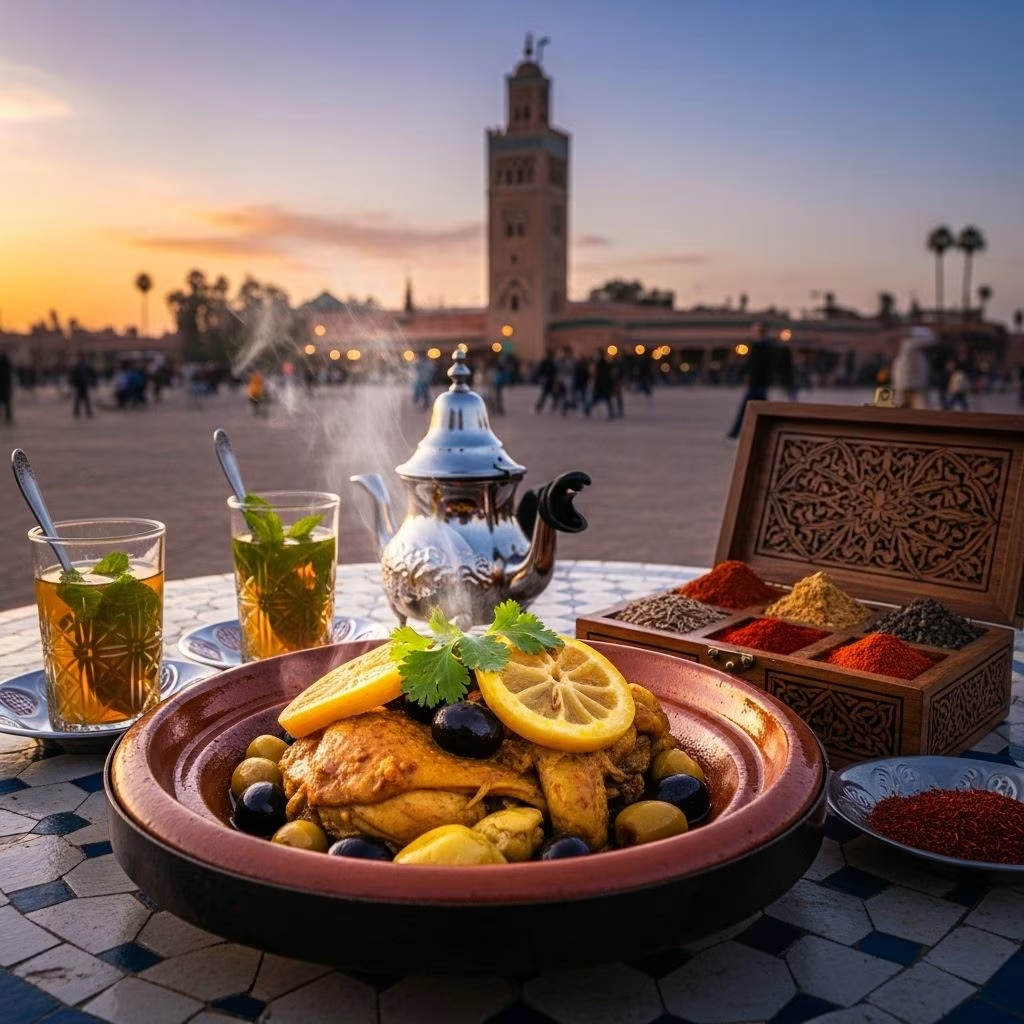
- Jemaa el-Fna Square: The pulsing heart of Marrakesh’s medina. Come for the food stalls, music, snake charmers, storytellers, and the transformation from day-to-night where the square bursts to life.
- Koutoubia Mosque: The city’s emblematic minaret towers above the skyline, best viewed from Jemaa el-Fna.
- Ben Youssef Madrasa: A masterpiece of Islamic architecture, with intricate tile work and peaceful, photogenic courtyards. Arrive early to beat the crowds.
- Bahia Palace: A stunning example of Moroccan craftsmanship and opulence, combining lush gardens and finely carved interiors.
- Souk Semmarine: The largest, most famous souk, boasting everything from leather goods and carpets to lanterns and spices. Ideal for souvenir-hunting or immersive wandering.
- Place des Ferblantiers: The gateway to the Mellah (Jewish Quarter), known for colorful spice vendors and a more relaxed atmosphere compared to Jemaa el-Fna.
- Dar Si Said Museum: Celebrated for its collection of Moroccan arts, crafts, and artifacts.
- Badi Palace: Ruins that evoke the city’s imperial past and house impressive exhibitions.
- Le Jardin Secret: This beautifully restored garden offers an oasis of calm and elegant design, recommended by locals as an alternative to the more crowded Jardin Majorelle.
- House of Photography: A gallery showcasing Morocco’s photographic heritage, with a rooftop that gives panoramic city views.
Sightseeing Table: At a Glance
| Landmark | Type | Notable Features | Best Time to Visit |
|---|---|---|---|
| Jemaa el-Fna | Square | Food, street performers, night markets | Evening |
| Ben Youssef Madrasa | Historic School | Tilework, architecture | Morning |
| Bahia Palace | Palace | Gardens, interior design | Early morning |
| Souk Semmarine | Market | Shopping, spices | Late morning |
| Le Jardin Secret | Garden | Oasis, architecture | Afternoon |
Must-Do Experiences in Marrakesh
While the major sights anchor your visit, true magic lies in unplanned moments and everyday encounters:
- Get lost in the Medina: Embrace the winding alleyways, letting curiosity guide you. Offline maps and a gentle pace help you take it all in.
- Barter in the souks: Bargaining is expected—start at about 10% of the asking price and work up from there. Sellers often relent if you walk away, but paying the initial price is always an option for those who prefer a no-haggling experience.
- Relax in a riad: Unwind in these traditional guesthouses known for their inner courtyards, ornate tilework, and serene environments. Book a spa treatment or a hammam for an authentic detox.
- Evening at Jemaa el-Fna: The square is a stage for Moroccan culture—enjoy “just one more mint tea,” sample grilled meats, and watch the interplay of vendors and performers.
Culinary Guide: What & Where to Eat
Marrakesh’s cuisine is a highlight of any visit, blending age-old recipes with contemporary flair. Below are must-eat dishes and recommended restaurants for every traveler:
Classic Moroccan Dishes
- Tagine: Stewed meats or vegetables in fragrant, spiced sauce, cooked in clay pots.
- Couscous: Steamed semolina grains topped with meats, vegetables, and often enjoyed on Fridays.
- Pastilla: Savory-sweet pie, traditionally filled with pigeon or chicken and encased in flaky pastry.
- Harira: Hearty soup of tomato, lentil, chickpea, and lamb, popular during Ramadan.
- Msemen & Khobz: Flatbreads that accompany every meal.
Top Marrakesh Restaurants
- Mandala Society: Modern fusion with global influences, especially popular with vegetarians and vegans. The dinner menu is highly recommended, and many consider it the city’s best.
- Le Jardin Marrakech: Dine in a courtyard awash with greenery—perfect for lunch or a breather from the city hustle. Known for its vibrant salads and fresh juices.
- L’Mida: Rooftop dining with panoramic medina sunsets, serving modern Moroccan fare.
- Nomad Marrakech: A rooftop overlooking Rahба Kedima Square and the spice market, offering international twists on Moroccan classics.
- Plus 61: Celebrated for its modern fine dining—expect innovative dishes using local ingredients and an excellent international wine list. Best enjoyed with friends so you can share plates and savor more flavors.
- Le Trou Au Mur: Fancier but relaxed; find traditional and international dishes, homemade sorbets, and daily specials (Fridays always mean couscous). Don’t miss their famous fruit tarts and a browse through the adjoining shop.
Food Experiences Not to Miss
- Tasting fresh orange juice from market vendors.
- Sampling street food such as grilled meats, fried fish, and spiced snails at Jemaa el-Fna.
- Enjoying mint tea in a rooftop café as the call to prayer echoes across the city.
- Visiting a traditional riad for home-cooked Moroccan specialties.
Recommended Marrakesh Itinerary: Four Days of Discovery
Maximize your time in Marrakesh with this balanced, flexible 4-day itinerary.
Day 1: Arrival & Ease In
- Settle into your chosen riad; soak up its ambiance.
- Visit Bahia Palace or a nearby site to gently start your adventure.
Day 2: Medina & Markets
- Begin with a leisurely stroll through the souks, working clockwise around the Medina.
- Check off Jemaa el-Fna, Koutoubia, and Souk Semmarine.
- Let yourself get lost—discover corners, crafts, and hidden gems. Use offline maps for safety and ease.
- Pick an additional afternoon site, such as Le Jardin Secret.
Day 3: Historic Sites & Relaxation
- Start early at Ben Youssef Madrasa to avoid crowds.
- Walk to Dar El Bacha, close by, for more architectural glory.
- Conclude with hours at a café, resting and people-watching.
Day 4: Final Explorations & Leisure
- Use remaining time to visit favorite spots or discover new ones.
- Optional: Stroll through Mellah via Place des Ferblantiers or relax in your riad—many offer pools and spa services.
- Consider a hammam experience for ultimate rejuvenation.
Travel Preparation & Practical Tips
- Navigation: Download offline maps for the Medina, which can be confusing.
- Bartering: Negotiation is cultural—start low, be polite, and walk away if needed.
- Reservations: Essential for popular restaurants. Let your riad make calls or book online ahead of time.
- Cash: Most markets and small shops are cash-only; keep small denominations handy.
- Safety: Marrakesh is generally safe for travelers but keep personal items zipped and secure in crowded areas.
- Attire: Dress modestly, covering shoulders and knees, to respect local norms.
- Language: French, Arabic, and some English are spoken. Learn basic words for smooth interactions.
- Time management: Expect sites and restaurants to be busier in late afternoons and evenings; plan accordingly.
Frequently Asked Questions (FAQs)
Q: What is the best time of year to visit Marrakesh?
A: Spring (March-May) and fall (September-November) are ideal, with pleasant temperatures and fewer crowds.
Q: Is Marrakesh safe for solo travelers?
A: Yes, Marrakesh is safe for solo travelers, provided standard precautions and common sense are maintained. Avoid isolated streets after dark and watch belongings in busy areas.
Q: Should I book restaurant reservations in advance?
A: Absolutely. Many top restaurants fill up quickly, especially for dinner or rooftop seating—reserve ahead online or ask your riad to assist.
Q: What foods should I not miss in Marrakesh?
A: Try tagine (lamb, chicken, or vegetarian), couscous (especially on Fridays), pastilla, fresh market juices, and local flatbreads. Rooftop restaurants offer modern takes worth trying as well.
Q: Is bartering necessary in the souks?
A: Bartering is traditional and expected in Marrakesh’s souks. Start low and negotiate with a good-natured attitude—sellers will often drop prices if you walk away.
Q: Can I find vegetarian food easily?
A: Yes, especially in modern restaurants like Mandala Society, Le Jardin, and many others catering to a variety of dietary preferences.
Final Travel Tips for an Unforgettable Stay
- Embrace getting lost: The Medina is a maze, but some of the best discoveries are unplanned.
- Stay hydrated: Bottled water is recommended.
- Dress for the weather and modesty: Light layers and respectful coverage go a long way.
- Try local transport: Petit taxis are abundant; agree on price before getting in.
- Engage locals: Many are happy to help and recommend hidden gems.
Embark on Your Marrakesh Adventure
Marrakesh is more than a destination—it’s a feeling. Ancient meets modern in its cuisine, markets, architecture, and rhythm of daily life. Whether you come for the food, the shopping, the atmosphere, or the beautiful sights, this city will linger in your memory long after the journey ends. Travel smart, savor with intention, and let Marrakesh surprise you at every turn.
References
- https://catekittlitz.ca/blog/morocco
- https://www.theweithouse.com/africa/marrakech-morocco
- https://www.midnightblueelephant.com/marrakech-food/
- https://www.threads.com/@seriouseats/post/DH93KF7OOle/our-in-the-know-culinary-travel-guide-to-the-best-things-to-eat-in-the-beautiful
- https://www.jetsetandforget.com/moroccotips/