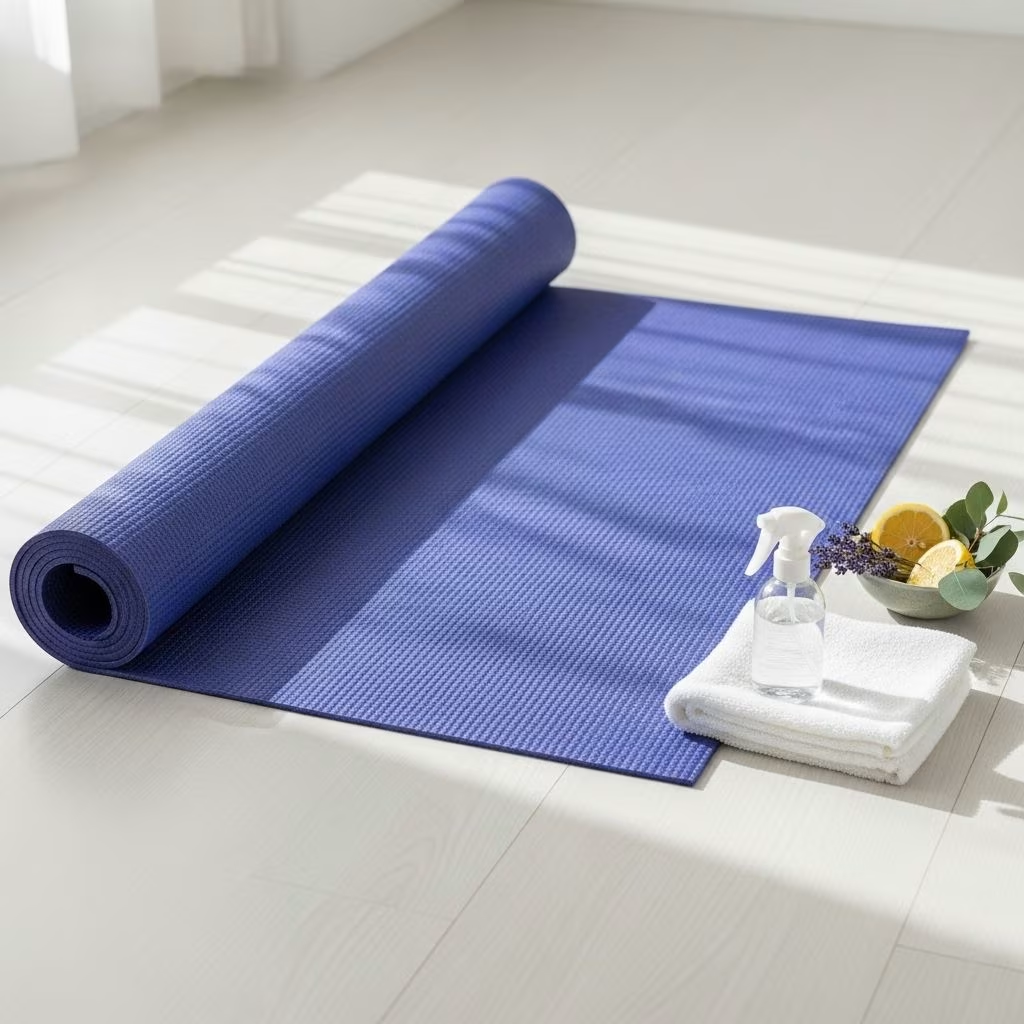
Your yoga mat is your sacred space for movement, relaxation, and self-care. However, with every session, sweat, dirt, and bacteria accumulate, making regular cleaning essential for both hygiene and mat preservation. This guide details everything you need to keep your mat clean, fresh-smelling, and ready for harmonizing your mind and body, no matter its material or use style.
Why Cleaning Your Yoga Mat Matters
- Hygiene and Safety: Mats collect sweat, skin cells, oils, and environmental dust, which foster bacteria and fungi. Regular cleaning prevents skin irritation or infection and keeps your practice safe.
Even a quick wipe can reduce health risks dramatically. - Improved Longevity: Dirt and oils degrade mat material over time. Cleaning preserves grip, cushioning, and overall durability.
- Better Traction: Clean mats grip better, reducing the risk of slipping during poses.
- Odor Control: Sweat and bacteria result in unpleasant odors. Cleaning makes practice more enjoyable, especially for group classes.
- Skin Protection: Prevents rashes and irritation by minimizing contact with contaminants that build up with use.
General Guidelines for Yoga Mat Cleaning
- Always check your manufacturer’s care instructions for specific cleaning recommendations.
- Never put your yoga mat in the washing machine or dryer unless manufacturer-certified safe—most mats can warp, degrade, or lose their grip.
- Avoid soaking mats in water, as some materials (especially rubber) absorb moisture and deteriorate.
- Use only mild, non-abrasive cleaners—harsh chemicals can break down slip-resistant surfaces or cause skin irritation.
What You Need: Essential Yoga Mat Cleaning Supplies
| Item | Purpose |
|---|---|
| Mild Soap or Gentle Detergent | Removes general dirt and body oils without damaging material. |
| White Vinegar | Natural disinfectant, deodorizes, and kills bacteria without harsh residues. |
| Water | Dilutes cleaning agents and rinses mat thoroughly. |
| Soft Cloth or Sponge | Allows gentle scrubbing without abrasion. |
| Essential Oils (Tea Tree, Lavender) | Optional: Adds fragrance and antibacterial properties. |
| Yoga Mat Cleaning Wipes | Convenient for post-practice quick cleans; available at many yoga gear stores. |
Step-by-Step: How to Clean Your Yoga Mat
Quick Cleaning (After Each Practice)
- Spray or wipe your mat with a pre-moistened yoga wipe or a cleaning solution made from 1 part water to 1 part vinegar. Wipe all surfaces gently with a soft cloth.
- Let the mat air dry completely before rolling it up. Lay flat or drape over a chair, away from direct sunlight.
Deep Cleaning (Weekly or After Heavy Use)
- In a bowl, mix a few drops of mild dish soap with warm water (about 1:20 soap to water ratio). Dip a soft cloth in the mixture and wring out excess water.
- Wipe the entire mat slowly, paying special attention to areas showing dirt or sweat stains.
- Rinse cloth in clean water, then wipe again to remove soap residue.
- If desired, add a couple drops of tea tree oil for extra antibacterial effect.
- Let the mat air dry in a well-ventilated area, draped over a chair or bar to maximize air flow. Never dry in direct sunlight, as UV rays break down many common mat materials.
Special Cleaning for Heavy Odors
- Add baking soda to the cleaning mix (about 1 tablespoon per cup of water), scrub lightly onto the affected area, and rinse clean.
Cleaning Techniques for Different Yoga Mat Types
Yoga mats vary in material (PVC/vinyl, rubber, jute, TPE, or cork), and cleaning strategies differ somewhat for each type:
- PVC/Vinyl Mats: These are durable and tolerate soapy water. Avoid harsh chemicals or scrubbing brushes that may abrade the surface. Let dry flat.
- Rubber Mats: Use only water-based cleaners with vinegar or mild soap. Never soak fully; wipe gently and avoid direct sunlight when drying.
- Jute/Cork Mats: Clean minimally with damp cloth; avoid excessive moisture due to absorbent natural fibers. For stains, use diluted vinegar spray.
- TPE Mats: Use gentle soap and water, avoiding excessive soaking. Essential oils may enhance odor control, but test in a small area first.
How Often Should You Clean Your Yoga Mat?
- After Every Session: Quick wipe-down using yoga mat wipes or a spray solution, especially for practices involving heavy sweating (hot yoga, power yoga)
- Weekly (or Every 2-5 Uses): Deep cleaning to remove oils and stubborn dirt.
- Immediately: After visible spillage, outdoor practice, or shared mat use, sanitize promptly.
Frequency depends on individual usage, climate, and mat material. Treat your mat the way you treat personal linens for optimal hygiene.
Drying Your Yoga Mat Correctly
- Air-dry your mat flat on a clean surface or draped over a chair or rail with maximum exposure to airflow.
- Avoid drying in direct sunlight, as this can break down both synthetic and natural mats.
- Ensure mat is thoroughly dry before storage to prevent mold and mildew.
Tips for Storing Your Yoga Mat
- Keep your mat rolled loosely or hung unrolled in a dry, cool environment.
- Avoid enclosed damp places (such as gym bags) for long periods.
- Use a mat bag for added protection from dust and moisture, especially if storing for extended periods.
- Never store directly in sunlight or near heat sources.
Natural Mat Deodorizing Solutions
- Add a few drops of lavender oil or tea tree oil to your cleaning solution for both scent and antibacterial effect.
- Sprinkle baking soda onto the mat, let sit for 10 minutes, then wipe off with a damp sponge.
- Use a 1:1 solution of water and white vinegar in a spray bottle—effective and non-toxic.
Can You Machine Wash Your Yoga Mat?
In most cases, no. Machine washing may damage the mat’s surface and alter texture or grip, and drying machines pose a risk of warping and shrinkage. Only a few travel or microfiber mats specify machine-safe on the label—always verify manufacturer’s instructions before attempting this.
Yoga Mat Accessories: Cleaning Blocks, Straps, and Towels
Accessories collect sweat and dirt just like your mat. Clean blocks with a wipe or damp cloth and mild soap. Fabric straps and towels should be washed according to label instructions, typically gentle machine or hand wash in cold water. Dry all accessories thoroughly before storing with your mat.
Yoga Mat Maintenance: Troubleshooting Common Issues
Mat is slick or slippery
- Clean off the factory coating from new mats using mild soap and water before first use.
- Avoid overuse of cleaning products, which can leave a residue reducing grip.
Mat has lost cushioning or is breaking down
- Regular cleaning extends lifespan but mats eventually need replacement (typically every 1-2 years with regular use).
- Store properly; avoid folding or compressing for long periods.
Persistent odors
- Use vinegar solutions, baking soda, and thorough drying.
- Deep clean with mild soap if odor persists, then air dry extensively.
FAQs: Yoga Mat Cleaning and Care
- How do I know if my yoga mat needs cleaning?
- If you notice visible dirt, a lingering odor, or the mat feels tacky or slippery, it’s time for cleaning. Regular cleaning is best even if no signs appear, especially for shared mats.
- Can I use disinfectant sprays from the grocery store?
- Most disinfectants contain chemicals that can damage mat surfaces and leave behind residues. Use natural, gentle solutions unless your mat manufacturer specifies otherwise.
- Is it safe to use essential oils on any mat?
- Most mats tolerate essential oils when diluted (e.g., tea tree, lavender); however, test on a small area first, as some materials can react or discolor.
- Why does my mat smell, and how do I fix it?
- Odor is caused by sweat and bacteria buildup; clean with vinegar solution and air out. Persistent odors may require multiple deep cleans or replacement if mat is old.
- How should I clean a new mat?
- Remove the manufacturing residue with a gentle soap or a mild vinegar solution before first use. This improves grip and reduces slickness.
- What cleaning routine do experts recommend?
- Wipe down the mat after each session; perform a deeper clean once a week (or more frequently with high use), and always air dry thoroughly.
Summary Table: Yoga Mat Cleaning Key Points
| Cleaning Task | Frequency | Method | Tips |
|---|---|---|---|
| Quick wipe-down | After every session | Yoga mat wipes or vinegar spray/mild soap | Dry completely before storing |
| Deep cleaning | Weekly or biweekly | Mild soap & water | Use soft cloth, avoid oversaturating |
| Deodorizing | As needed | Vinegar spray/baking soda | Allow adequate air drying |
| Accessory cleaning | Monthly or as dirty | Hand wash or gentle machine | Dry fully before storing |
Frequently Asked Questions (FAQs)
Q: How do I prevent my yoga mat from smelling over time?
A: Wipe it down after each use with a vinegar-based cleaner, air dry thoroughly, and store in a ventilated area.
Q: Can I spray alcohol-based disinfectants on my mat?
A: It’s best to avoid alcohol-based sprays unless your mat’s label allows it—many can break down foam or rubber surfaces.
Q: Are natural cleaning solutions effective?
A: Yes, diluted vinegar and essential oils clean, disinfect, and deodorize without damaging most mats or causing skin irritation.
Q: What’s the fastest way to dry my mat indoors?
A: Hang it over a chair or shower rod with as much surface area exposed as possible; avoid cramped, humid spaces for drying.
Q: When should I replace my yoga mat?
A: When the mat loses grip, cushioning, repeatedly smells after cleaning, or shows signs of cracking and crumbling.
Conclusion: Clean Mats, Better Practice
Maintaining a clean yoga mat is both a health imperative and a form of self-care. Using simple, natural solutions and following a consistent cleaning schedule ensures every practice is fresh and safe. Proper hygiene enhances focus, protects your skin, and prolongs your investment in wellness. With the techniques outlined here, your mat will support your yoga journey for many sessions to come.